Introduction
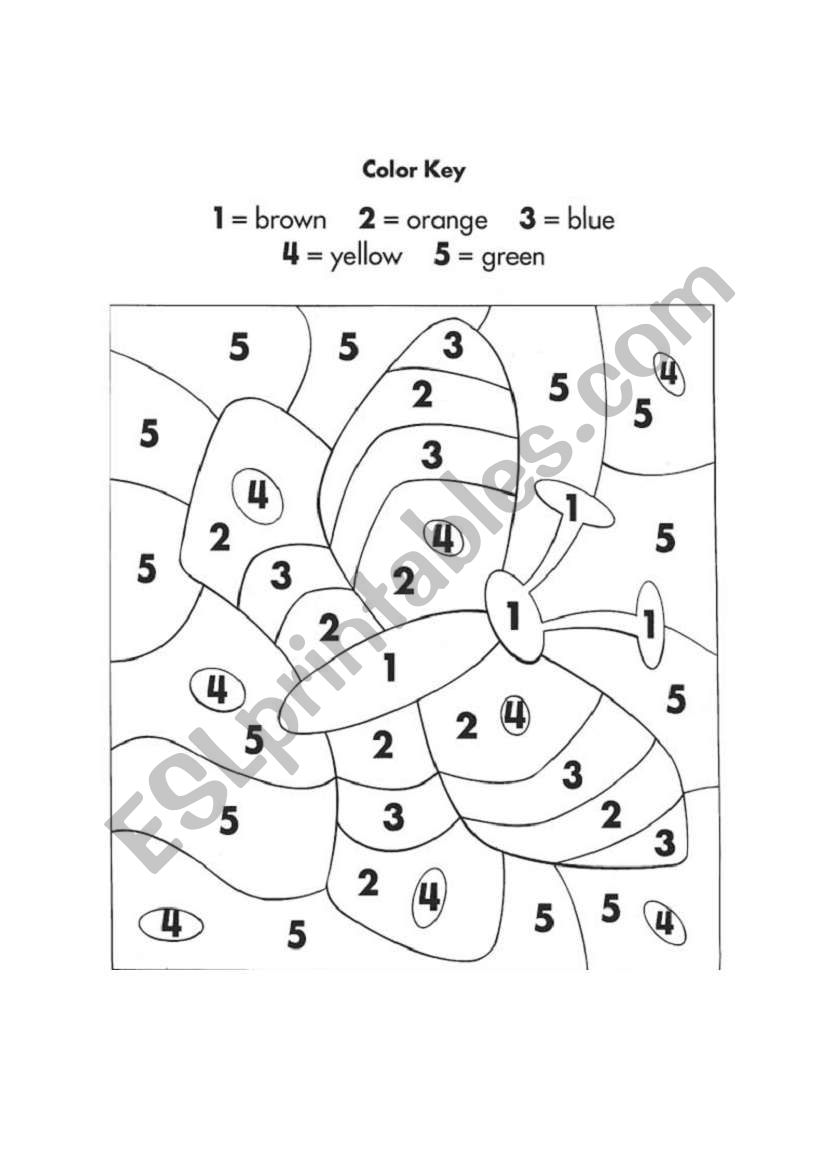
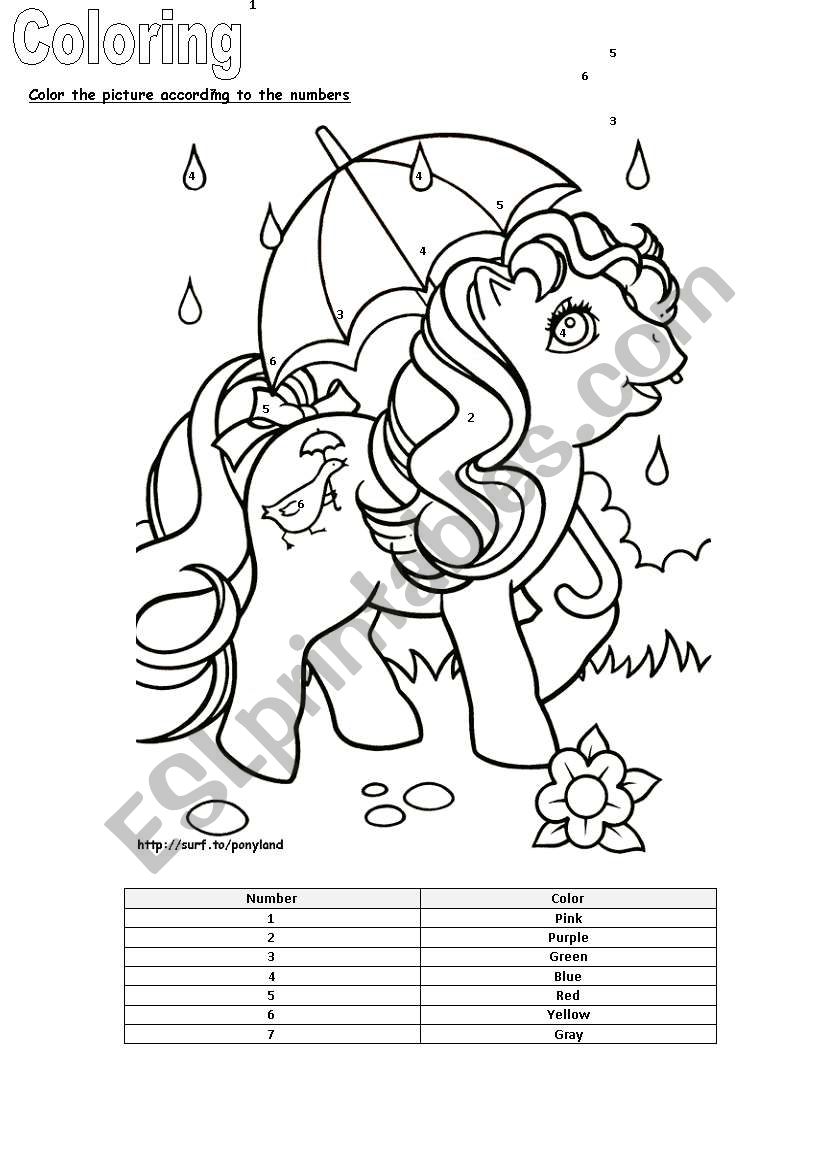
Coloring worksheets esl represent specialized educational tools designed to bridge visual artistic engagement with foundational English language acquisition and motor skill development. According to the National Association for the Education of Young Children (NAEYC), purposeful manipulation of writing and coloring implements strengthens the intrinsic small muscles required for accurate letter formation and cognitive symbol recognition. Integrating these graphic resources into early literacy frameworks accelerates vocabulary retention while simultaneously refining critical pencil grips. Educators frequently pair these visual exercises with structured tracing worksheets to solidify hand-eye coordination before moving on to independent writing drills.
Handwriting Practice Snapshot:
- Core Focus: Coloring worksheets esl combine graphic illustrations with targeted motor practice to reinforce letter recognition for non-native language learners.
- Target Scope: Early childhood classrooms, English language development programs, and homeschooling environments.
- Key Recommendation: Enforce strict top-to-bottom and left-to-right coloring patterns to naturally condition proper handwriting directional habits.
Core Principles and Detailed Overview
Coloring worksheets esl function as a multi-sensory cognitive scaffold that maps phonetic sounds directly to visual symbols for developing learners. Mechanical control improves substantially when children regulate finger pressure to keep colored strokes within distinct boundary lines, mirroring the spatial awareness necessary for clean character formation. As students color specific objects corresponding to initial letter sounds, brain pathways link abstract linguistic concepts with concrete physical motions. Teachers utilizing preschool worksheets often find that graphic coloring pages reduce language anxiety by allowing non-native speakers to demonstrate comprehension non-verbally before executing formal penmanship tasks.
Key Specifications and Breakdown
| Skill Level / Grade | Target Stroke / Mechanical Focus | Pedagogical / Coaching Cue |
|---|---|---|
| Early Beginner (Ages 3-4) | Wide circular shading and gross motor grip control. | Move the crayon in small, overlapping circles without lifting the tip. |
| Developing ESL (Ages 5-6) | Directional shading matching western reading orientation. | Color from the top margin down to the bottom margin smoothly. |
| Advanced Primary (Ages 7+) | Precise edge tracing and detailed pressure modulation. | Stay strictly inside the border lines to build pencil accuracy. |
Fine-motor control and visual-perceptual processing developed through controlled coloring activities serve as direct neurological prerequisites for legible handwriting mechanics. — American Occupational Therapy Association (AOTA)
Step-by-Step Practical Application and Guidelines
Implementing coloring worksheets esl effectively requires deliberate instructional staging that prioritizes mechanical habits over artistic perfection. Instructors must first demonstrate the correct tripod grasp, ensuring fingers rest approximately one inch from the writing tip. Next, students should trace any embedded border outlines using a continuous motion before applying color fills. Educators can expand linguistic utility by requiring learners to state the target vocabulary word aloud every time a new color pencil is selected. Integrating these activities alongside dedicated letter writing worksheets ensures seamless continuity between artistic shading exercises and formal alphabetic mastery.
Common Challenges and How to Avoid Them
Over-reliance on random, unguided scribbling represents the primary obstacle preventing learners from transferring fine-motor gains to actual handwriting tasks. When children scrub crayons haphazardly across the page, they fail to build the controlled muscle memory required for precise character formation. Instructors can eliminate this issue by breaking complex illustrations into designated geometric zones, requiring students to fill each section using uniform parallel strokes. Furthermore, pairing visual shading pages with targeted name practice worksheets helps learners maintain proper wrist posture and structural orientation across diverse writing formats.
💬 Frequently Asked Questions
Explore More Free Handwriting and Character Worksheets
Mastering early literacy and motor control requires continuous access to diverse, high-quality practice materials tailored for developing learners. Explore the complete collection of free educational resources, guided exercises, and printable templates available directly at CharacterWritingWorksheets.com to support comprehensive handwriting development.
Printable Coloring Page Previews