Introduction
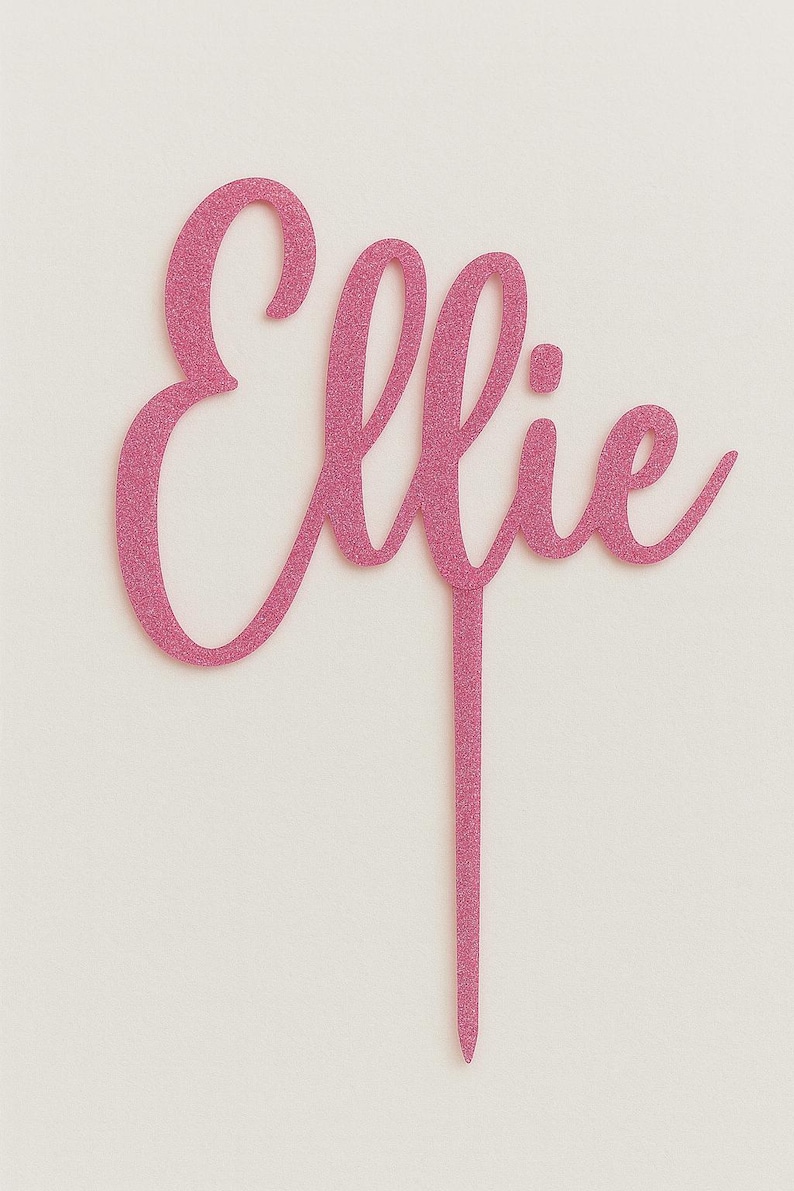
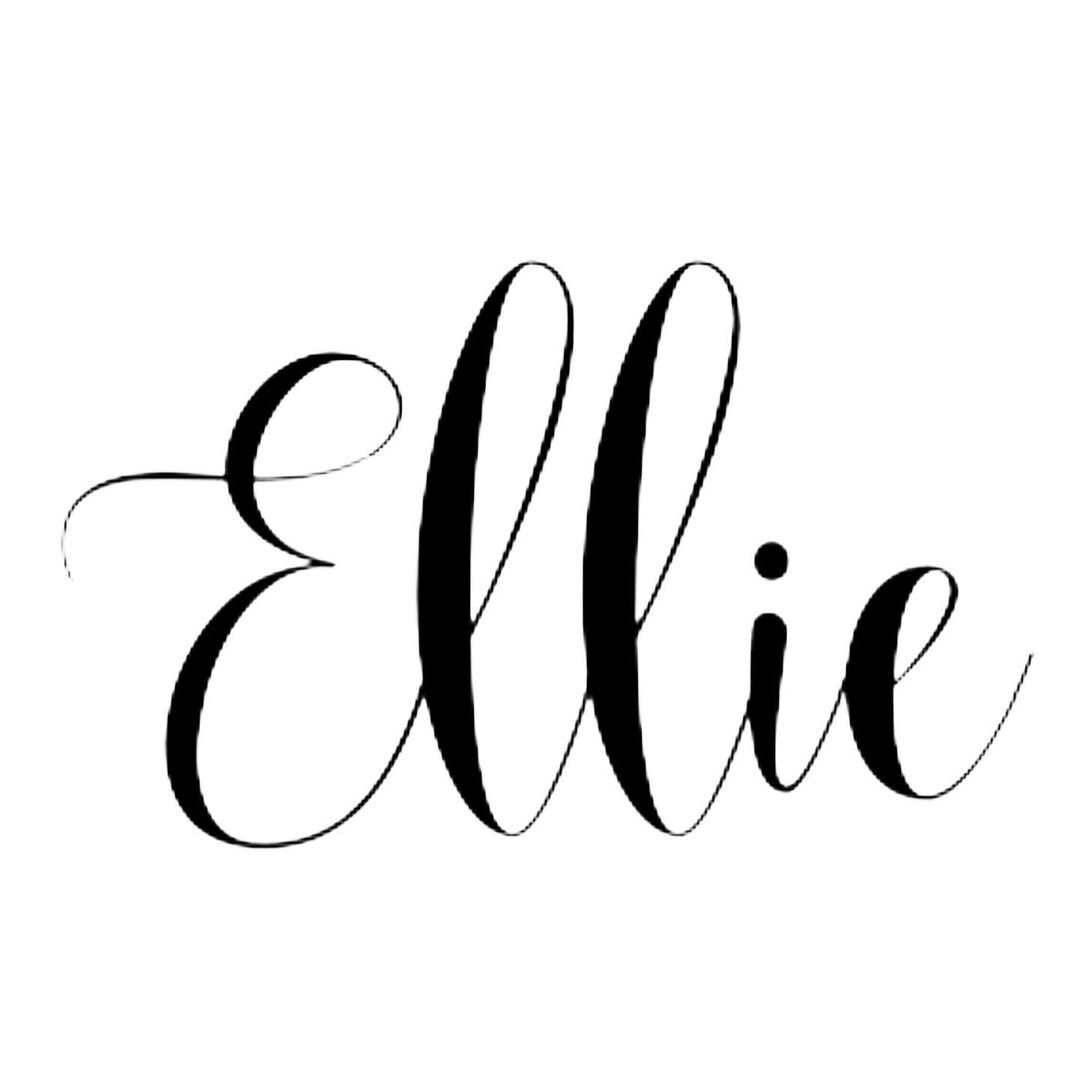
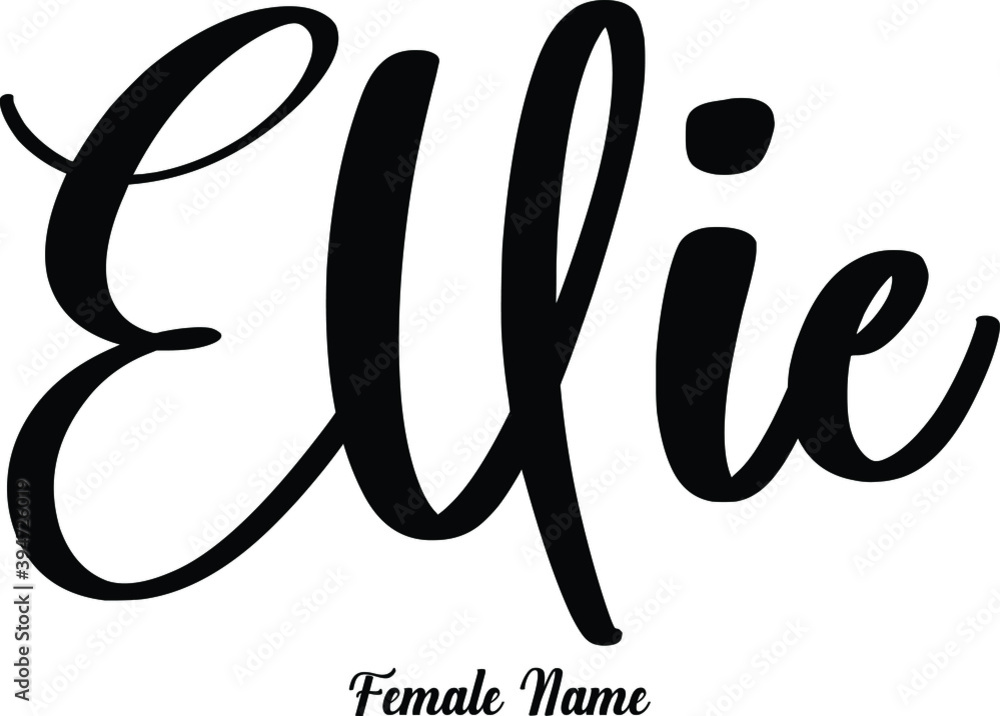
Elie in cersif refers to the systematic practice of cursive handwriting mechanics and fluid letter formation designed to bridge early printing skills with advanced continuous script fluency. According to the American Occupational Therapy Association (AOTA), mastering continuous stroke sequences and appropriate pencil grasp during the formative primary years directly enhances cognitive processing, spelling retention, and orthographic motor planning. Educators utilize structured tracing worksheets to isolate specific cursive loops and connection strokes, ensuring young learners build reliable muscle memory. Incorporating targeted writing frameworks helps transition students from disjointed manuscript printing to efficient, connected cursive handwriting.
Handwriting Practice Snapshot:
- Core Focus: Cursive stroke sequencing, fluid letter connections, and fine-motor coordination.
- Target Scope: Primary grade classrooms, home-school environments, and occupational therapy interventions.
- Key Recommendation: Prioritize directional consistency and baseline adherence before increasing writing speed.
Core Principles and Detailed Overview
Elie in cersif demands rigorous adherence to baseline alignment, slant consistency, and precise entry and exit strokes that govern legible cursive output. Spatial orientation and fluid movement are foundational to overcoming common reversals and awkward hand positioning during script generation. By deploying specialized letter writing worksheets, instructors isolate individual letterforms before requiring children to link multiple characters into cohesive words. Fine-motor stamina improves incrementally when students practice rhythmic downward pressures combined with smooth, continuous upward arcs.
Key Specifications and Breakdown
| Skill Level / Grade | Target Stroke / Mechanical Focus | Pedagogical / Coaching Cue |
|---|---|---|
| Early Beginner / Pre-K | Continuous circular motions and horizontal baselines | Focus on smooth wrist rotation and posture before touching pencil to paper. |
| Intermediate / Grade 2 | Entry strokes, underturns, and connective diagonal tails | Ensure continuous pencil contact during simple three-letter word transitions. |
| Advanced / Grade 3+ | Slant uniformity, looping descenders, and proportional spacing | Maintain a consistent 55-degree slant angle across entire writing lines. |
Occupational therapy standards emphasize that dynamic tripod grasp and fluid proximal joint stabilization are prerequisites for achieving legible cursive fluency without hand fatigue. — American Occupational Therapy Association (AOTA)
Step-by-Step Practical Application and Guidelines
Implementing elie in cersif effectively requires a gradual release model starting with air-tracing, moving to tactile sand trays, and culminating in pencil-and-paper execution. Educators should begin every session with targeted warm-up drills that emphasize rhythmic, flowing lines to prepare the small intrinsic hand muscles. Utilizing preschool worksheets provides foundational pre-writing paths that prevent future pencil-grip errors. Consistent daily practice sessions lasting ten to fifteen minutes yield superior neurological retention compared to infrequent, marathon writing blocks.
Common Challenges and How to Avoid Them
Excessive finger gripping and rigid wrist tension represent the most frequent obstacles encountered when children transition into cursive script. Instructors must actively monitor for an inverted hook grip, which obscures line-of-sight and causes rapid muscle fatigue during extended writing tasks. Integrating varied coloring worksheets alongside writing drills helps build hand strength and relieves repetitive strain without sacrificing engagement. Correcting improper stroke direction early prevents ingrained motor habits that severely impact long-term writing legibility and speed.
💬 Frequently Asked Questions
Explore More Free Handwriting and Character Worksheets
Elevate daily handwriting instruction by exploring the extensive library of targeted practice materials available across CharacterWritingWorksheets.com. Instructors and parents can instantly download customizable name practice worksheets to provide personalized, engaging, and structured learning opportunities for young students at every developmental stage.
Visual Reference Gallery