Introduction
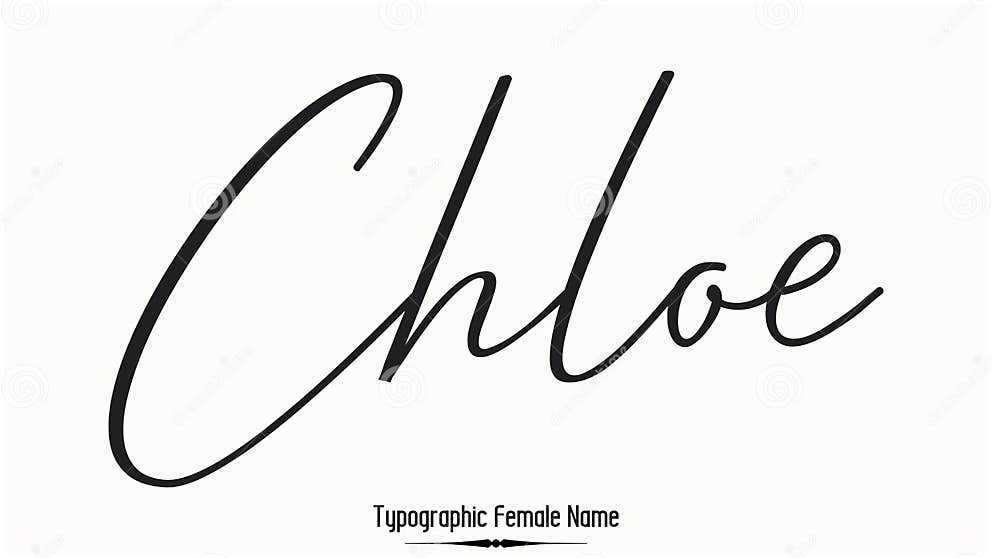
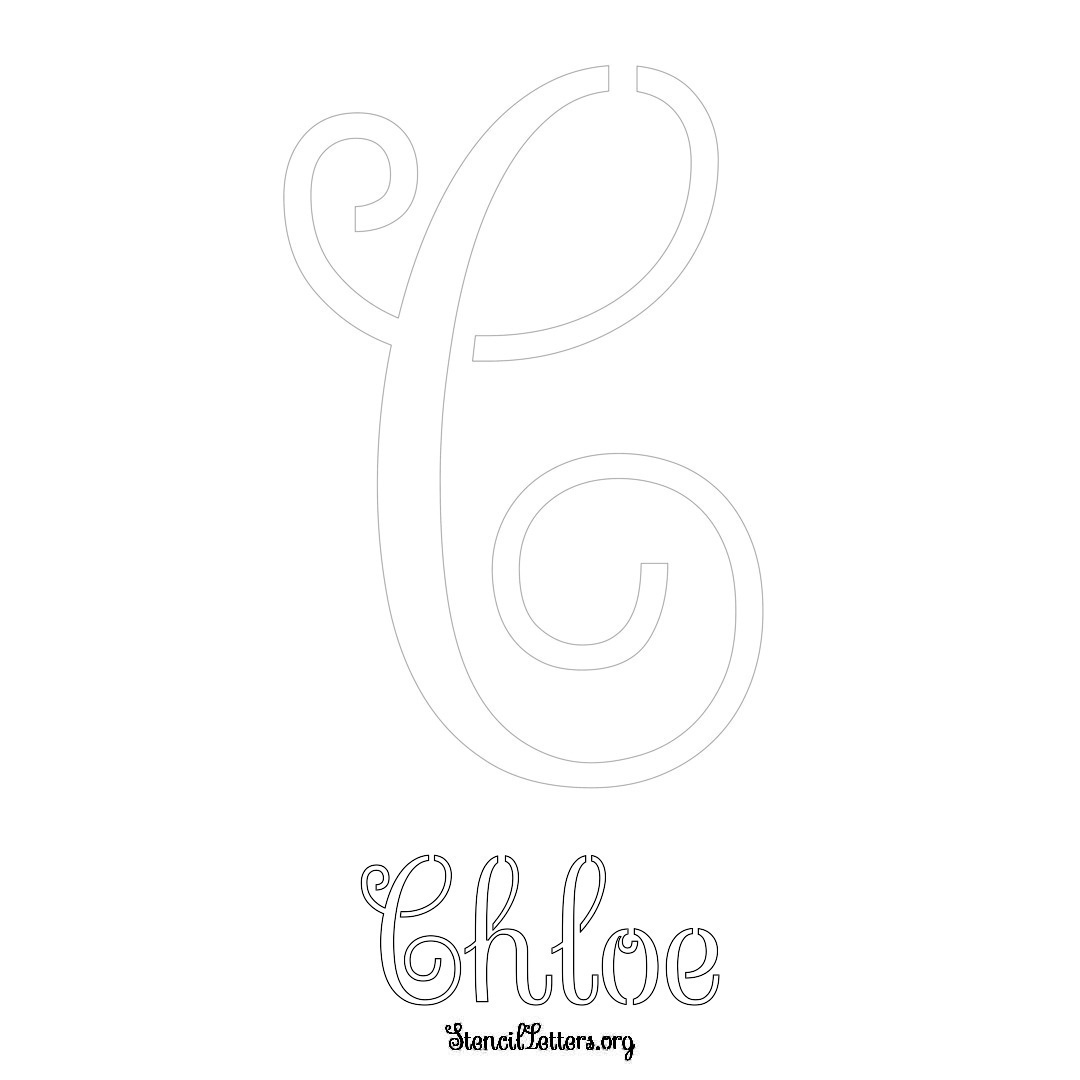
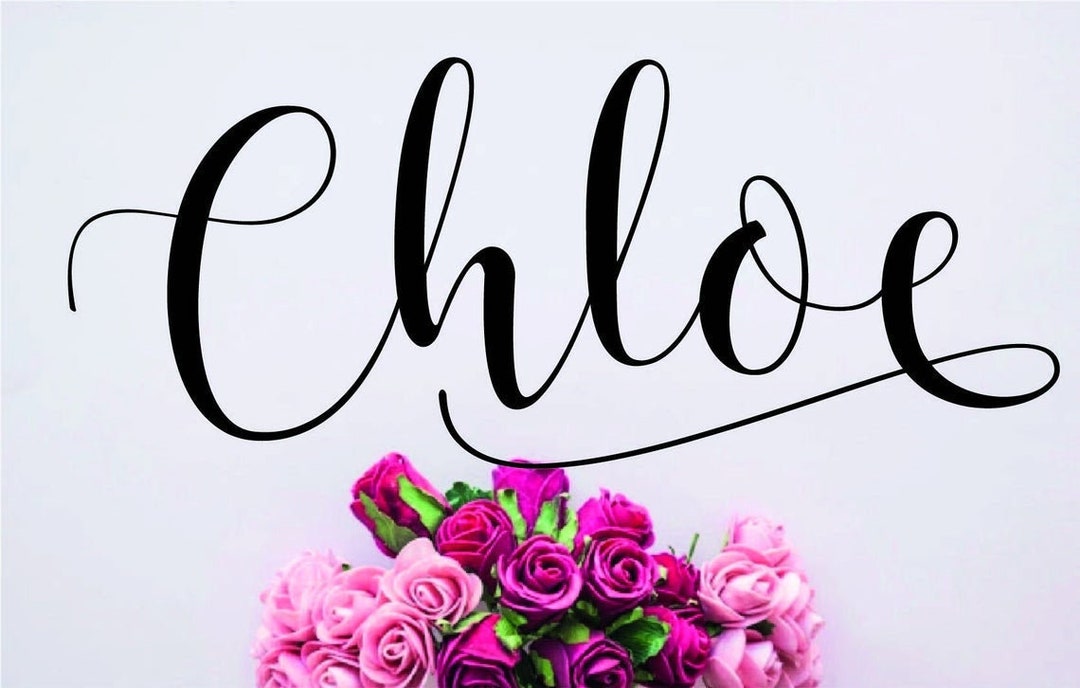
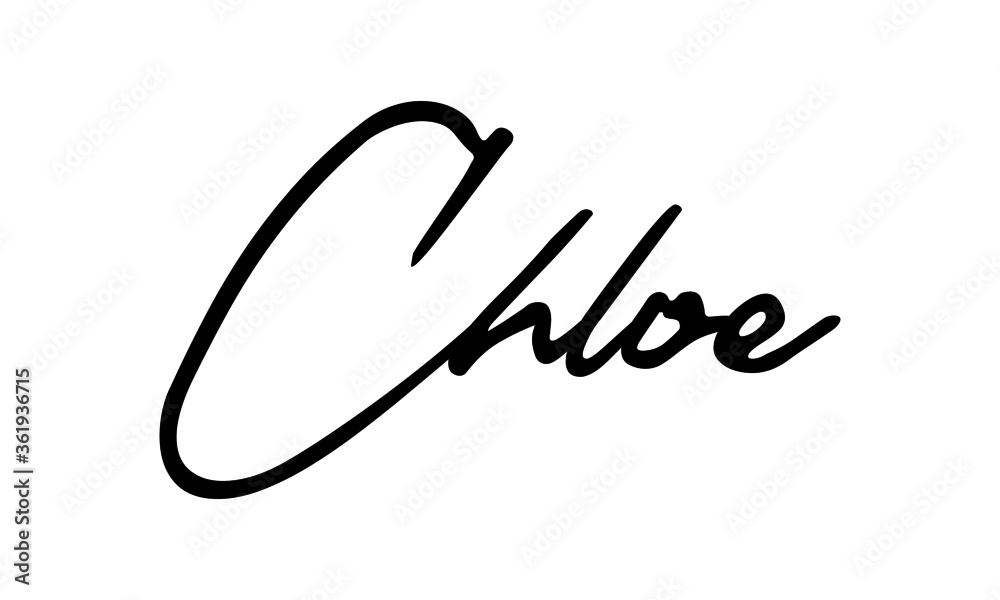
Mastering how to spell chloe with a c. in cursive requires continuous fluid motion, beginning with a capital C and flowing seamlessly into connected lowercase letters h, l, o, and e. According to the International Literacy Association (ILA), integrating name-writing mastery into early cursive instruction reinforces orthographic mapping, muscle memory, and foundational fine-motor control. Educators and parents aiming to develop fluent cursive writing skills benefit from structured lessons that isolate individual letter connections, especially when guiding learners through names with complex horizontal loops. Practitioners can easily build targeted fine-motor routines by utilizing specialized name practice worksheets designed for progressive skill acquisition.
Handwriting Practice Snapshot:
- Core Focus: Executing continuous fluid connections for the name Chloe in standard cursive script.
- Target Scope: Early elementary students, homeschoolers, and educators teaching cursive letter joins.
- Key Recommendation: Emphasize smooth entry and exit strokes to prevent abrupt hand stops between letters.
Core Principles and Detailed Overview
Spelling Chloe in cursive involves executing five distinct lowercase and uppercase letter forms connected by precise transition strokes that bridge the gap between round shapes and vertical ascenders. Direct attention must be paid to the connector line leaving the lowercase ‘o’ at the top curve, which allows the pen to transition directly into the closing ‘e’ loop without lifting the writing utensil. Fine-motor coordination relies heavily on controlled wrist rotation and proper pencil grip to maintain uniform slant and letter height. Structured printable resources, such as targeted letter writing worksheets, provide the essential scaffolding needed to master these specific connective strokes.
Key Specifications and Breakdown
| Skill Level / Grade | Target Stroke / Mechanical Focus | Pedagogical / Coaching Cue |
|---|---|---|
| Beginner (Grade 2-3) | Capital C curve and entry connection | “Start below the top line, sweep up, and loop smoothly right.” |
| Intermediate (Grade 3-4) | Ascending loop of the ‘h’ and tall ‘l’ | “Keep ascenders parallel and reach the top headline cleanly.” |
| Advanced (Grade 4+) | Top connector from ‘o’ to ‘e’ | “Exit the ‘o’ from the top right directly into the ‘e’ loop.” |
Explicit cursive instruction combined with multisensory practice enhances orthographic motor integration and letter retention — American Occupational Therapy Association (AOTA)
Step-by-Step Practical Application and Guidelines
Executing how to spell chloe with a c. in cursive is best achieved by practicing each letter sequence in isolation before demanding a fluid, unbroken word formation. Begin with the capital letter C, ensuring the starting hook curves downward and inward before flowing directly into the baseline entry stroke of the lowercase h. Next, drive the vertical ascender of the h straight up to the top baseline, drop down, and transition immediately into the tall loop of the l. From the base of the l, smoothly curve upward into the oval formation of the o, exiting from the top right shoulder to form the final e loop. Consistent daily practice using curated tracing worksheets ensures that learners internalize these precise spatial pathways.
Common Challenges and How to Avoid Them
Lifting the writing utensil between the letter ‘o’ and the final ‘e’ represents the most frequent mechanical error observed when children learn how to spell chloe with a c. in cursive. Overcoming this hurdle requires targeted coaching on high-connector exits, ensuring the pen stays in contact with the paper as the loop of the ‘e’ closes. Another common issue involves disproportionate letter scaling, where tall ascenders like the ‘h’ and ‘l’ collapse into short lowercase sizes. Instructors should monitor hand posture and paper angle, utilizing foundational preschool worksheets or primary guidelines to anchor vertical alignment.
💬 Frequently Asked Questions
Explore More Free Handwriting and Character Worksheets
Expanding early literacy and fine-motor mastery is simple with the comprehensive collections available across CharacterWritingWorksheets.com, where educators can discover daily practice tools designed to support every developmental milestone.
Visual Reference Gallery