Introduction
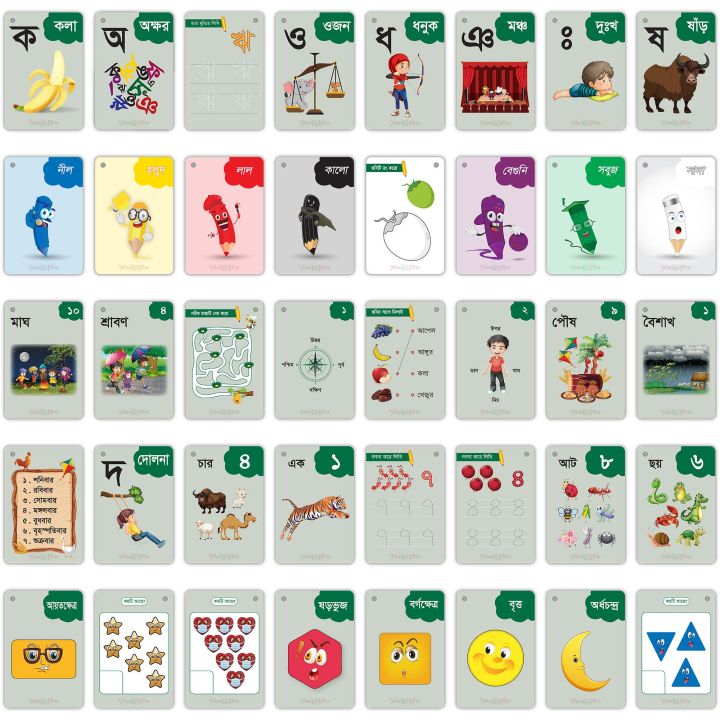
A pre school worksheet bangla functions as a specialized foundational resource designed to build early fine-motor control, correct stroke sequences, and character literacy for young learners mastering the Bengali script. According to the National Association for the Education of Young Children (NAEYC), developmentally appropriate early writing instruction must combine tactile exploration with structured mechanical repetition to establish long-term neural pathways for orthographic memory. Educators and parents utilize these targeted instructional layouts to guide children smoothly from gross-motor scribbling to precise letter formation. Utilizing preschool worksheets provides a structured entry point into Bengali typography, ensuring foundational hand muscles develop adequate endurance and dexterity.
Handwriting Practice Snapshot:
- Core Focus: Developing fine-motor precision and correct stroke sequencing for Bengali vowels and consonants.
- Target Scope: Early childhood education settings, homeschooling environments, and introductory literacy programs.
- Key Recommendation: Pair large-format tracing sheets with tactile multisensory tracing activities before moving to unlined paper.
Core Principles and Detailed Overview
Bengali script mechanics require distinct spatial awareness, top-down vertical stroke execution, and precise mastery of the horizontal baseline known as the matra. Direct neurological integration occurs when children trace systematic lines and curves repeatedly using structured tracing worksheets tailored to regional language structures. Fine-motor coordination relies heavily on the proper tripod grasp, which reduces hand fatigue and enhances writing speed during extended sessions. Educators incorporate various worksheets that isolate individual character components, such as loops, arches, and vertical pillars, allowing learners to master complex shapes sequentially rather than attempting entire letters simultaneously.
Key Specifications and Breakdown
| Skill Level / Grade | Target Stroke / Mechanical Focus | Pedagogical / Coaching Cue |
|---|---|---|
| Pre-Writing (Ages 3-4) | Horizontal, vertical, and diagonal lines; basic loops | Start at the top dot and pull straight down with controlled pressure. |
| Early Bengali Vowels (Ages 4-5) | Matra (top headline) construction and curved body shapes | Draw the straight headline first, then hang the character body securely underneath. |
| Advanced Consonants (Ages 5-6) | Proportional spacing, closed loops, and conjunct letter paths | Maintain uniform letter heights and ensure consistent spacing between adjacent characters. |
Proper tool selection and ergonomic positioning during early writing practice directly correlate with reduced muscular strain and improved legibility outcomes — American Occupational Therapy Association (AOTA)
Step-by-Step Practical Application and Guidelines
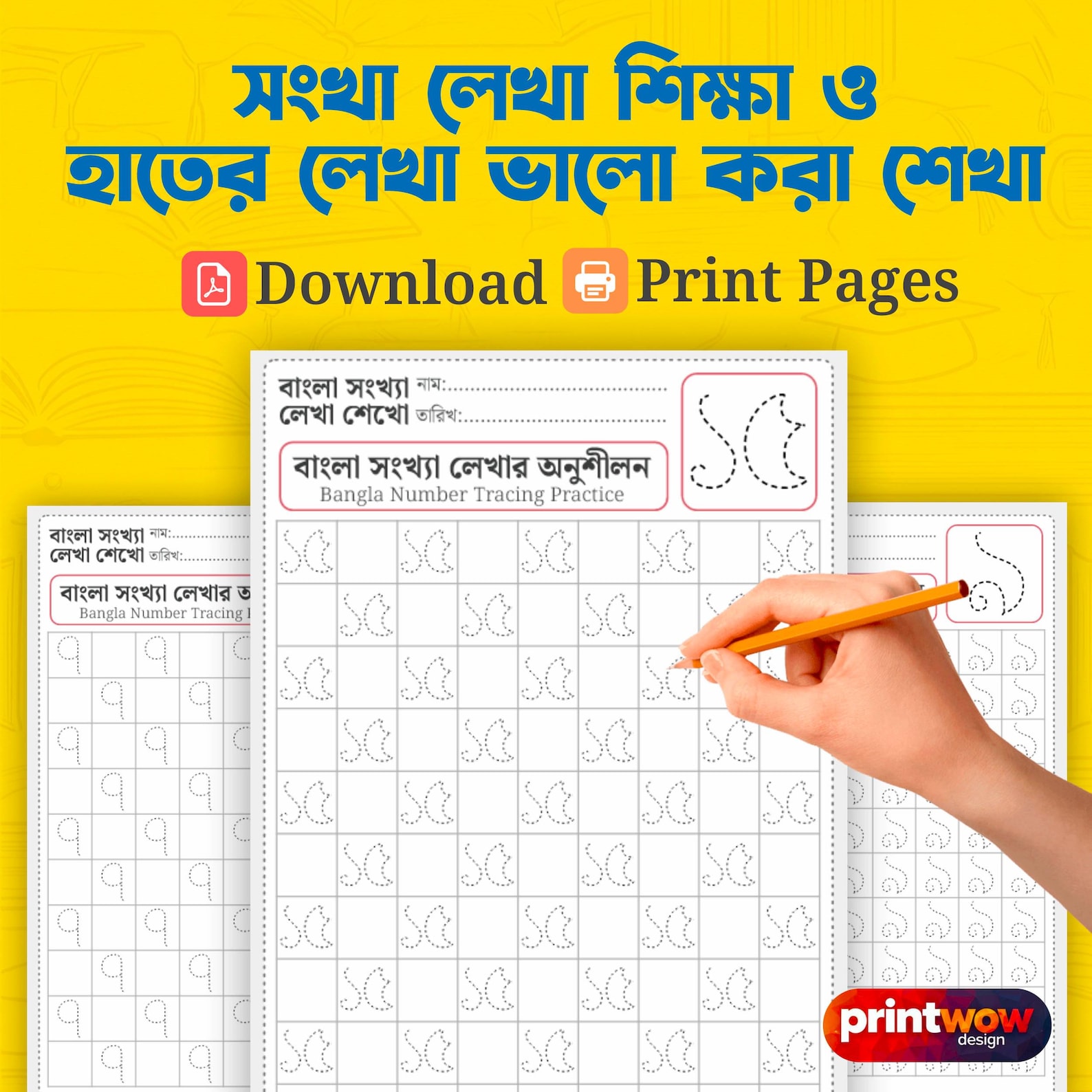
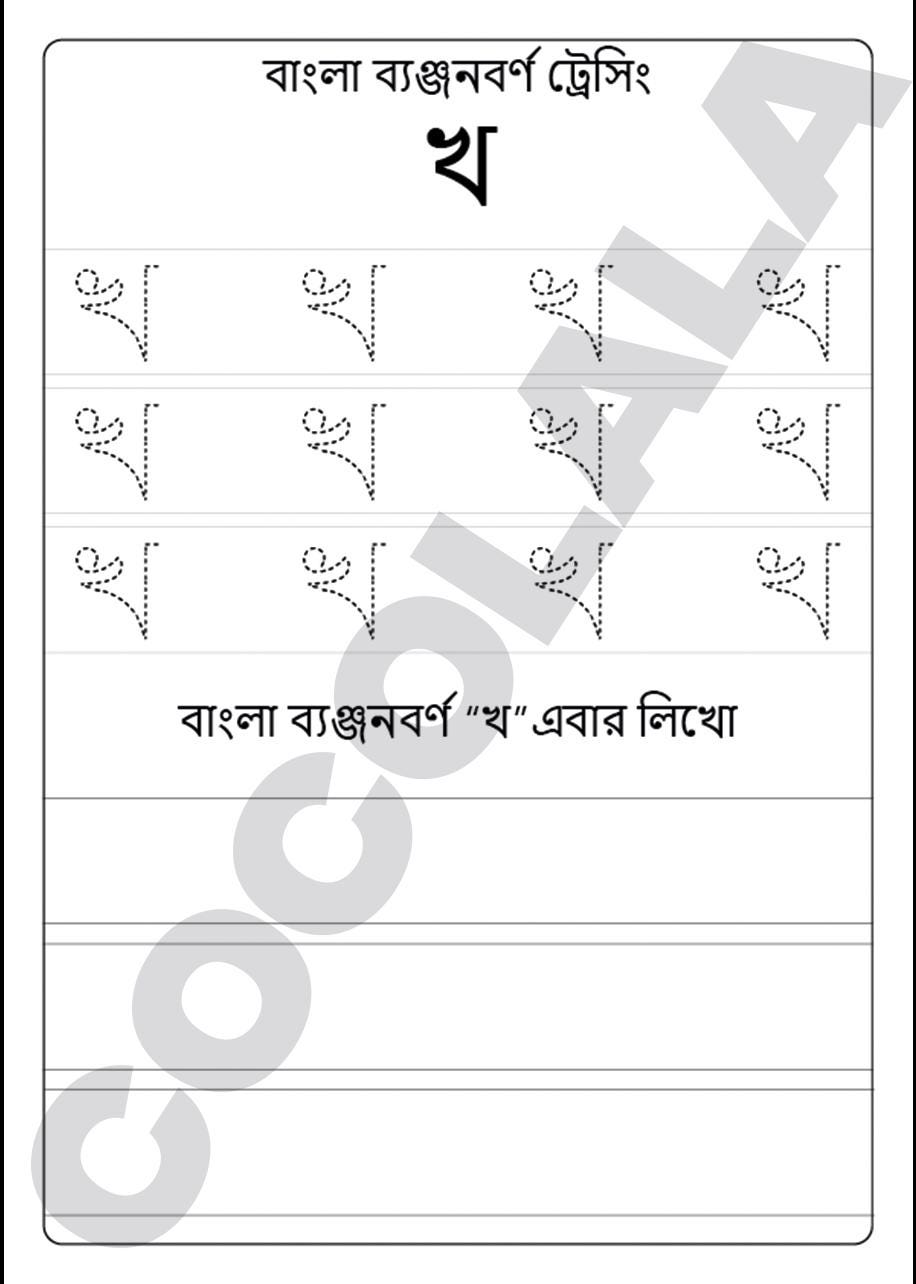
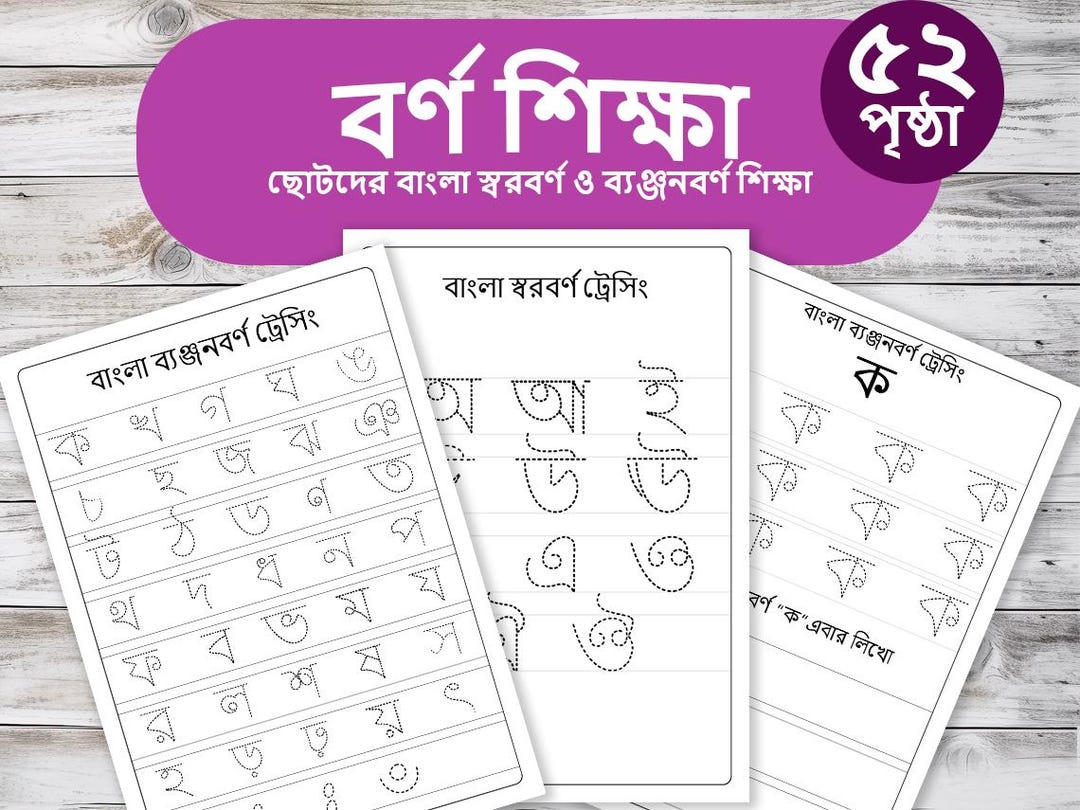
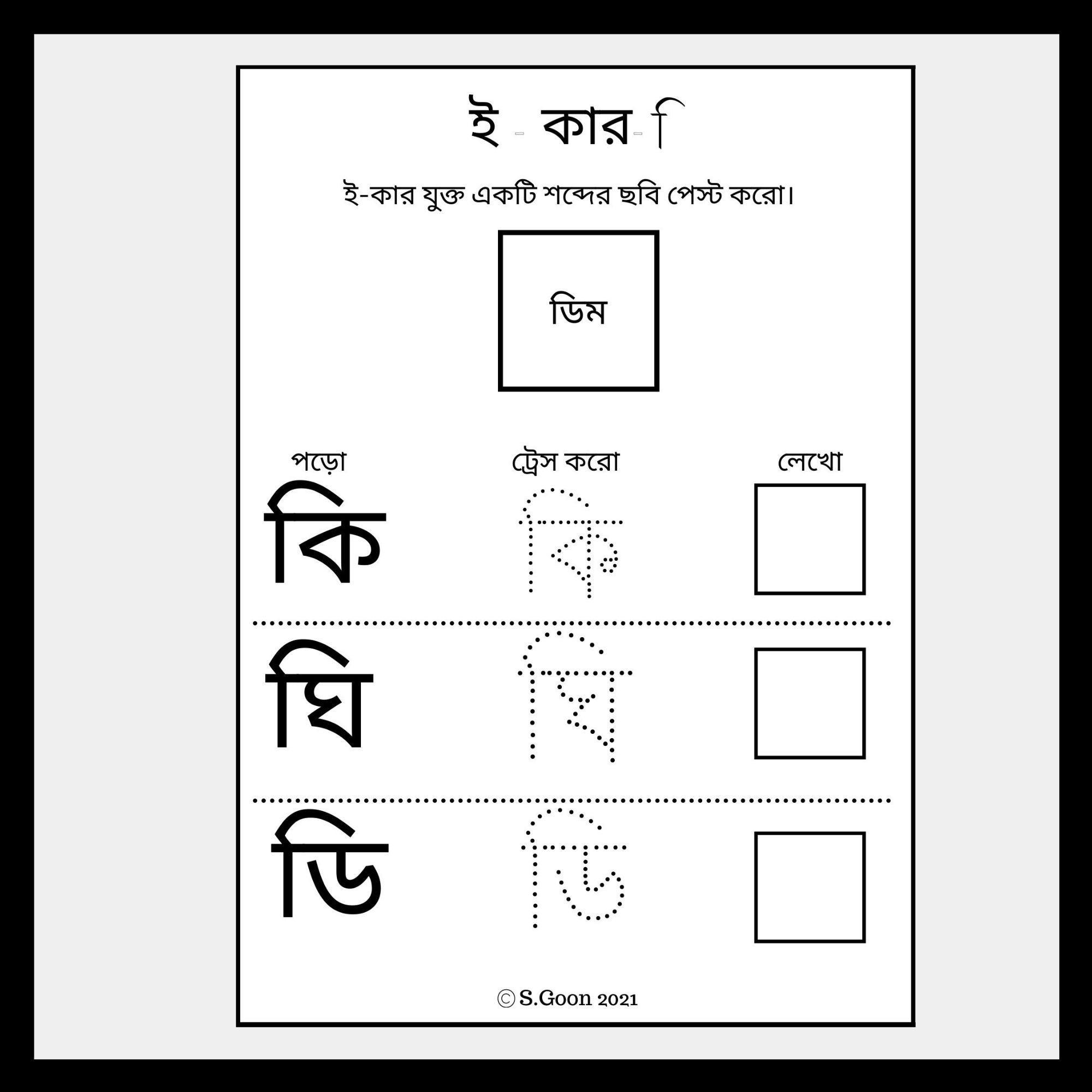
Implementing pre school worksheet bangla sequences effectively demands a gradual release of responsibility model, moving from guided physical hand-over-hand assistance to independent execution. Instructors begin by introducing pre-writing line patterns on oversized grids to build shoulder and elbow stability before transitioning to wrist and finger movements on standard print formats. Children then trace dashed-line Bengali characters while vocalizing the correct phonetic sound associated with each specific letterform. Reinforcing correct pencil pressure prevents paper tearing and builds optimal finger dexterity, setting a strong mechanical foundation for future letter writing worksheets.
Common Challenges and How to Avoid Them
Premature introduction of complex conjunct consonants often leads to frustrating reversals, incorrect stroke sequencing, and ingrained ergonomic bad habits among early learners. Children frequently attempt to draw letters from the bottom up or omit the critical top matra line entirely unless explicit directional arrows guide their pencil movement. Regular visual monitoring helps identify improper grip strength or awkward wrist bending before muscle memory hardens into permanent habits. Providing diverse engagement options, including coloring worksheets alongside standard writing drills, maintains high motivation levels and prevents fine-motor fatigue during intensive literacy lessons.
💬 Frequently Asked Questions
Explore More Free Handwriting and Character Worksheets
Accessing comprehensive educational resources empowers parents and educators to support early childhood literacy development effectively across multiple languages and skill levels. Explore the complete collection of structured exercises, practice sheets, and printable materials designed for early learners directly at CharacterWritingWorksheets.com to elevate daily instructional routines and foster lifelong handwriting proficiency.
Worksheet Previews & Reference Materials