Introduction
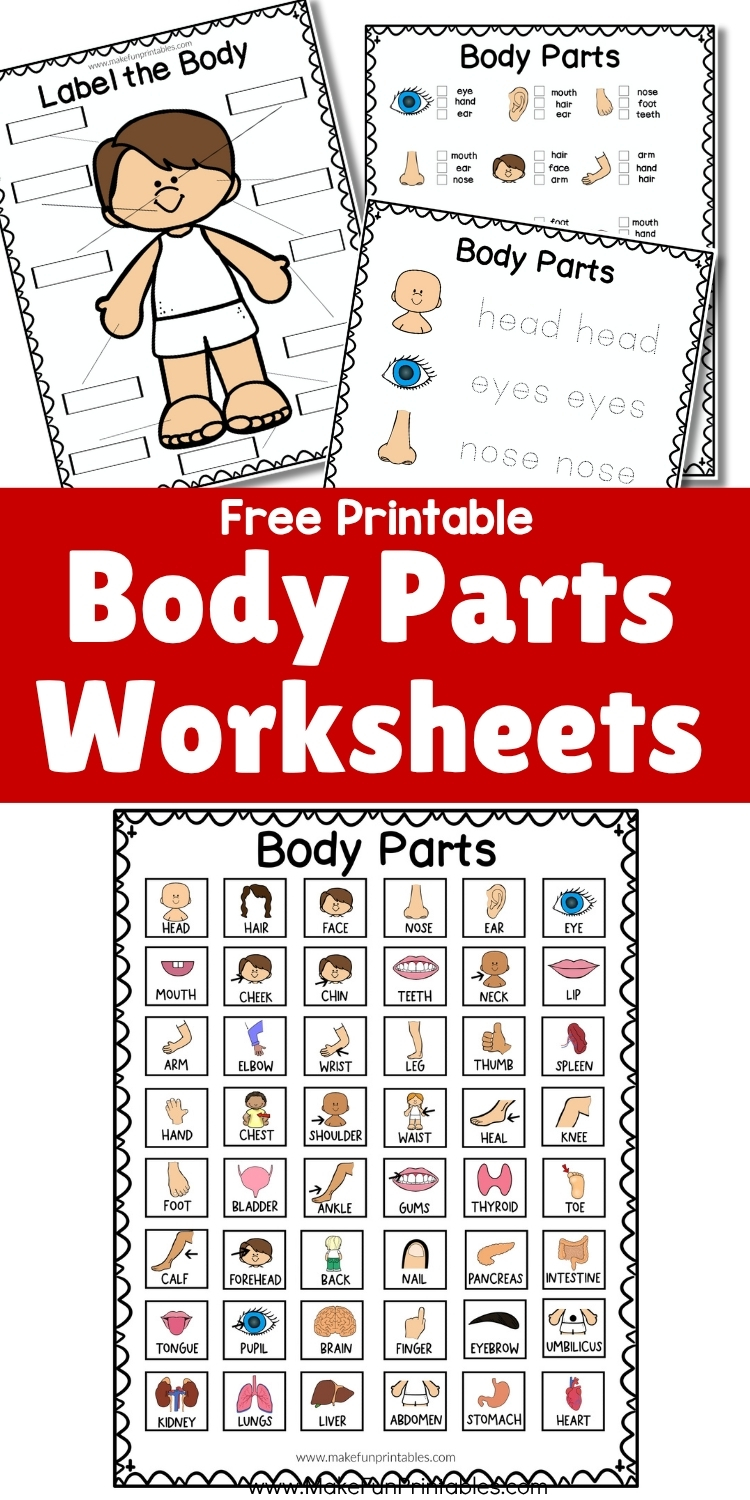
Preschool worksheets body parts utilize anatomical identification tasks to reinforce fine-motor control, hand-eye coordination, and pre-writing stroke formation. According to the National Association for the Education of Young Children (NAEYC), purposeful manipulation of writing tools during early childhood activities significantly enhances foundational neuromuscular pathways required for future academic success. Educators and caregivers frequently integrate specialized preschool worksheets to combine vocabulary acquisition with essential pencil-grip practice. Early learners map the physical self onto the page while developing the exact dexterity needed for precise letter-writing tasks.
Handwriting Practice Snapshot:
- Core Focus: Integrating anatomical vocabulary with fine-motor stroke development on paper.
- Target Scope: Early childhood learners developing foundational grip and pencil pressure control.
- Key Recommendation: Pair tracing activities with physical self-pointing to reinforce spatial body awareness.
Core Principles and Detailed Overview
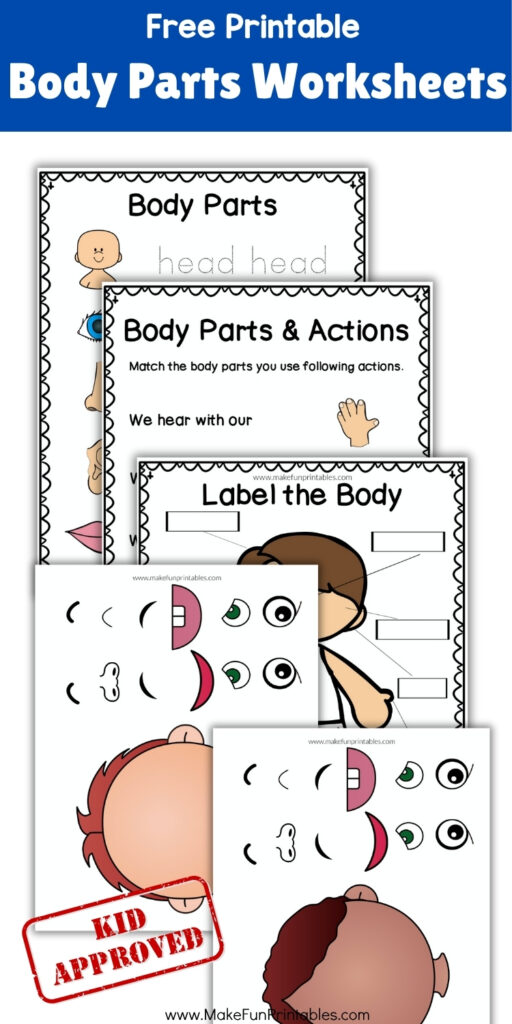
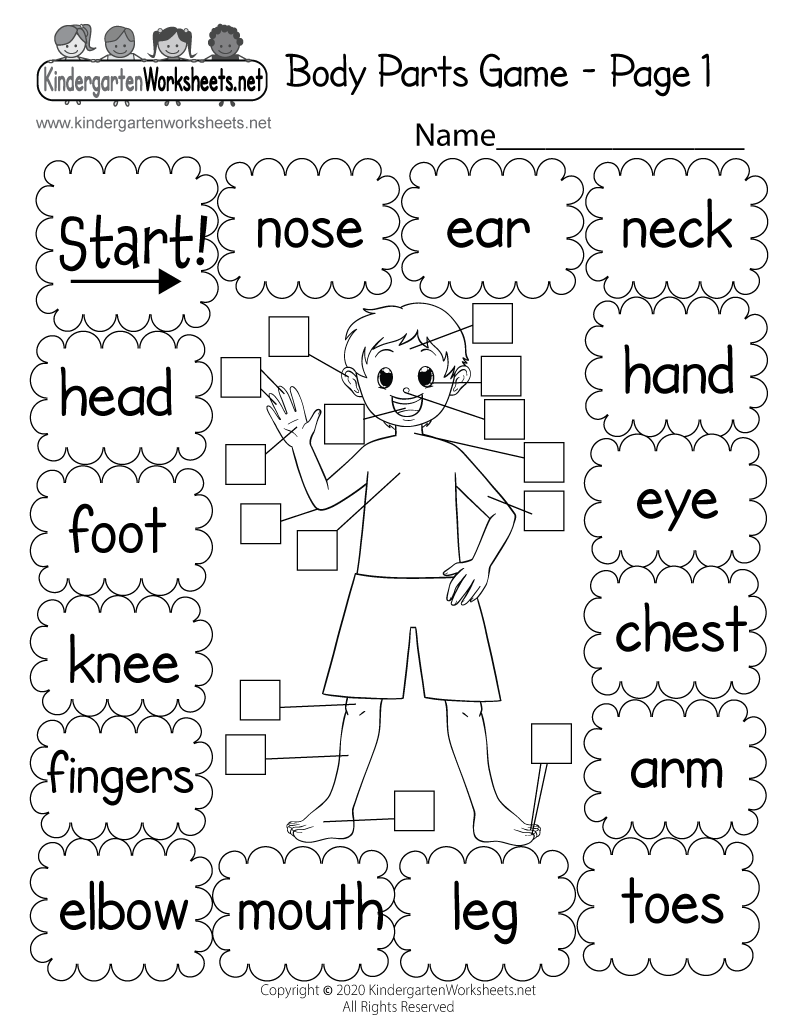
Anatomical tracing templates merge cognitive body schema awareness with the physical mechanics of handwriting. Direct answer: These specialized templates guide young hands through curved and linear strokes that mimic the natural contours of limbs, torsos, and facial features. As children trace lines connecting labels to specific anatomy, they practice directional control, stopping points, and fluid motion. This methodology supports broader literacy skills by transitioning gross motor body awareness into controlled, localized finger movements. Incorporating structural tracing worksheets ensures that students build spatial orientation alongside vocabulary mastery.
Key Specifications and Breakdown
| Skill Level / Grade | Target Stroke / Mechanical Focus | Pedagogical / Coaching Cue |
|---|---|---|
| Early Preschool (Age 3) | Vertical lines and large concentric circles | “Start at the top of the head and pull straight down.” |
| Mid Preschool (Age 4) | Diagonal slants and curved matching paths | “Trace slowly from the elbow to the fingertips.” |
| Transition Kindergarten (Age 5) | Horizontal alignment and label tracing | “Keep the wrist steady while writing the vocabulary word.” |
Early childhood fine-motor development relies on integrated sensorimotor experiences that connect spatial awareness of the physical body with direct pencil-and-paper manipulation tasks — American Occupational Therapy Association (AOTA)
Step-by-Step Practical Application and Guidelines
Effective execution of anatomical writing activities requires a structured progression from physical movement to precise paper tasks. Direct answer: Instructors should first have children touch their own physical body parts before locating and tracing those exact features on printed material. Begin by establishing a proper tripod grasp, ensuring the pencil rests comfortably against the middle finger while stabilized by the thumb and index finger. Guide the child’s pencil along dotted lines from left to right and top to bottom, reinforcing standard reading and writing directions. Educators should routinely utilize coloring worksheets to build endurance before transitioning to intricate letter writing worksheets.
Common Challenges and How to Avoid Them
Excessive hand fatigue and improper pencil grip represent the most frequent obstacles encountered during early writing sessions. Direct answer: Prevent muscle strain by limiting focused tracing exercises to short, ten-minute intervals and correcting awkward thumb-wrapping habits immediately. If a child presses too hard, switch to softer lead pencils or thicker crayons that provide immediate tactile feedback without requiring heavy pressure. Maintaining proper posture with feet flat on the floor ensures stable core support, allowing hands and fingers to execute delicate strokes smoothly across name practice worksheets and anatomical charts alike.
💬 Frequently Asked Questions
Explore More Free Handwriting and Character Worksheets
Comprehensive educational resources support every stage of early childhood development, from foundational motor skills to advanced literacy. Educators and parents can access a vast library of instructional materials directly through the central portal at CharacterWritingWorksheets.com to enhance daily handwriting curricula.
Worksheet Previews & Reference Materials