Introduction
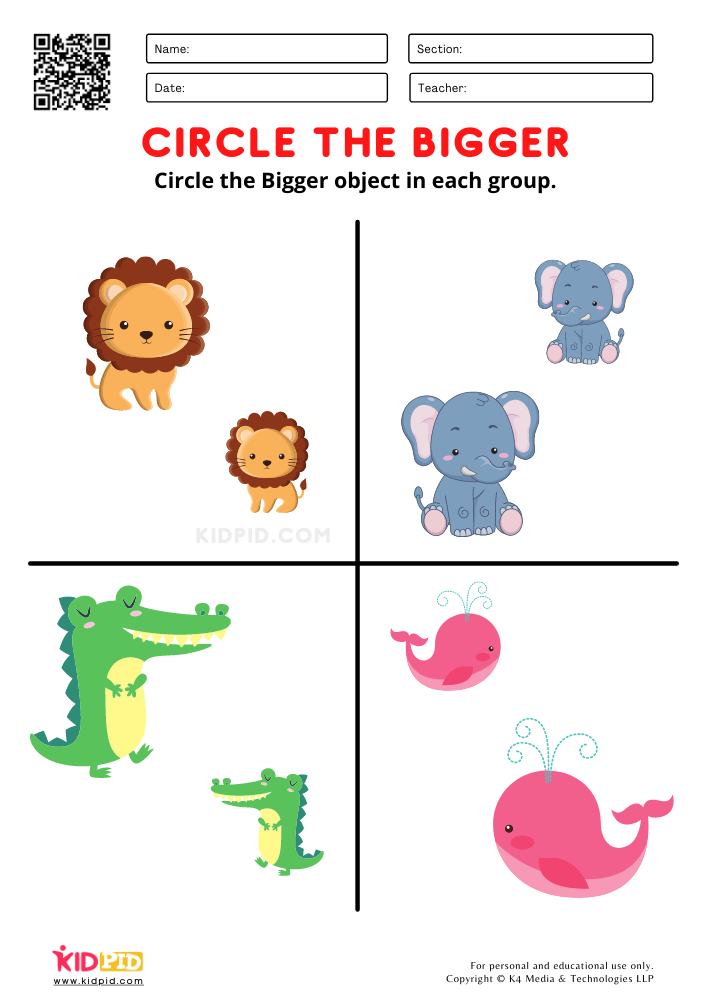
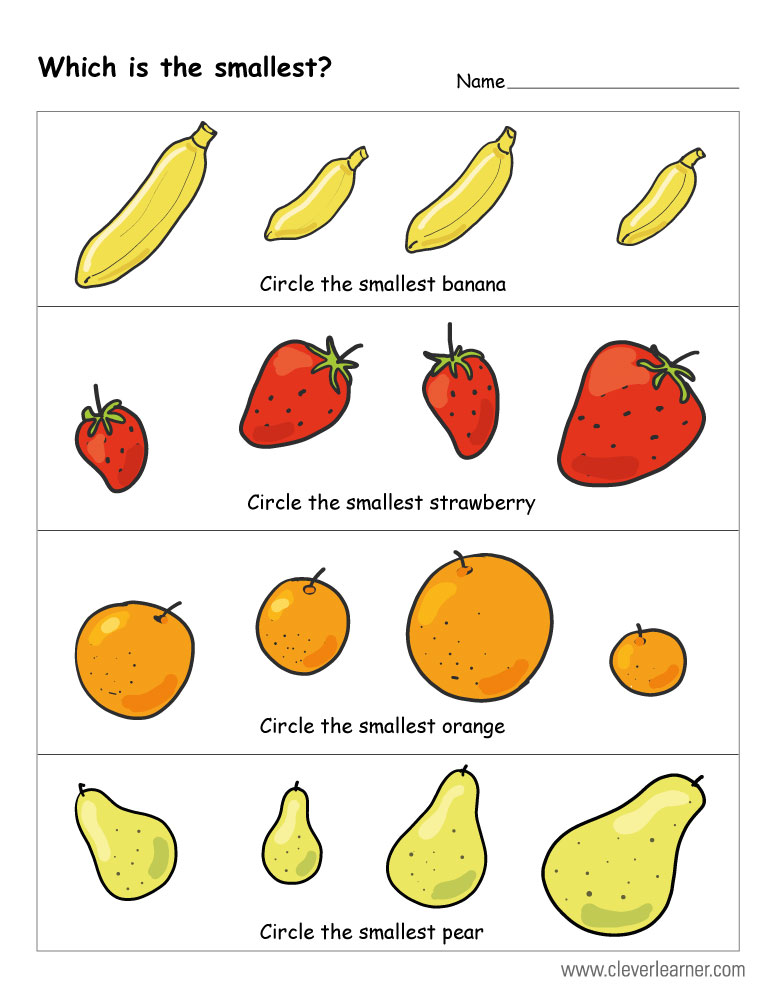
Preschool worksheets big and small serve as foundational instructional tools that bridge gross motor development with precise fine-motor control required for letter formation and character mastery. According to the National Association for the Education of Young Children (NAEYC), purposeful manipulation of scaled writing instruments and contrasting geometric templates directly enhances spatial awareness and finger dexterity in early childhood development. Educators and caregivers utilize structured preschool worksheets to transition children from large-scale arm movements to refined wrist and finger articulations. Establishing early visual-spatial processing prevents pencil-grip fatigue and lays the mechanical groundwork for legible, fluent handwriting across diverse worksheets.
Handwriting Practice Snapshot:
- Core Focus: Utilizing scaled sizing contrasts (big and small) to transition motor control from large muscle groups to precise finger-pincer coordination.
- Target Scope: Early childhood settings, kindergarten preparation classes, and home-based occupational therapy regimens.
- Key Recommendation: Always pair large macro-scale tracing drills with micro-scale letter formation tasks to reinforce proportional consistency.
Core Principles and Detailed Overview
Preschool worksheets big and small operate on the principle of progressive motor scaling, moving children systematically from macro-graphic arm strokes to micro-graphic letter production. Mastering stroke sequence requires spatial boundaries that accommodate developing neurological pathways and visual tracking capabilities. Initial instruction begins on oversized templates found within specialized tracing worksheets, allowing learners to engage shoulder and elbow joints without restrictive wrist tension. As muscle memory solidifies, learners scale down to compact letter writing worksheets that require localized finger adjustments and strict adherence to baseline alignment principles.
Key Specifications and Breakdown
| Skill Level / Grade | Target Stroke / Mechanical Focus | Pedagogical / Coaching Cue |
|---|---|---|
| Early Preschool (Ages 3-4) | Macro-vertical and horizontal strokes, continuous curves | “Big arm movements from the shoulder; keep the elbow lifted.” |
| Mid Preschool (Ages 4-5) | Proportional scaling between oversized and standard grids | “Match the small box inside the big frame; control the wrist.” |
| Late Preschool / Kindergarten | Micro-formation, baseline placement, directional consistency | “Keep pencil tips anchored; write lightly on the lower baseline.” |
Optimal grasp development and fine-motor control emerge through structured activities that scale writing boundaries from macro-motor arm movements to micro-motor finger articulations. — American Occupational Therapy Association (AOTA)
Step-by-Step Practical Application and Guidelines
Implementing size-contrasted resources requires a sequential teaching methodology that prioritizes large-scale kinesthetic awareness before demanding minute visual precision. Initial sessions begin with oversized vertical canvases or floor-mounted prompt sheets where learners trace massive geometric shapes and character outlines. Transitioning down to standard printed pages involves pairing big and small variations on a single sheet, prompting visual comparison of heights and baseline anchors. Consistent daily exposure to focused name practice worksheets and complementary coloring worksheets reinforces bilateral hand coordination, pencil pressure regulation, and spatial discipline.
Common Challenges and How to Avoid Them
Frequent mechanical errors during early writing instruction stem from premature exposure to small-format writing lines before shoulder and core stability are fully established. Instructors often observe excessive grip tension, hand fatigue, and letter size distortion when learners skip the crucial macro-scaling phase of graphic development. Mitigating these hurdles requires immediate intervention through modified writing tools, vertical surface practices, and frequent physical breaks to reset muscle tone. Ensuring that children alternate between expansive gross-motor drawing sheets and delicate character formation templates prevents bad habits and encourages sustained concentration.
💬 Frequently Asked Questions
Explore More Free Handwriting and Character Worksheets
Accessing comprehensive educational resources empowers educators and parents to build robust foundational writing skills through targeted, printable exercises. Browse the entire digital library available at CharacterWritingWorksheets.com to discover expertly designed materials tailored for every stage of early childhood literacy development.
Worksheet Previews & Reference Materials