Introduction
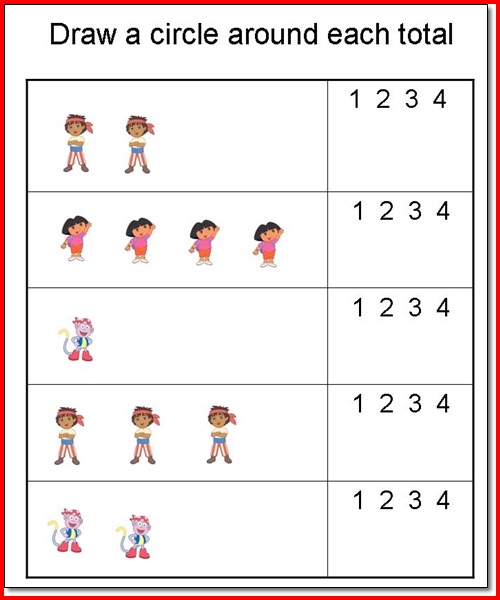
A preschool worksheets book provides structured, sequential guidance designed to develop early fine-motor control, pencil grip mechanics, and letter formation in young children. According to the National Association for the Education of Young Children (NAEYC), developmentally appropriate practice requires embedding physical motor skill development into structured, play-informed learning materials rather than forcing static drill instruction. Utilizing targeted preschool worksheets builds foundational spatial awareness and muscle memory necessary for future academic success. Educators and caregivers can transform isolated writing exercises into engaging daily routines by selecting binding collections that progress logically from gross motor pre-writing shapes to controlled letter formation.
Handwriting Practice Snapshot:
- Core Focus: Systematic stroke sequencing, pencil grasp stabilization, and early character mastery.
- Target Scope: Early childhood classrooms, home learning environments, and occupational therapy interventions.
- Key Recommendation: Pair structured page sequences with multi-sensory tracing tools to reinforce tactile feedback.
Core Principles and Detailed Overview
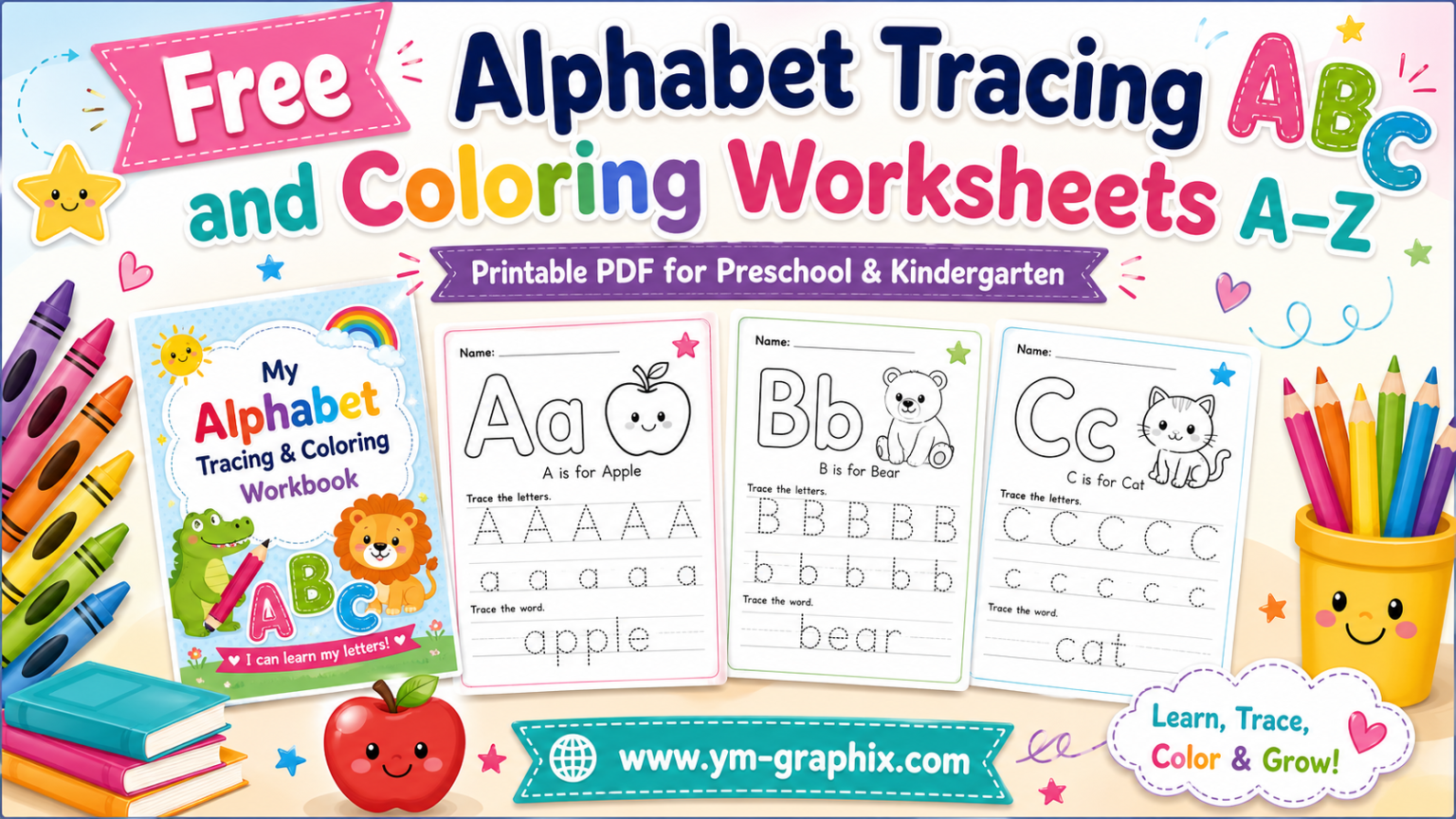
Handwriting mechanics in early childhood depend on progressive mastery of pre-writing strokes, directional consistency, and proper bilateral hand integration. A comprehensive preschool worksheets book establishes a deliberate progression starting with vertical lines, horizontal paths, and intersecting crosses before transitioning into complex diagonal shapes and uppercase letter forms. This structured methodology aligns with established tracing worksheets that isolate individual stroke movements, reducing cognitive load and preventing bad postural habits. Integrating targeted coloring worksheets further strengthens intrinsic hand muscles, which directly improves endurance and letter legibility across extended writing tasks.
Key Specifications and Breakdown
| Skill Level / Grade | Target Stroke / Mechanical Focus | Pedagogical / Coaching Cue |
|---|---|---|
| Early Preschool (Ages 3-4) | Vertical, horizontal, and circular pre-writing lines | “Start at the top sky line and pull straight down to the ground.” |
| Mid Preschool (Ages 4-5) | Diagonal slants, crosses, and foundational capital letters | “Keep the pencil moving forward without lifting until the corner.” |
| Late Preschool (Ages 5-6) | Continuous stroke control and targeted letter writing worksheets | “Anchor the helper hand on the page while the writing hand glides.” |
Dynamic finger dexterity, intrinsic muscle strength, and bilateral coordination serve as mandatory physiological precursors to functional pencil control and legible handwriting production — American Occupational Therapy Association (AOTA)
Step-by-Step Practical Application and Guidelines
Implementing a preschool worksheets book effectively requires deliberate pacing, ergonomic monitoring, and multisensory reinforcement during every session. Begin each practice block by inspecting the child’s tripod grasp, ensuring the thumb and index finger pinch the writing instrument while resting securely on the middle finger. Introduce single pages in short, ten-minute increments to maintain high concentration and prevent hand fatigue. Guide the learner to verbalize stroke directions aloud while tracing, transforming visual patterns into auditory cues that lock into cognitive memory. Supplement standard pencil exercises with kinesthetic warm-ups, such as sky-writing the target letter before putting graphite to paper, to bridge gross and fine motor pathways effectively.
Common Challenges and How to Avoid Them
Premature fatigue, incorrect pencil grips, and reversing letter formations represent the most frequent obstacles encountered when children navigate early writing materials. Educators and parents must correct tight fist grasps immediately before permanent muscle memory locks poor mechanics into place. If a child demonstrates frustration or declining line quality, reduce session duration and incorporate alternative practice avenues such as name practice worksheets paired with tactile sand trays. Avoid overwhelming learners with dense page layouts; instead, reveal individual activities sequentially to foster sustained engagement and boost self-efficacy.
💬 Frequently Asked Questions
Explore More Free Handwriting and Character Worksheets
Mastering early literacy mechanics requires access to diverse, high-quality instructional materials that adapt to every developing learner. Explore the extensive resource library available at CharacterWritingWorksheets.com to discover specialized printables, targeted practice books, and expert guidance designed to build lifelong writing confidence.
Worksheet Previews & Reference Materials