Introduction
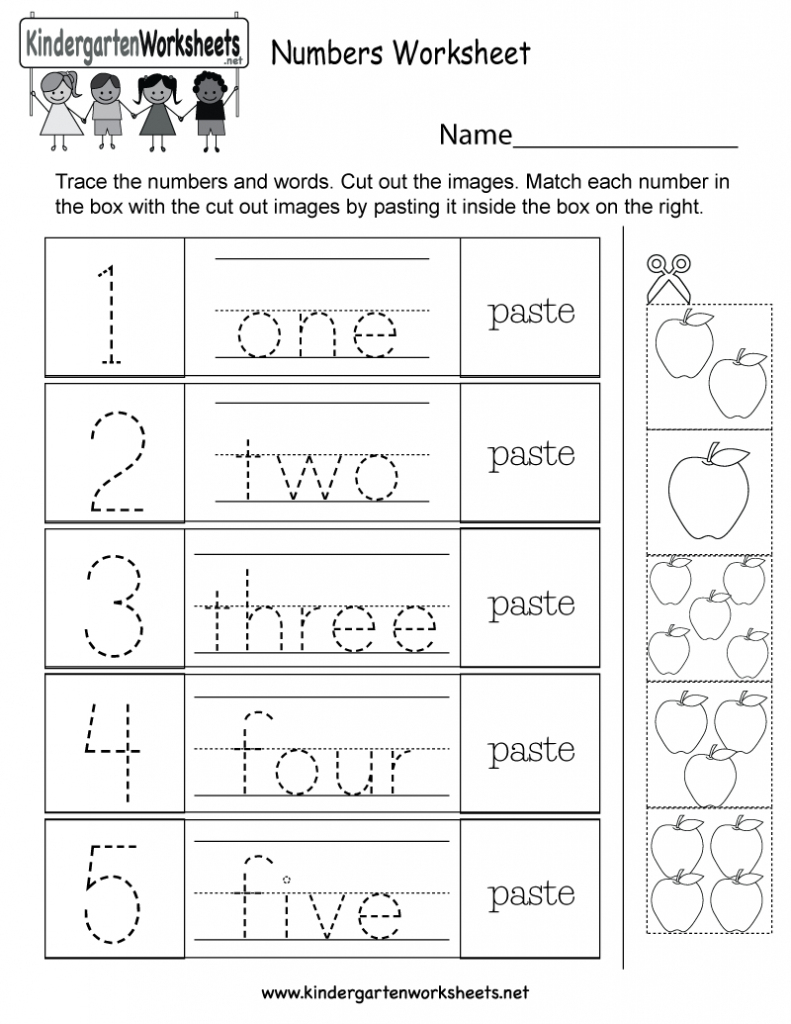
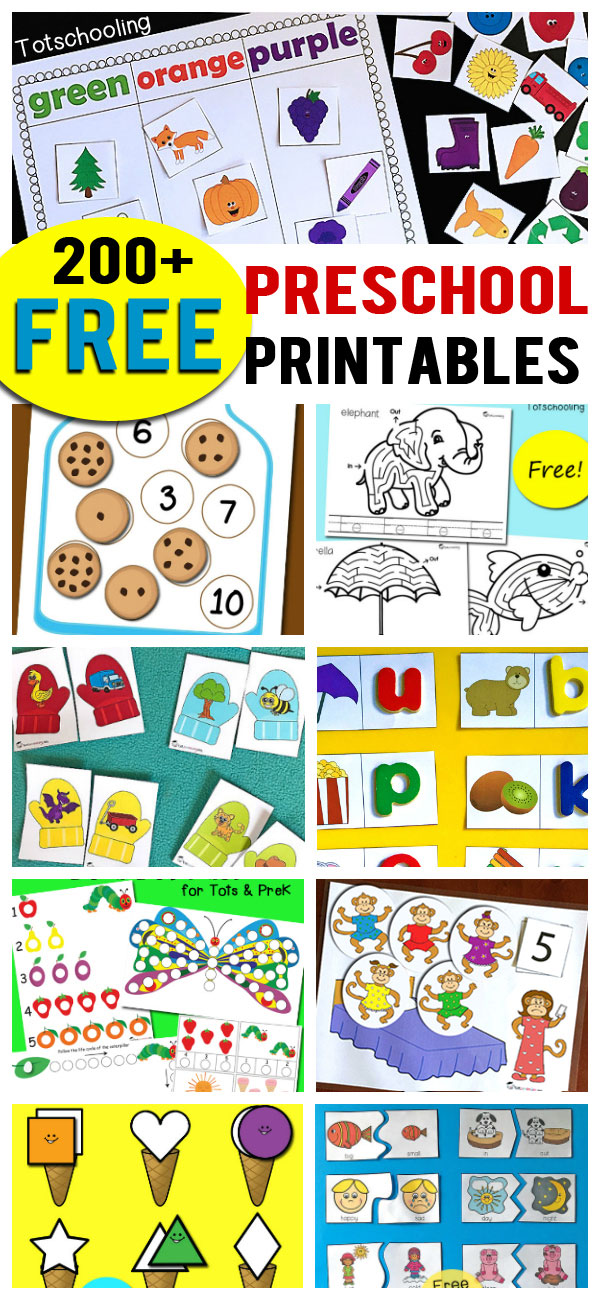
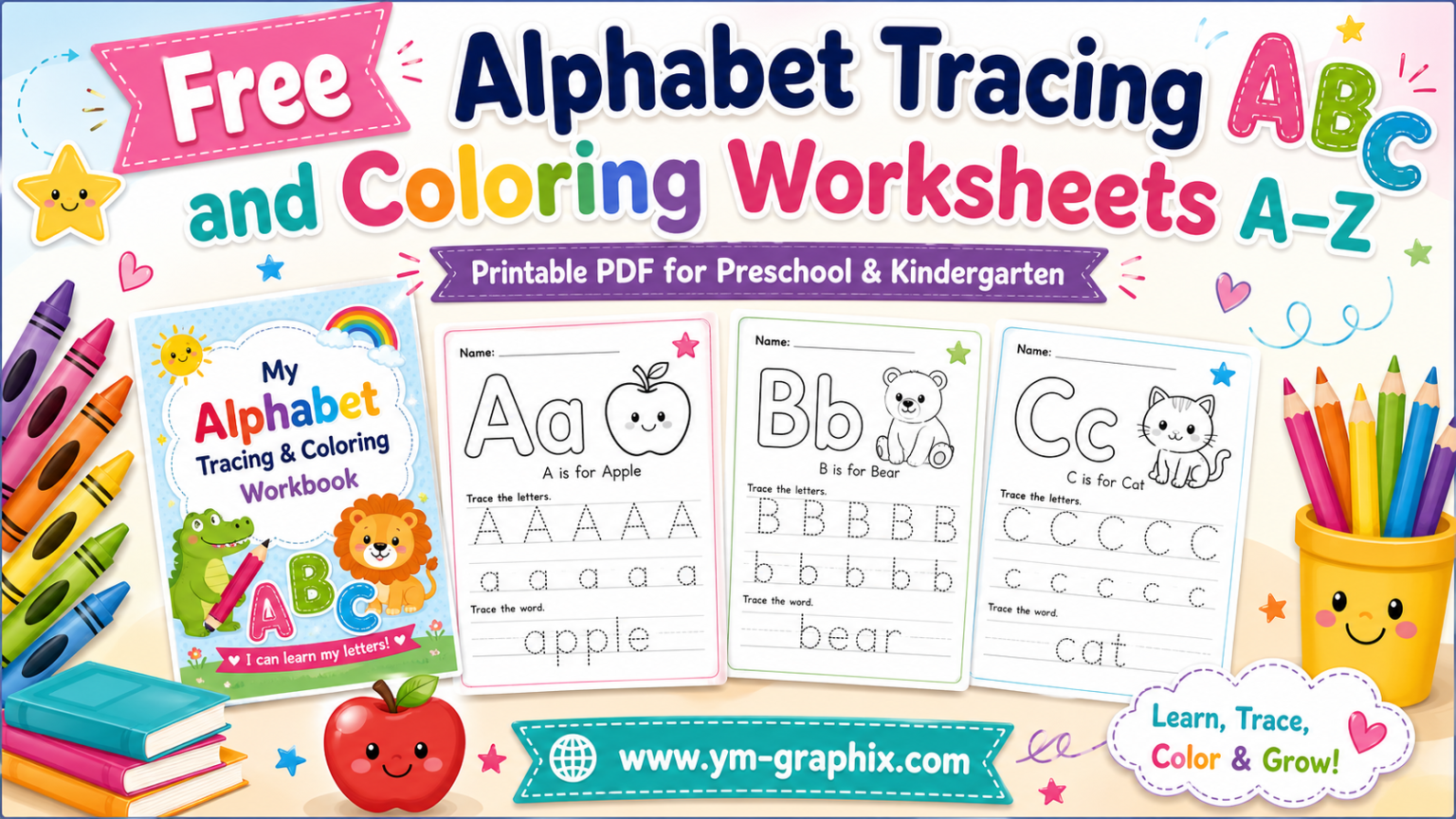
Preschool worksheets age 2 3 pdf free download english provide structured, printable early literacy resources specifically designed to build foundational fine-motor skills, basic stroke control, and letter awareness in toddlers. According to the National Association for the Education of Young Children (NAEYC), developmentally appropriate early childhood education must prioritize sensory-rich, hands-on motor skill acquisition before expecting formal handwriting output. Utilizing these downloadable materials equips educators, homeschoolers, and parents with accessible tools that bridge the gap between gross-motor movement and precise pencil control. Integrating comprehensive preschool worksheets during early childhood development ensures children build essential hand-eye coordination and spatial awareness necessary for future academic success.
Handwriting Practice Snapshot:
- Core Focus: Early childhood printable materials targeting pre-writing strokes, fine-motor coordination, and English letter recognition.
- Target Scope: Toddlers and early learners aged 2 to 3 years old in home and classroom environments.
- Key Recommendation: Prioritize large horizontal lines, circular motions, and sensory integration before introducing standard manuscript letter formation.
Core Principles and Detailed Overview
Foundational handwriting mechanics for toddlers aged two and three rely entirely on developing proximal shoulder stability, forearm rotation, and precise digital-palmar grasps through targeted pre-writing practice sheets. Direct engagement with structured English literacy templates teaches toddlers the directional flow of print from left to right and top to bottom. Selecting appropriate printable media requires examining stroke complexity, line thickness, and visual clutter to prevent cognitive overload in early learners. Utilizing foundational tracing worksheets establishes the vital muscle memory needed to transition from random scribbling to deliberate, controlled line generation.
Key Specifications and Breakdown
| Skill Level / Grade | Target Stroke / Mechanical Focus | Pedagogical / Coaching Cue |
|---|---|---|
| Age 2 (Beginner) | Vertical lines, horizontal lines, and continuous circular scribbles | Encourage gross arm movements and fist or transitional digital grasps. |
| Age 2.5 (Intermediate) | Cross shapes, diagonal slashes, and zig-zag pattern paths | Guide the writing utensil smoothly from top anchor points to bottom targets. |
| Age 3 (Advanced Beginner) | Curved paths, simple loops, and early uppercase character contours | Promote a three-finger tripod grasp without excessive finger tension. |
Developmental hand skill acquisition requires prioritizing proximal stability, bilateral integration, and controlled palmar arch development before demanding fine-motor pencil precision — American Occupational Therapy Association (AOTA)
Step-by-Step Practical Application and Guidelines
Effective implementation of early literacy materials involves preparing a stable workspace, selecting appropriately sized writing tools, and demonstrating correct stroke paths before letting children practice independently. Begin by printing out selected sheets on heavy cardstock or slipping standard paper into transparent dry-erase pouches to allow multiple attempts without tearing. Observe the child’s grip mechanics closely, ensuring the wrist remains neutral and the paper is slightly tilted to match natural hand rotation angles. Complementing these structured sheets with engaging coloring worksheets further strengthens hand muscles through unstructured, creative pigment application.
Common Challenges and How to Avoid Them
Common obstacles in early childhood handwriting instruction include premature enforcement of strict tripod grips, utilizing overly complex character templates, and maintaining practice sessions that exceed short toddler attention spans. Forcing a mature pencil grasp before the intrinsic hand muscles are fully developed causes hand fatigue, frustration, and eventual aversion to writing tasks. Educators and parents must keep practice sessions brief—lasting no longer than five to ten minutes per day—while celebrating small motor milestones and focusing entirely on directional stroke execution rather than visual perfection.
💬 Frequently Asked Questions
Explore More Free Handwriting and Character Worksheets
Accessing comprehensive, high-quality educational resources ensures that young learners receive structured, progressive support throughout every stage of early childhood literacy development. Educators, homeschoolers, and parents can explore the complete library of printable resources, including specialized letter writing worksheets and customizable name practice worksheets, by visiting CharacterWritingWorksheets.com.
Worksheet Previews & Reference Materials