Introduction
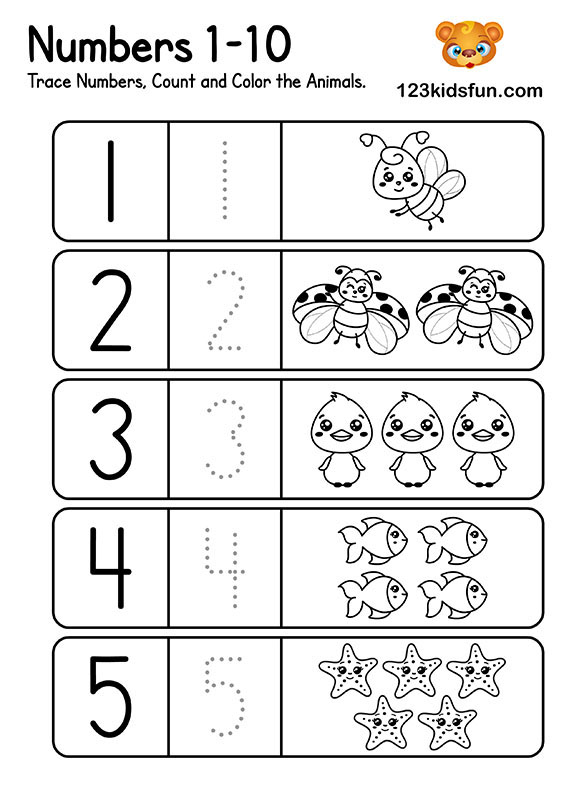
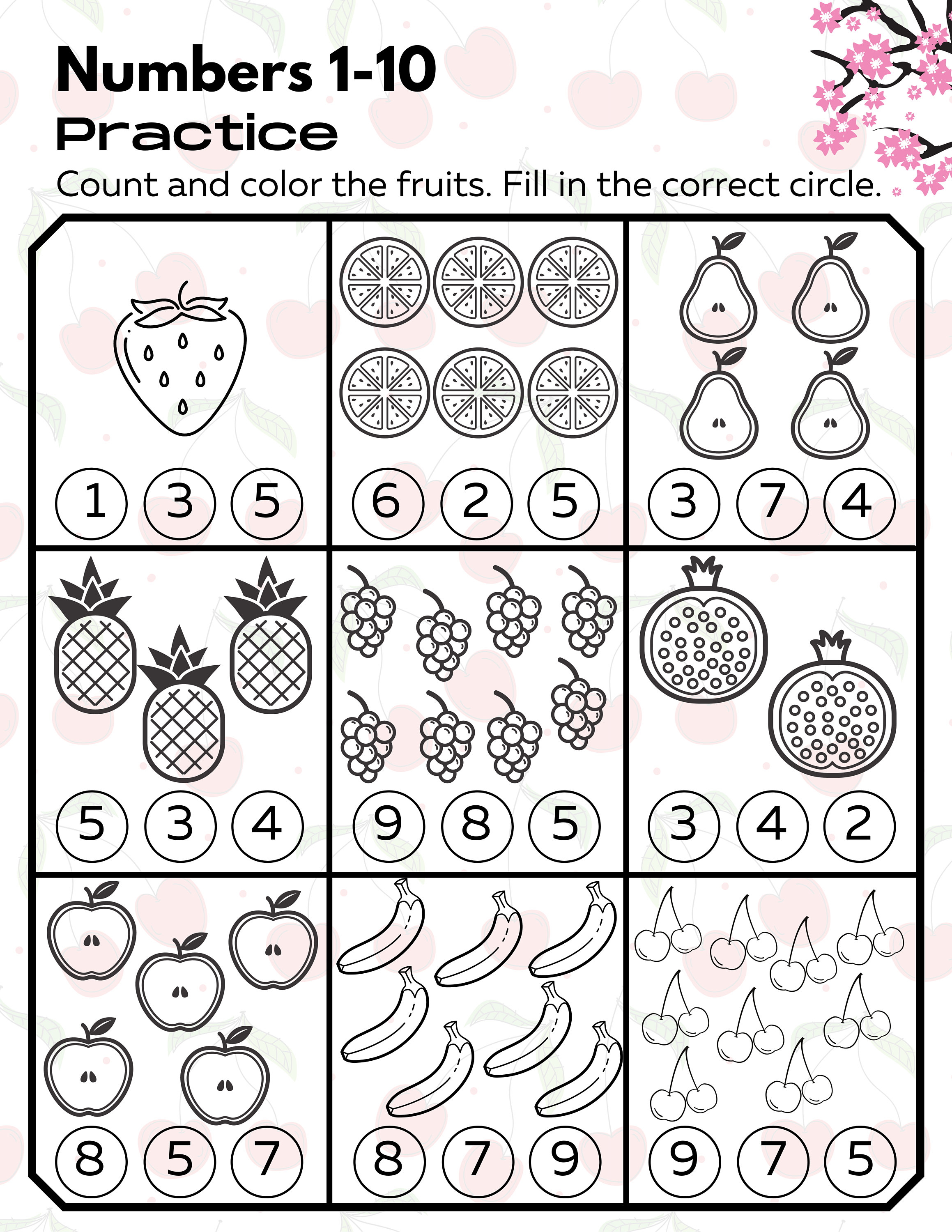
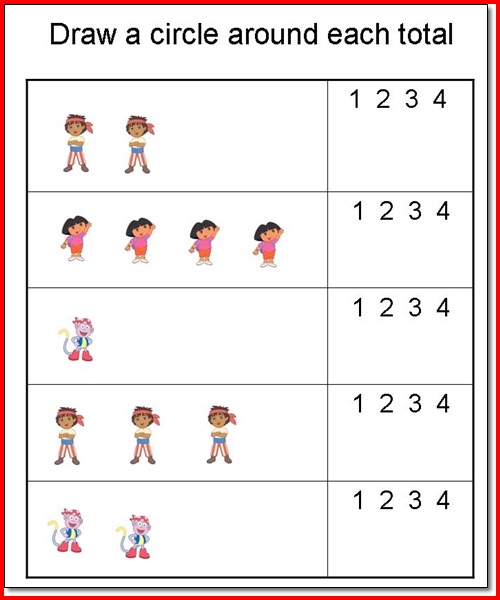
Preschool worksheets numbers serve as foundational pedagogical tools designed to bridge early numerical cognition with foundational fine-motor control, pencil grasp development, and accurate stroke sequencing. According to the National Association for the Education of Young Children (NAEYC), purposeful early childhood writing and drawing experiences build the neurological pathways essential for both mathematical literacy and letter formation. Educators and parents utilize structured number-tracing resources to transform abstract numerical symbols into concrete motor memories. Integrating these targeted printables alongside preschool worksheets ensures young learners develop proper muscle memory, correct pencil pressure, and spatial awareness before transitioning to formal writing.
Handwriting Practice Snapshot:
- Core Focus: Early numerical formation, stroke directionality, and fine-motor coordination.
- Target Scope: Pre-kindergarten classrooms, early childhood centers, and homeschool environments.
- Key Recommendation: Pair numerical tracing sheets with kinesthetic pre-writing activities to solidify cognitive memory.
Core Principles and Detailed Overview
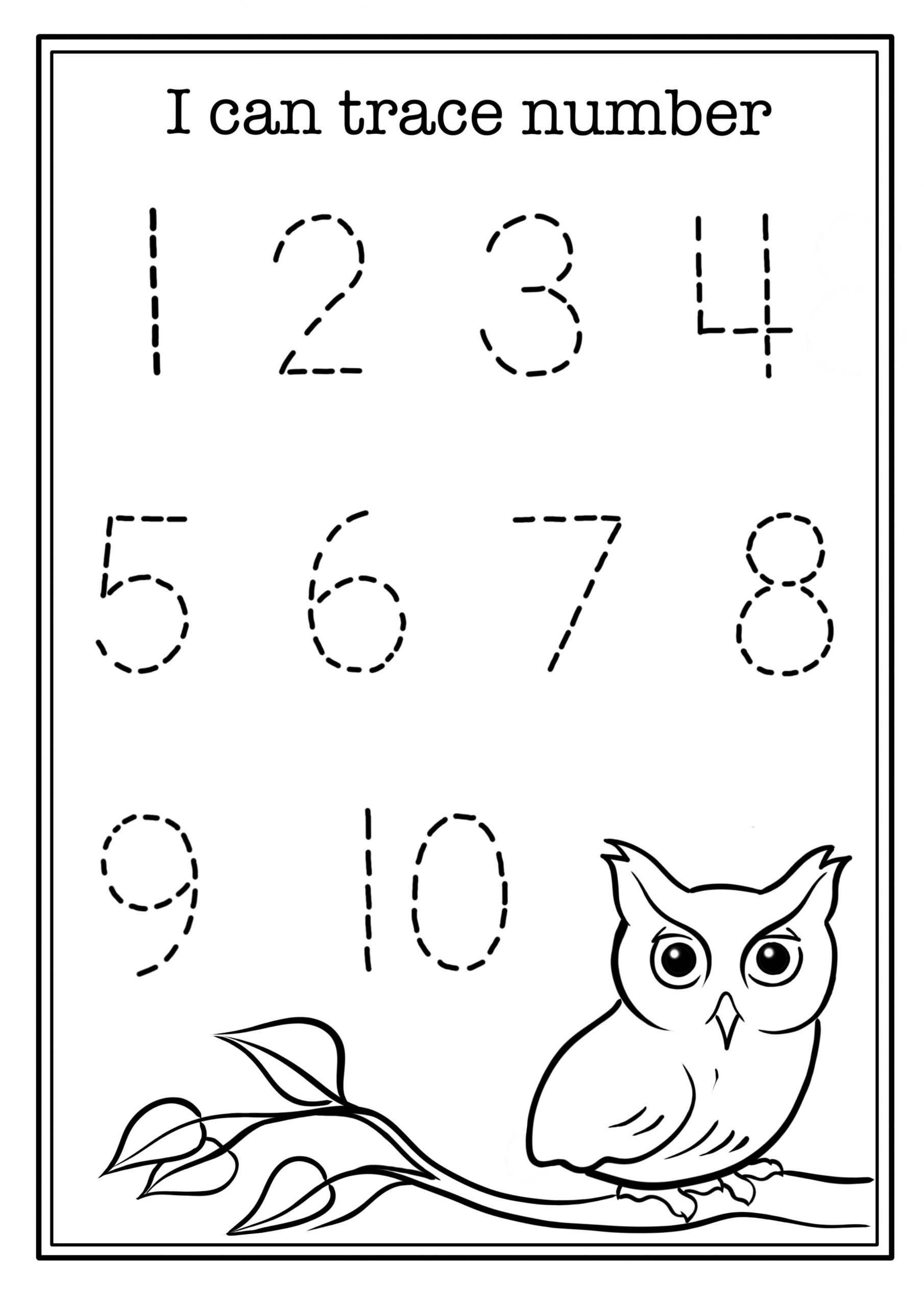
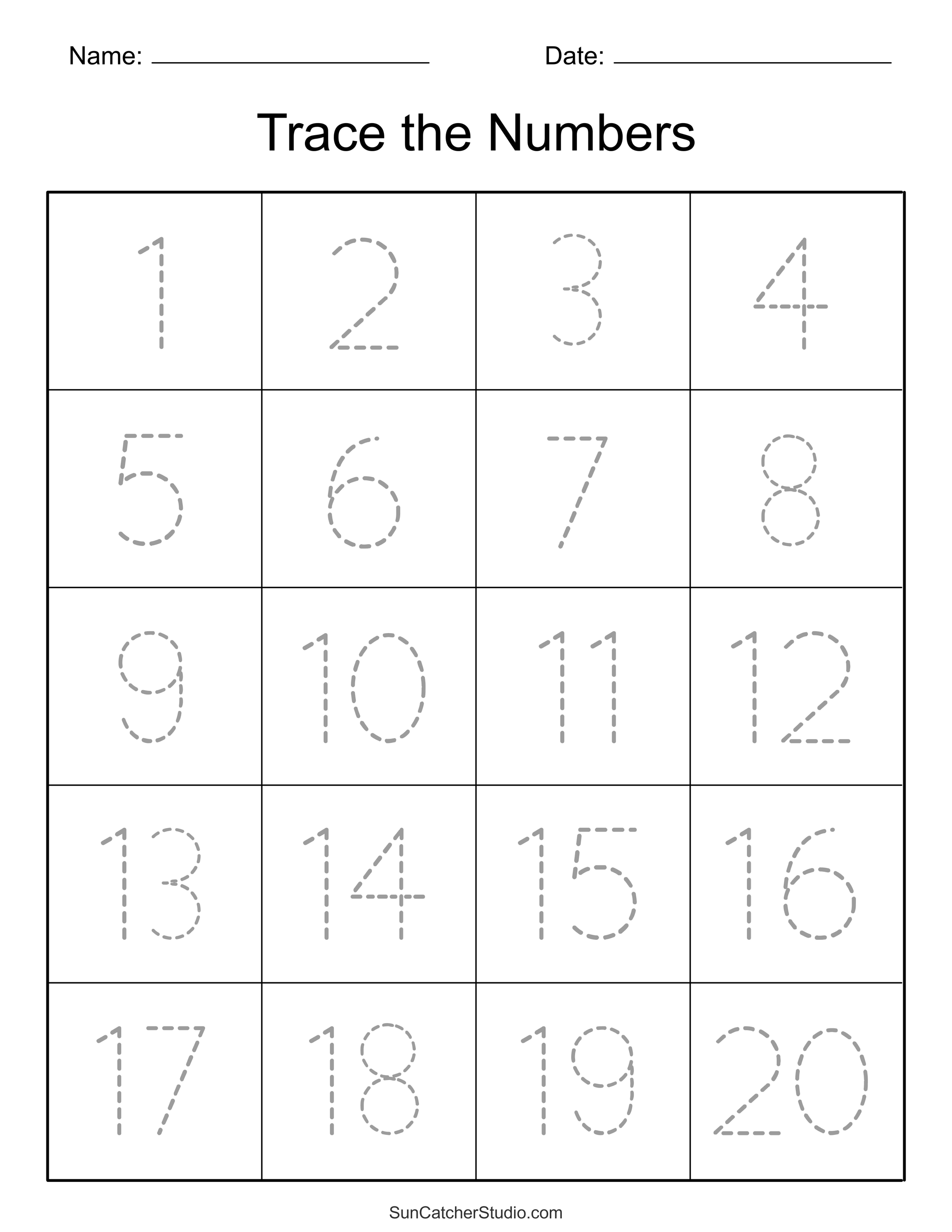
Effective numeral practice requires a deep understanding of handwriting mechanics, emphasizing top-to-bottom and left-to-right stroke progressions that mirror standard alphabetical character formation. Numerical symbols possess unique geometric challenges—such as curves in digits like 2, 3, and 5, or acute angles in digits like 4 and 7—which demand refined distal finger control and bilateral hand integration. Structured printable sheets provide visual boundary lines, directional arrows, and dot-to-dot sequences that guide the writing hand through the proper physiological trajectory. By anchoring numerical practice within systematic tracing worksheets, children build the foundational hand strength required for lifelong legible handwriting.
Key Specifications and Breakdown
| Skill Level / Grade | Target Stroke / Mechanical Focus | Pedagogical / Coaching Cue |
|---|---|---|
| Early Preschool (Ages 3-4) | Vertical lines, horizontal lines, and gentle macro-curves | Start at the top dot, pull straight down without lifting. |
| Mid Preschool (Ages 4-5) | Continuous loops, diagonal strokes, and corner turning | Trace around the curve and slide across the bottom line. |
| Late Preschool (Ages 5-6) | Proportional sizing, baseline alignment, and numerical sequencing | Keep the pencil inside the box, touching top and bottom rails. |
Proper pencil grasp and consistent motor repetition during early childhood are primary indicators of long-term writing speed and legibility. — American Occupational Therapy Association (AOTA)
Step-by-Step Practical Application and Guidelines
Implementing numerical writing pages successfully demands a progressive scaffolding approach that moves from gross-motor air tracing to fine-motor paper execution. Begin each session by demonstrating the target digit on a whiteboard or tactile surface, verbalizing the exact directional strokes aloud (e.g., “curve around and slide right for the number two”). Next, encourage the child to trace large-format examples using thick writing utensils before graduating to standard pencil-and-paper worksheets. Supplementing these math-focused tasks with targeted letter writing worksheets creates a balanced literacy environment that reinforces multi-directional pencil control.
Common Challenges and How to Avoid Them
Reversing numbers (such as writing 3 or 5 backwards) is a normal developmental phase during early childhood, but persistent reversal habits can be mitigated through multisensory directional cueing and tactile boundary tracing. Educators and parents often observe children applying excessive downward pressure or adopting an inefficient static tripod grasp, which leads to rapid hand fatigue. Prevent these physical strains by enforcing frequent rest intervals, utilizing ergonomic pencil grips, and pairing pencil tasks with creative coloring worksheets to loosen tight intrinsic hand muscles.
💬 Frequently Asked Questions
Explore More Free Handwriting and Character Worksheets
Mastering numerical formation is only one component of a comprehensive early childhood literacy curriculum that requires ongoing mechanical practice and engaging multisensory resources. Educators, parents, and homeschool instructors can discover an extensive library of free, professionally structured resources by visiting CharacterWritingWorksheets.com to download targeted name practice worksheets and foundational writing tools designed to support every developmental stage.
Worksheet Previews & Reference Materials