Introduction
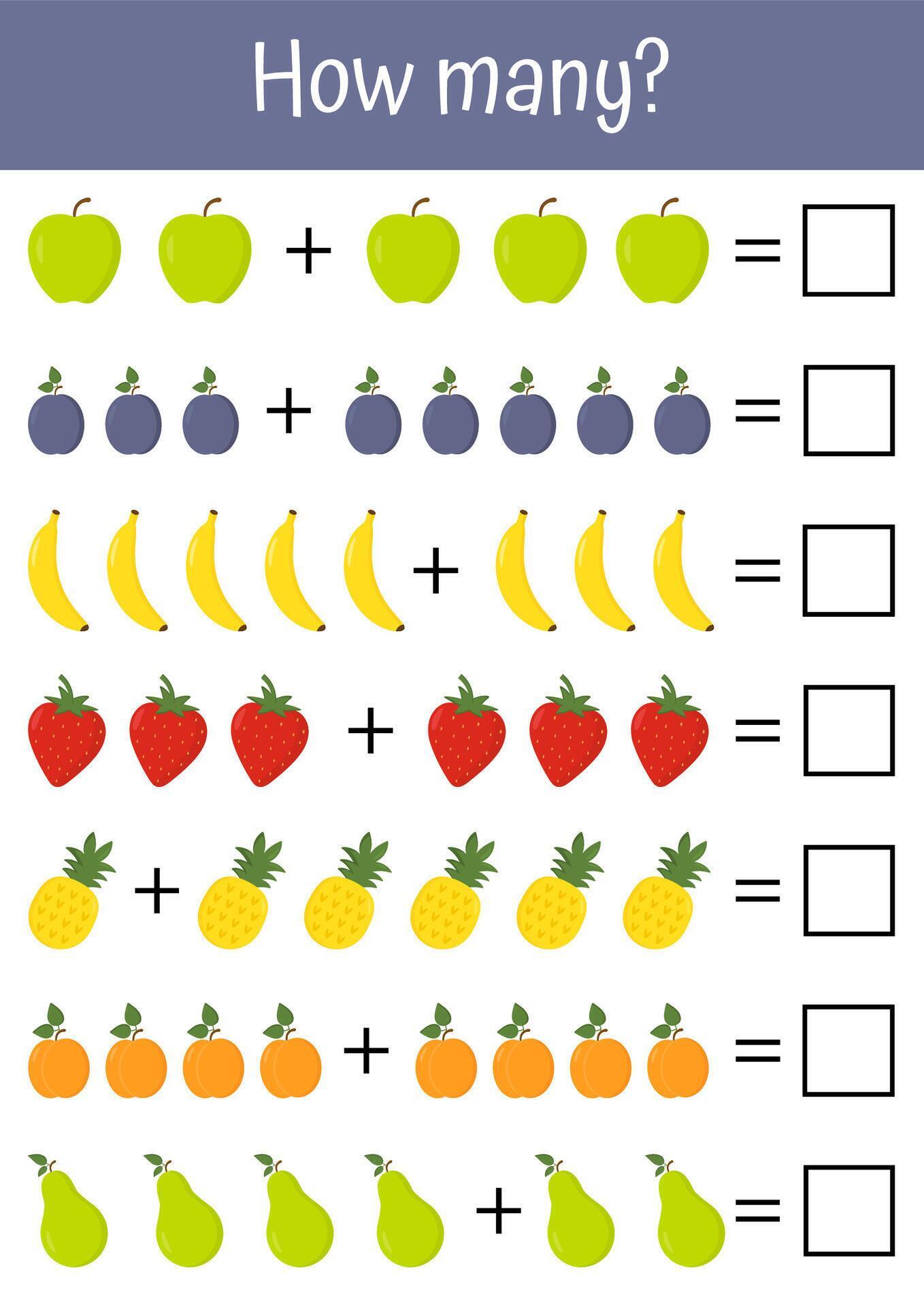
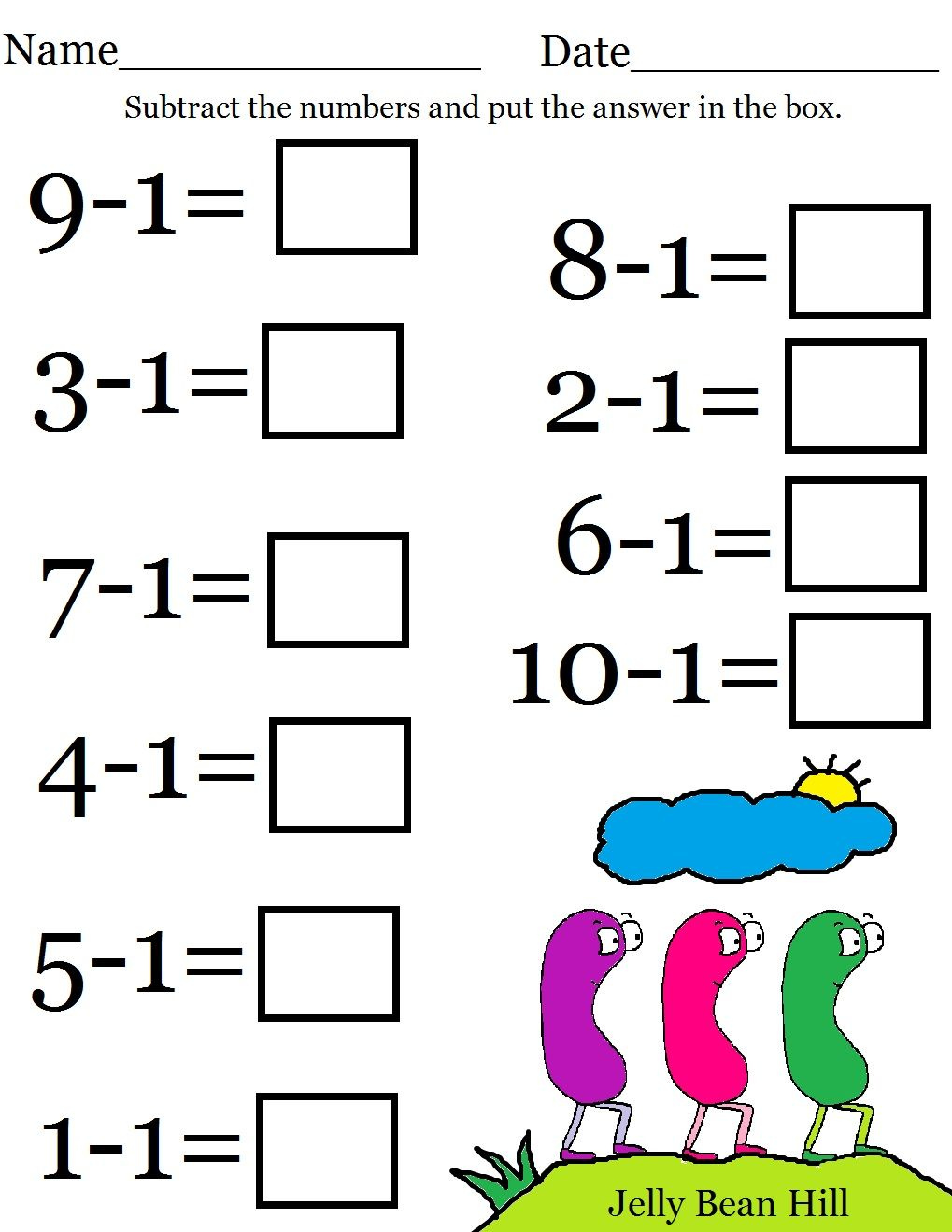
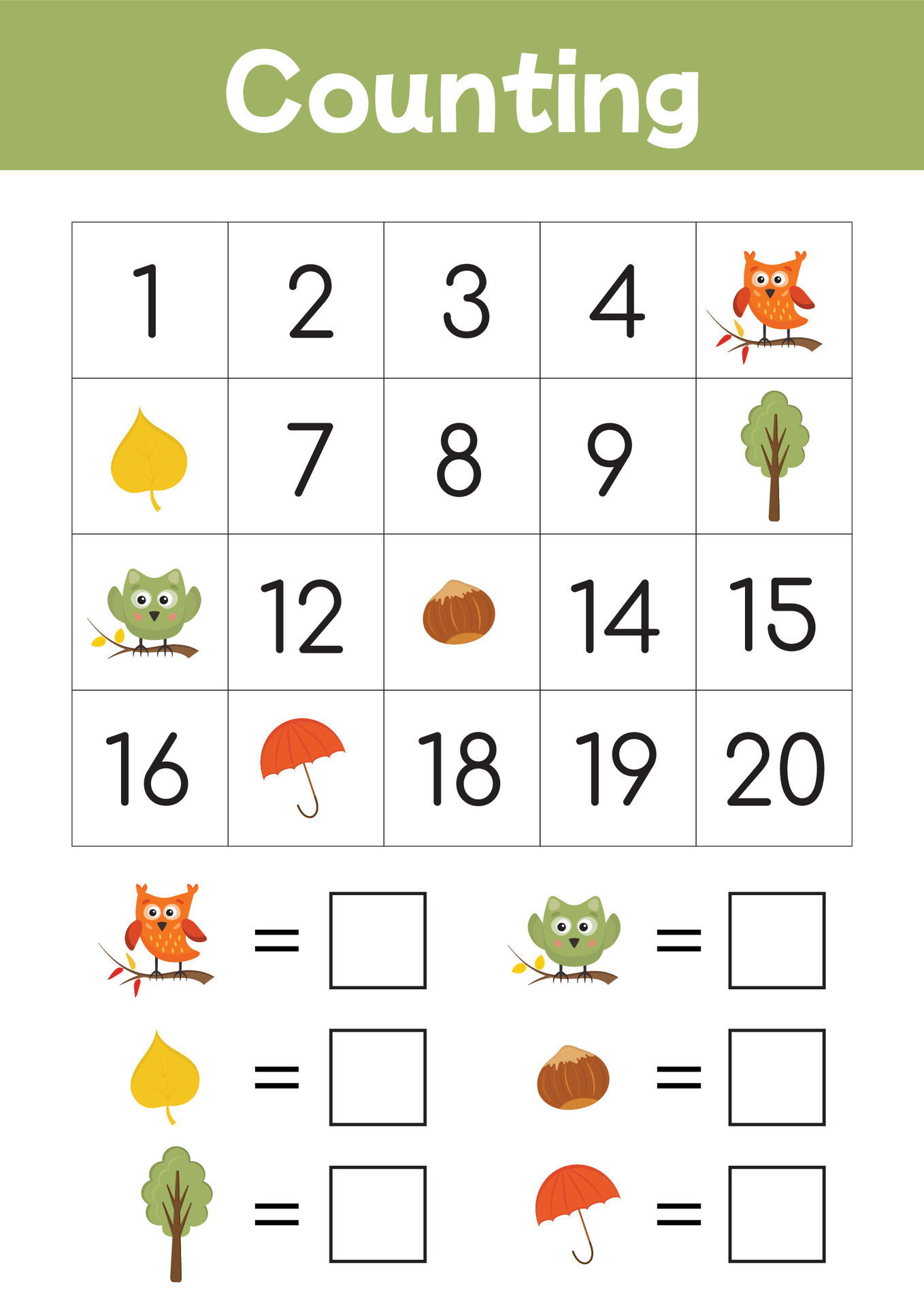
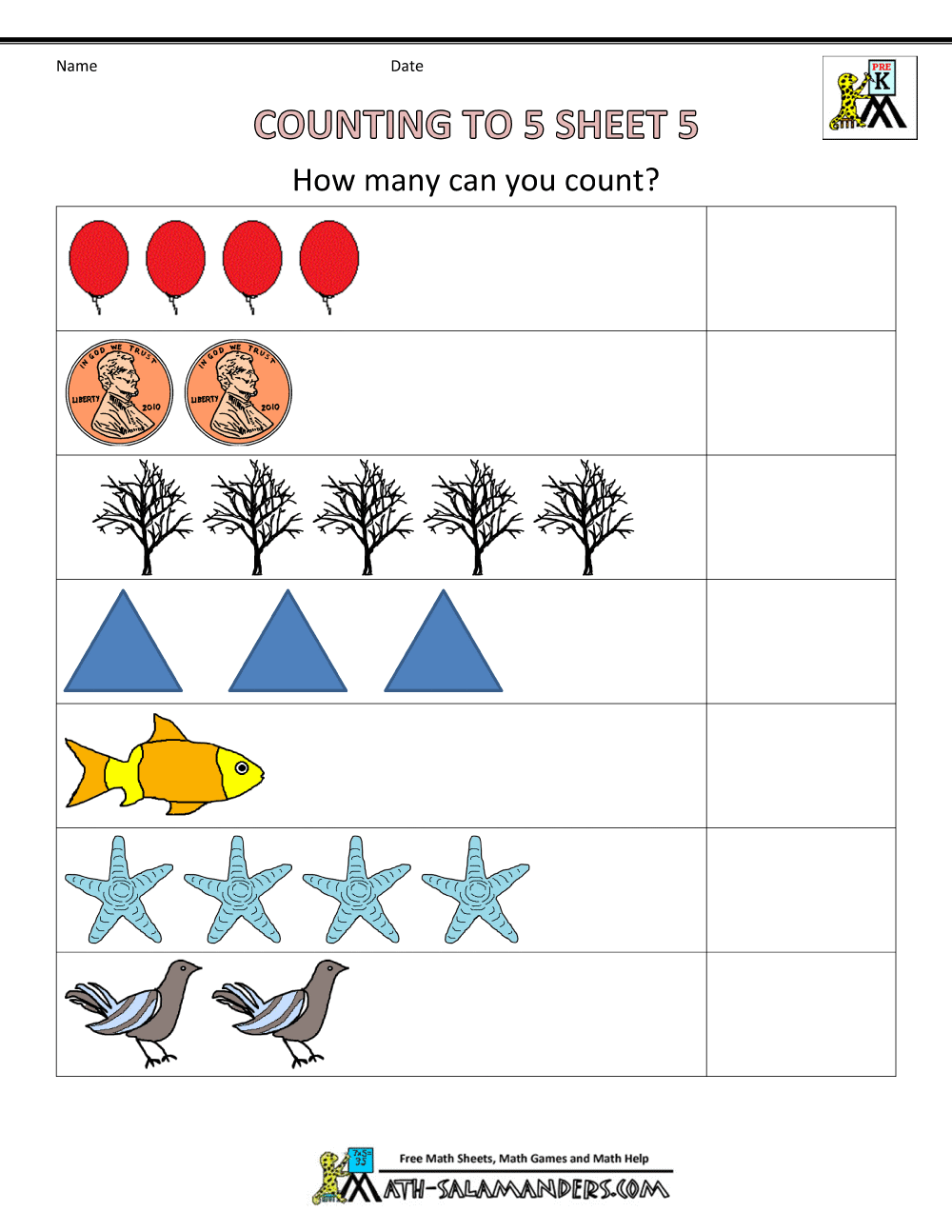
Preschool worksheets math provide structured numerical tracing and counting activities that build foundational fine-motor control, spatial awareness, and pre-handwriting stroke mechanics. According to the National Association for the Education of Young Children (NAEYC), purposeful early childhood manipulation of writing tools reinforces the neural pathways required for both mathematical symbol formation and letter legibility. Educators leverage these specialized preschool worksheets to bridge early number sense with physical pencil mastery, ensuring young learners develop the finger dexterity and muscle memory needed for academic success. Integrating numerical tracing alongside tracing worksheets optimizes cognitive load by uniting mathematical concepts with consistent physical stroke execution.
Handwriting Practice Snapshot:
- Core Focus: Preschool worksheets math merge early numeracy with foundational stroke mechanics and pencil control.
- Target Scope: Early childhood educators, homeschool environments, and developmental clinics.
- Key Recommendation: Prioritize proper tripod grasp and top-to-bottom stroke direction over rapid output.
Core Principles and Detailed Overview
Numerical formation shares identical topological and motor foundations with alphabetical letter construction, requiring precise vertical, horizontal, and curved stroke sequences. Direct integration of number tracing into daily schedules trains the hand to execute continuous lines, diagonal slants, and closed loops without hand fatigue. Instructors utilize worksheets that feature enlarged grids, directional arrows, and start-dot cues to enforce strict spatial boundaries. This systematic approach guarantees that young children understand spatial orientation on paper before transitioning to standard-ruled notebooks, mirroring structural progressions found in dedicated letter writing worksheets.
Key Specifications and Breakdown
| Skill Level / Grade | Target Stroke / Mechanical Focus | Pedagogical / Coaching Cue |
|---|---|---|
| Age 3-4 (Early Pre-K) | Horizontal lines, vertical lines, and large circular shapes | Start at the top dot; pull straight down with controlled pressure. |
| Age 4-5 (Preschool) | Diagonal slants, sharp corners, and closed numerical loops | Trace slowly from left to right; keep the wrist flat against the desk. |
| Age 5-6 (Transition Kindergarten) | Proportional scaling, line alignment, and consistent spacing | Fit numbers cleanly inside the box without touching the bottom baseline prematurely. |
Early fine-motor precision, pencil grasp development, and visual-motor integration are foundational predictors of sustained academic achievement in foundational literacy and numeracy. — American Occupational Therapy Association (AOTA)
Step-by-Step Practical Application and Guidelines
Executing math-based writing sheets effectively requires a methodical routine emphasizing physical posture, tool selection, and sequential stroke monitoring. Educators must first verify that children maintain an ergonomic tripod grasp, utilizing triangular pencils or grip aids to prevent fatigue. Next, adults should guide the learner’s index finger along the designated arrows of the number template before allowing pencil contact. Instructors then observe the initial stroke, intervening immediately if the child attempts to draw numbers from the bottom up. Consistent repetition of this sequence on specialized name practice worksheets and math matrices solidifies permanent muscle memory.
Common Challenges and How to Avoid Them
Reversed digits, excessive pencil pressure, and erratic stroke direction represent the most frequent obstacles encountered during early numerical and letter instruction. Children frequently invert numbers like 2, 3, and 5 because spatial working memory is still maturing in early childhood. To correct this, supervisors must anchor every tracing exercise with tactile cues, such as textured sandpaper numbers or raised-line borders that physically resist incorrect pencil paths. Ensuring that learners engage with diverse activities like targeted coloring worksheets also strengthens intrinsic hand muscles, combating fatigue-induced sloppy formations.
💬 Frequently Asked Questions
Explore More Free Handwriting and Character Worksheets
Supporting comprehensive early childhood development requires a robust repository of targeted practice materials that unite numeracy, literacy, and motor control. Educators, parents, and developmental specialists can access an extensive library of free educational assets directly through CharacterWritingWorksheets.com to elevate daily instructional outcomes.
Worksheet Previews & Reference Materials