Introduction
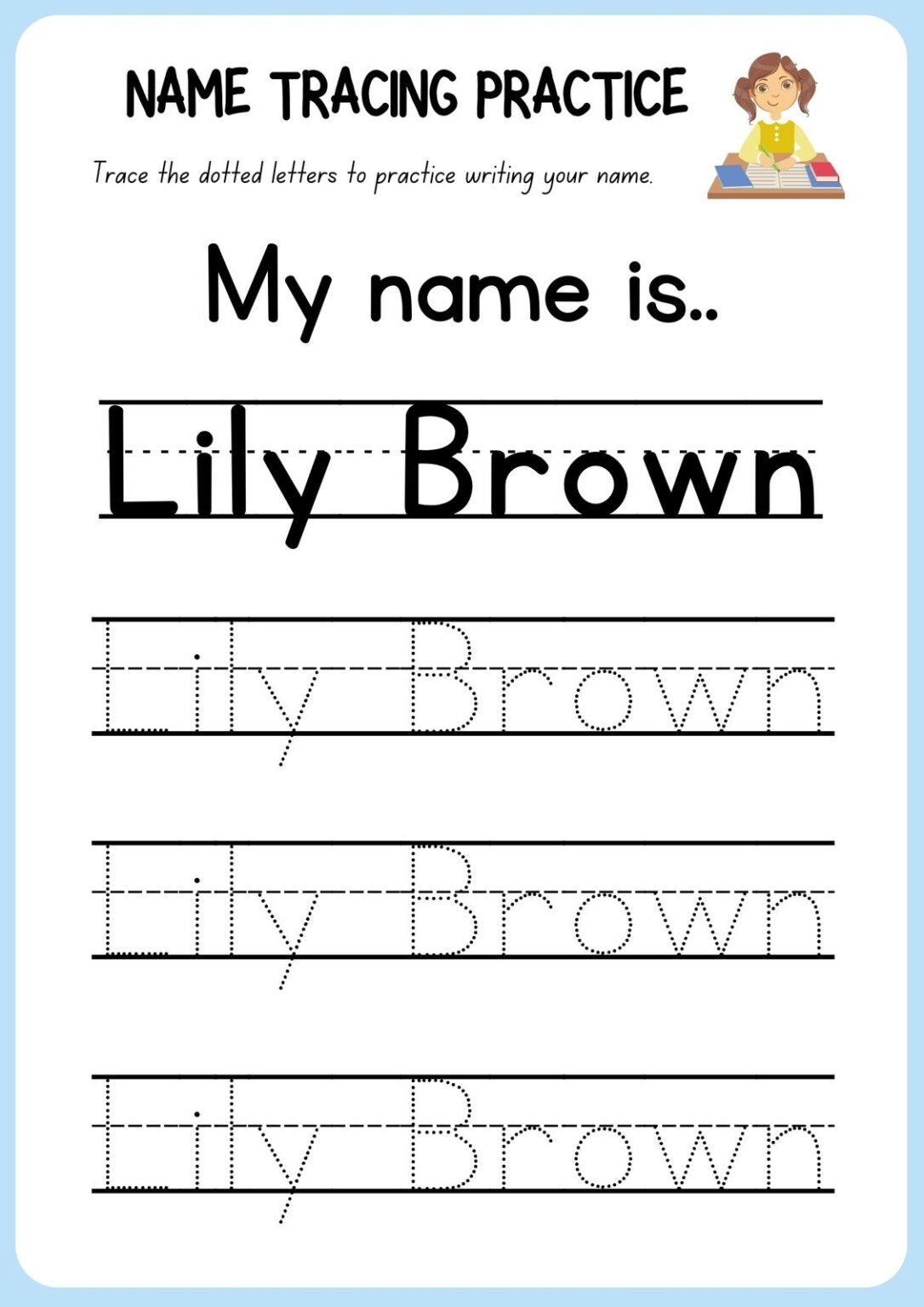
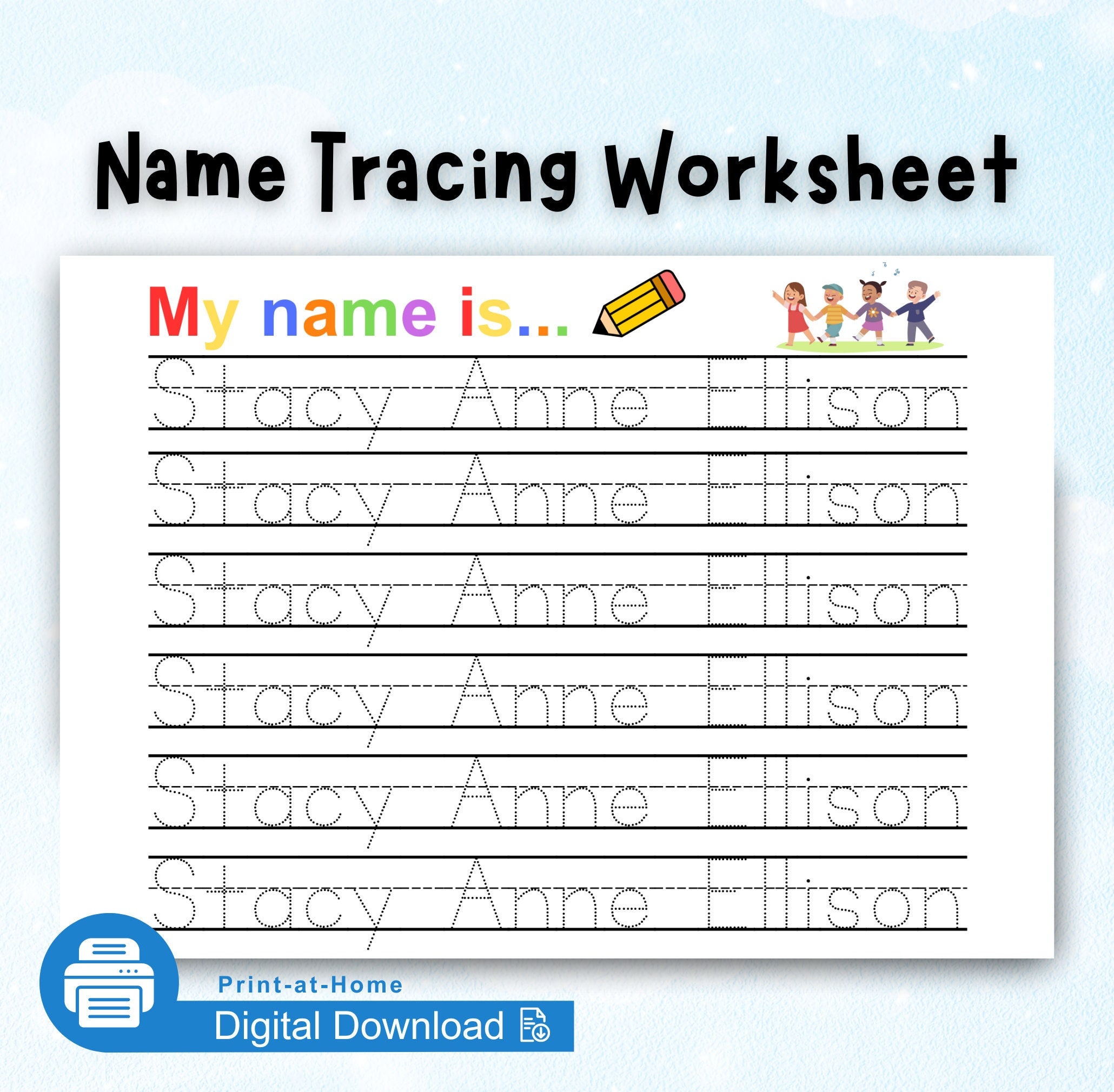
Name practice sheets for kids provide foundational motor-memory training that accelerates early literacy, pencil control, and personal identity recognition in early childhood education. According to the National Association for the Education of Young Children (NAEYC), intentional handwriting practice using a child’s own given name serves as one of the most meaningful entry points for acquiring permanent print awareness and orthographic mapping. Utilizing targeted name practice worksheets ensures that developing learners systematically progress from gross motor scribbling to precise, letter-by-letter formation. Educators and parents rely on structured worksheets to reinforce correct stroke sequences, spatial orientation, and baseline alignment during formative developmental windows.
Handwriting Practice Snapshot:
- Core Focus: Name practice sheets for kids establish critical stroke memory, pencil grip, and letter sequencing.
- Target Scope: Early childhood learners, preschoolers, kindergarteners, and special education handwriting intervention.
- Key Recommendation: Implement daily five-minute tracing sessions emphasizing top-to-bottom and left-to-right directional consistency.
Core Principles and Detailed Overview
Name practice sheets for kids anchor foundational fine-motor mechanics by leveraging high-frequency personal relevance to maintain engagement while refining neuromuscular control. Mastery of personal identification text requires continuous refinement of grip posture, paper stabilization, and proportional letter spacing across varying baseline grids. Integrating specialized tracing worksheets before independent freehand writing reduces cognitive fatigue and prevents the formation of aberrant, non-standard stroke habits. Early writing curricula increasingly pair these sheets with supplementary preschool worksheets to build comprehensive wrist and finger dexterity prior to formal spelling instruction.
Key Specifications and Breakdown
| Skill Level / Grade | Target Stroke / Mechanical Focus | Pedagogical / Coaching Cue |
|---|---|---|
| Early Preschool (Ages 3-4) | Continuous horizontal lines, curves, and gross motor tracking | “Start at the top dot and glide smoothly downward without lifting.” |
| Late Preschool (Ages 4-5) | Capital and lowercase letter proportions on three-line grids | “Touch the top headline, pull straight down to the solid baseline.” |
| Kindergarten (Ages 5-6) | Independent spacing, automatic letter sequencing, and fluid pacing | “Keep letters cozy together, but leave a finger space before the next word.” |
Proper pencil grasp and consistent motor repetition during early childhood writing tasks directly correlate with long-term legibility, writing speed, and academic confidence. — American Occupational Therapy Association (AOTA)
Step-by-Step Practical Application and Guidelines
Implementing name practice sheets for kids successfully requires an intentional sequence of modeling, guided tracing, and gradual independent execution. Instructors should initially demonstrate the precise starting point and stroke direction on a large whiteboard before directing learners to trace dotted-line templates. Throughout daily practice, supervising adults must monitor tripod grasp mechanics, ensuring the non-writing hand stabilizes the paper at a comfortable angle. Transitioning learners from full-word tracing to dotted-first letters, and finally to blank primary writing lines, secures lasting autonomous handwriting proficiency without inducing performance anxiety.
Common Challenges and How to Avoid Them
Reversed letter formations, erratic baseline placement, and excessive grip tension represent the most frequent obstacles encountered during early name writing instruction. Addressing these hurdles early involves substituting improper templates with specialized letter writing worksheets that isolate problematic characters like ‘b’, ‘d’, ‘p’, and ‘q’. Furthermore, correcting pencil fatigue requires frequent tactile movement breaks and discouraging rigid finger locking, thereby preserving muscle flexibility and ensuring sustained enjoyment of physical writing activities alongside optional creative coloring worksheets.
💬 Frequently Asked Questions
Explore More Free Handwriting and Character Worksheets
Comprehensive pencil control mastery requires a diverse selection of structured resources tailored to every developmental milestone. Educators and parents can discover an extensive library of free educational materials designed to support early literacy by visiting CharacterWritingWorksheets.com today.
Visual Reference Gallery