Introduction
Digital resources such as coloring pages com function as targeted preparatory tools that build the foundational fine-motor control required for early letter formation. According to the American Occupational Therapy Association (AOTA), the development of proximal stability and intrinsic hand strength is an essential precursor to functional pencil grasp and legibility. Early childhood educators utilize specialized printables to bridge unstructured artistic exploration with structured handwriting mechanics, ensuring young learners master proper stroke sequences before formal script introduction. Integrating these foundational resources into daily instruction strengthens pencil manipulation and spatial awareness, yielding superior manuscript outcomes across diverse preschool worksheets and foundational worksheets designed for early childhood classrooms.
Handwriting Practice Snapshot:
- Core Focus: Utilization of coloring pages com for fine-motor development and stroke precision.
- Target Scope: Early elementary, preschool, and kindergarten motor-skill acquisition environments.
- Key Recommendation: Enforce controlled, boundary-conscious coloring tasks prior to letter character tracing.
Core Principles and Detailed Overview
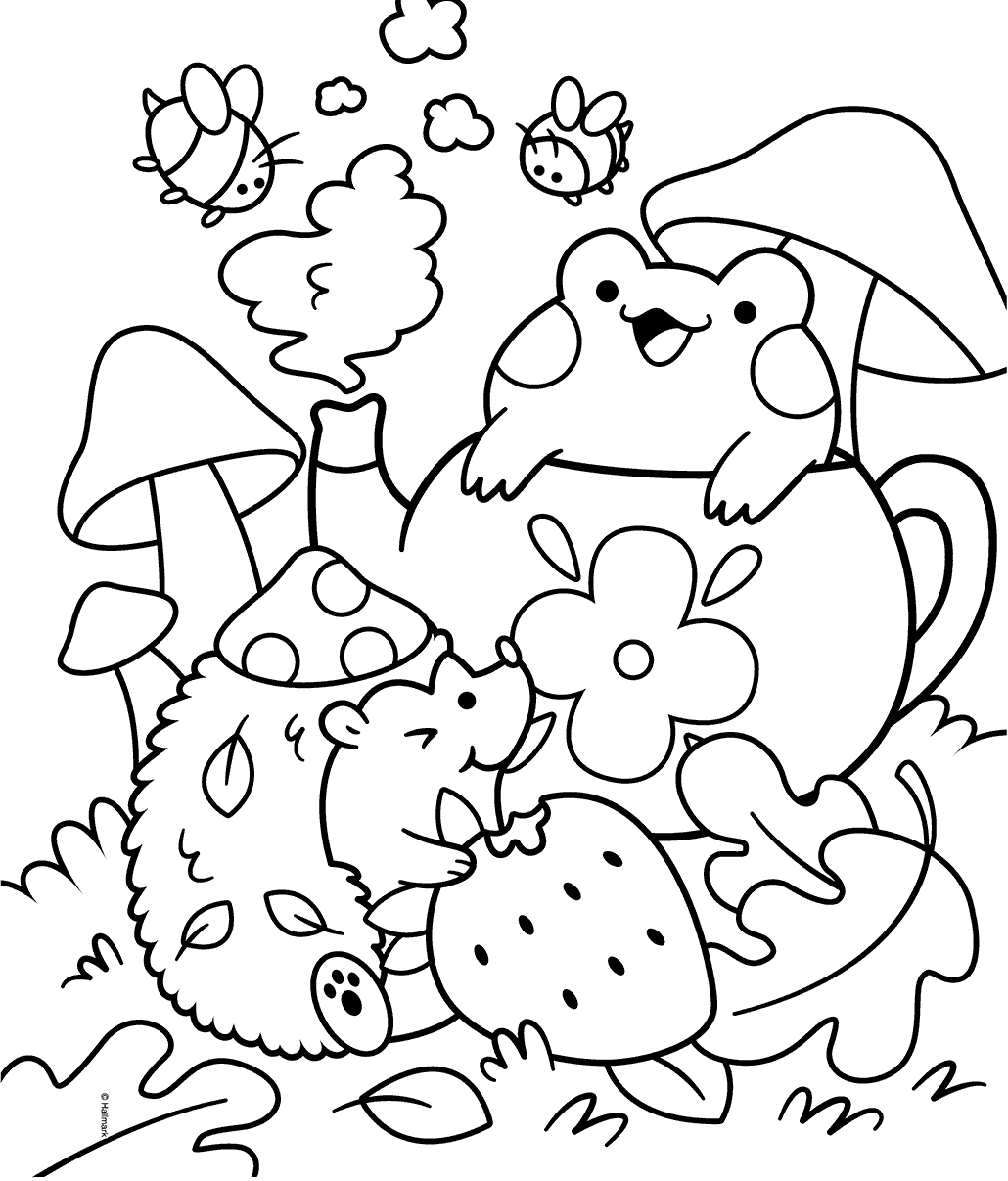
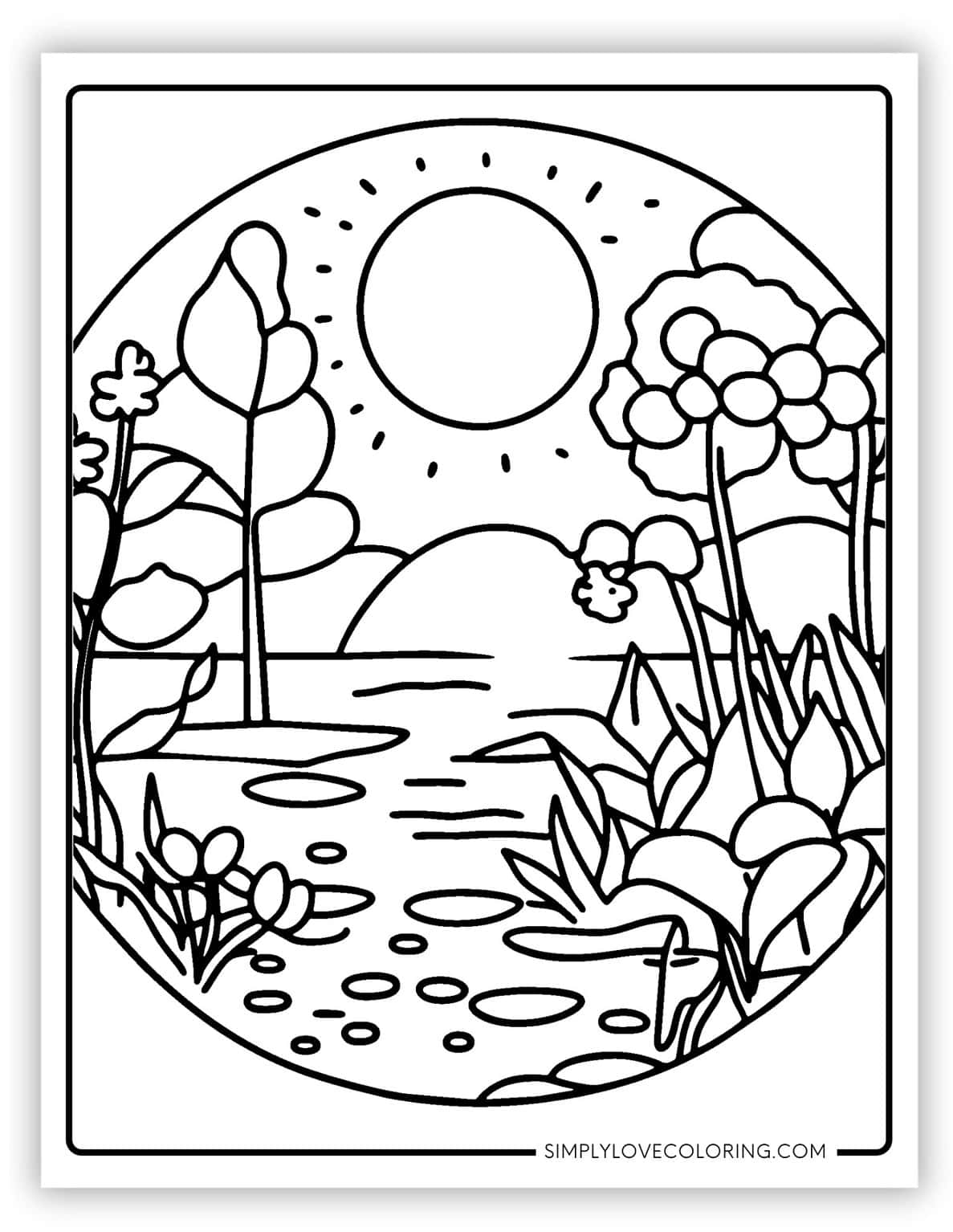
Targeted coloring activities establish spatial awareness, directional tracking, and finger dexterity by forcing continuous control over pencil pressure and boundary lines. Structured coloring sheets serve as an indirect rehearsal for handwriting because both tasks require consistent visual-motor integration, sustained grip endurance, and precise directional strokes. When children practice filling complex shapes, small muscles in the hand coordinate to mimic the exact physiological movements necessary for mastering formal tracing worksheets. Proper pedagogical supervision during this stage prevents the formation of aberrant compensatory grasps, which often impede later speed and legibility in alphabetic writing.
Key Specifications and Breakdown
| Skill Level / Grade | Target Stroke / Mechanical Focus | Pedagogical / Coaching Cue |
|---|---|---|
| Early Preschool (Ages 3-4) | Macromovements, palmar grasp transition, and whole-arm sweeping lines. | Encourage circular motions originating from the shoulder and elbow joints. |
| Late Preschool (Ages 4-5) | Digital pronate grasp, boundary containment, and controlled filling. | Prompt children to keep wrists flat and maintain a dynamic tripod hold. |
| Kindergarten (Ages 5-6) | Precise directional hatching, stamina, and subtle pressure modulation. | Instruct learners to trace perimeter lines first before shading interior spaces. |
Intrinsic hand muscle strength and proximal joint stability must be systematically established through manipulatives and guided coloring before expecting legible, fatigue-free handwriting output. — American Occupational Therapy Association (AOTA)
Step-by-Step Practical Application and Guidelines
Establishing proper writing mechanics requires educators and parents to sequence coloring exercises intentionally before advancing to complex character formations. Begin by selecting outlines featuring thick borders that visibly contain erratic strokes, allowing children to practice visual boundary recognition without frustration. Next, enforce a consistent starting point—typically the top-left corner—to mirror standard reading and writing directionality. Instruct learners to use short, controlled shading strokes rather than frantic, disorganized scribbles. Once students demonstrate consistent edge control on geometric shapes, transition them smoothly into specialized coloring worksheets that incorporate early alphabetic symbols and linguistic themes.
Common Challenges and How to Avoid Them
Premature fatigue, improper finger wrapping, and boundary refusal are frequent hurdles that stem from poorly chosen materials or absent ergonomic supervision. Children frequently press too hard or slouch over flat surfaces, which restricts shoulder mobility and accelerates hand cramping during extended writing sessions. Combat these mechanical errors by ensuring seating is ergonomically adjusted so feet rest flat on the floor and elbows form a comfortable ninety-degree angle. Furthermore, avoid overly intricate designs that induce frustration, substituting them with graduated layouts found within targeted letter writing worksheets and customized name practice worksheets that maintain optimal stroke-to-space ratios.
💬 Frequently Asked Questions
Explore More Free Handwriting and Character Worksheets
Maximizing early childhood literacy outcomes requires a comprehensive suite of structured printables that transition young learners seamlessly from foundational motor tasks to advanced alphabetic mastery. Educators and parents can explore the complete resource repository by visiting CharacterWritingWorksheets.com for unlimited access to expert-designed handwriting assets.
Printable Coloring Page Previews