Introduction
Cursive writing letter a worksheets provide structured mechanical practice specifically designed to develop fluid fluid-motor pathways, precise stroke sequences, and foundational connective joins for lowercase and uppercase letters. According to the International Literacy Association (ILA), targeted handwriting instruction reinforces orthographic mapping, letter-sound recognition, and overall cognitive fluency during early childhood development. Utilizing specialized practice sheets ensures that learners establish correct pencil grips, directional baseline orientation, and uniform slant before progressing to complex multi-letter words and sentences. Foundational early learning often begins alongside basic preschool worksheets to build baseline spatial awareness.
Handwriting Practice Snapshot:
- Core Focus: Systematic mastery of the introductory lowercase and uppercase cursive letter ‘a’ stroke sequence.
- Target Scope: Early elementary students, remedial handwriting learners, and home-education environments.
- Key Recommendation: Prioritize continuous fluid motion over excessive pressure or overly rigid corner formations.
Core Principles and Detailed Overview
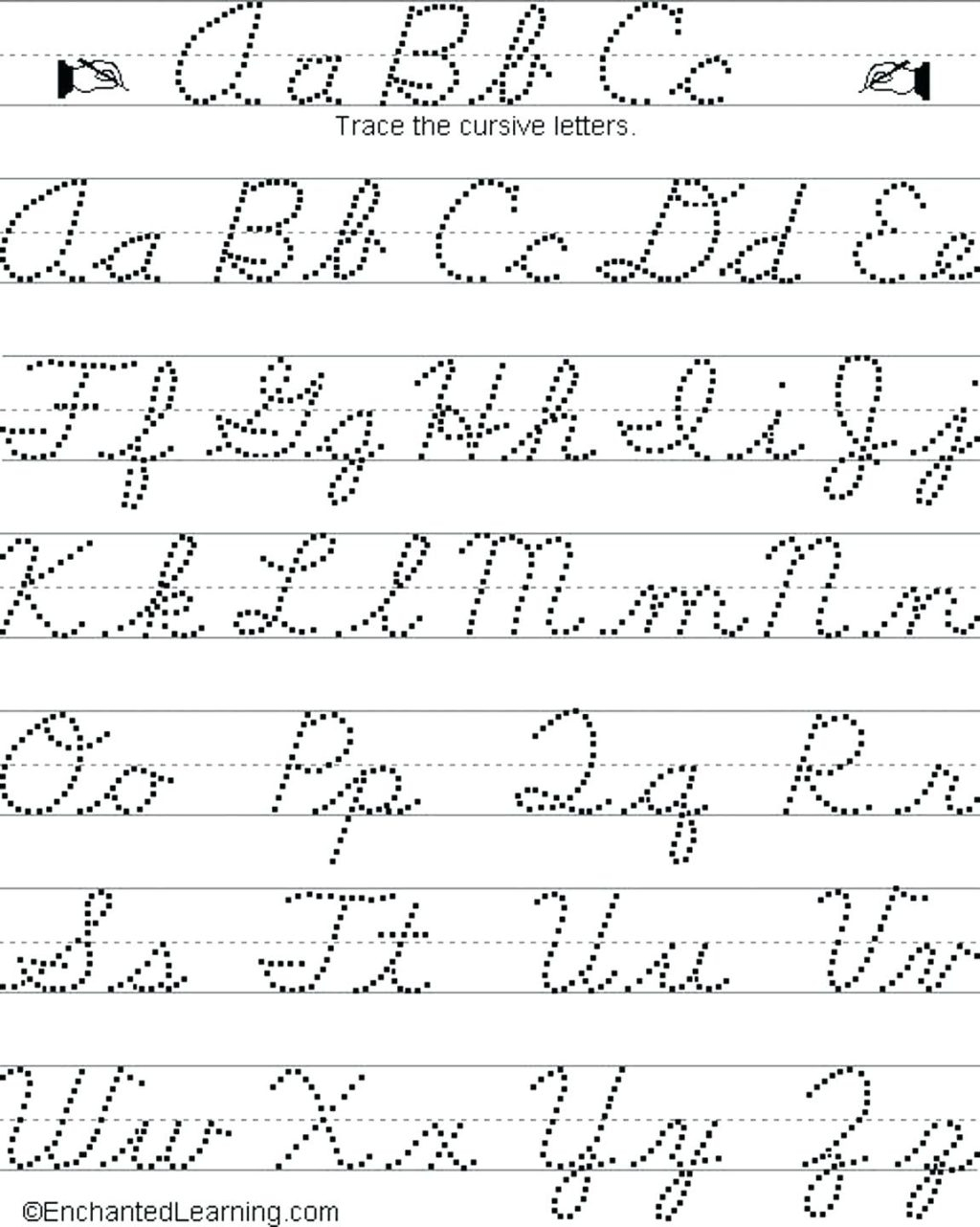
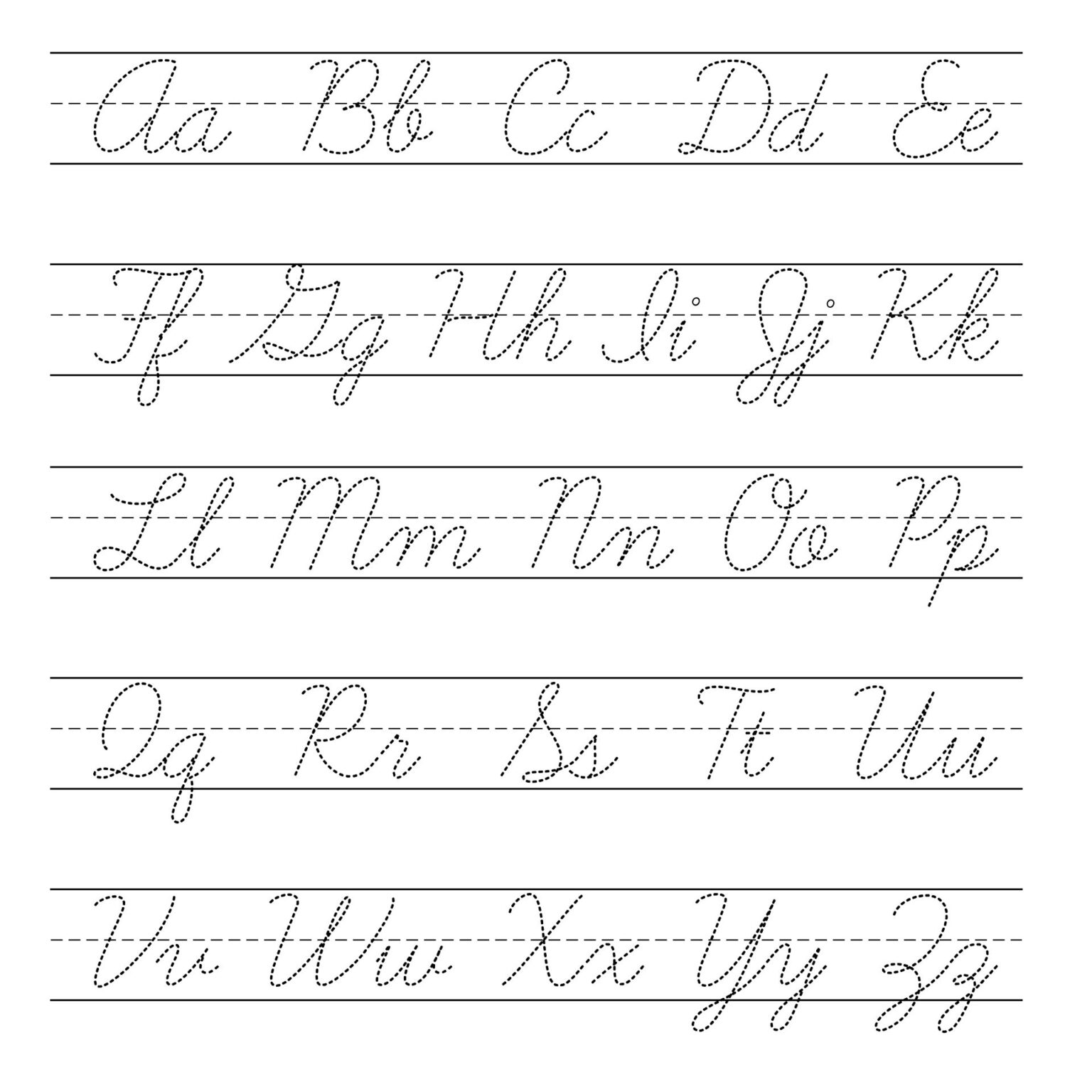
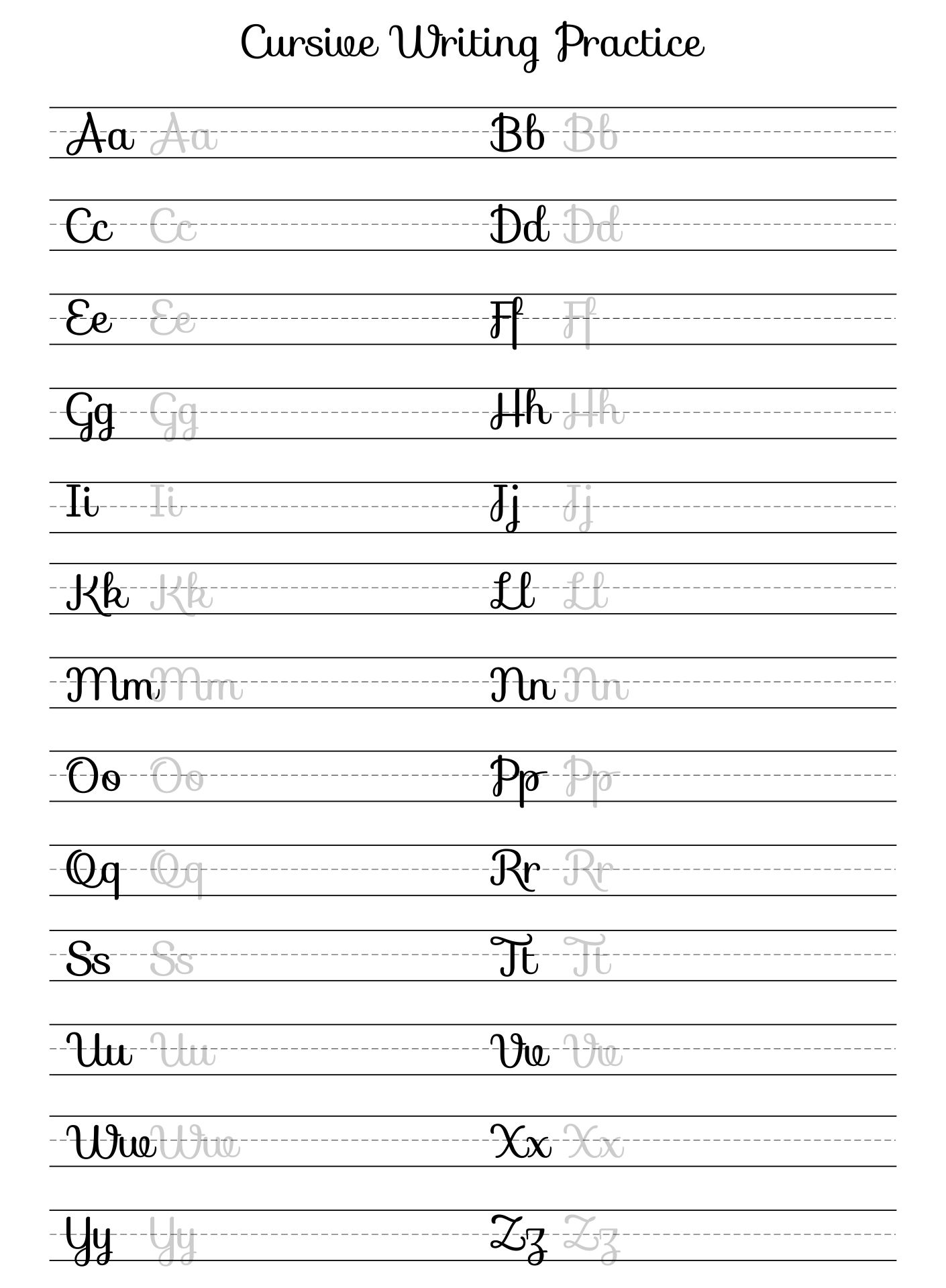
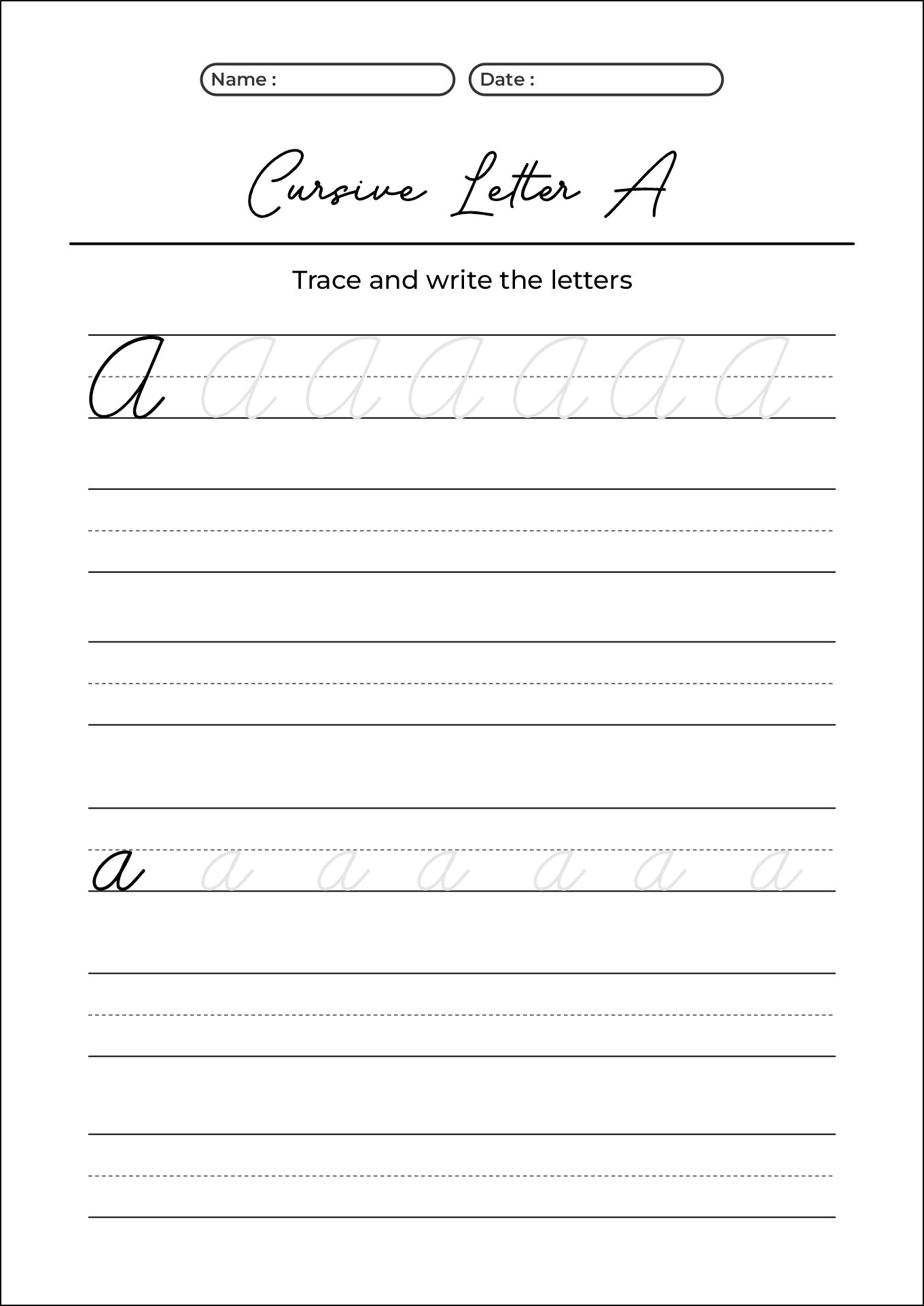
Cursive writing letter a worksheets center on mastering the fundamental clockwise oval formation and the mandatory undercurve exit stroke that facilitates seamless transitions into subsequent letters. The lowercase ‘a’ acts as a gateway letter, sharing identical foundational strokes with related characters like ‘c’, ‘d’, ‘g’, and ‘q’. Developing mastery over this specific glyph requires repetitive guided tracing, dotted-line transitional prompts, and independent box writing to cultivate muscle memory. Educators frequently integrate these foundational pages into daily literacy stations alongside targeted letter writing worksheets to reinforce orthographic rules.
Key Specifications and Breakdown
| Skill Level / Grade | Target Stroke / Mechanical Focus | Pedagogical / Coaching Cue |
|---|---|---|
| Beginner (Grades 2-3) | Clockwise push-curve, retraced oval closure, and downward exit tail. | “Start at the baseline, curve up and around, retrace the left side, and finish with a smooth tail.” |
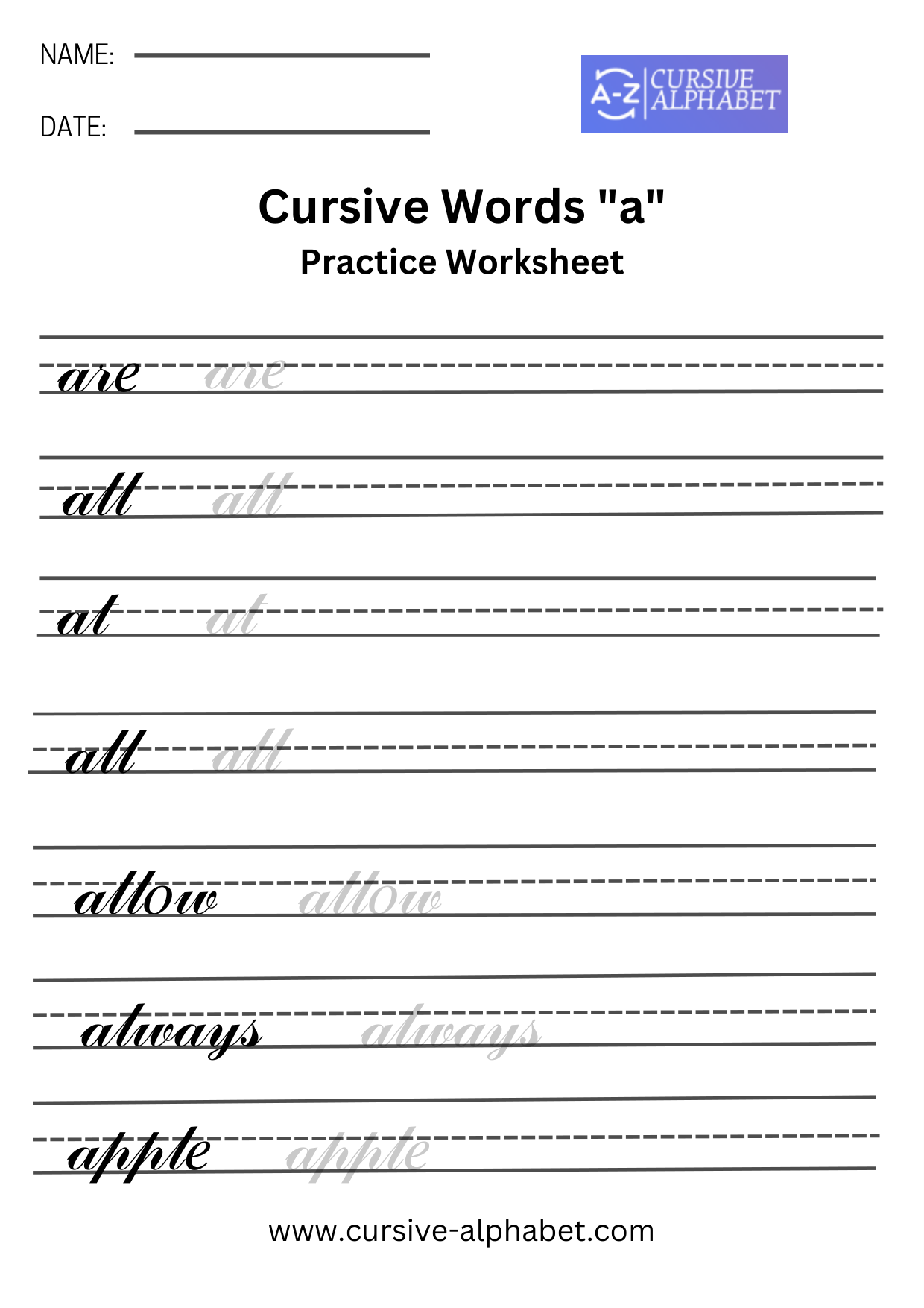
| Intermediate (Grades 3-4) | Connective joins linking lowercase ‘a’ to common followers like ‘n’, ‘t’, and ‘l’. | “Keep the pencil moving without lifting; let the exit tail flow directly into the next bottom baseline connector.” |
| Advanced (Remedial / Refinement) | Consistent 55-degree slant, uniform letter height, and balanced white space. | “Maintain steady rhythm, equal pressure on the paper, and uniform spacing between consecutive characters.” |
Explicit instruction in fine-motor handwriting mechanics improves cognitive orthographic processing, neurological letter recognition, and mechanical writing speed across primary grade levels. — American Occupational Therapy Association (AOTA)
Step-by-Step Practical Application and Guidelines
Implementing cursive writing letter a worksheets effectively requires a structured progression from large-motor air-writing down to fine-motor paper application. Initial sessions should begin with finger-tracing oversized templates to anchor the exact counter-clockwise entry motion and clockwise closure. Following the gross-motor phase, learners transition to structured paper worksheets featuring prominent start dots, directional arrows, and primary guidelines. Educators must monitor hand posture, paper tilt, and grip pressure continuously to prevent hand fatigue, encouraging learners to rely on forearm and shoulder movement rather than tight finger squeezing. Supplementary exercises like tracing worksheets can further reinforce spatial consistency.
Common Challenges and How to Avoid Them
Common execution errors on cursive writing letter a worksheets include unclosed ovals, retracing mistakes that result in loops instead of straight vertical returns, and erratic slant angles. Learners frequently lift the pencil prematurely during the closure phase or distort the entry stroke by pulling downward rather than pushing upward from the baseline. To correct these habits, educators should enforce slow, deliberate pacing during early practice, utilize raised-line or textured paper for tactile feedback, and pause execution immediately when errors occur to re-model the exact stroke sequence.
💬 Frequently Asked Questions
Explore More Free Handwriting and Character Worksheets
Expanding handwriting practice beyond a single letter ensures balanced orthographic development and sustained student engagement across all core subjects. Educators and parents can discover an extensive collection of structured resources, including specialized name practice worksheets and creative coloring worksheets, by visiting the main library at CharacterWritingWorksheets.com to support comprehensive early childhood literacy.
Worksheet Previews & Reference Materials