Introduction
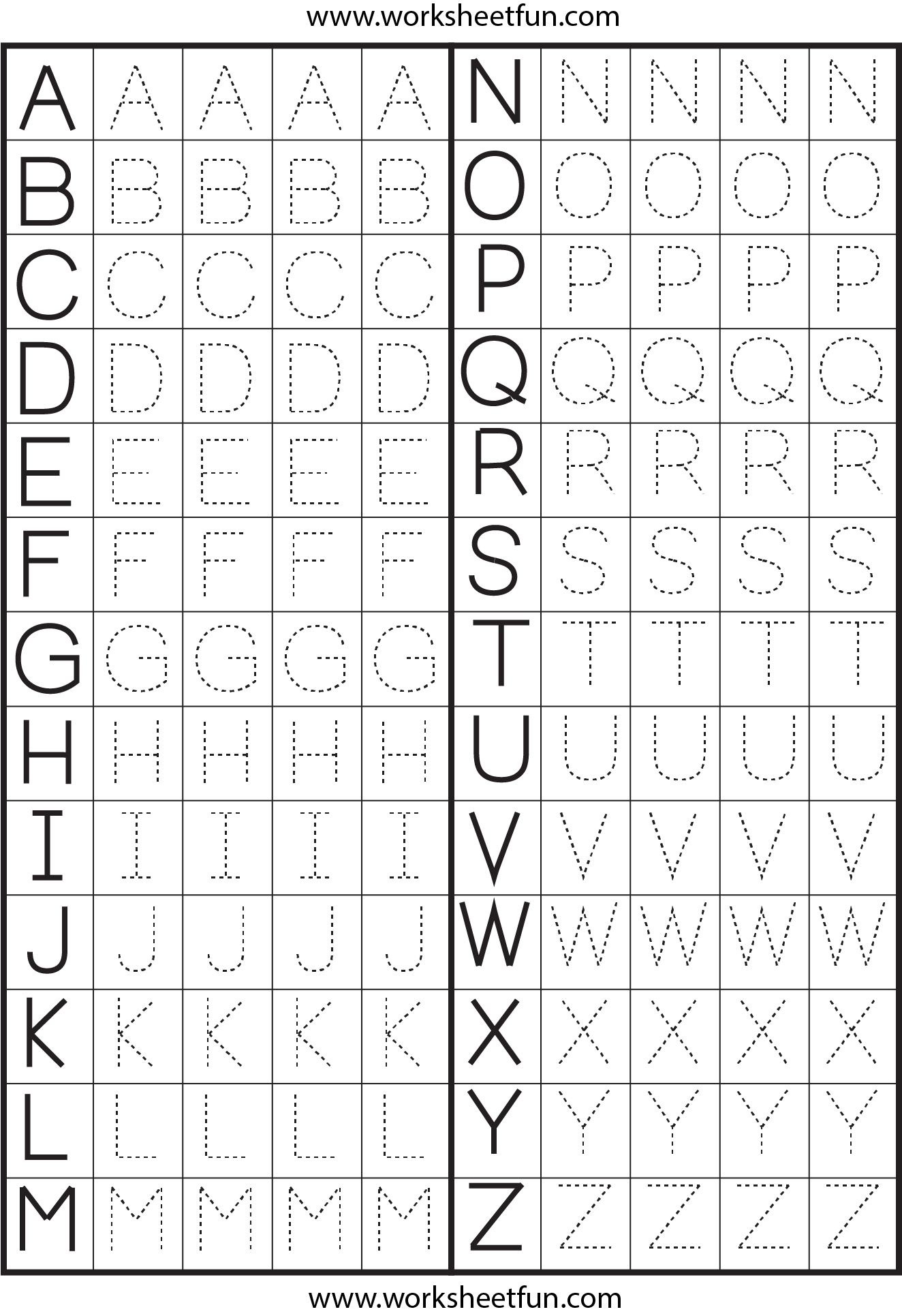
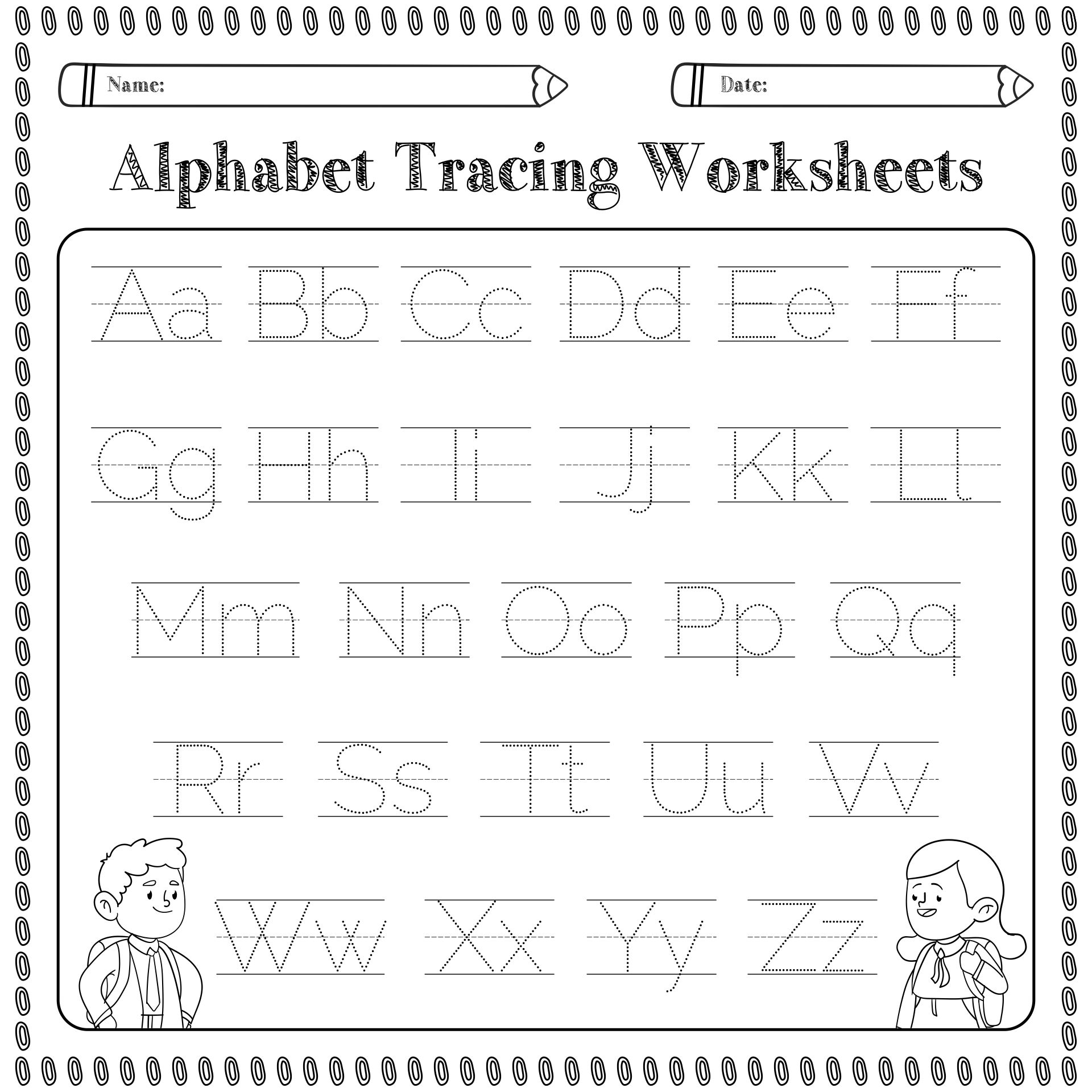
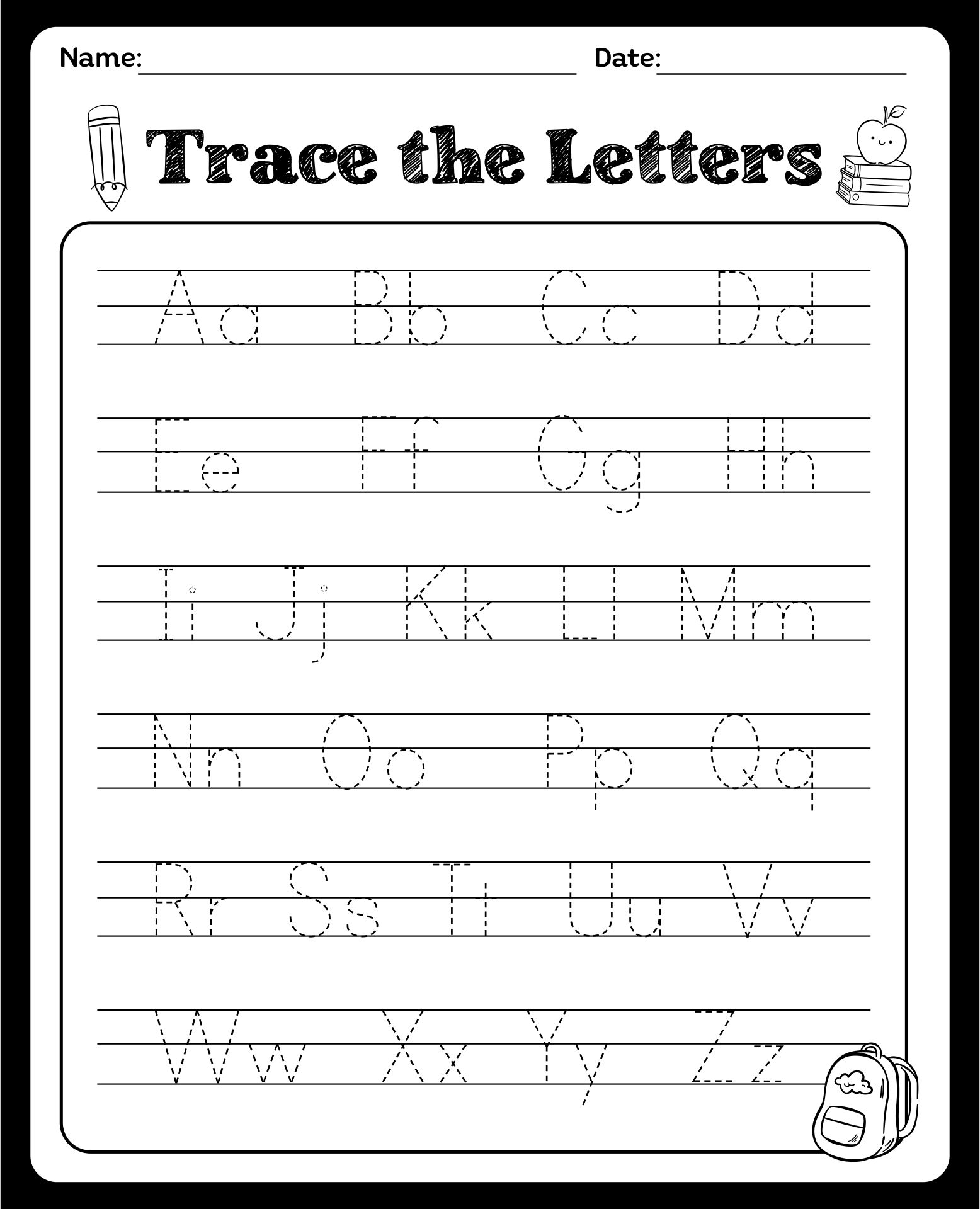
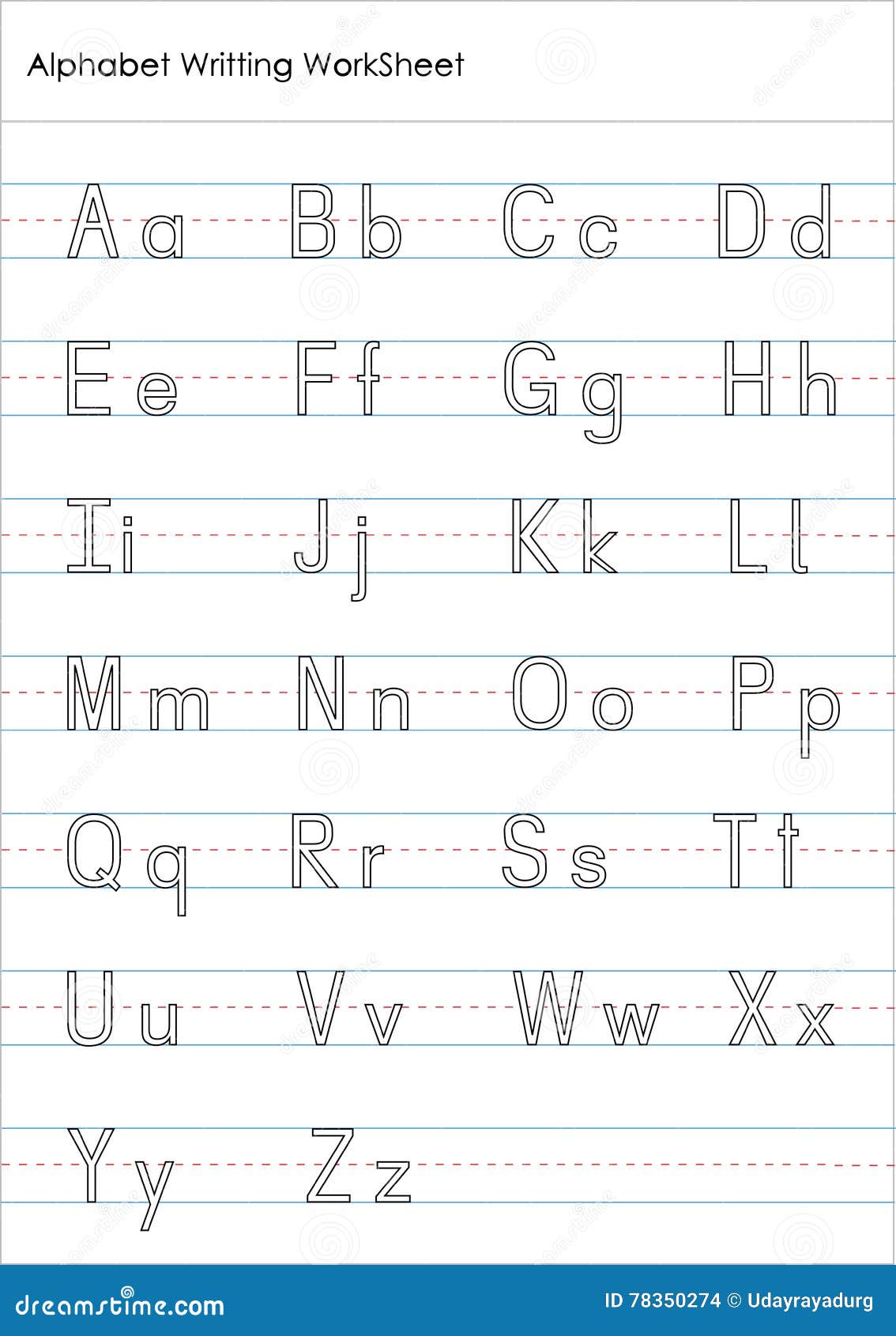
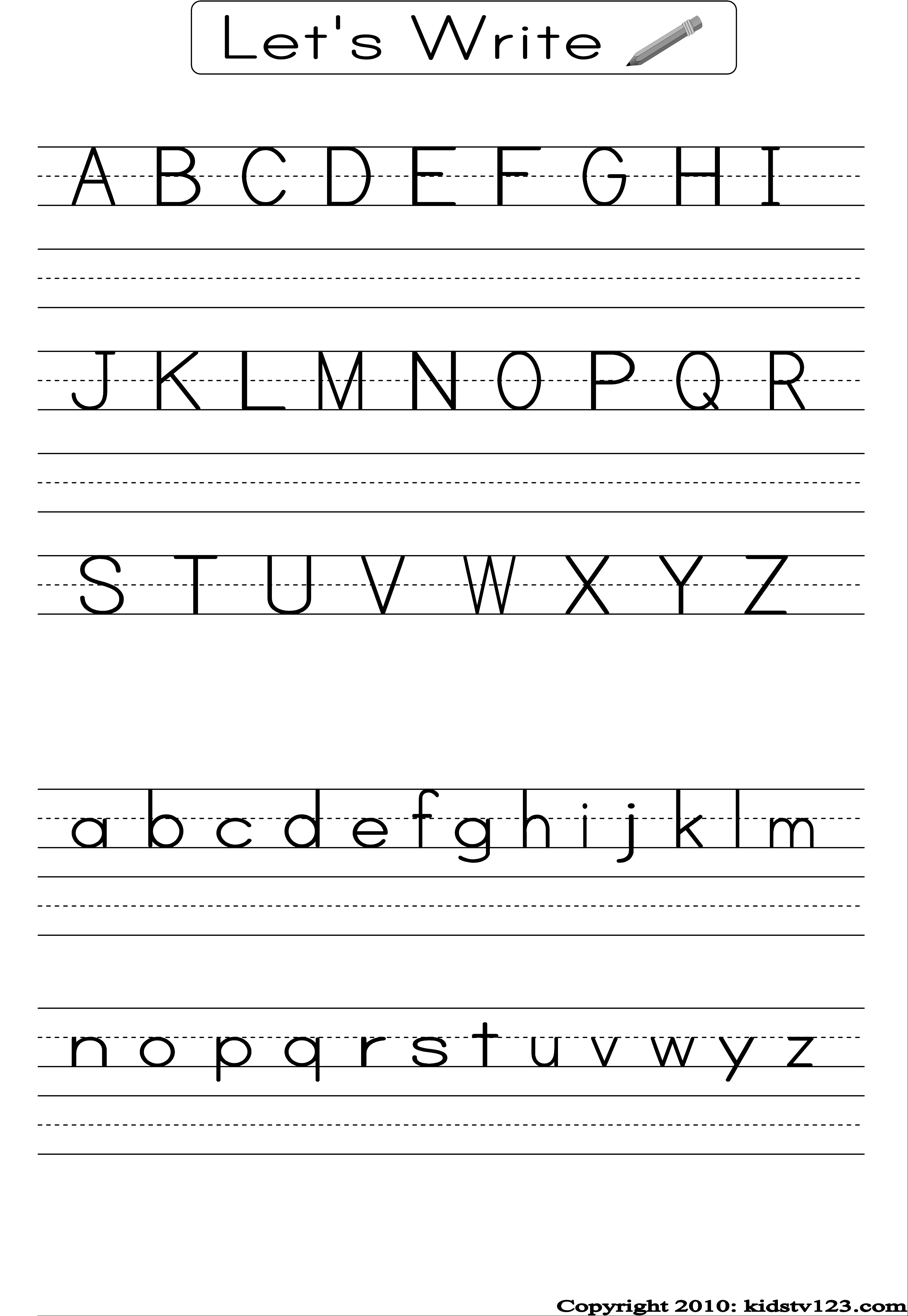
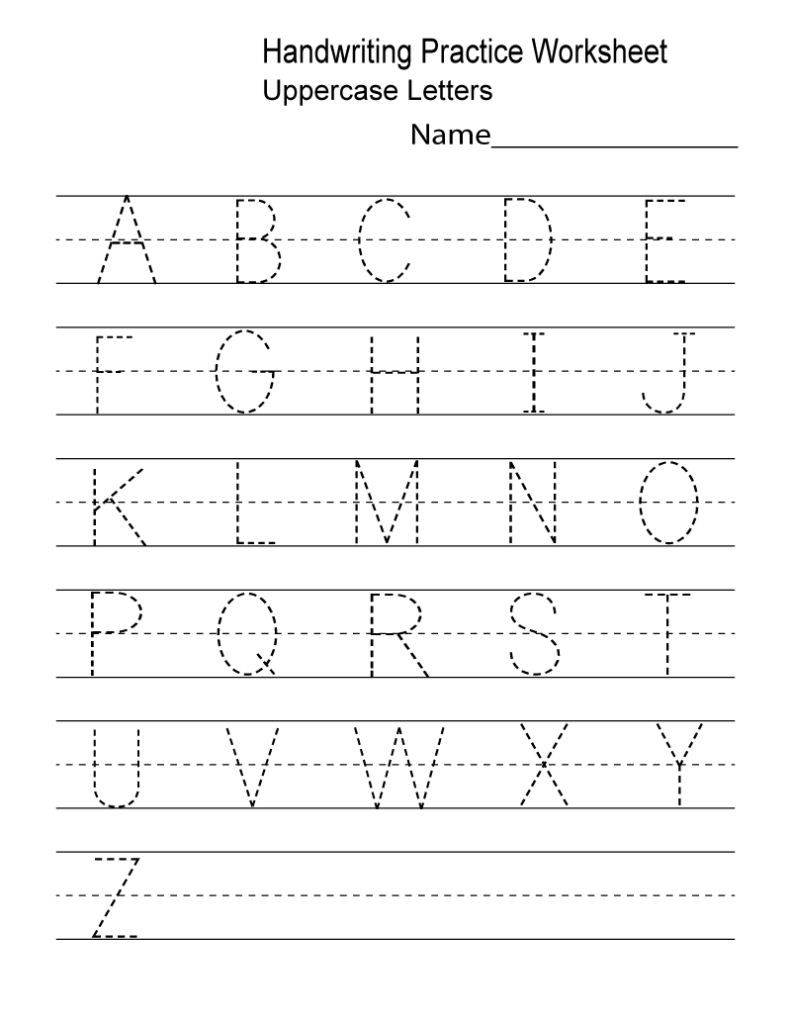
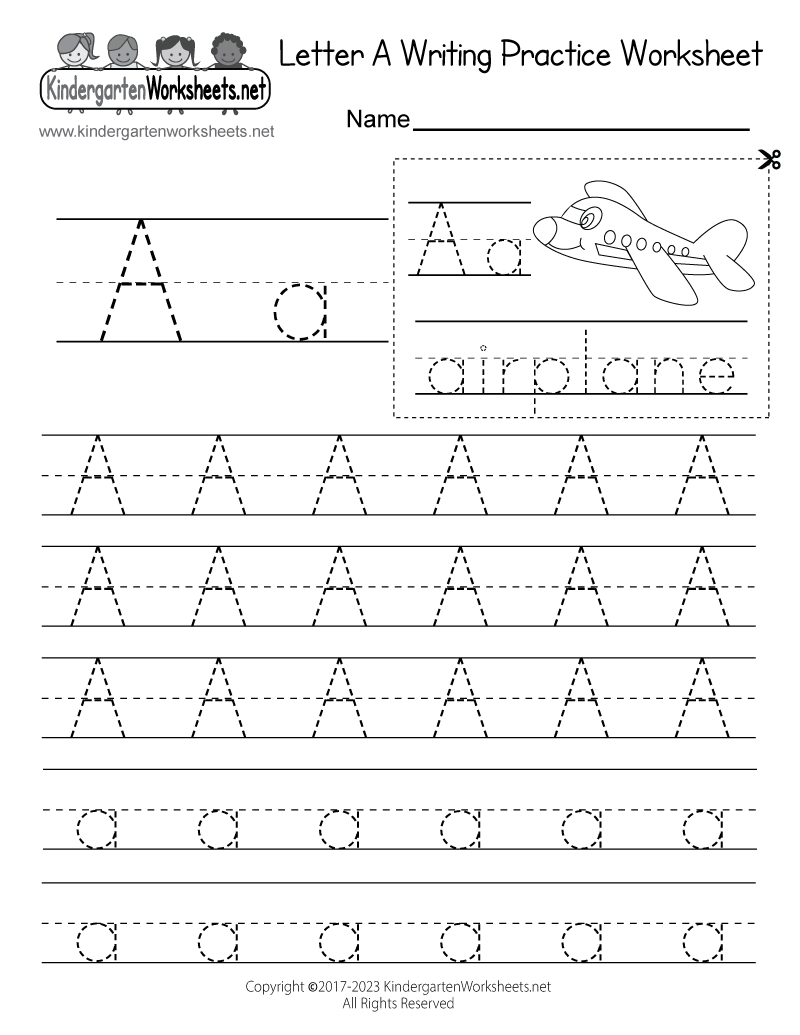
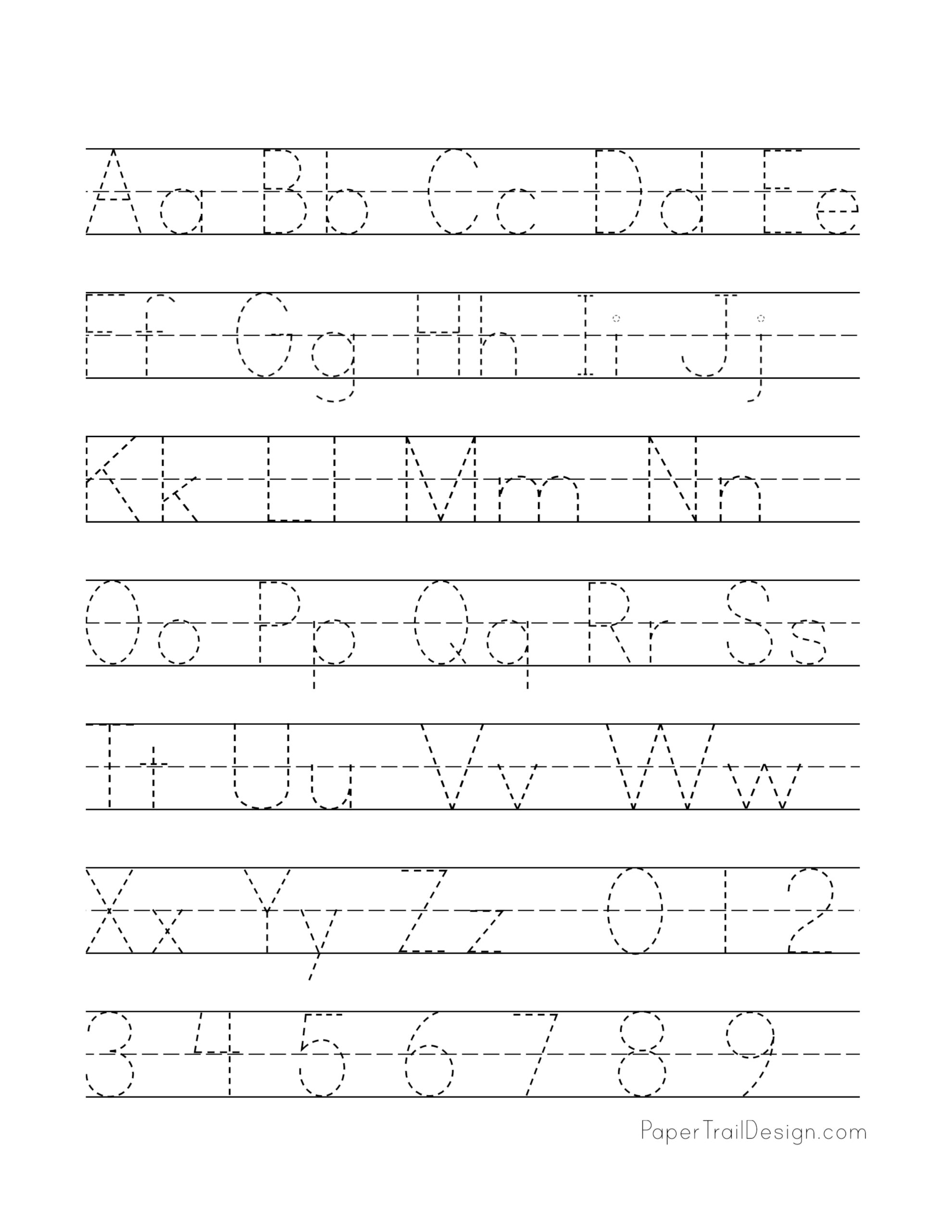
Alphabet writing worksheets provide structured, guided templates designed to build foundational letter formation, fine-motor control, and orthographic mapping in young learners. According to the National Association for the Education of Young Children (NAEYC), intentional physical practice of letter shapes is crucial for developing automaticity in early writing. Educators and parents utilize these specialized worksheets to transition children from gross-motor scribbling to precise, controlled pencil manipulation. Implementing structured letter writing worksheets ensures that learners master correct stroke sequences before bad muscle memory habits form. Furthermore, pairing these tools with targeted tracing worksheets accelerates visual-motor integration during the critical preschool and kindergarten years.
Handwriting Practice Snapshot:
- Core Focus: Systematic stroke mastery and letter formation via structured templates.
- Target Scope: Early childhood education settings, homeschool environments, and occupational therapy clinics.
- Key Recommendation: Prioritize proper pencil grip and continuous top-to-bottom stroke execution during every session.
Core Principles and Detailed Overview
Letter formation mechanics depend heavily on consistent baseline orientation, directional arrows, and appropriate spatial line bounds. Alphabet writing worksheets operationalize these mechanical requirements by breaking complex glyphs down into distinct vertical, horizontal, diagonal, and curved strokes. Early learners benefit greatly from starting with foundational preschool worksheets that isolate individual geometric lines before advancing to multi-stroke letter construction. Establishing a reliable baseline routine prevents letter reversals, disproportionate sizing, and irregular slant. Integrating these foundational writing exercises alongside creative coloring worksheets also helps maintain hand stamina and keeps engagement high throughout developmental practice.
Key Specifications and Breakdown
| Skill Level / Grade | Target Stroke / Mechanical Focus | Pedagogical / Coaching Cue |
|---|---|---|
| Early Preschool (Ages 3-4) | Vertical, horizontal, and curved line isolation | “Start at the top sky line and pull straight down to the ground.” |
| Late Preschool / Kindergarten (Ages 4-5) | Uppercase letter structure and directional continuity | “Keep continuous contact with the paper; lift only when changing strokes.” |
| Early First Grade (Ages 6-7) | Lowercase ascenders, descenders, and midline placement | “Keep the belly of the letter touching the dotted middle line.” |
Fine-motor control and proximal stability are foundational prerequisites for sustained handwriting legibility in early childhood education. — American Occupational Therapy Association (AOTA)
Step-by-Step Practical Application and Guidelines
Effective execution of alphabet writing worksheets requires a structured three-phase instructional sequence: demonstration, guided practice, and independent application. Begin by modeling the exact starting dot and directional path on a demonstration board while verbally reciting the stroke steps. Next, guide the learner through the initial rows of the worksheet, ensuring proper tripod pencil grasp and stable paper positioning with the non-dominant hand. Once correct mechanics are observed, allow independent execution while monitoring for consistency in letter size, shape, and baseline alignment. For children working on personalized spelling or early identifiers, complementing alphabet practice with targeted name practice worksheets provides immediate, high-relevance functional writing context.
Common Challenges and How to Avoid Them
Common handwriting roadblocks include bottom-up stroke execution, severe letter reversals (such as confusing ‘b’ and ‘d’), and excessive finger pressure leading to hand fatigue. Remedying these issues requires immediate intervention using multisensory tracing techniques and arrow-guided templates rather than allowing incorrect habits to solidify. Educators and parents must monitor grip strength and paper tilt, ensuring that learners sit with feet flat on the floor and paper angled comfortably toward the writing hand. Consistency, brief daily practice sessions of five to ten minutes, and positive reinforcement yield far superior neurological retention than infrequent, lengthy writing marathons.
💬 Frequently Asked Questions
Explore More Free Handwriting and Character Worksheets
Accessing high-quality educational resources supports lifelong literacy and motor skill development in young learners. Parents, educators, and homeschool teachers can discover an extensive collection of printable materials by visiting CharacterWritingWorksheets.com for all foundational learning requirements.
Worksheet Previews & Reference Materials