Introduction
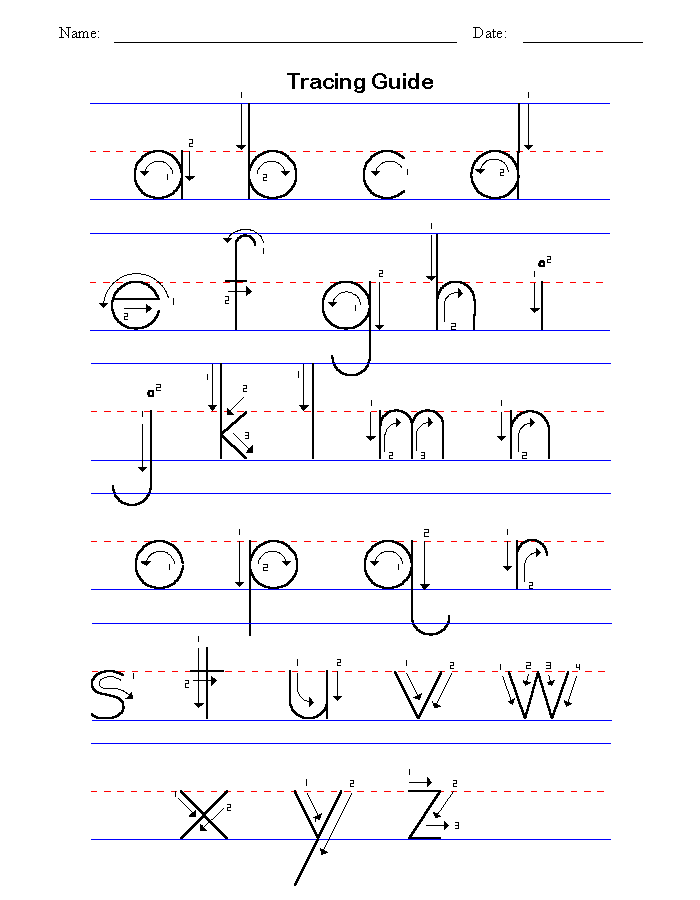
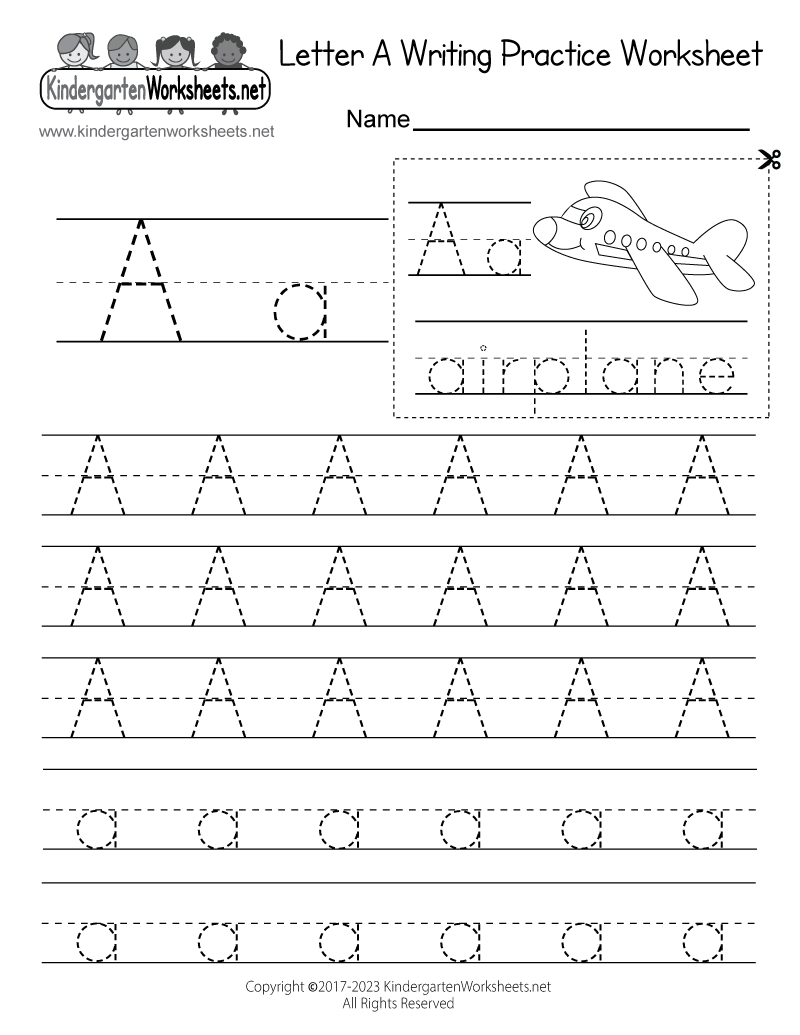
Alphabet writing worksheets with arrows are structured instructional templates that utilize visual directional indicators to teach children correct stroke sequences and pencil trajectories during letter formation. According to the National Association for the Education of Young Children (NAEYC), purposeful early writing instruction supported by visual cues enhances fine-motor planning, muscle memory, and orthographic mapping in young learners. These targeted sheets guide young hands from the exact starting point to the final stroke, eliminating the formation of malformed letters and bad habits that are difficult to correct later. Developing foundational writing fluency requires continuous practice using systematic tracing worksheets to build confidence before independent freehand writing occurs.
Handwriting Practice Snapshot:
- Core Focus: Alphabet writing worksheets with arrows provide explicit visual stroke-direction cues for early letter formation.
- Target Scope: Ideal for preschool, kindergarten, and occupational therapy interventions focusing on fine-motor control.
- Key Recommendation: Monitor initial stroke execution strictly to ensure muscle memory aligns with directional arrows.
Core Principles and Detailed Overview
Mastering handwriting mechanics depends on internalizing top-to-bottom and left-to-right stroke sequences, which arrows on writing templates seamlessly facilitate. When children learn to write letters using standardized directional prompts, cognitive load decreases, allowing greater focus on spatial awareness, line alignment, and letter proportions. Educators often combine these directional sheets with supplementary preschool worksheets to reinforce multi-sensory pre-writing strokes. Establishing proper biomechanics during early childhood prevents hand fatigue and maximizes writing speed as academic demands increase in later grade levels.
Key Specifications and Breakdown
| Skill Level / Grade | Target Stroke / Mechanical Focus | Pedagogical / Coaching Cue |
|---|---|---|
| Early Preschool (Ages 3-4) | Vertical and horizontal foundational lines | Start at the top dot, pull straight down to the baseline. |
| Late Preschool / Kindergarten (Ages 4-5) | Diagonal strokes and closed circles | Curve smoothly around the circle, close at the top right. |
| Early Elementary (Ages 5-6) | Multi-stroke uppercase and lowercase letters | Lift the pencil after the first vertical stroke, add the crossbar. |
Explicit instruction in letter formation stroke sequence significantly enhances legibility, writing speed, and orthographic retention in early childhood learners — American Occupational Therapy Association (AOTA)
Step-by-Step Practical Application and Guidelines
Implementing arrow-guided writing sheets requires a structured, multi-sensory approach that transitions children from gross-motor air writing to fine-motor pencil control. Begin by having learners trace the directional arrows with an index finger, verbalizing the stroke path (e.g., “big line down, frog jump back to the top”). Next, transition the child to a short-barreled writing utensil to encourage a mature tripod grasp while completing primary letter writing worksheets. Finally, require independent execution on blank primary lines without arrow cues to test whether proper muscle memory has been successfully established.
Common Challenges and How to Avoid Them
Reversing stroke direction—such as drawing circular letters clockwise instead of counter-clockwise—is the most frequent obstacle educators encounter during early writing development. To prevent this regression, closely monitor the initial contact point on each worksheet and gently halt incorrect pencil movements immediately. Incorrigible bottom-up stroke habits often stem from a lack of visual tracking skills, which can be mitigated by pairing standard writing pages with targeted name practice worksheets that demand consistent upper-left initiation points.
💬 Frequently Asked Questions
Explore More Free Handwriting and Character Worksheets
Optimizing early childhood literacy and fine-motor development requires access to a diverse array of structured educational resources for daily classroom or home instruction. Discover an extensive collection of free, high-quality printing assets by exploring the complete library available across CharacterWritingWorksheets.com. Whether reinforcing targeted letter strokes or exploring creative engagement through themed coloring worksheets, consistent practice remains the cornerstone of lifelong academic success.
Worksheet Previews & Reference Materials