Introduction
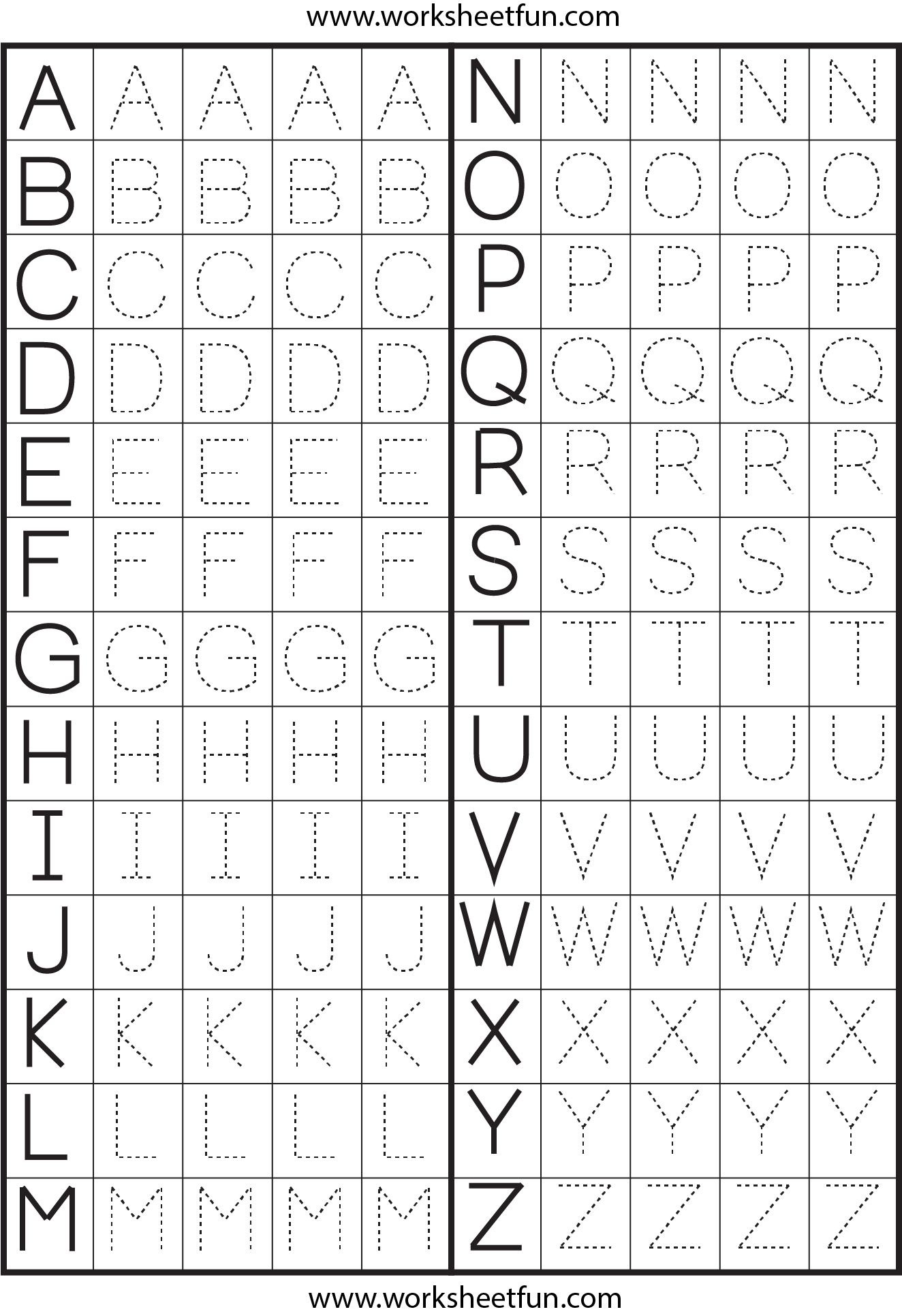
Alphabet writing worksheets pdf files serve as foundational digital templates designed to systematically teach young learners proper letter formation, pencil control, and stroke sequencing. According to the National Association for the Education of Young Children (NAEYC), purposeful fine-motor activities and guided early writing experiences are essential for developing the neuromuscular control required for lifelong literacy. Utilizing standardized printable resources allows educators and parents to provide consistent, repetitive mechanical practice that bridges the gap between basic motor skills and legible handwriting fluency.
Handwriting Practice Snapshot:
- Core Focus: Alphabet writing worksheets pdf templates provide structured kinetic frameworks for mastering uppercase and lowercase letter formation.
- Target Scope: Early childhood education, kindergarten classrooms, and home-school environments focusing on pre-writing skills.
- Key Recommendation: Implement daily short-duration practice sessions paired with verbal directional cues to build reliable muscle memory.
Core Principles and Detailed Overview
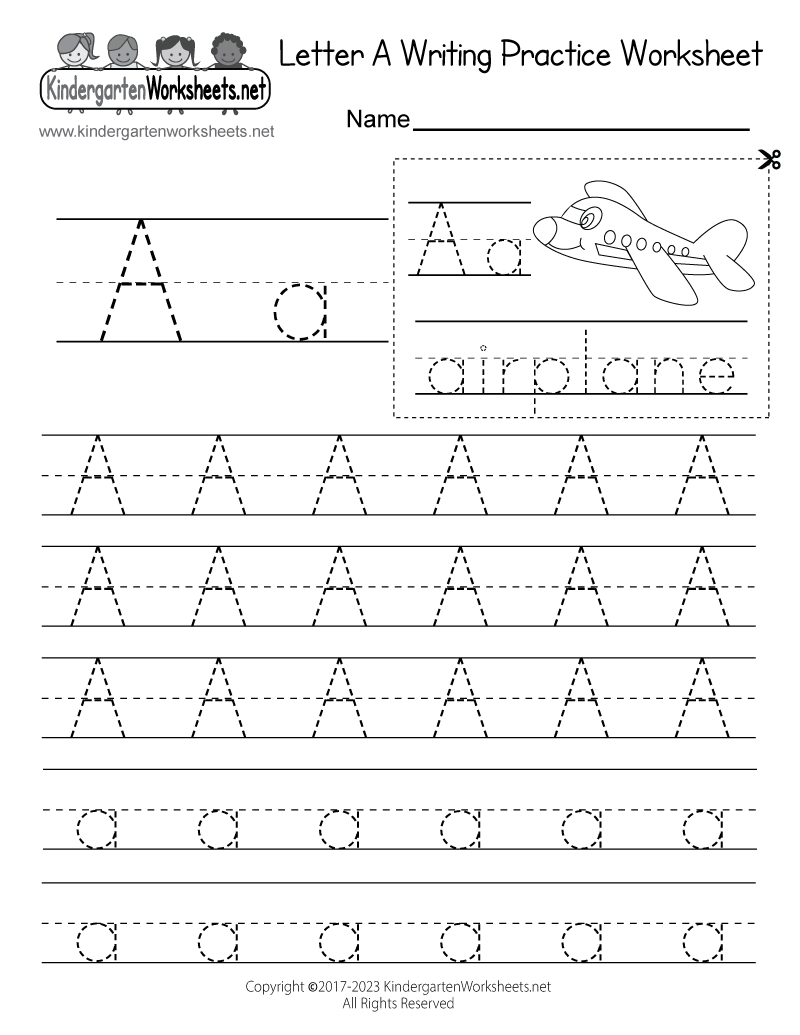
Alphabet writing worksheets pdf resources facilitate motor learning by breaking complex letter shapes down into standardized directional strokes. Proper stroke sequencing prevents bad writing habits, such as starting letters from the bottom or using inconsistent lines, which severely hinder future writing speed and legibility. By integrating structured baseline guides, midline markers, and directional arrows, these printable materials give children clear spatial boundaries. Educators expanding beyond standard text often supplement these assets with preschool worksheets and foundational tracing worksheets to ensure holistic fine-motor development before independent writing begins.
Key Specifications and Breakdown
| Skill Level / Grade | Target Stroke / Mechanical Focus | Pedagogical / Coaching Cue |
|---|---|---|
| Early Preschool (Ages 3-4) | Vertical, horizontal, and diagonal pre-writing strokes | Start at the top dot and pull straight down like a falling raindrop. |
| Late Preschool (Ages 4-5) | Uppercase letters with straight and curved lines | Make a big tall stick first, then add the curved tummy on the right. |
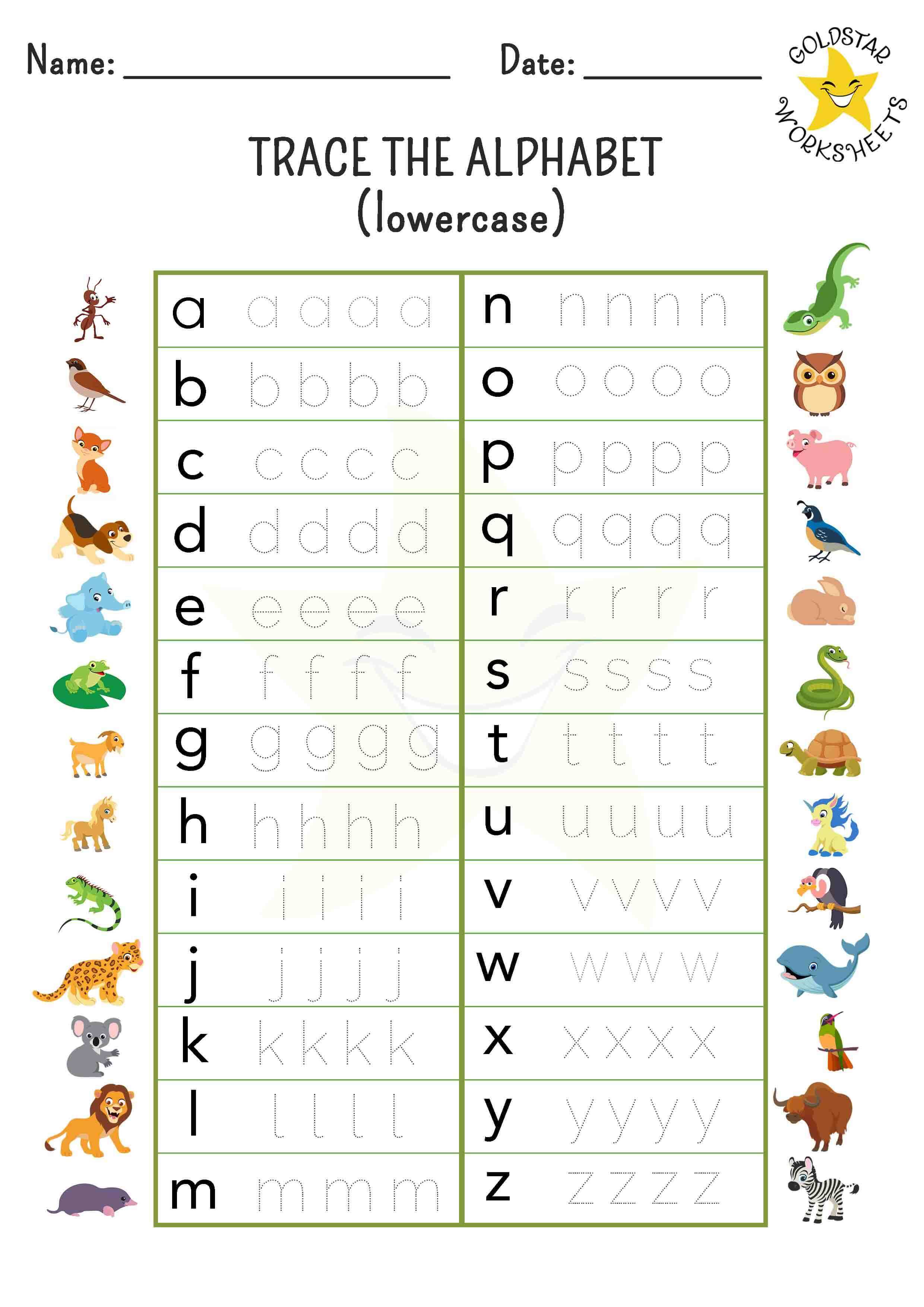
| Kindergarten (Ages 5-6) | Lowercase formations and baseline spatial placement | Keep the small letter inside the dotted midline and solid baseline. |
Developmental progression in early handwriting requires explicit, multi-sensory instruction paired with structured visual guides to reinforce proper motor planning and spatial awareness. — American Occupational Therapy Association (AOTA)
Step-by-Step Practical Application and Guidelines
Effective deployment of alphabet writing worksheets pdf tools relies on maintaining proper ergonomics, consistent pacing, and active adult supervision. Begin each session by ensuring the learner maintains a tripod pencil grasp, sits with feet flat on the floor, and tilts the paper slightly to match the natural writing angle of the dominant hand. Instructors should demonstrate the stroke sequence on a whiteboard before the child touches the printable page. Transition learners gradually from full-line tracing to dotted-line fading, and finally to independent box-grid writing, utilizing letter writing worksheets to track ongoing mechanical progress.
Common Challenges and How to Avoid Them
Reversals of symmetrical letters like ‘b’ and ‘d’, along with bottom-up stroke formation, represent the most frequent obstacles encountered during early handwriting instruction. Educators can eliminate incorrect motor patterns by strictly enforcing verbal directional cues and stopping students immediately when a pencil moves in the wrong direction. To reinforce proper letter differentiation and prevent cognitive fatigue, pair writing exercises with engaging coloring worksheets that build finger strength without demanding intense visual-motor precision.
💬 Frequently Asked Questions
Explore More Free Handwriting and Character Worksheets
Building exceptional handwriting skills requires a diverse, expanding library of targeted practice materials that grow alongside the learner. Instructors and parents can access a comprehensive collection of supplementary resources, including specialized name practice worksheets and custom printable tools, directly through the central repository at CharacterWritingWorksheets.com.
Worksheet Previews & Reference Materials