Introduction
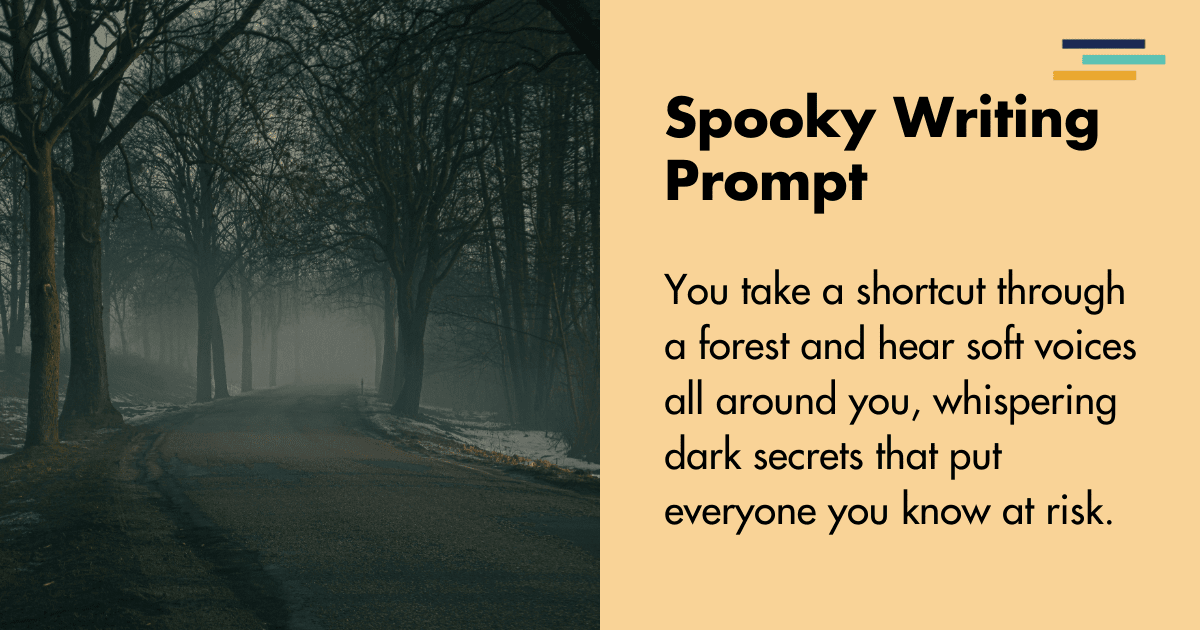
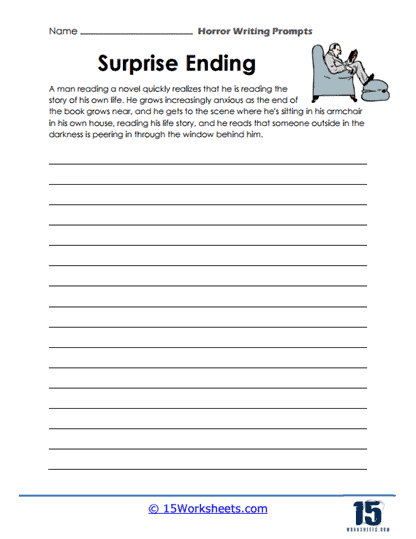
Spooky storytelling engages older elementary and middle school students in ways traditional writing prompts rarely achieve. When children encounter eerie scenarios and mysterious visual cues, motivation surges. Leveraging this enthusiasm requires targeted writing tools that bridge creative engagement with foundational skill mastery. The free printable worksheet scary story picture writing prompts middle school provides a structured canvas where reluctant writers transform into eager narrative architects. Occupational therapy observations frequently reveal that older students struggling with hand fatigue or organizational pacing benefit immensely from thematic prompts that reduce cognitive load during brainstorming. Instead of staring at a blank white page wondering what to write, learners immediately latch onto atmospheric imagery, freeing up precious neurological bandwidth for sentence structure, descriptive vocabulary, and sustained pencil control. Integrating these narrative exercises into a weekly curriculum supports both expressive language development and the physical stamina required for extended writing tasks.
💡 Educational Key Takeaways:
- Core Skill: Structured Scary Story Picture Writing Prompts Middle School focused on developing pencil grip, stroke control, and early literacy/math confidence.
- Target Scope: Suited for homeschoolers, preschool, kindergarten, and elementary learners.
- Best Recommendation: Practice 10–15 minutes daily with ergonomic writing tools to reinforce muscle memory without hand fatigue.
What This Worksheet Covers
Atmospheric writing prompts bridge visual analysis and linguistic output, encouraging students to translate eerie imagery into cohesive descriptive paragraphs. According to Reading Rockets, visual prompts significantly enhance narrative comprehension and descriptive vocabulary by giving concrete context to abstract imaginative concepts. Learners analyze shadowy settings, uncanny characters, or mysterious objects, then deploy structured writing lines to construct suspenseful narratives. The resource targets advanced pre-writing strokes, spatial planning, line accuracy, and pencil control within a motivating thematic framework. Transitioning from simple sentences to complex, multi-paragraph spooky tales demands mature hand endurance and sustained bilateral coordination. Educators frequently notice that when children grip a pencil with proper dynamic tripod grasp during high-interest writing sessions, hand cramping decreases because the novelty of the spooky prompt diverts attention away from physical exertion. Beyond narrative generation, these pages reinforce proper letter sequencing, margins, and punctuation usage under engaging conditions.
Key Learning Outcomes
Completing these themed narrative exercises yields measurable improvements in both creative writing output and physical dexterity. Students refine fine motor precision through consistent letter formation and controlled spacing between atmospheric adjectives and nouns. According to the American Occupational Therapy Association, sustained handwriting practice using targeted prompts supports the automaticity of letter strokes, allowing children to focus entirely on story plot rather than mechanical pencil movement. Furthermore, organizing thoughts around a suspenseful visual cue fosters executive functioning skills, including sequencing events, building tension, and crafting satisfying narrative resolutions. These combined cognitive and physical gains translate directly into better overall academic performance across all subjects requiring written expression.
How to Use This Worksheet
Successful implementation begins with setting an inviting, slightly mysterious mood that aligns with the spooky aesthetic of the prompt. Educators and parents can introduce the worksheet by discussing mood-setting vocabulary, dark lighting, or suspenseful storytelling techniques before any writing begins. Providing alternative tools, such as adaptive writing grips or varied line widths, ensures every child accesses the material comfortably. For students exploring broader foundational skills, pairing this activity with resources found within Tracing Worksheets helps reinforce the underlying stroke accuracy necessary for legible handwriting. Adults should observe hand placement closely, checking for excessive fist-gripping or white-knuckle pressure as the story builds toward a dramatic climax. Allowing time for peer sharing or dramatic reading of the completed spooky stories transforms an independent desk task into a celebratory community event.
Practical Tips for Parents and Teachers
Scaffolding the writing process prevents overwhelm when children face blank lines and complex narrative prompts. Breaking the activity into manageable chunks—such as brainstorming descriptive words first, drafting the spooky introduction second, and refining the conclusion last—protects developing hands from premature fatigue. Desk height, chair positioning, and feet flat on the floor remain essential physical prerequisites for maintaining optimal postural stability during writing sessions. For older students needing broader practice across different modalities, exploring collections like Worksheets offers endless variety. Encouraging breaks for hand-stretching and finger-flexing keeps muscles relaxed and ready for expressive storytelling without discomfort.
Age-Appropriate Recommendations
Tailoring writing expectations to developmental stages ensures children experience success rather than frustration when tackling complex narrative tasks. According to Common Core ELA standards for writing progression (CCSS.ELA-LITERACY.W.6.3), middle school students must write narratives to develop real or imagined experiences using effective technique, relevant descriptive details, and well-structured event sequences. While older elementary and middle school students handle multi-paragraph spooky tales independently, younger siblings benefit from modified versions focusing on simple sentence generation or guided pre-writing strokes found in Preschool Worksheets. Matching the worksheet complexity to the specific fine motor and cognitive readiness level of the child guarantees sustained engagement and progressive skill mastery.
Visual prompts significantly enhance narrative comprehension and descriptive vocabulary by giving concrete context to abstract imaginative concepts. — Reading Rockets
Frequently Asked Questions
Explore More Free Printable Worksheets
Expanding a writing curriculum benefits from incorporating diverse skill-building resources tailored to specific developmental milestones. Educators and parents seeking foundational spelling and composition practice often utilize tools from Letter Writing Worksheets to reinforce proper stroke order and character alignment. Additionally, personalizing literacy sessions with resources from Name Practice Worksheets builds early confidence and pencil familiarity before students advance to complex atmospheric storytelling prompts.
Developmental Milestone & Activity Table
| Development Stage | Recommended Daily Duration | Primary Learning Objective |
|---|---|---|
| Preschool & Pre-K | 10 – 15 Minutes | Pencil grip development & basic pre-stroke lines |
| Kindergarten | 15 – 20 Minutes | Letter/number formation & spatial line awareness |
| Early Elementary (Grade 1–2) | 20 – 30 Minutes | Fluency, sentence construction & neatness |
Images References