Introduction
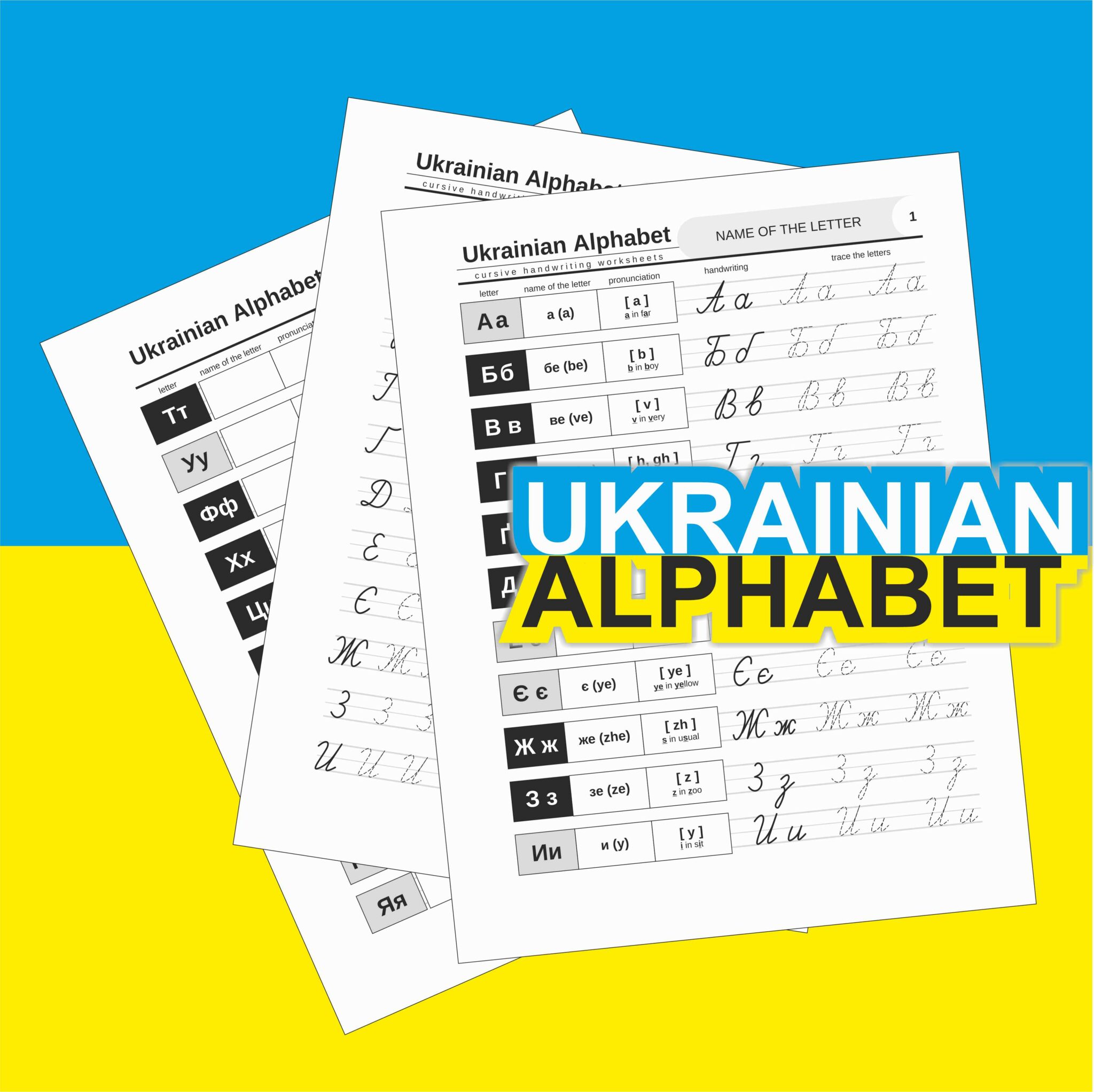
A Ukrainian cursive worksheet provides structured tracing exercises designed to teach the distinct letterforms, consistent slants, and fluid baseline connections required for Cyrillic script mastery. According to the National Association for the Education of Young Children (NAEYC), purposeful fine-motor practice directly enhances orthographic development, cognitive mapping, and permanent memory retention in early childhood literacy. Mastering this specific script involves strict adherence to unique directional strokes, loop sizes, and baseline alignments found in traditional Eastern European penmanship standards. Educators utilizing specialized worksheets ensure learners build immediate mechanical competence when transitioning from isolated print symbols to joined-up cursive writing.
Handwriting Practice Snapshot:
- Core Focus: Direct structural mastery of Ukrainian Cyrillic cursive characters, loop proportions, and baseline connectors.
- Target Scope: Early elementary classrooms, bilingual programs, and heritage language homeschool environments.
- Key Recommendation: Prioritize isolated stroke breakdown before demanding continuous, fluid multi-letter word strings.
Core Principles and Detailed Overview
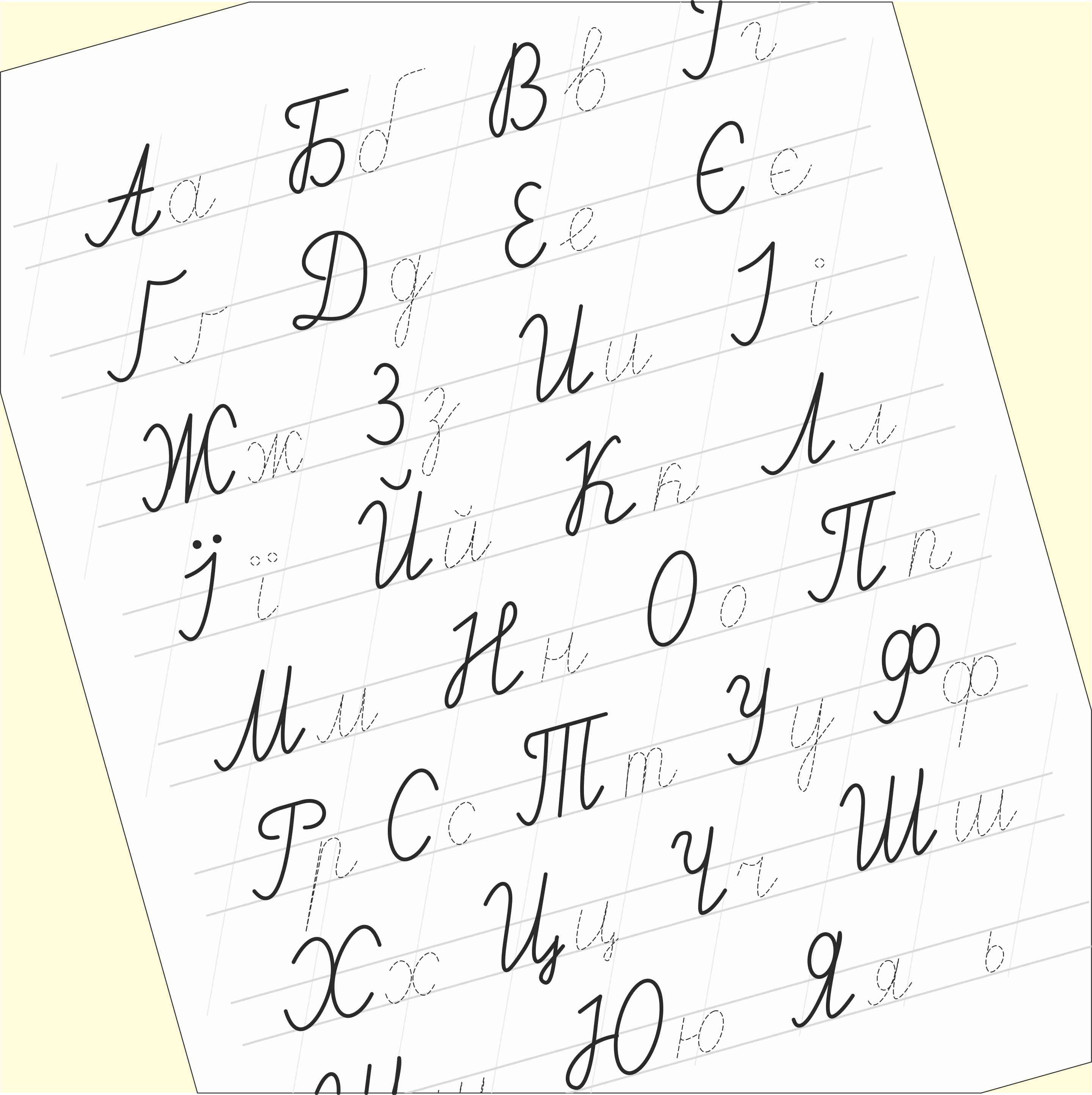
Ukrainian cursive mechanics demand rigorous spatial awareness, consistent slanting angles, and precise proportional height ratios between ascenders, descenders, and core body loops. Unlike standard Latin cursive, Ukrainian script incorporates distinct characters such as ‘г’, ‘ґ’, ‘ж’, ‘ї’, and ‘щ’ that require specialized multi-stroke motor planning. Utilizing structured tracing worksheets allows young writers to internalize these complex motor pathways safely before moving to unassisted writing lines. Correct implementation reduces hand fatigue and prevents common structural errors like incorrect baseline anchoring or improper letter spacing.
Key Specifications and Breakdown
| Skill Level / Grade | Target Stroke / Mechanical Focus | Pedagogical / Coaching Cue |
|---|---|---|
| Beginner (Grades 1-2) | Baseline entry strokes, basic loops, and height uniformity. | Anchor the wrist lightly while pulling the pencil upward at a consistent 60-degree angle. |
| Intermediate (Grades 3-4) | Complex Cyrillic connector tails and multi-curve glyphs (‘ш’, ‘щ’, ‘ю’). | Pause briefly at the baseline before launching the connecting hairline upward. |
| Advanced (Grade 5+) | Word-level fluency, rhythmic pacing, and personal style refinement. | Maintain constant pressure to ensure uniform ink or graphite darkness across lines. |
Structured fine-motor instruction supports sustained orthographic mapping and functional legibility in young learners — American Occupational Therapy Association (AOTA)
Step-by-Step Practical Application and Guidelines
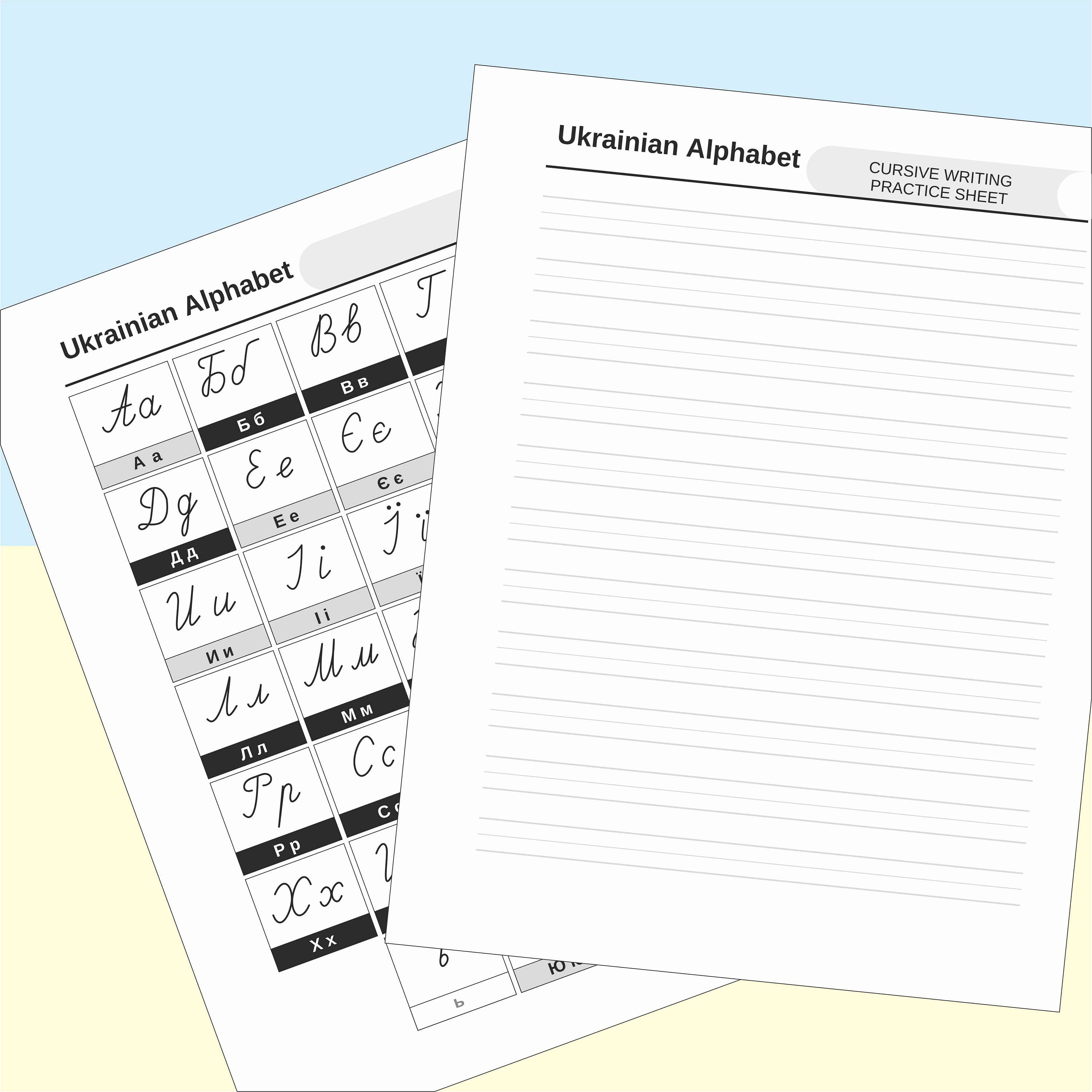
Implementing a progressive daily practice regimen ensures optimal neurological imprinting of complex Cyrillic cursive letterforms. Begin each session with loose-wrist warm-ups using foundational preschool worksheets to prime the hand muscles for tight loops. Next, introduce target letters individually, having the learner trace faint dashed models three to five times before attempting independent replication on blank ruling. Transition gradually to combining letters into syllables, paying close attention to transitional connection lines that bridge characters like ‘м’ and ‘л’. Consistent, short daily sessions yield superior mechanical retention compared to sporadic, lengthy writing blocks.
Common Challenges and How to Avoid Them
Learners frequently struggle with maintaining the correct forward slant angle, often letting letters stand completely vertical or lean backward against the baseline. Another persistent challenge involves disproportional loop sizing, where ascenders on letters like ‘б’ or ‘в’ exceed standard guide rails and disrupt line spacing. Educators can diagnose these mechanical issues early by evaluating baseline alignment alongside comprehensive letter writing worksheets that isolate problematic character combinations. Corrective measures should focus on adjusting paper tilt and utilizing tactile raised-line paper to provide immediate physical feedback for out-of-bounds strokes.
💬 Frequently Asked Questions
Explore More Free Handwriting and Character Worksheets
Expanding early literacy toolkits with diverse exercises ensures comprehensive writing proficiency across multiple alphabets and writing systems. Explore additional curated practice materials, custom name practice worksheets, and creative coloring worksheets directly at CharacterWritingWorksheets.com to support continuous, engaging student development.
Worksheet Previews & Reference Materials