Introduction
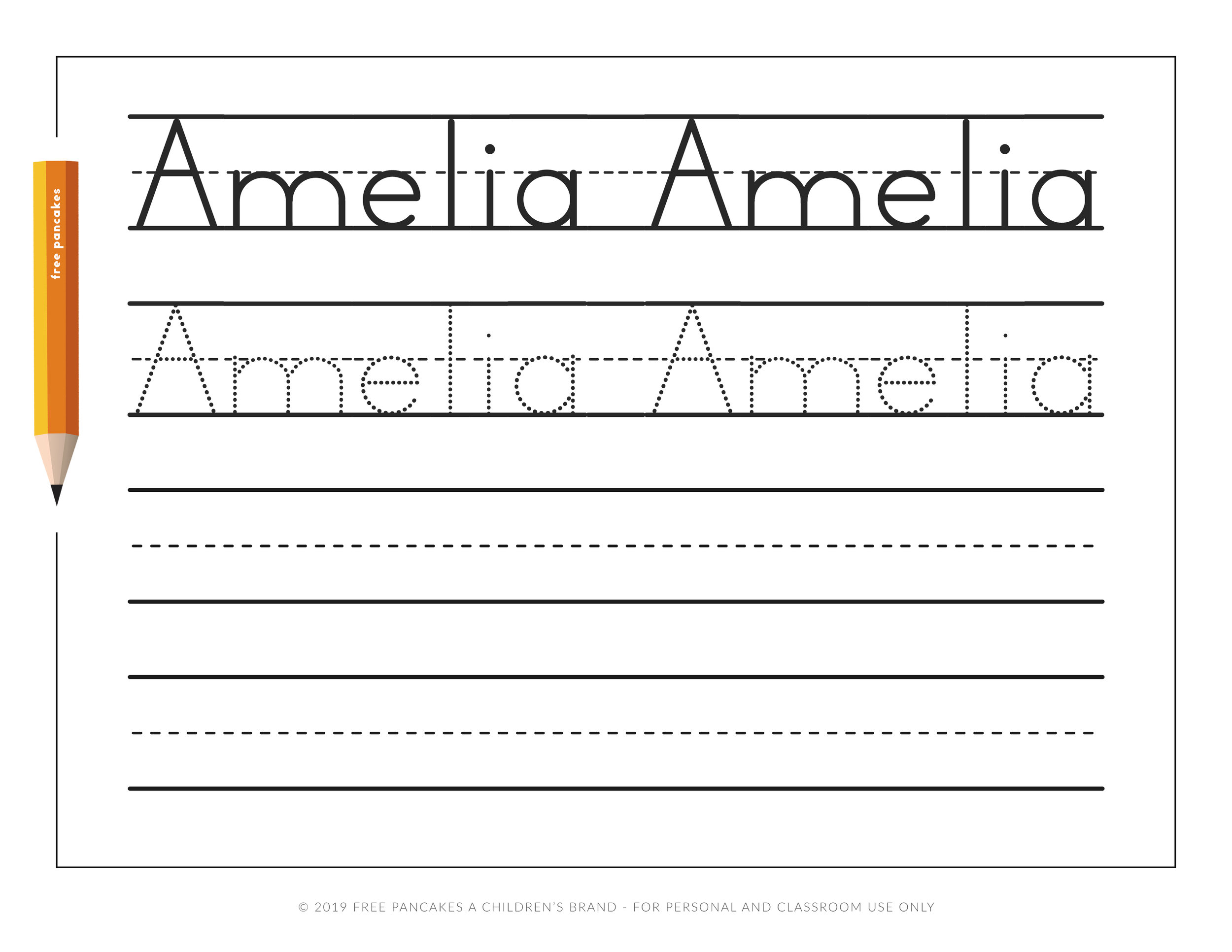
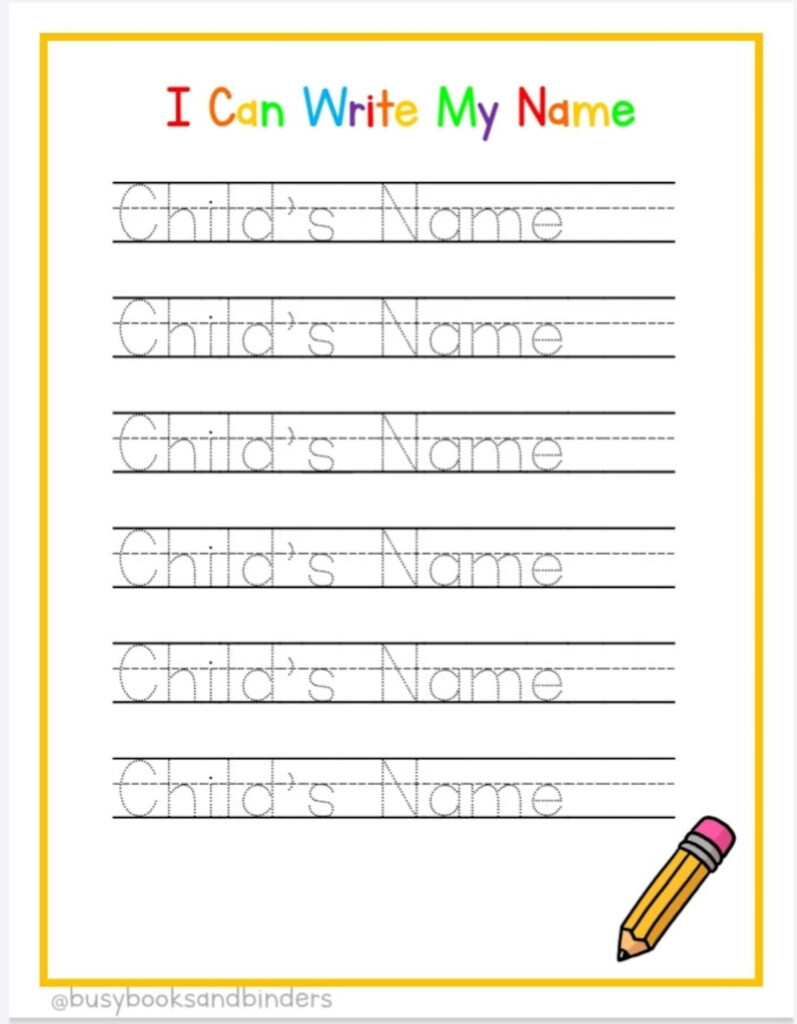
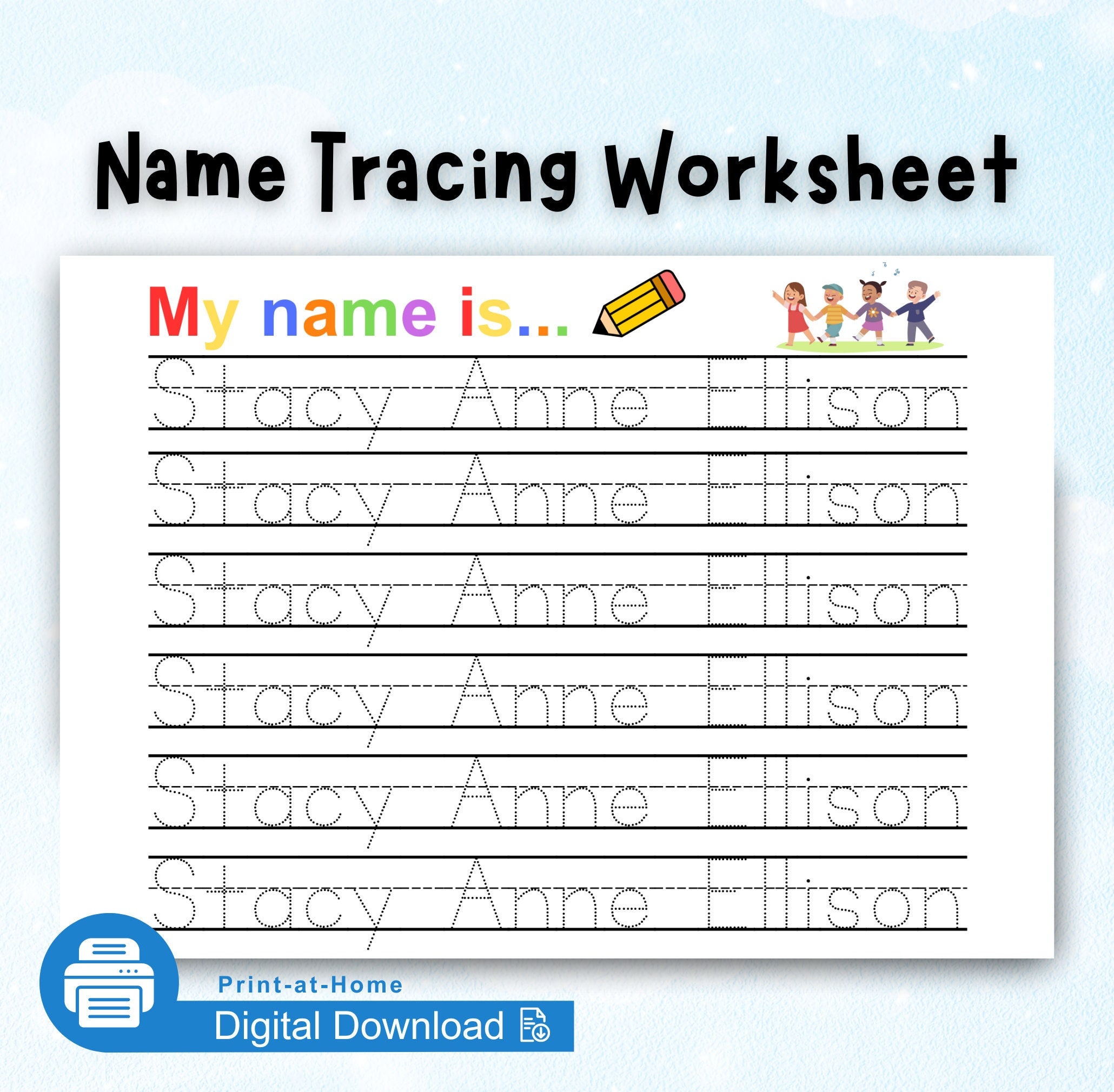
A name practice worksheet generator creates customizable tracing layouts that accelerate early literacy and foundational handwriting mechanics for young learners. According to the National Association for the Education of Young Children (NAEYC), intentional handwriting practice supports emergent literacy by reinforcing letter recognition and building essential fine-motor control through repetitive physical engagement. Educators and parents utilize a dynamic generator to produce tailored materials that match a child’s specific developmental readiness, moving from multi-sensory pre-writing strokes to independent letter formation. Leveraging specialized tools ensures that children learn to spell and write their own names accurately from the very beginning of their educational journey.
Handwriting Practice Snapshot:
- Core Focus: Customizing tracing sheets for personalized child name mastery and stroke sequence retention.
- Target Scope: Preschoolers, kindergarteners, and early elementary students developing pencil grip.
- Key Recommendation: Pair generated custom templates with tactile multi-sensory tracing activities before paper-pencil practice.
Core Principles and Detailed Overview
The primary mechanical advantage of a name practice worksheet generator lies in its ability to sequence uppercase and lowercase characters using correct directional strokes. Handwriting mechanics require precise spatial awareness, baseline adherence, and consistent letter proportions that standard generic printouts frequently fail to provide. By tailoring the font size, dot density, and baseline style, instructors address specific grip fatigue and stroke reversal tendencies. Integrating structured templates into daily routines complements broader classroom preschool worksheets, establishing a predictable rhythm for foundational literacy development.
Key Specifications and Breakdown
| Skill Level / Grade | Target Stroke / Mechanical Focus | Pedagogical / Coaching Cue |
|---|---|---|
| Early Preschool | Vertical lines, horizontal lines, and curved pre-writing shapes. | “Start at the top dot and pull straight down to the baseline.” |
| Late Preschool | Uppercase initial capitals and continuous circular formations. | “Trace the dotted path slowly without lifting the pencil tip.” |
| Kindergarten | Lowercase letter alignment, spacing, and baseline consistency. | “Keep your letters resting firmly on the solid bottom line.” |
Early fine-motor precision and visual-motor integration are foundational predictors of long-term academic success and orthographic legibility. — American Occupational Therapy Association (AOTA)
Step-by-Step Practical Application and Guidelines
Effective deployment of custom name sheets requires a gradual transition from heavily guided tracing to independent memory reproduction. Begin by selecting a sans-serif or dashed font style from a reliable name practice worksheets library to clearly display starting dots and directional arrows. Next, print the generated sheet on heavy-weight paper to prevent tearing during repeated tracing attempts with dull pencils or crayons. Monitor the learner closely during initial trials to correct awkward grip postures immediately before muscle memory solidifies incorrect habits. Follow up completed writing sessions with engaging coloring worksheets to maintain high enthusiasm and reward sustained fine-motor effort.
Common Challenges and How to Avoid Them
Premature fatigue and letter reversals represent the most frequent obstacles encountered during early writing instruction. Instructors should limit practice intervals to short, five-minute daily sessions to protect undeveloped hand muscles from cramping or tension. When learners struggle with proper directional flow, supplementing paper exercises with targeted tracing worksheets isolates specific tricky letter curves. Furthermore, integrating structured letter writing worksheets alongside personalized name practice helps clarify general alphabet rules that might otherwise confuse developing writers.
💬 Frequently Asked Questions
Explore More Free Handwriting and Character Worksheets
Accessing high-quality educational resources ensures that early learners build enduring confidence and fluid fine-motor skills. Explore the comprehensive collection of customizable printables available directly through CharacterWritingWorksheets.com to support comprehensive literacy development at home and in the classroom.
Worksheet Previews & Reference Materials