Introduction
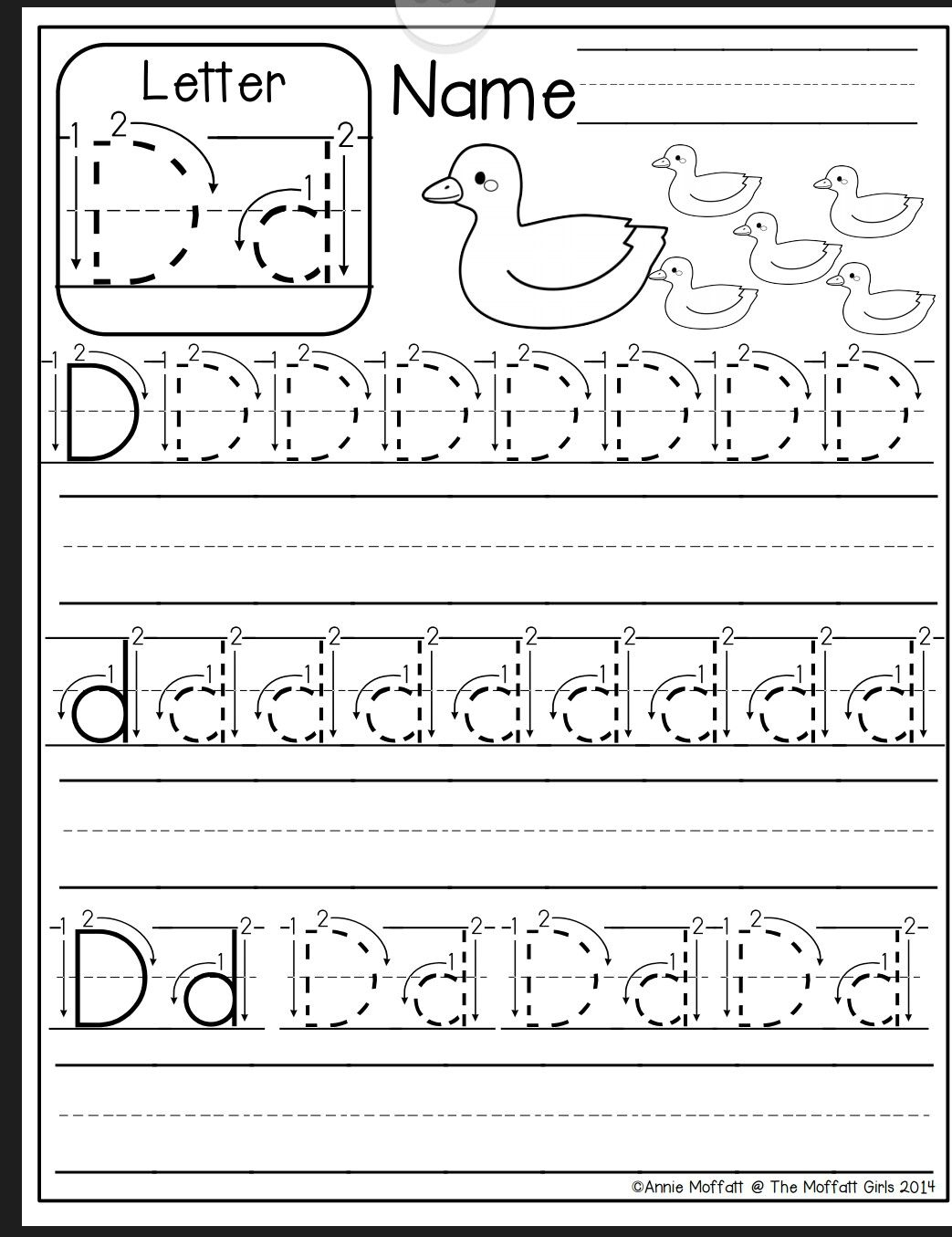
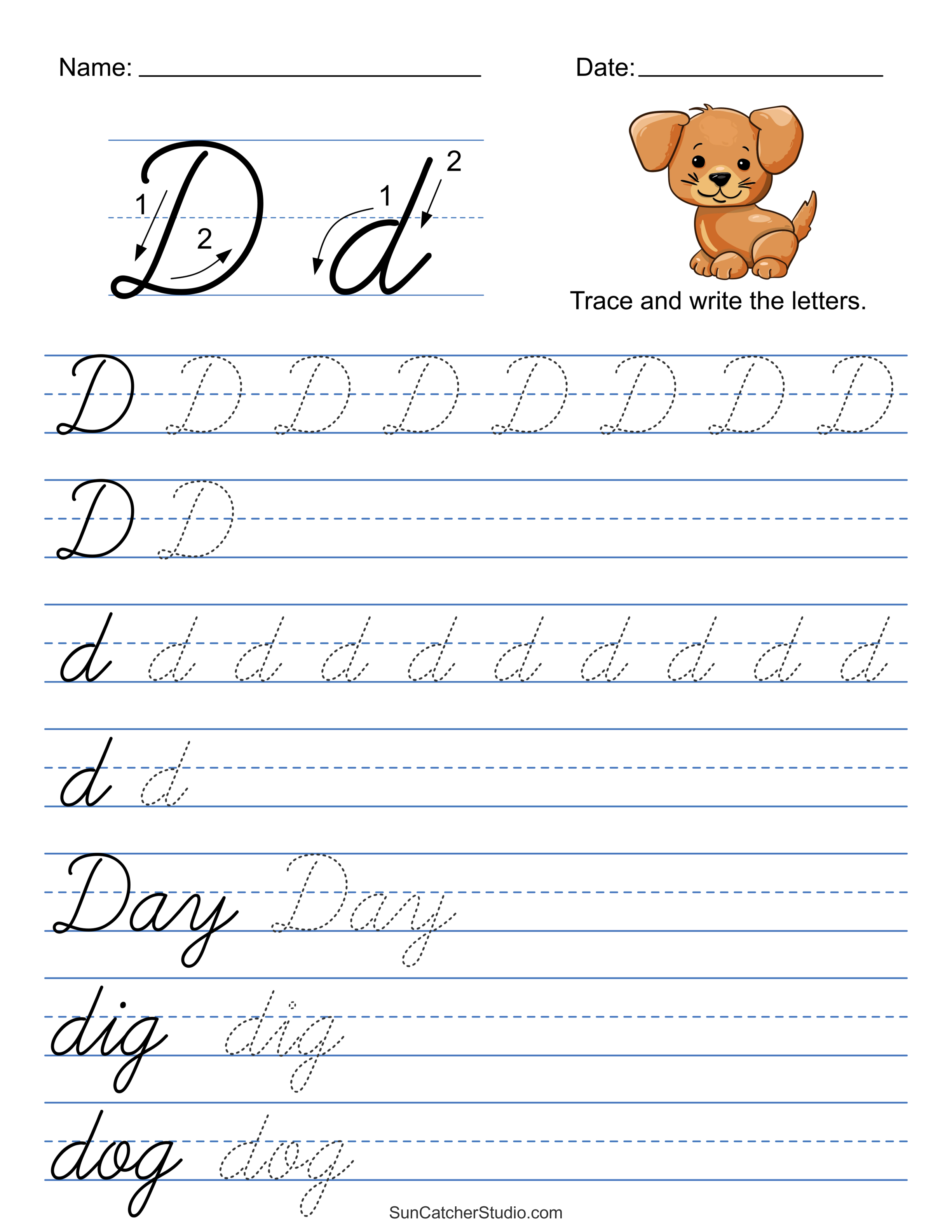
Practice writing letter d worksheets provide structured graphic layouts designed to build fine-motor precision, directional stroke memory, and letter-form automaticity in early childhood education. According to the National Association for the Education of Young Children (NAEYC), intentional physical practice of foundational glyphs enhances cognitive orthographic mapping during early literacy acquisition. Integrating systematic handwriting drills ensures learners establish correct muscle memory before bad habits solidify. Educators utilize targeted letter writing worksheets to reinforce distinct topological boundaries that separate highly confused characters.
Handwriting Practice Snapshot:
- Core Focus: Developing flawless clockwise and counter-clockwise stroke execution for the lowercase and uppercase letter d.
- Target Scope: Preschoolers, kindergarteners, and remedial primary students mastering fundamental orthography.
- Key Recommendation: Pair static paper drills with multisensory directional cues to accelerate neural pathway formation.
Core Principles and Detailed Overview
Letter d construction requires two distinct, contrasting motor movements: a continuous vertical downstroke followed by a closed counter-clockwise circle, distinguishing it instantly from circular variants and mirror-image digraphs. Utilizing specialized tracing worksheets reduces cognitive load by letting young writers trace faded geometric boundaries before executing independent strokes. Proper baseline orientation and proportional height ratios prevent common spatial anomalies like floating letters or irregular stems. Supplemental preschool worksheets further reinforce early directional tracking by incorporating engaging visual stimuli alongside strict handwriting grids.
Key Specifications and Breakdown
| Skill Level / Grade | Target Stroke / Mechanical Focus | Pedagogical / Coaching Cue |
|---|---|---|
| Early Preschool (Ages 3-4) | Gross motor continuity and directional tracing | “Start at the top, pull straight down, trace back up, and bump the circle around.” |
| Late Kindergarten (Ages 5-6) | Independent scale adherence and baseline alignment | “Keep the vertical stem tall, press gently, and close the oval completely.” |
| Grade 1 Remediation (Ages 6-7) | Reversal correction (b/d confusion mitigation) | “Make the drum stick first, then put the drum head on the right side.” |
Early fine-motor graphic proficiency correlates directly with long-term orthographic fluency and cognitive writing stamina — American Occupational Therapy Association (AOTA). Related guide: Ruby In Cursive Writig.
Step-by-Step Practical Application and Guidelines
Executing an effective daily handwriting session requires sequential scaffolding from gross motor air-writing down to fine-motor pencil manipulation on printed media. Instructors begin by demonstrating the vertical stem motion originating from the top headline down to the baseline, ensuring the pencil never lifts prematurely before forming the adjacent circular body. Learners progress by transitioning from bold dotted-line templates to blank primary writing lines where spatial limits must be remembered independently. Integrating complementary coloring worksheets maintains high student engagement while exercising hand muscles through controlled shading and border retention.
Common Challenges and How to Avoid Them
Reversing the letter d into a letter b remains the most frequent hurdle during early writing development, demanding explicit multisensory intervention to anchor directional awareness. Educators combat this mirror-image confusion by teaching distinct verbal mnemonics that emphasize drawing the straight vertical stem before the closed bowl. Excessive hand fatigue and improper pencil grips can be mitigated by ensuring writing instruments match hand size and by keeping practice sessions short, frequent, and rewarding. Establishing consistent tracking mechanics prevents chronic letter rotation and ensures structural uniformity across all independent writing tasks.
💬 Frequently Asked Questions
Explore More Free Handwriting and Character Worksheets
Educators and parents can expand daily literacy routines by exploring the vast repository of resources available at CharacterWritingWorksheets.com. Whether focusing on orthographic precision, targeted name practice worksheets, or comprehensive printable worksheets, structured materials support lifelong handwriting excellence for every developing student.
Worksheet Previews & Reference Materials