Introduction
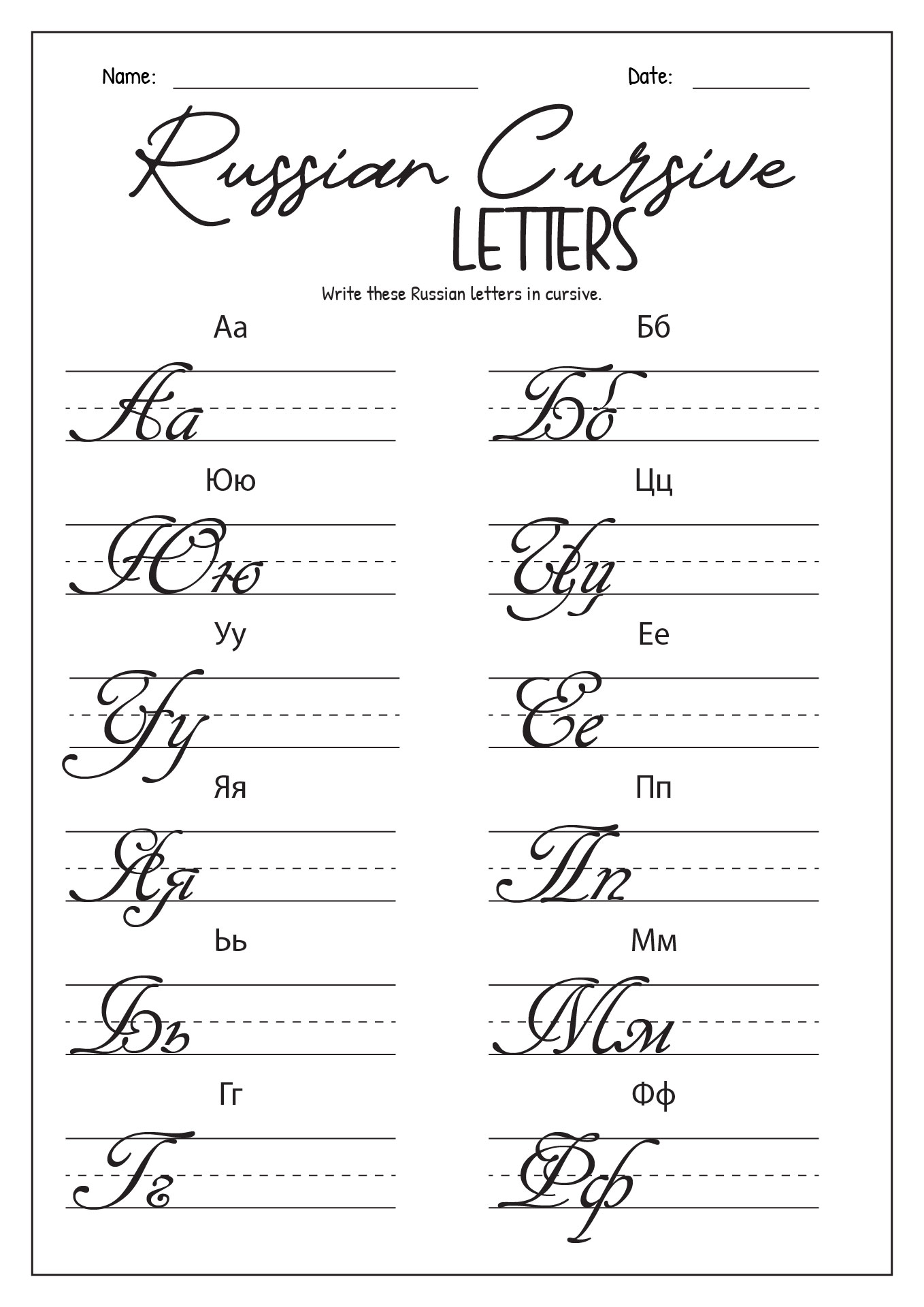
Mastering a new script requires precise pencil control, rhythmic fluidity, and visual-spatial awareness, especially when transitioning into connected cursive writing systems. The free printable worksheet “practice russian cursive words exercice” bridges the gap between basic stroke formation and fluid Cyrillic handwriting. Observing young learners grapple with Cyrillic loops and slants reveals a common challenge: fingers fatigue quickly when the intrinsic muscles lack the stability needed for continuous directional changes. Bridging this gap involves structured practice that targets both motor memory and spatial orientation simultaneously. Educators and parents often notice how shifting from printed block letters to fluid connected lines demands an entirely different level of bilateral hand coordination. Through targeted exercises found in specialized Letter Writing Worksheets, children gain the foundational muscle control required for legible, confident script generation. Intentional practice materials transform an intimidating new alphabet into an engaging, manageable tactile experience for developing hands.
💡 Educational Key Takeaways:
- Core Skill: Structured Practice Russian Cursive Words Exercice focused on developing pencil grip, stroke control, and early literacy/math confidence.
- Target Scope: Suited for homeschoolers, preschool, kindergarten, and elementary learners.
- Best Recommendation: Practice 10–15 minutes daily with ergonomic writing tools to reinforce muscle memory without hand fatigue.
What This Worksheet Covers
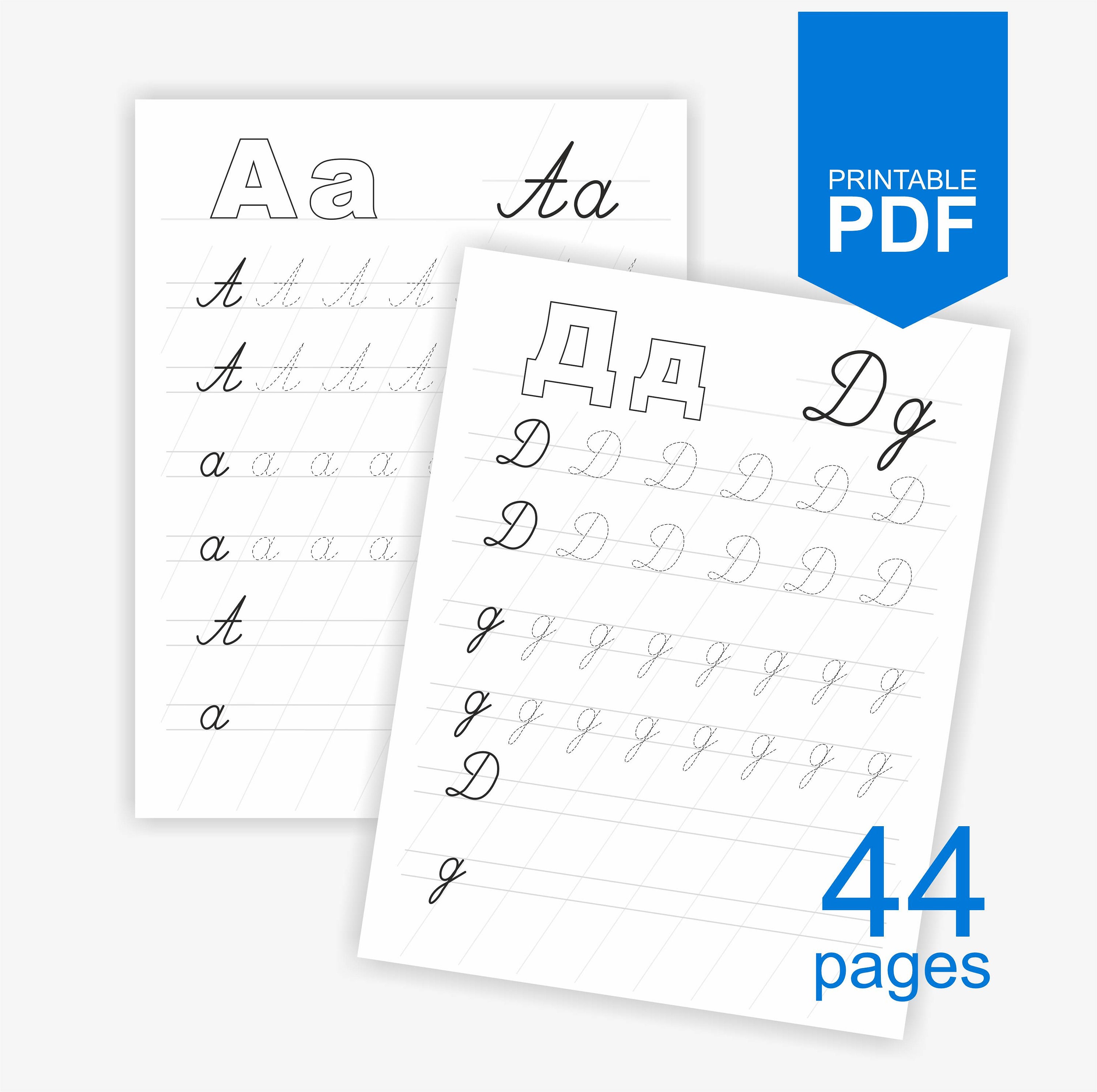
This specific printable focuses directly on mastering letter formation, stroke order, and proportional spacing within the Cyrillic cursive system. Unlike standard print practice, connected script requires the hand to maintain continuous contact with the paper while executing precise ascenders and descenders. Children learn how lowercase and uppercase Russian letters link together, paying close attention to baseline alignment and uniform slant. According to the American Occupational Therapy Association, fine motor manipulation relies heavily on the coordinated stability of the shoulder, elbow, and wrist, which directly influences a child’s endurance during extended writing tasks. It sounds simple, and that is the point: breaking down complex linguistic characters into repetitive, rhythmic strokes reduces cognitive overload. Learners progress from tracing individual connecting loops to executing full multi-letter words without lifting the writing utensil unnecessarily. For foundational pre-writing movements that precede advanced cursive, incorporating resources from Tracing Worksheets helps build essential line accuracy and visual-motor integration.
Key Learning Outcomes
Engaging regularly with these targeted exercises yields measurable improvements in hand-eye coordination, spatial perception, and bilateral integration. Children internalize the specific entry and exit strokes necessary for smooth letter transitions in Russian script. Enhanced pencil grip strength develops naturally as little fingers sustain the pressure required to maintain consistent line weight across varying slants. Furthermore, repeated exposure to structured letter sequencing reinforces orthographic memory, making the retrieval of letter forms automatic rather than laborious. According to Reading Rockets, explicit instruction in letter formation and orthographic mapping is deeply linked to overall literacy development and reading fluency. When writing mechanics become second nature, cognitive resources free up, allowing the mind to focus entirely on spelling, vocabulary comprehension, and expressive language composition.
How to Use This Worksheet
Successful implementation begins in a distraction-free environment with proper seating posture, ensuring feet flat on the floor and hips at a ninety-degree angle. Begin each session by having the learner trace the oversized model words with an index finger to internalize the kinetic flow before introducing a pencil. Adults should encourage a relaxed tripod grasp, gently monitoring for excessive thumb wrapping or white-knuckle tension that signals premature muscle fatigue. Work through the page in short, manageable increments of ten to fifteen minutes rather than forcing long, exhausting completion marathons. Pairing these writing drills with foundational resources found within broader Worksheets collections ensures a well-rounded approach to early childhood skill acquisition. Consistency outweighs volume every single time when retraining neural pathways for a completely new writing system.
Practical Tips for Parents and Teachers
Adult observation is crucial during the initial stages of Cyrillic cursive instruction to catch incorrect stroke directions before they solidify into permanent habits. Try placing a vertical wedge or clipboard beneath the paper to naturally encourage the wrist extension needed for smooth cursive slants. Tactile variation adds another layer of retention; let learners trace the letter paths over textured surfaces or filled sensory trays before putting graphite to paper. Positive reinforcement works wonders for maintaining motivation when specific loops or connecting lines prove frustratingly stubborn. Celebrating small victories, such as a perfectly proportioned letter connection, builds the intrinsic confidence required for sustained academic perseverance. When younger siblings or mixed-age peers want to participate, offering supplementary activities from Preschool Worksheets keeps everyone productively engaged during handwriting blocks.
Age-Appropriate Recommendations
Introducing foreign cursive scripts aligns best with developmental milestones outlined in the National Association for the Education of Young Children Developmentally Appropriate Practice framework. Typically, children around ages seven to eight possess the requisite visual-motor integration, finger dexterity, and attention span to tackle connected scripts successfully. For younger learners who show early readiness, focusing strictly on pre-writing strokes and basic directional tracing prevents undue joint strain and frustration. Older elementary students benefit from these exercises as a remedial tool to correct sloppy habits, improve writing speed, or explore bilingual literacy concepts. Tailoring expectations to the individual child’s neurological and physical maturity ensures a positive, pressure-free learning experience.
Fine motor manipulation relies on core stability and proximal control — American Occupational Therapy Association (AOTA)
Frequently Asked Questions
Answers to common inquiries regarding printing, skill development, and instructional guidance provide clarity for educators and caregivers navigating this resource.
Explicit instruction in letter formation links directly to literacy development — Reading Rockets
Explore More Free Printable Worksheets
Expanding a child’s learning repertoire requires a diverse toolkit of engaging, skill-targeted printables designed by educators. Beyond cursive practice, young learners thrive when given opportunities to develop complementary physical and cognitive abilities through structured play and guided tasks. Exploring collections tailored for foundational skill-building ensures that every developmental domain receives adequate attention throughout the early childhood years. Discover additional resources to support pencil control, artistic expression, and literacy by browsing our comprehensive library of learning materials.
Developmental Milestone & Activity Table
| Development Stage | Recommended Daily Duration | Primary Learning Objective |
|---|---|---|
| Preschool & Pre-K | 10 – 15 Minutes | Pencil grip development & basic pre-stroke lines |
| Kindergarten | 15 – 20 Minutes | Letter/number formation & spatial line awareness |
| Early Elementary (Grade 1–2) | 20 – 30 Minutes | Fluency, sentence construction & neatness |
Images References