Introduction
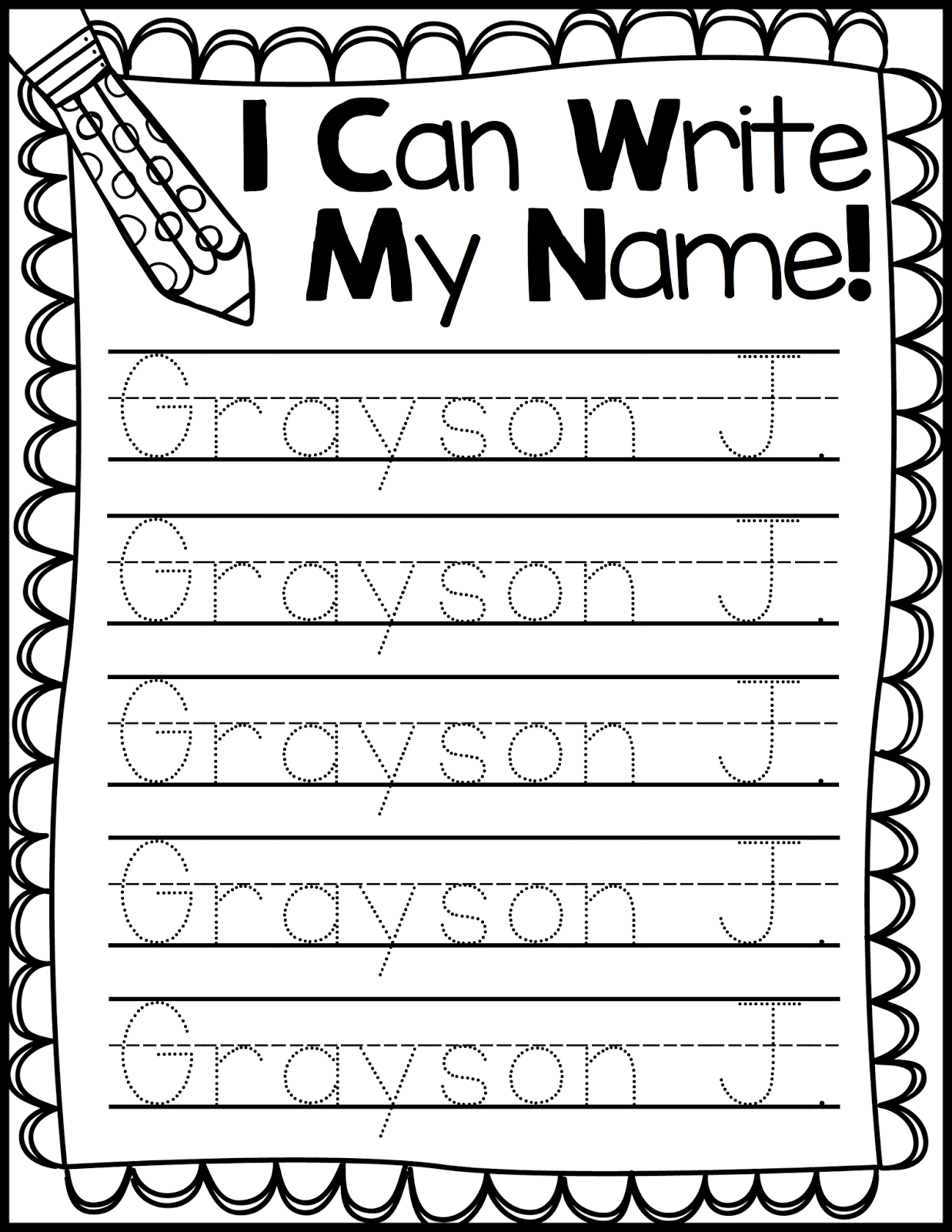
Name practice sheets with lines provide the foundational framework necessary for young learners to master spatial awareness, proportional sizing, and correct stroke sequencing during early literacy development. According to the National Association for the Education of Young Children (NAEYC), intentional writing experiences utilizing structured writing guides significantly enhance a child’s ability to transition from scribbling to controlled letter formation. Mastering the spelling and physical execution of a personal name remains one of the most vital early milestones in early childhood education, serving as an anchor for broader letter writing worksheets and language acquisition.
Handwriting Practice Snapshot:
- Core Focus: Utilizing baseline, midline, and top-line guides to teach consistent letter sizing and alignment during personal name mastery.
- Target Scope: Preschoolers, kindergarteners, and early elementary students developing fine-motor control.
- Key Recommendation: Implement daily, brief tracing sessions on structured name practice worksheets to build lasting muscle memory.
Core Principles and Detailed Overview
Name practice sheets with lines establish critical visual and tactile boundaries that dictate how tall, deep, and wide individual characters must be drawn. Handwriting mechanics rely heavily on the three-line system consisting of a top headline, a dotted midline, and a solid baseline, occasionally paired with a descending line for tail letters like ‘g’, ‘j’, ‘p’, ‘q’, and ‘y’. This structured approach prevents floating letters, erratic sizing, and improper baseline resting, which are common hurdles for developing writers. Educators frequently integrate these foundational drills alongside preschool worksheets to ensure proper pencil grip and posture before children progress to independent writing tasks found within standard worksheets.
Key Specifications and Breakdown
| Skill Level / Grade | Target Stroke / Mechanical Focus | Pedagogical / Coaching Cue |
|---|---|---|
| Early Preschool (Ages 3-4) | Gross motor continuity and continuous tracing | “Start at the top headline and pull straight down to the solid baseline.” |
| Kindergarten (Ages 5-6) | Proportional sizing and midline letter orientation | “Touch the dotted midline for lowercase loops and round shapes.” |
| First Grade (Ages 6-7) | Independent spacing and baseline alignment without heavy prompts | “Keep all letters resting firmly on the bottom line without sinking.” |
Visual-spatial guidelines and structured baseline alignment are clinically proven to accelerate fine-motor coordination and legible letter reproduction in early childhood learners. — American Occupational Therapy Association (AOTA)
Step-by-Step Practical Application and Guidelines
Implementing name practice sheets with lines requires a progressive three-step methodology that transitions learners from heavy scaffolding to independent execution. Begin with full-dotted tracing templates where the child traces every single stroke of the personal name within the ruled lines to internalize the correct pathways. Next, shift to partial-cue templates where only starting dots or intermittent dashes guide the formation of difficult character curves and vertical lines. Finally, conclude the progression by utilizing blank primary lines where the student writes the name independently using the ruling system for spatial self-correction. Supplementary tools such as specialized tracing worksheets can support this gradual release of support model.
Common Challenges and How to Avoid Them
Reversals, oversized characters, and incorrect stroke sequences represent the most frequent obstacles encountered when young children use structured writing sheets. Educators and parents must actively monitor pencil grips and stop bad habits—such as starting bottom-up strokes—before muscle memory cements improper formations. If a child consistently writes letters that float above the baseline, physical tactile cues like placing a textured strip under the paper can heighten sensory awareness. Furthermore, avoiding cluttered page layouts ensures that visual distractions do not compromise the child’s focus on line boundaries and letter proportions, maintaining a clean environment akin to specialized coloring worksheets designed for focus.
💬 Frequently Asked Questions
Explore More Free Handwriting and Character Worksheets
Expanding early childhood literacy requires access to a diverse library of scaffolded practice materials tailored to every developmental stage. Visit CharacterWritingWorksheets.com today to discover an extensive collection of free, high-quality printables designed to build lifelong handwriting confidence and precision.
Visual Reference Gallery