Introduction
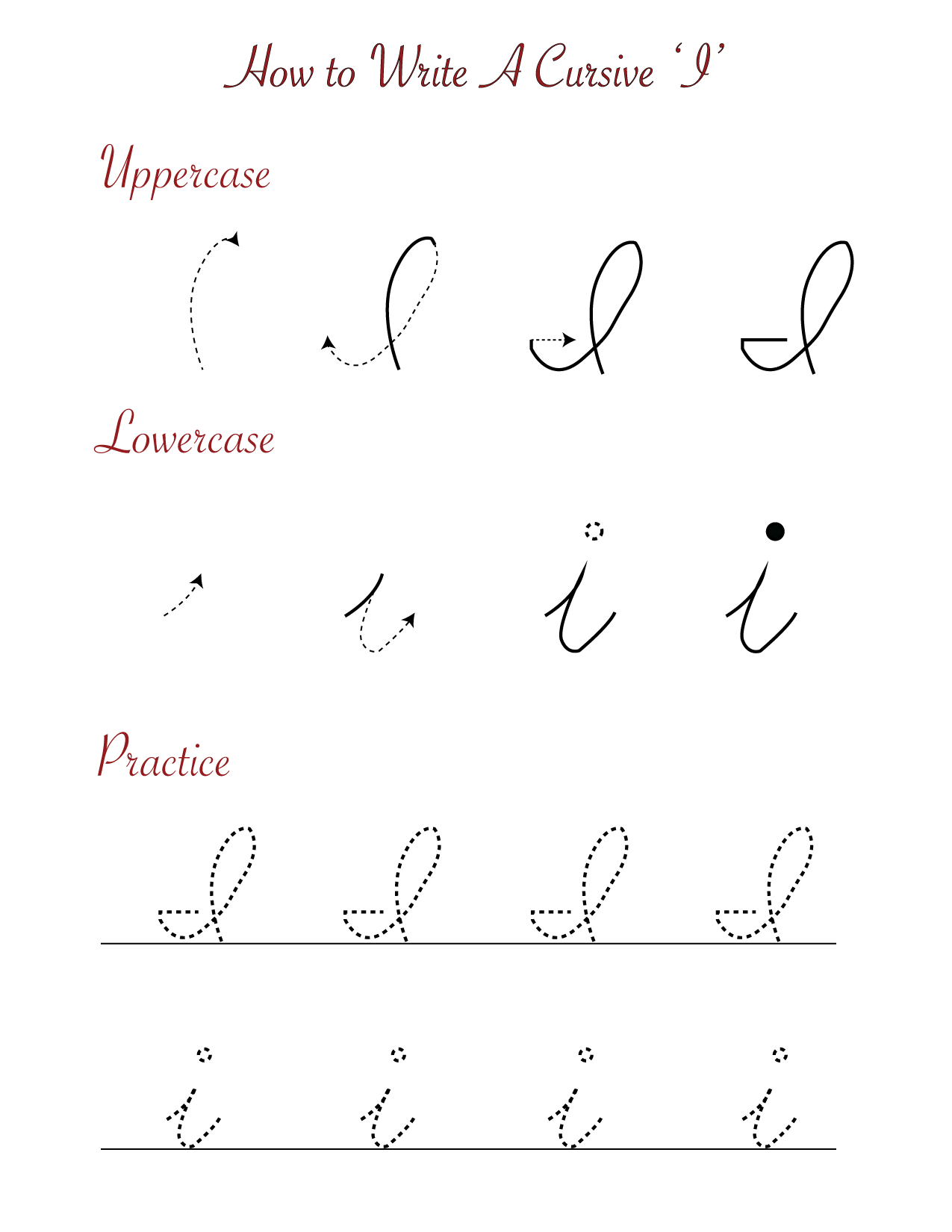
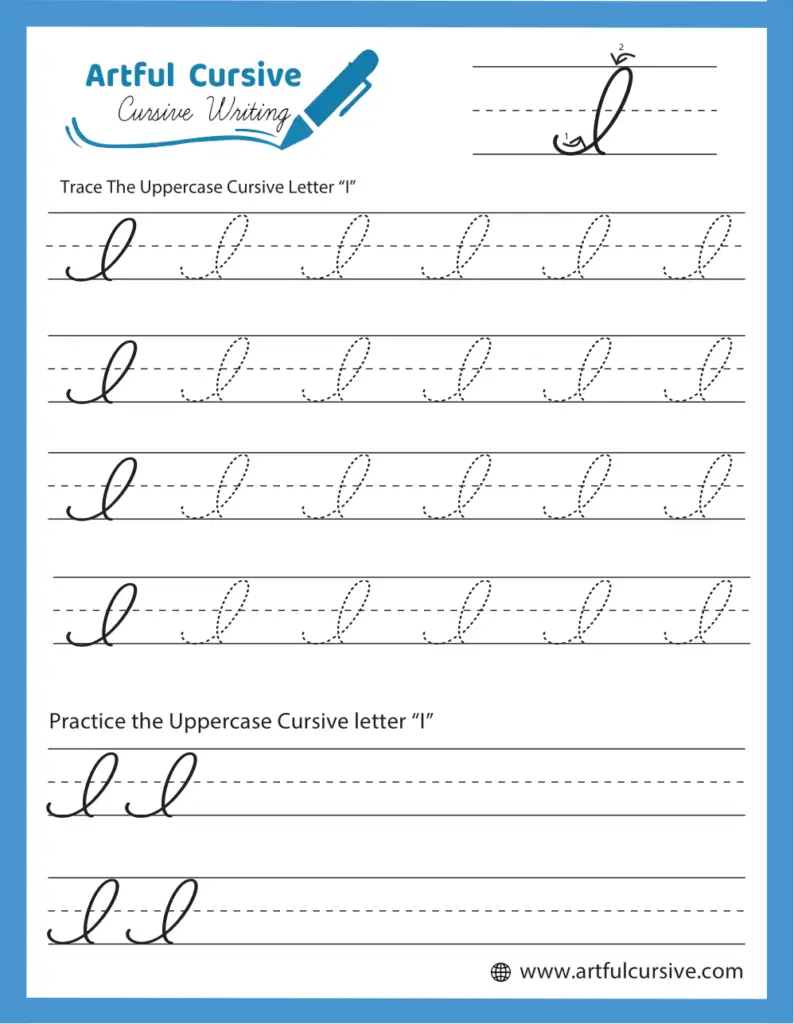
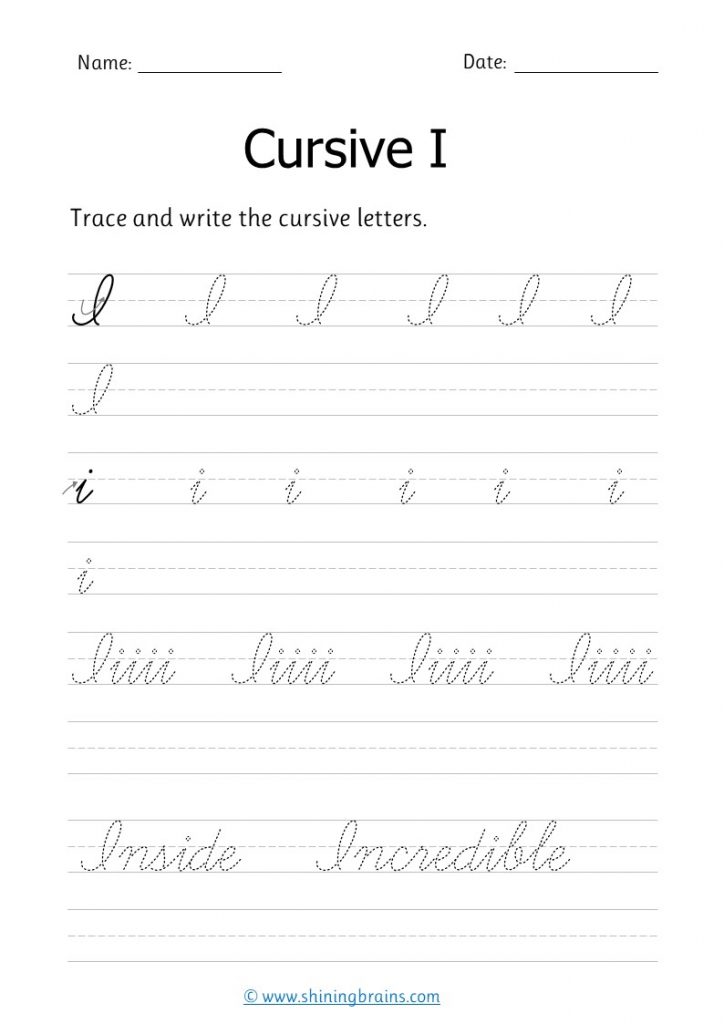
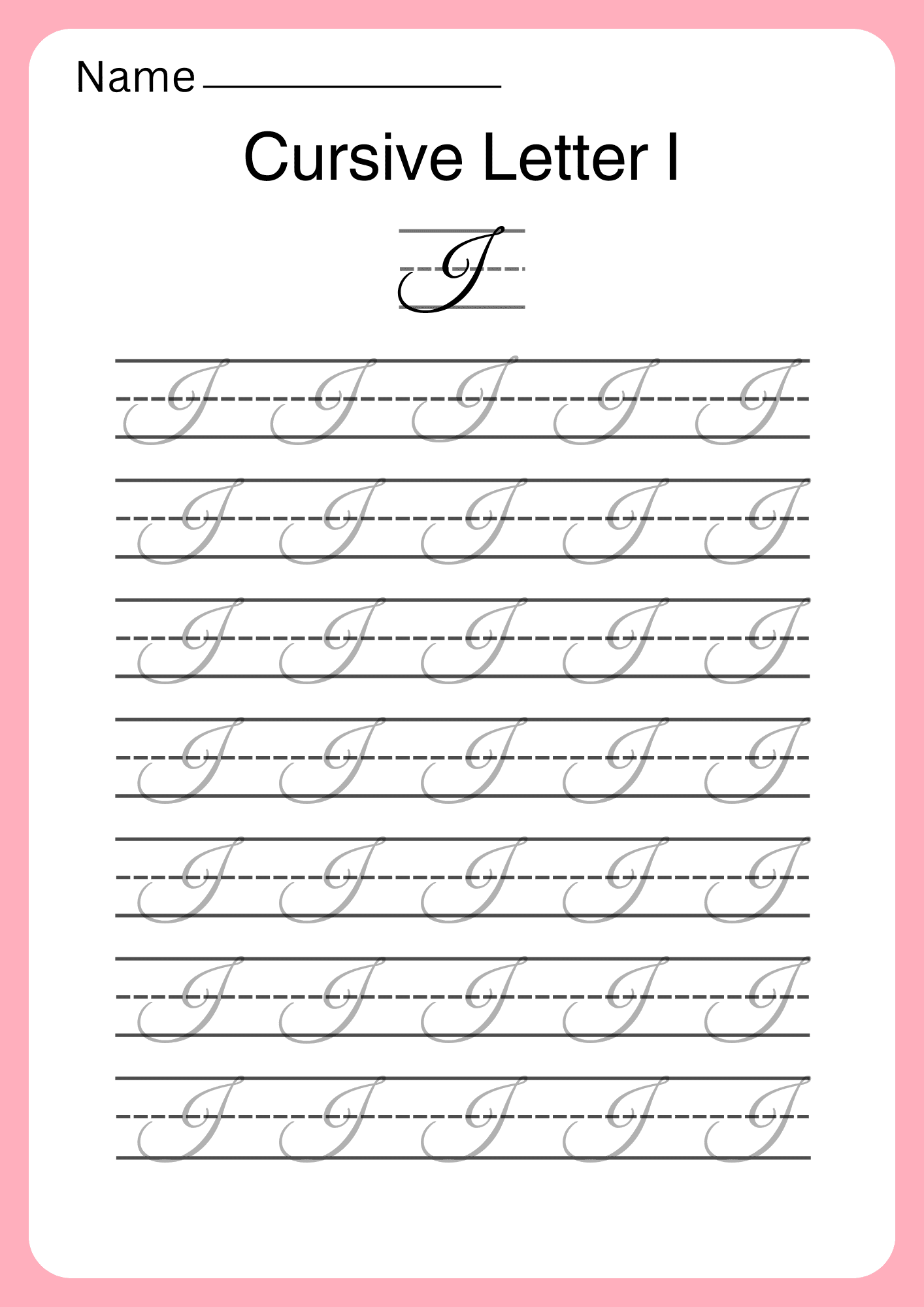
Mastering cursive script remains a foundational milestone in early education, bridging fine motor precision with fluid communication. Among the uppercase alphabet, the capital cursive letter i presents unique challenges regarding stroke order, spatial awareness, and pencil control. Educators and therapists frequently observe young learners gripping writing utensils with excessive tension, a habit that disrupts the flowing motion required for cursive success. Introducing targeted letter formation resources helps children transition smoothly from printed letters to connected writing without frustration. This educational guide explores the free printable worksheet “how to write a capital cursive i” and outlines strategies to support children ages two through eight in developing confident, legible handwriting skills.
💡 Educational Key Takeaways:
- Core Skill: Structured How To Write A Capital Cursive I focused on developing pencil grip, stroke control, and early literacy/math confidence.
- Target Scope: Suited for homeschoolers, preschool, kindergarten, and elementary learners.
- Best Recommendation: Practice 10–15 minutes daily with ergonomic writing tools to reinforce muscle memory without hand fatigue.
What This Worksheet Covers
The free printable focuses squarely on letter formation, stroke sequence, and consistent spatial orientation. It guides the hand from the baseline up to the top line, executing the signature introductory loop before descending smoothly. Children often confuse uppercase cursive i with print variations or struggle with the entry stroke that connects preceding letters. By breaking down the movement into manageable visual steps, the sheet provides structured repetition that reinforces muscle memory. According to the American Occupational Therapy Association, functional handwriting relies heavily on integrated visual-motor skills and postural stability, both of which are engaged during deliberate cursive practice. For broader foundational skill-building, educators often incorporate tracing worksheets to refine baseline pencil accuracy.
Key Learning Outcomes
Targeted practice sessions yield measurable improvements in hand-eye coordination, line adherence, and stroke fluidity. Learners begin to recognize the specific entry point at the bottom line, travel upward to form the characteristic loop, and complete the exit stroke that prepares the hand for the next letter. It sounds simple, and that’s the point, yet this exact mechanical sequence builds the neural pathways necessary for automaticity. When children master these fundamental movements, cognitive energy shifts from mechanical letter creation to actual composition and creative thought. To explore additional writing formats, many classrooms utilize comprehensive Letter Writing Worksheets to expand alphabet mastery.
How to Use This Worksheet
Effective implementation requires a balance of guided instruction and independent exploration. Adults should first demonstrate the stroke in the air or on a large surface, emphasizing the rhythm and continuous motion of the hand. Children trace oversized examples with their index fingers before picking up a pencil, engaging tactile feedback systems in the brain. Here’s what makes this worksheet different: it incorporates graduated sizing that gently shrinks the target letter, encouraging children to grade their movements from gross motor sweeps to fine motor control. Setting up a proper workspace with an appropriately sized chair and slanted writing surface further supports biomechanical efficiency.
Practical Tips for Parents and Teachers
Observing a child’s hand fatigue offers valuable insight into their pencil grasp and writing pressure. If a child wraps their thumb tightly over the shaft or presses holes into the paper, temporary accommodations like shorter pencils or triangular grips can dramatically alter their endurance. Encouraging frequent micro-breaks prevents hand cramping and maintains focus during structured writing blocks. Adults should praise specific efforts, such as noting a smooth upward loop or consistent baseline contact, rather than focusing solely on overall neatness. Integrating diverse writing tools like chalkboards, scented markers, or textured sand trays also keeps engagement high during repetitive practice phases.
Age-Appropriate Recommendations
Cursive instruction typically aligns with upper elementary standards, but early introduction of pre-writing loops benefits children starting around age five or six. According to Reading Rockets, explicit handwriting instruction correlates directly with stronger reading and spelling outcomes as students decode connected text. Within the framework of the Common Core ELA standard CCSS.ELA-LITERACY.L.1.1.A, printing and writing tasks support foundational conventions of standard English capitalization and letter formation. Educators should assess individual readiness based on fine motor maturity rather than chronological age alone. For younger learners who are still developing fundamental pencil control, incorporating Preschool Worksheets ensures they build prerequisite dexterity safely and progressively.
Explicit handwriting instruction correlates directly with stronger reading and spelling outcomes as students decode connected text. — Reading Rockets
Frequently Asked Questions
Navigating early writing instruction often brings up practical questions regarding printing resources, developmental timelines, and teaching methodologies. Reviewing targeted answers helps caregivers implement these materials effectively at home and in the classroom.
Explore More Free Printable Worksheets
Expanding a child’s writing repertoire requires a rich variety of engaging, skill-specific practice materials. Beyond cursive scripts, developing holistic pencil control and letter recognition benefits from exploring diverse categories of printable resources. Caregivers and educators can browse the complete collection of Worksheets to find targeted activities designed for every stage of early childhood development.
Developmental Milestone & Activity Table
| Development Stage | Recommended Daily Duration | Primary Learning Objective |
|---|---|---|
| Preschool & Pre-K | 10 – 15 Minutes | Pencil grip development & basic pre-stroke lines |
| Kindergarten | 15 – 20 Minutes | Letter/number formation & spatial line awareness |
| Early Elementary (Grade 1–2) | 20 – 30 Minutes | Fluency, sentence construction & neatness |
Images References