Introduction
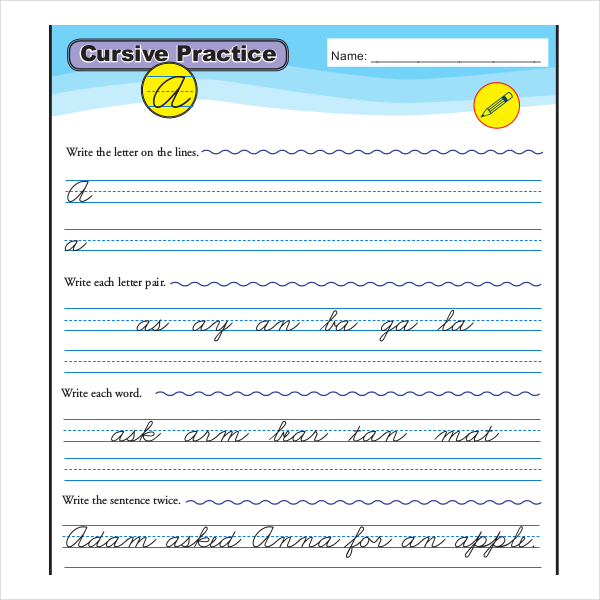
Bridging the gap between printed block letters and flowing script often causes immense frustration for developing writers. Many children freeze when faced with a blank page demanding complete cursive mastery. The half cursive writing approach solves this hurdle by providing fully formed models for the initial strokes while letting the hand finish the remaining trajectories. It sounds simple, and that’s the point. Clinical observations in pediatric therapy rooms repeatedly demonstrate that reducing cognitive load on the motor cortex unlocks unexpected fluency. Children who previously gripped pencils until their knuckles turned white begin to relax their dynamic tripod grasps when tracing familiar hybrid shapes. Educators notice less resistance during writing blocks because the intimidating expanse of a traditional cursive worksheet is effectively halved. To build foundational pencil control before tackling hybrid scripts, children often benefit from starting with targeted tracing worksheets that isolate vertical, horizontal, and diagonal lines. Scaffolding instruction in this manner respects neurological development and honors the physical limitations of small hand muscles still building endurance.
💡 Educational Key Takeaways:
- Core Skill: Structured Half Cursive Writing focused on developing pencil grip, stroke control, and early literacy/math confidence.
- Target Scope: Suited for homeschoolers, preschool, kindergarten, and elementary learners.
- Best Recommendation: Practice 10–15 minutes daily with ergonomic writing tools to reinforce muscle memory without hand fatigue.
What This Worksheet Covers
This specialized resource focuses on the tricky transition zone where print meets continuous-stroke writing. Each line features words or letters printed in a dual format, showcasing the printed start that gracefully melts into a looped ending. Here’s what makes this worksheet different: it trains proprioceptive awareness without demanding hours of rote memorization. Occupational therapists frequently observe that young learners struggle not with hand strength, but with motor planning—knowing where to start a stroke and how to fluidly change direction. By tracing the pre-rendered half, the hand learns the necessary rhythm and slant required for legible cursive down the line. Children practice letter formation, stroke order, and appropriate spacing simultaneously within structured guidelines. Educators expanding a comprehensive handwriting curriculum often pair these materials with foundational exercises found within letter writing worksheets to reinforce individual letter anatomies. Mastery happens incrementally, one stroke at a time, rather than through sudden leaps in capability.
Key Learning Outcomes
Targeted practice with hybrid writing templates yields measurable improvements in fine motor control and visual-motor integration. Learners develop enhanced pencil pressure regulation, stopping the common habit of tearing thin notebook paper with excessive force. Fluidity replaces robotic, segmented strokes as muscle memory takes over the transitional loops. According to the American Occupational Therapy Association, purposeful fine motor activities directly correlate with academic success and classroom self-efficacy during the early elementary years. Furthermore, consistent engagement with these structured templates fosters cognitive flexibility, teaching young minds how to seamlessly shift between disparate writing systems without losing legibility. Building this operational bridge early prevents the painful hand cramps that typically plague older students forced to adopt cursive too abruptly.
How to Use This Worksheet
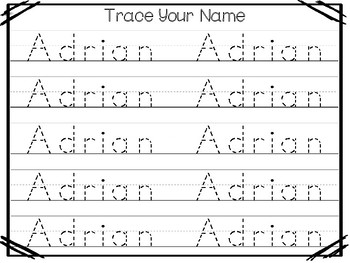
Implementing these printable sheets requires a thoughtful balance of demonstration and independent exploration. Adults should first model the exact pencil path in the air, exaggerating the slant and continuous motion before touching the paper. Instruct the writer to trace the solid, printed portion first, letting the momentum carry the pencil naturally into the dotted completion zone. It sounds simple, and that’s the point, yet rushing this phase frequently results in sloppy loops and incorrect pencil grips. Teachers can integrate these sheets into morning warm-up routines or literacy centers, while caregivers can use them as a quiet afternoon activity. For children still mastering the spelling and sequencing of their personal identifiers, pairing writing sessions with structured name practice worksheets provides an extra layer of personalized motivation and engagement.
Practical Tips for Parents and Teachers
Observing hand positioning during the exercise prevents bad habits from becoming permanent muscle memory. Ensure the non-dominant hand stabilizes the paper firmly at an angle that mirrors the natural slant of the writing hand. If fatigue sets in after three or four lines, stop immediately; forcing endurance on tired intrinsic hand muscles leads directly to compensatory, maladaptive grasps. Lighting and seating matter immensely, requiring feet flat on the floor and elbows resting comfortably at a ninety-degree angle. Whenever attention wanders, take a quick break to squeeze stress balls or complete wall push-ups to wake up the upper extremities before returning to the desk. Patience remains the ultimate tool in any educator’s arsenal when guiding fine motor refinement.
Age-Appropriate Recommendations
Introducing hybrid writing scripts requires careful alignment with developmental milestones rather than strict chronological ages. According to the National Association for the Education of Young Children Developmentally Appropriate Practice guidelines, instructional materials must match the physical and cognitive capacities of the individual child. Typically, children around ages seven to eight possess the bilateral coordination and visual-perceptual maturity necessary to process connected letter forms. For younger children aged four to six who are still refining basic drawing and coloring mechanics, simpler foundational resources such as preschool worksheets offer a much better developmental fit. Pushing complex cursive concepts onto unprepared hands risks creating lifelong anxiety toward writing tasks.
Purposeful fine motor activities directly correlate with academic success and classroom self-efficacy during the early elementary years. — American Occupational Therapy Association (AOTA)
Frequently Asked Questions
The transition from print to cursive is a significant milestone that often prompts questions from parents and educators alike. Clear guidance helps demystify the process and ensures children receive optimal support at home and in the classroom. Reviewing common inquiries provides immediate clarity on implementation, file accessibility, and developmental readiness markers.
Children develop foundational visual-motor integration skills at varying paces, making scaffolded practice essential for long-term writing confidence. — Centers for Disease Control and Prevention (CDC)
Explore More Free Printable Worksheets
Expanding a child’s writing repertoire requires a diverse toolkit of engaging, accessible resources. Educators and parents can browse an extensive collection of structured activities by visiting the main hub for all worksheets. For children who need a tactile break that still builds essential hand strength and visual focus, exploring creative coloring worksheets offers a wonderful complement to formal handwriting practice.
Developmental Milestone & Activity Table
| Development Stage | Recommended Daily Duration | Primary Learning Objective |
|---|---|---|
| Preschool & Pre-K | 10 – 15 Minutes | Pencil grip development & basic pre-stroke lines |
| Kindergarten | 15 – 20 Minutes | Letter/number formation & spatial line awareness |
| Early Elementary (Grade 1–2) | 20 – 30 Minutes | Fluency, sentence construction & neatness |
Images References