Introduction
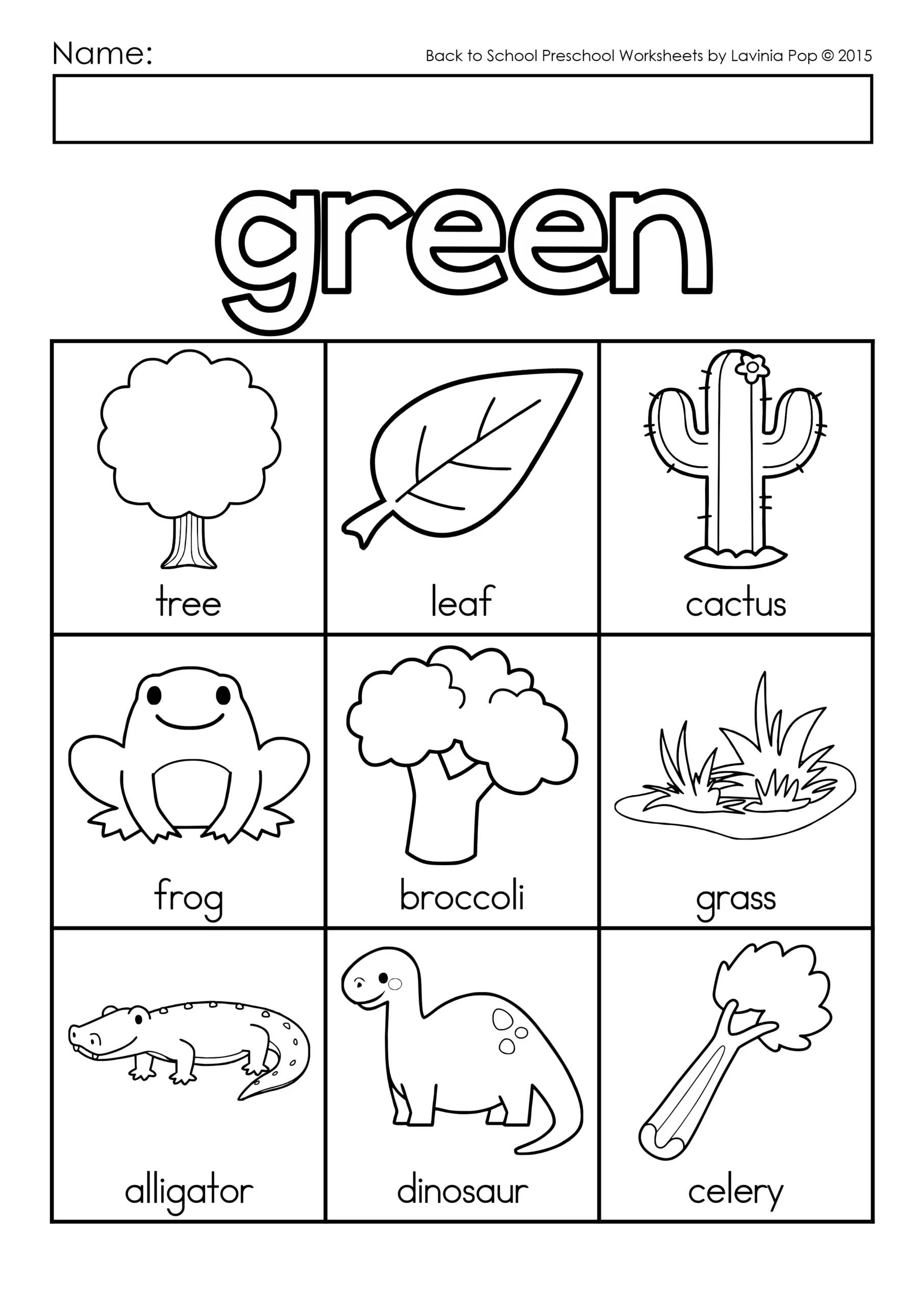
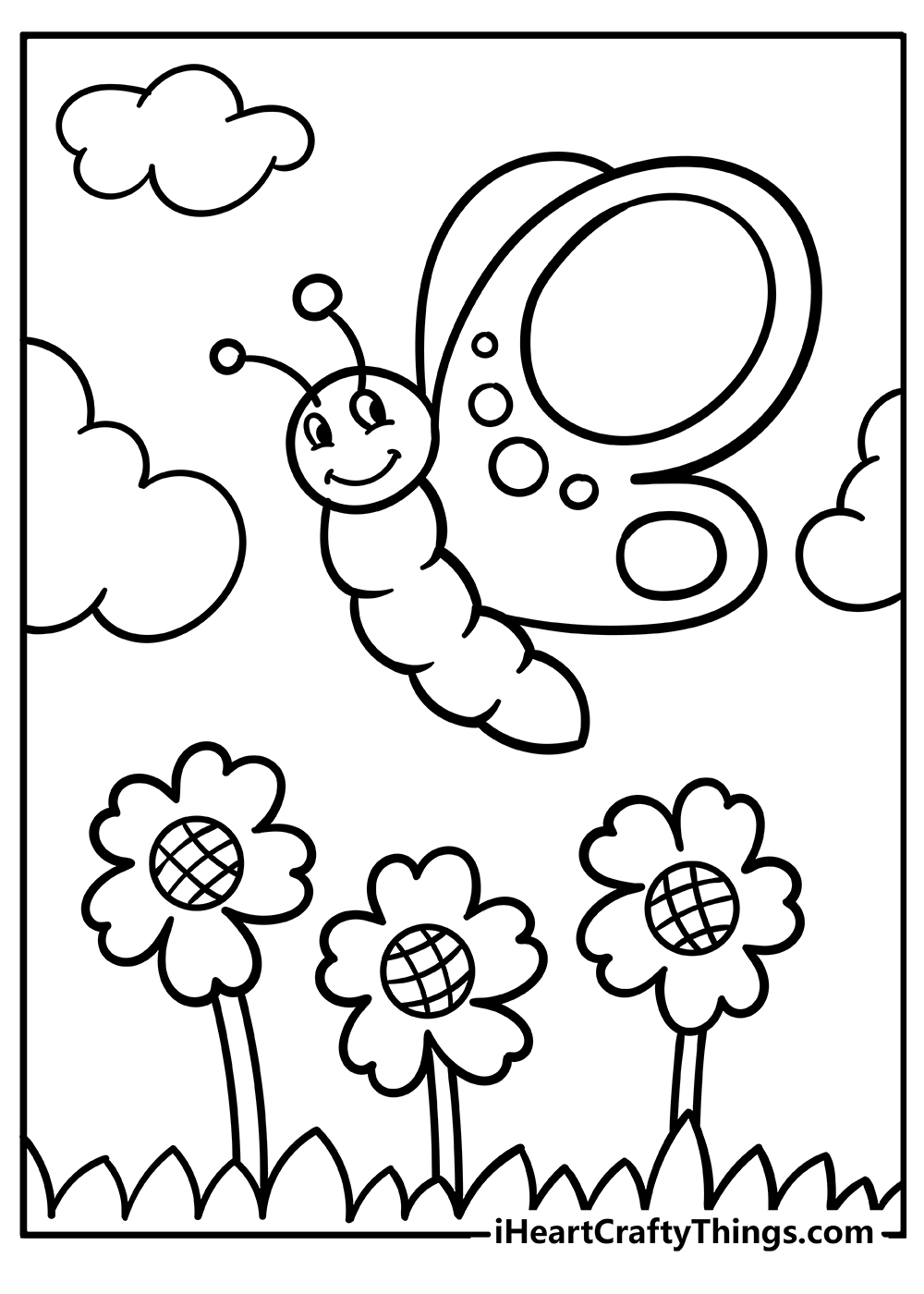
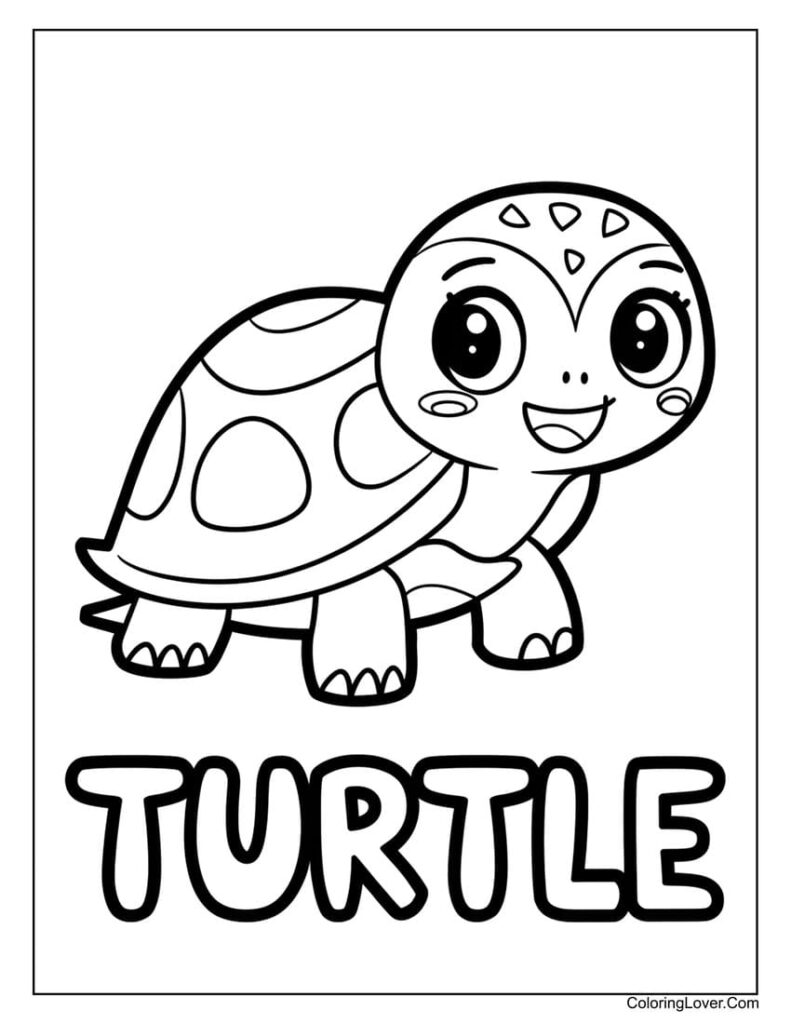
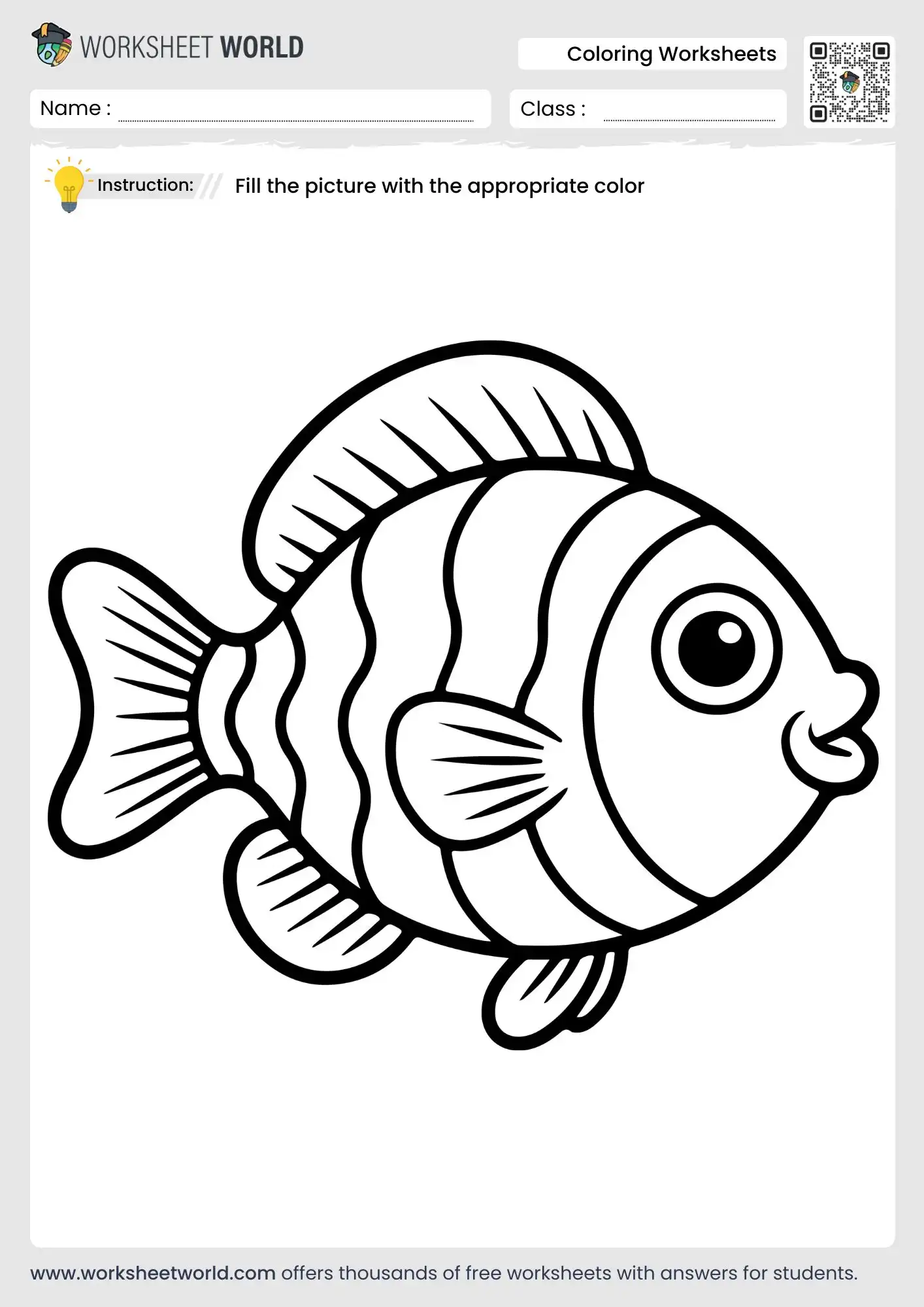
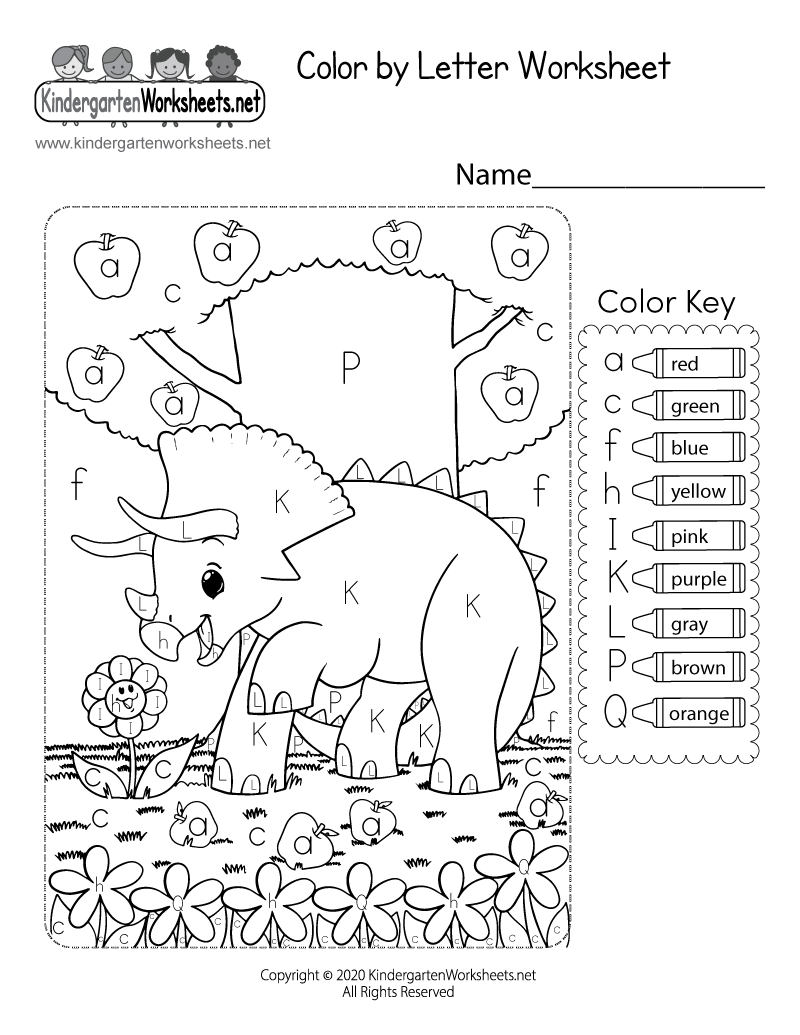
Coloring worksheets for nursery serve as the foundational bedrock for early childhood motor control, bridging the gap between unstructured play and precise handwriting mechanics. According to the National Association for the Education of Young Children (NAEYC), purposeful manual manipulation tasks during early childhood heavily dictate subsequent fine-motor dexterity and academic success. Utilizing specialized coloring worksheets establishes essential muscle memory, bilateral hand coordination, and directional tracking required for formal literacy. Early childhood educators and developmental specialists consistently rely on structured visual art pages to strengthen small hand muscles before introducing rigorous letter writing worksheets and alphabetical tracing drills.
Handwriting Practice Snapshot:
- Core Focus: Coloring worksheets for nursery build foundational grip strength, hand-eye coordination, and spatial boundaries for early writing.
- Target Scope: Early childhood educational settings, preschools, and home-school environments catering to children aged three to five.
- Key Recommendation: Pair structured boundary-filling printables with thick, triangular crayons to promote a functional tripod grasp naturally.
Core Principles and Detailed Overview
Handwriting mechanics begin with proximal stability and distal control, both of which are actively reinforced through guided chromatic art practice. Coloring within defined perimeter lines demands visual-motor integration, teaching young learners how to inhibit impulsive movements and control pencil pressure. When children manipulate pigment tools across varied geometric shapes found on standard preschool worksheets, they simultaneously build the intrinsic hand muscles necessary for sustained writing stamina. Furthermore, integrating name practice worksheets alongside artistic borders creates a comprehensive developmental curriculum that addresses both creative expression and identity formation simultaneously.
Key Specifications and Breakdown
| Skill Level / Grade | Target Stroke / Mechanical Focus | Pedagogical / Coaching Cue |
|---|---|---|
| Nursery (Age 3) | Whole-arm movement, palm grasp transition, indiscriminate scribbling within broad perimeters. | “Keep the crayon dancing inside the big wall lines.” |
| Early Preschool (Age 4) | Wrist stability, transitional digital pronate grasp, intentional top-to-bottom shading strokes. | “Start at the top corner and slide smoothly down.” |
| Advanced Nursery (Age 5) | Tripod grasp formation, fine finger isolation, precise edge-to-edge directional coloring control. | “Hold the pencil like a bird holding a twig while coloring the edges.” |
Early fine-motor manipulation of coloring tools directly predicts subsequent letter formation accuracy and spatial organization in kindergarten handwriting tasks — American Occupational Therapy Association (AOTA)
Step-by-Step Practical Application and Guidelines
Implementing effective fine-motor exercises requires intentional staging, correct tool selection, and consistent adult scaffolding. Select thick, short writing implements that naturally prevent fisted grasps, encouraging fingers to pinch the barrel correctly. Introduce simple geometric outlines before advancing to complex character illustrations to prevent cognitive overload. Guide young learners to establish consistent directional habits—such as coloring exclusively from left to right or top to bottom—which directly mirrors future reading and tracing worksheets execution. Monitor posture closely to ensure feet remain flat on the floor and paper is tilted at a comfortable fifteen-degree angle matching the writing hand.
Common Challenges and How to Avoid Them
Premature fatigue, fisted tool grasps, and frustration with boundary lines represent the most frequent hurdles encountered during early childhood motor development. Combat hand fatigue by limiting continuous coloring sessions to ten-minute intervals and offering alternative vertical surface options, such as taping sheets to an easel to strengthen shoulder and wrist stabilizers. Address improper grasps immediately by replacing round markers with short, triangular crayons that physically block fisted hand configurations. When children scribble outside boundaries, avoid harsh corrections; instead, trace the border together with a finger to reinforce tactile boundaries before reintroducing the pigment tool.
💬 Frequently Asked Questions
Explore More Free Handwriting and Character Worksheets
Supporting early childhood literacy requires a diverse arsenal of structured practice materials designed to foster both motor control and academic confidence. Explore the complete collection of foundational resources available directly at CharacterWritingWorksheets.com to elevate daily motor skill development and letter formation mastery.
Printable Coloring Page Previews