Introduction
Mastering punctuation and specialized symbols often arrives as an afterthought in early primary education, yet characters like the ampersand demand sophisticated pencil control. Young children frequently encounter the “and” sign in reading materials long before they understand its complex continuous stroke. Sitting at a kindergarten desk, a child often attempts this loop-heavy symbol by lifting the writing tool multiple times, resulting in jagged lines and frustration. Introducing structured tracing activities transforms an abstract typographic puzzle into a manageable physical motion. Educators observe that targeted practice helps bridge the gap between basic alphabetical tracing and advanced symbolic representation.
💡 Educational Key Takeaways:
- Core Skill: Structured Ampersand Symbol Handwriting Practice focused on developing pencil grip, stroke control, and early literacy/math confidence.
- Target Scope: Suited for homeschoolers, preschool, kindergarten, and elementary learners.
- Best Recommendation: Practice 10–15 minutes daily with ergonomic writing tools to reinforce muscle memory without hand fatigue.
WhatThisWorksheetCovers
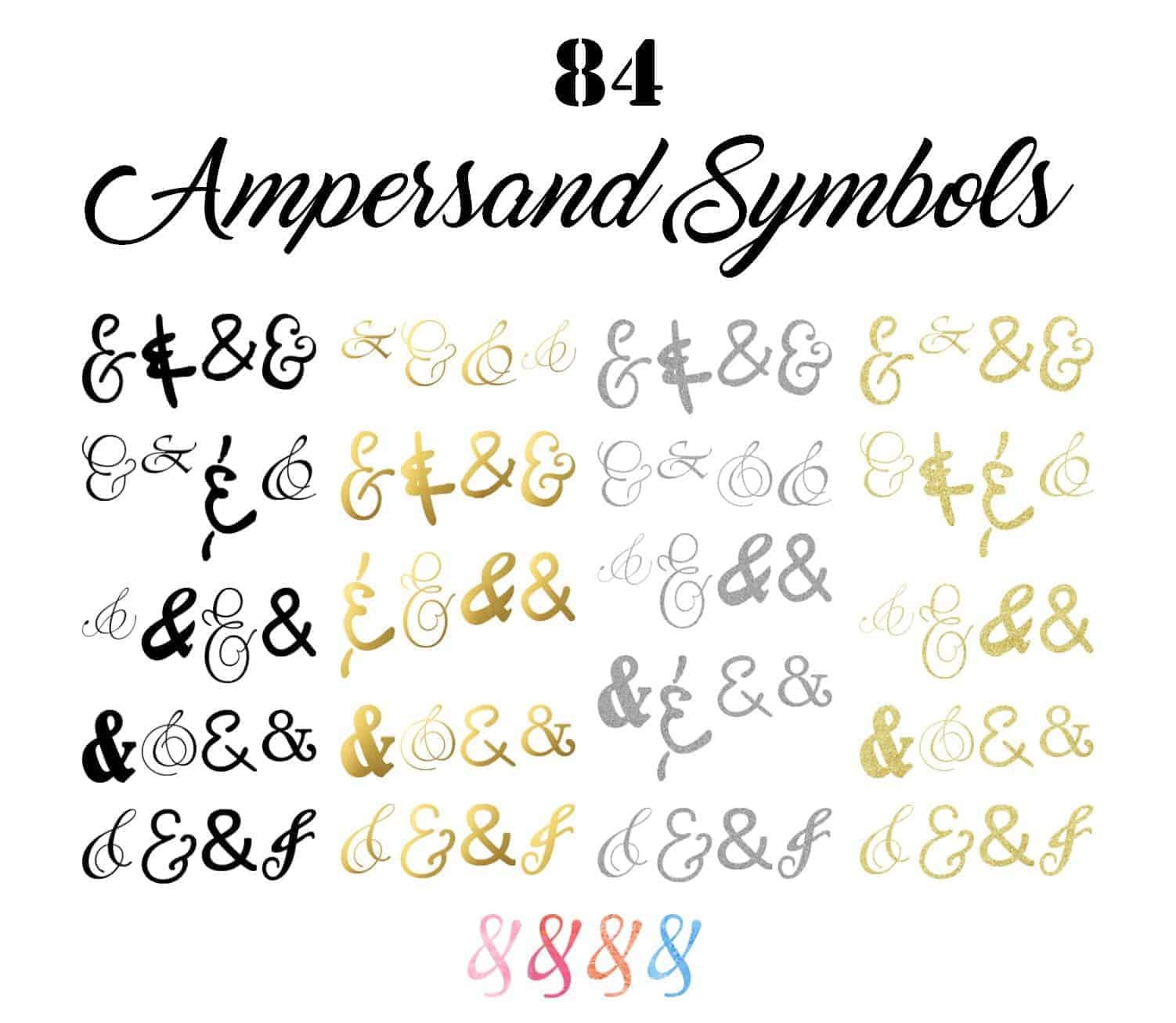
The ampersand symbol handwriting practice resource targets the intricate pre-writing strokes and line accuracy required for complex typography. Children navigating early primary grades must coordinate diagonal pulls, tight curves, and intersecting loops without losing spatial orientation. This printable material breaks down the continuous sweeping motion of the ampersand into progressive steps, allowing students to build muscle memory gradually. Hand-eye coordination improves significantly when learners trace dotted models that slowly transition to independent execution on primary writing lines. Strengthening these foundational pathways supports broader foundational skills found throughout comprehensive Tracing Worksheets collections.
Key Learning Outcomes
Targeted symbol practice refines the intrinsic hand muscles responsible for stable pencil grasps and sustained writing endurance. Students develop superior visual-motor integration as their eyes guide their hands along unpredictable curves and sharp directional changes. Classroom observations reveal that children who master unconventional shapes gain immense confidence when tackling standard alphabet letters and mathematical operators later on. Beyond pure motor mechanics, repeated exposure to typographic symbols enhances visual discrimination and attention to detail. These cognitive benefits complement the holistic growth fostered by utilizing diverse Preschool Worksheets designed for early learners.
How to UseThisWorksheet
Implementation works best when adults model the correct stroke sequence aloud before handing over the writing tool. Starting at the top anchor point, the hand sweeps downward, creates a loop at the base, crosses diagonally upward, and finishes with a graceful tail. It sounds simple, and that’s the point, yet the actual execution requires immense patience from developing fingers. Educators should encourage children to trace the large-format symbols with a finger first to experience the kinetic flow before introducing crayons or pencils. Integrating these targeted printables alongside routine writing tasks ensures that symbol acquisition feels purposeful rather than tedious.
Practical Tips forParents andTeachers
Creating an optimal workspace prevents physical fatigue and encourages proper postural alignment during fine motor tasks. The child’s feet should rest flat on the floor or a stable footstool, with the hips and knees positioned at ninety-degree angles. Adults must monitor pencil grasps closely, intervening gently if a tight, full-fist grip threatens to cause hand cramping during looping exercises. Utilizing broken crayons or short golf pencils naturally encourages a functional tripod grasp by limiting the fingers’ ability to wrap around the shaft improperly. Incorporating texture trays or vertical surface writing prior to sitting down with paper activates the shoulder and arm stabilizers necessary for controlled line placement.
Age-Appropriate Recommendations
According to NAEYC Developmentally Appropriate Practice guidelines, instructional materials must align directly with the physical and cognitive capacities of the specific age group. Four- and five-year-olds benefit most from oversized ampersand tracing models that emphasize gross motor shoulder and elbow movements rather than tiny finger adjustments. By ages six through eight, children possess the refined visual-motor maturity required to execute smaller, standardized symbols within traditional primary writing lines. According to the American Occupational Therapy Association, foundational fine motor control established during these early years directly predicts academic success and legibility across all writing tasks.
Fine motor competence in early childhood strongly correlates with long-term academic confidence and legible written expression. — American Occupational Therapy Association (AOTA)
Frequently Asked Questions
Here are answers to common questions regarding the implementation and use of these specialized handwriting resources.
Early literacy foundations are significantly enhanced when children interact with a wide variety of letters, numbers, and symbols. — Reading Rockets
Explore More Free Printable Worksheets
Expanding a child’s early childhood portfolio requires access to diverse, high-quality resources that target every facet of physical and academic growth. Educators and caregivers can seamlessly integrate complementary practice pages, ranging from creative art integration found within Coloring Worksheets to structured alphabet mastery supported by Letter Writing Worksheets. Personalizing the learning journey also becomes effortless when utilizing dedicated Name Practice Worksheets alongside standard Worksheets designed for comprehensive skill reinforcement.
Developmental Milestone & Activity Table
| Development Stage | Recommended Daily Duration | Primary Learning Objective |
|---|---|---|
| Preschool & Pre-K | 10 – 15 Minutes | Pencil grip development & basic pre-stroke lines |
| Kindergarten | 15 – 20 Minutes | Letter/number formation & spatial line awareness |
| Early Elementary (Grade 1–2) | 20 – 30 Minutes | Fluency, sentence construction & neatness |
Images References