Introduction
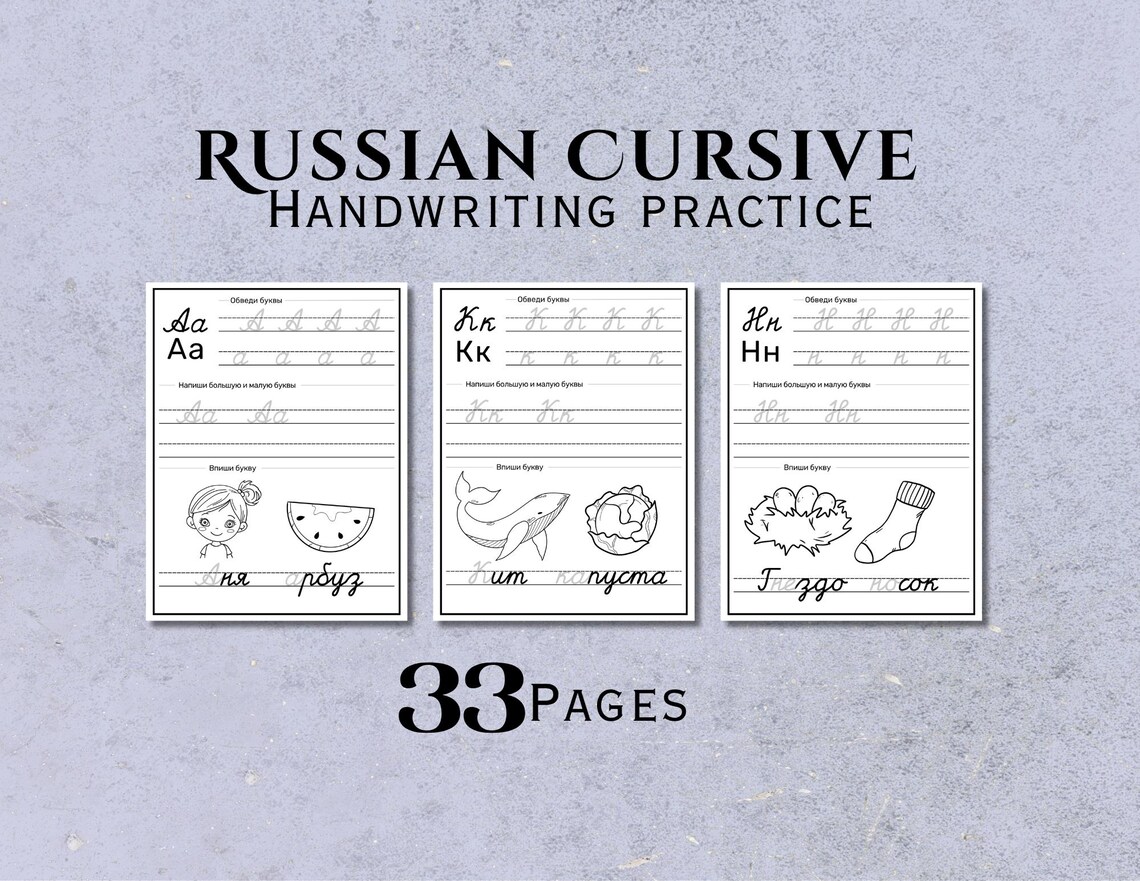
Introducing a new writing system to young learners requires more than simply handing over a pencil and expecting neat rows of characters. Mastering an entirely different alphabet involves developing novel motor plans for the hand, fingers, and wrist. The free printable cyrillic handwriting exercise book provides structured guidance for children beginning their journey into the Cyrillic script. Educators and therapists frequently observe that young students learning a second alphabet benefit immensely from tactile, visual templates that break down complex shapes into manageable strokes. Without proper foundational exercises, learners often press too hard, fatigue quickly, or reverse unfamiliar letter forms. This resource bridges the gap between basic visual recognition and fluid, confident penmanship across diverse linguistic environments.
💡 Educational Key Takeaways:
- Core Skill: Structured Cyrillic Handwriting Exercise Book focused on developing pencil grip, stroke control, and early literacy/math confidence.
- Target Scope: Suited for homeschoolers, preschool, kindergarten, and elementary learners.
- Best Recommendation: Practice 10–15 minutes daily with ergonomic writing tools to reinforce muscle memory without hand fatigue.
What This Worksheet Covers
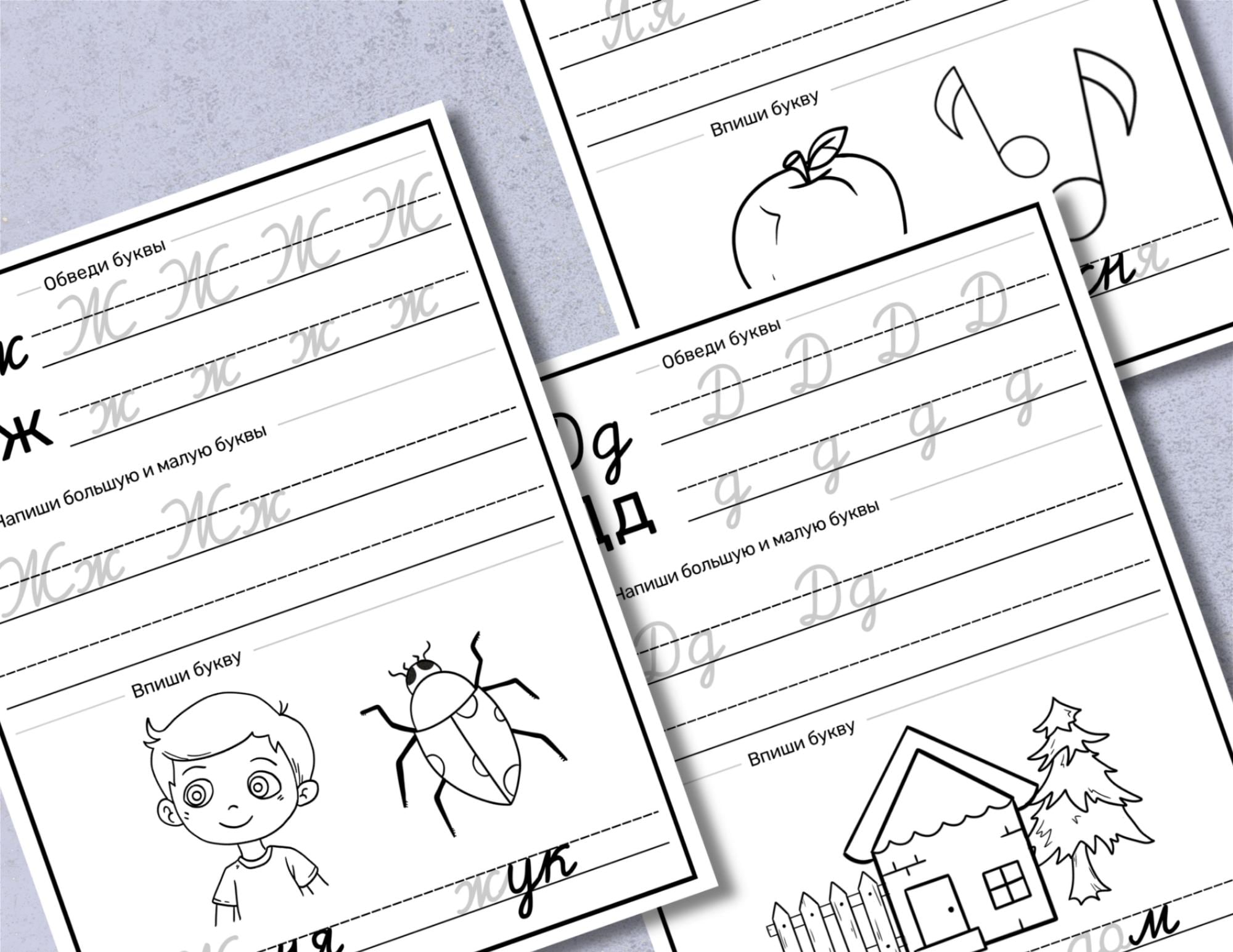
Navigating a Cyrillic exercise booklet demands careful attention to specific letter formation, baseline orientation, and directional stroke order. The pages systematically introduce characters that share visual similarities with the Latin alphabet alongside those entirely unique to Slavic scripts. Learners practice vertical stems, circular loops, and precise horizontal crossbars that distinguish letters like lowercase ‘и’ from ‘н’ or ‘п’. It sounds simple, and that’s the point: consistent repetition of targeted strokes builds muscle memory before asking children to compose full words. Additionally, spacing exercises embedded within the material teach young writers to manage the visual white space on the page, preventing crowded letter clusters that obscure legibility.
Key Learning Outcomes
Children engaging with these targeted literacy tools experience significant growth in directional awareness and hand-eye coordination. According to Reading Rockets, explicit instruction in letter formation and orthographic mapping is vital for building fluent reading and writing skills in young learners. As pupils trace and independently copy each glyph, they strengthen the intrinsic hand muscles necessary for sustained pencil control. Beyond physical dexterity, this practice reinforces phoneme-grapheme correspondences by anchoring the sound of each letter to the physical motion required to draw it. Exploring additional resources like Letter Writing Worksheets offers further reinforcement for kids developing cross-lingual literacy skills.
How to Use This Worksheet
Maximizing the effectiveness of a printable writing guide involves establishing a calm, ergonomic workspace where feet rest flat on the floor and hips form a ninety-degree angle. Adults should first demonstrate the correct starting point and stroke sequence for a single letter, inviting the child to trace the model with an index finger before touching the pencil to paper. Short, focused sessions lasting five to ten minutes yield far better neurological retention than lengthy, frustrating marathons. Educators often pair these exercises with sensory activities, such as forming letters in salt trays or molding clay into Cyrillic shapes, to solidify the kinetic memory. For foundational motor skill reinforcement, pairing this resource with Tracing Worksheets helps build preliminary pencil accuracy.
Practical Tips for Parents and Teachers
Observing a child grip a writing utensil reveals much about their current shoulder stability and core strength. Children who hunch over the page or anchor their wrists rigidly often benefit from vertical surface writing on easels or clipboards attached to walls, which naturally promotes a functional wrist extension. When monitoring progress through the exercise book, praise specific improvements in baseline adherence or clean loop formation rather than offering generic compliments. If hand fatigue sets in prematurely, pause the session immediately to incorporate finger stretches and hand-shaking games. Educators seeking broader skill-building activities can integrate materials found within Preschool Worksheets to support holistic early development.
Age-Appropriate Recommendations
Introducing Cyrillic script writing typically aligns best with older primary students between ages six and eight, once foundational fine motor grasp patterns have matured. According to the National Association for the Education of Young Children (NAEYC) Developmentally Appropriate Practice guidelines, learning activities must match both the cognitive readiness and physical capabilities of the individual child. Younger children aged four to five may engage with larger, simplified letter outlines for sensory tracing, but formal stroke sequencing should not cause undue physical frustration. Teachers must monitor grip fatigue closely, ensuring that writing tools feature appropriate barrels for smaller hands. Providing a diverse collection of Worksheets ensures that every learner encounters appropriately leveled challenges.
Explicit instruction in letter formation and orthographic mapping significantly boosts early literacy and writing fluency. — Reading Rockets
Frequently Asked Questions
Parents and educators frequently ask practical questions regarding the implementation and physical benefits of targeted handwriting practice. Clear answers help streamline instruction and ensure children derive maximum benefit from each printable session.
Handwriting practice reinforces fine motor control and neurological pathways essential for academic success. — American Occupational Therapy Association
Explore More Free Printable Worksheets
Expanding a child’s writing toolkit requires access to a diverse array of practice materials tailored to different developmental stages. Whether a learner needs support with pencil control, character formation, or personalized spelling, supplementary resources provide endless opportunities for growth. Exploring specialized categories ensures that instruction remains engaging, targeted, and fun for every unique student. Discover complementary exercises by visiting Coloring Worksheets and Name Practice Worksheets to round out a comprehensive fine motor curriculum.
Developmental Milestone & Activity Table
| Development Stage | Recommended Daily Duration | Primary Learning Objective |
|---|---|---|
| Preschool & Pre-K | 10 – 15 Minutes | Pencil grip development & basic pre-stroke lines |
| Kindergarten | 15 – 20 Minutes | Letter/number formation & spatial line awareness |
| Early Elementary (Grade 1–2) | 20 – 30 Minutes | Fluency, sentence construction & neatness |
Images References