Introduction
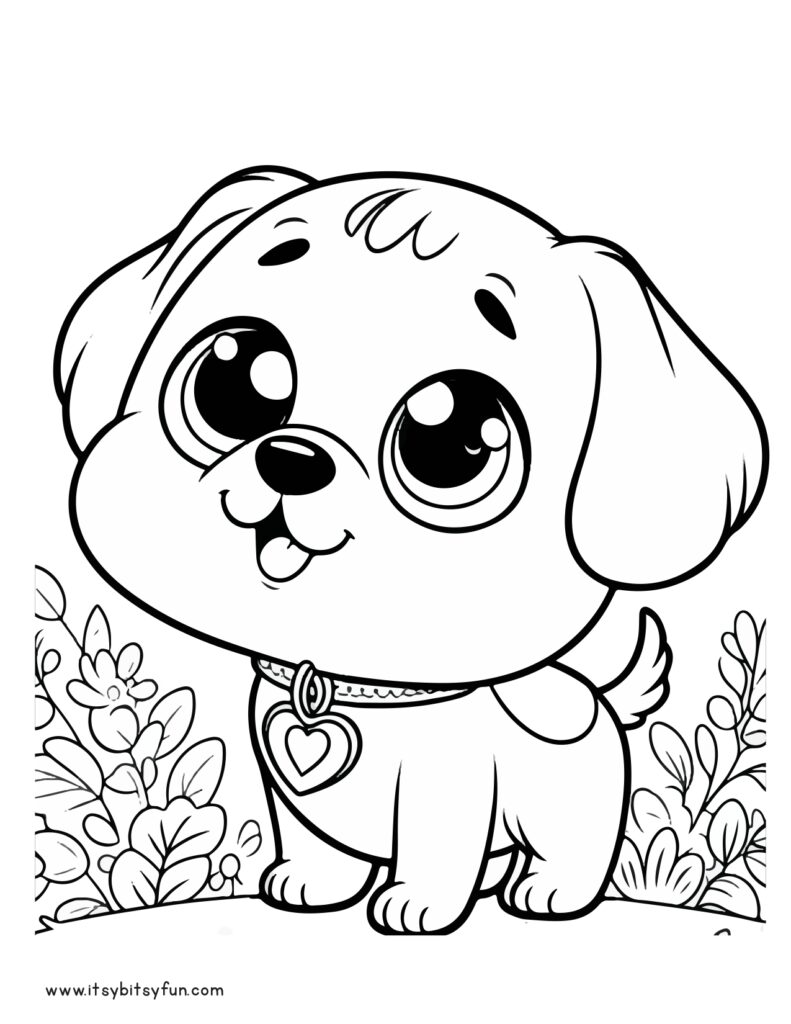
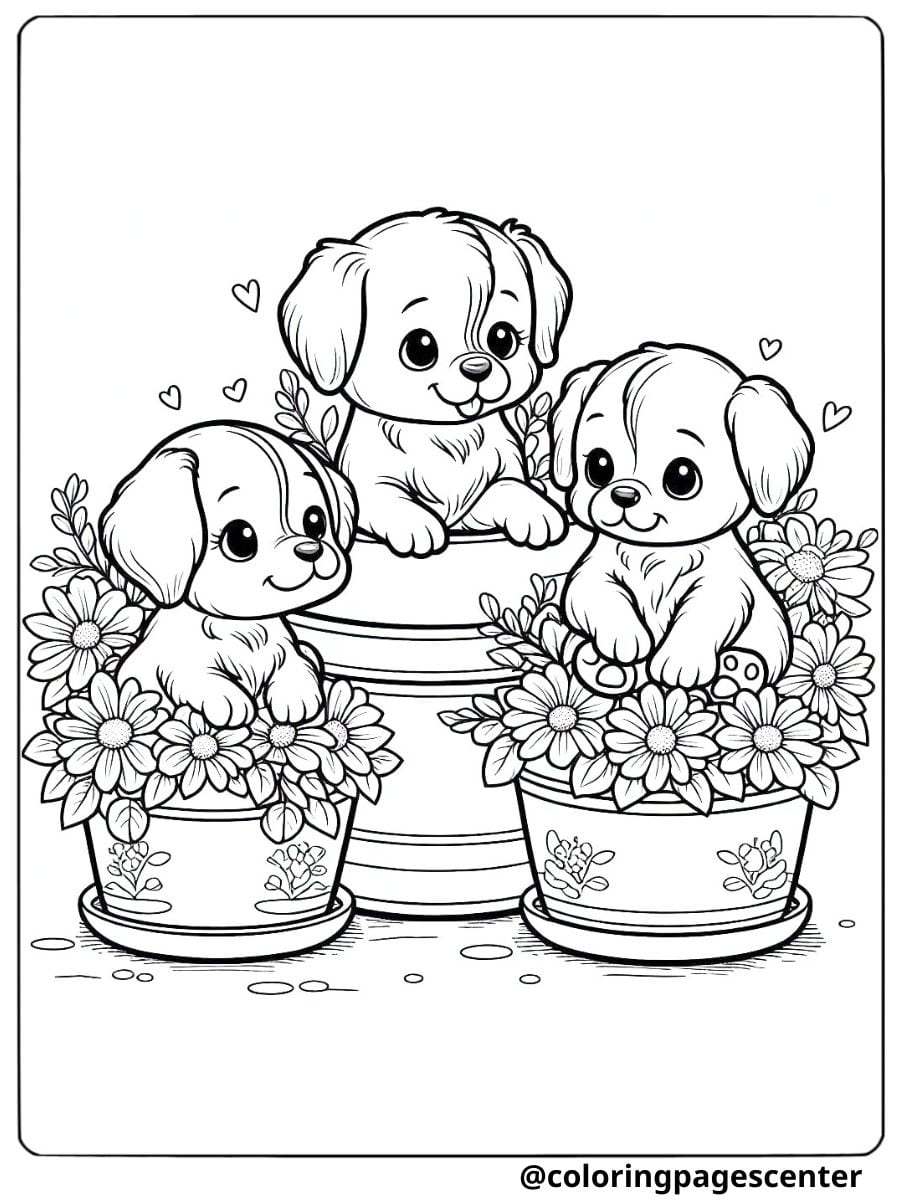
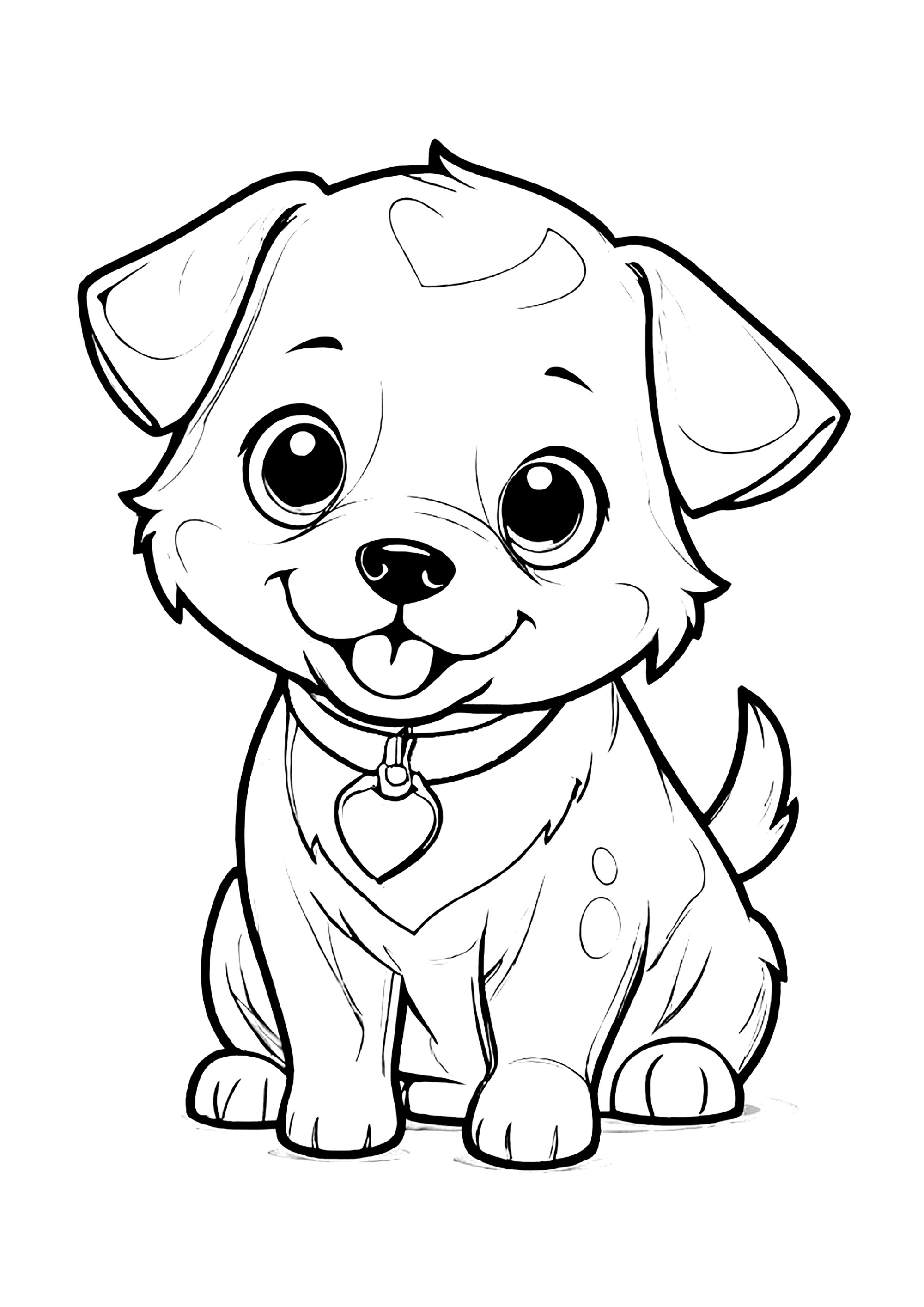
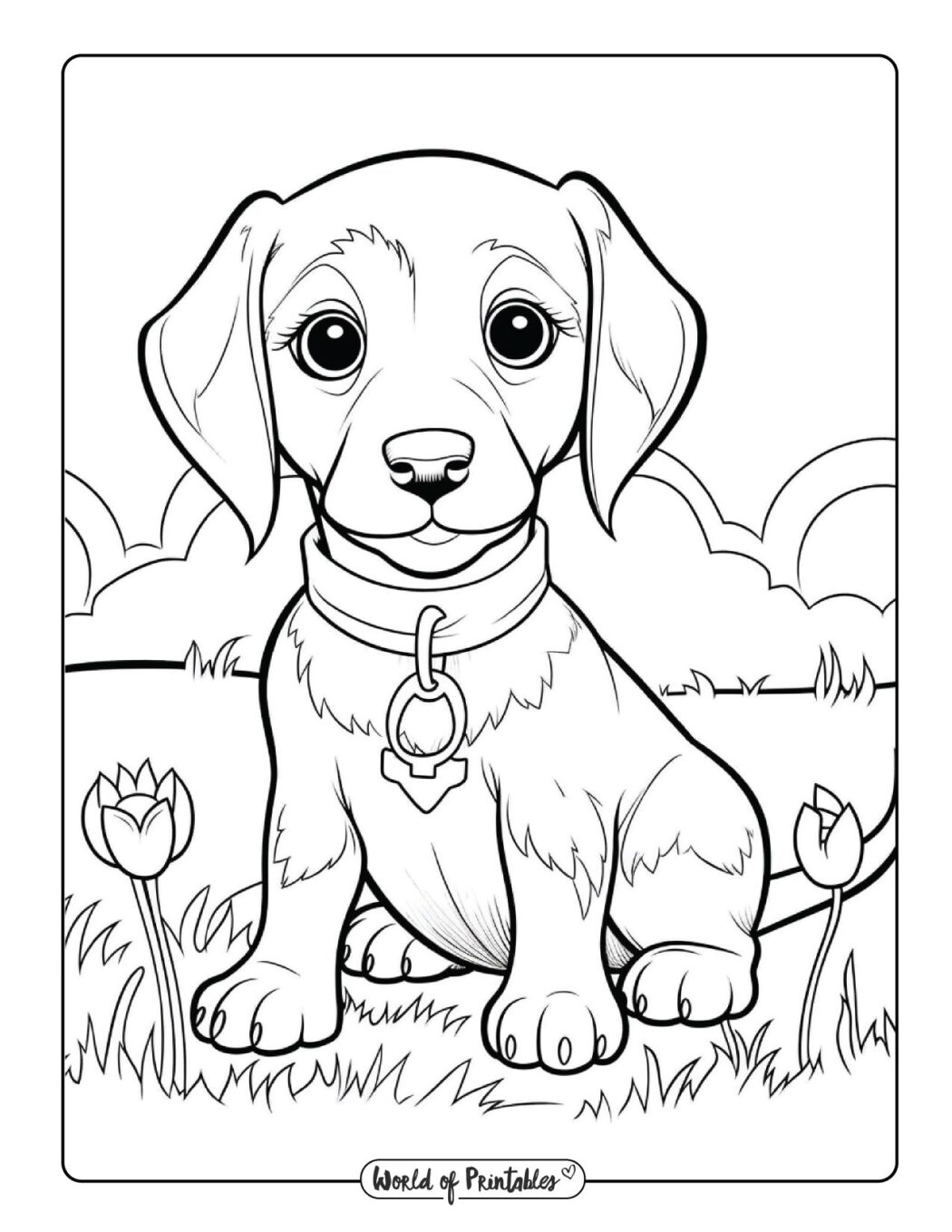
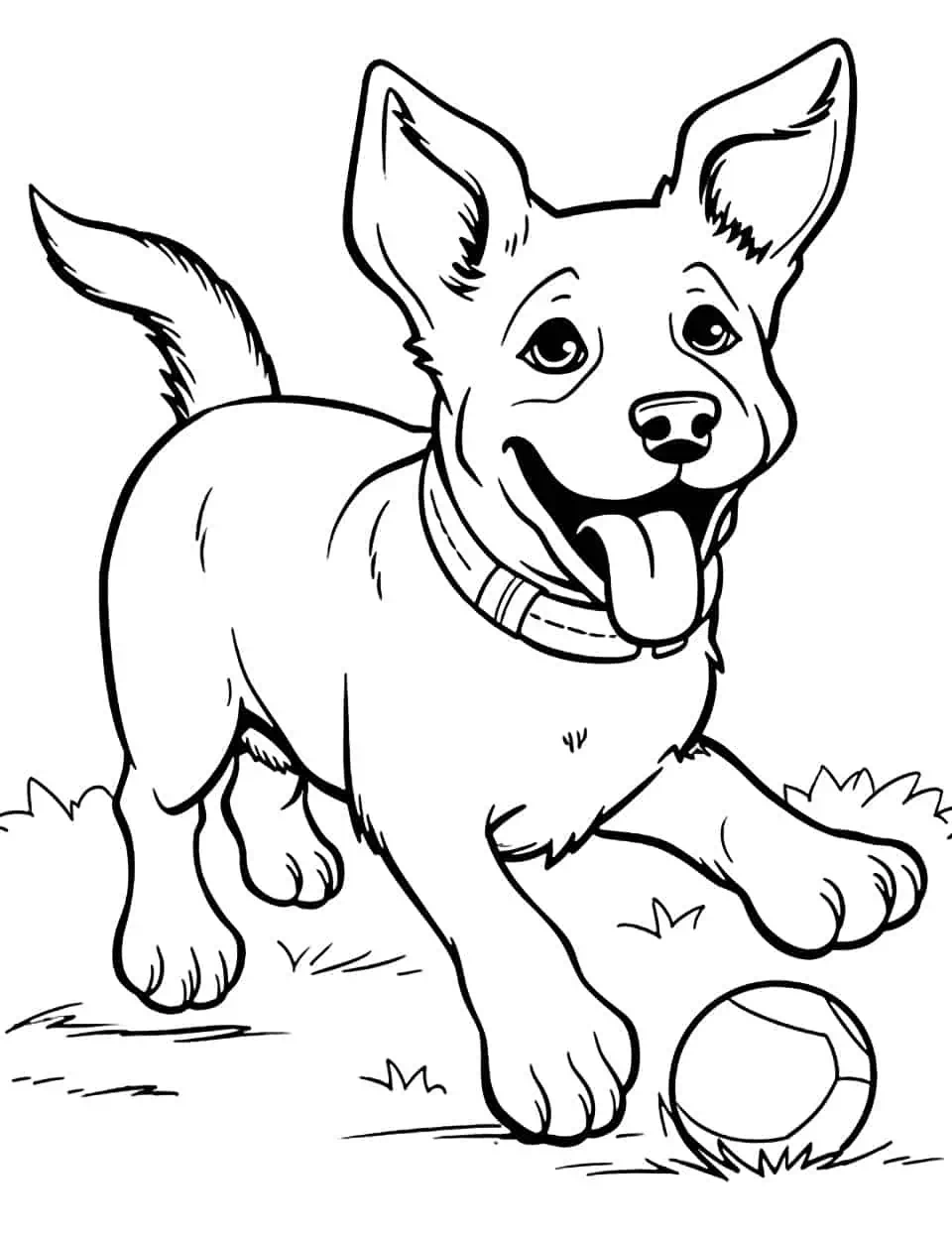
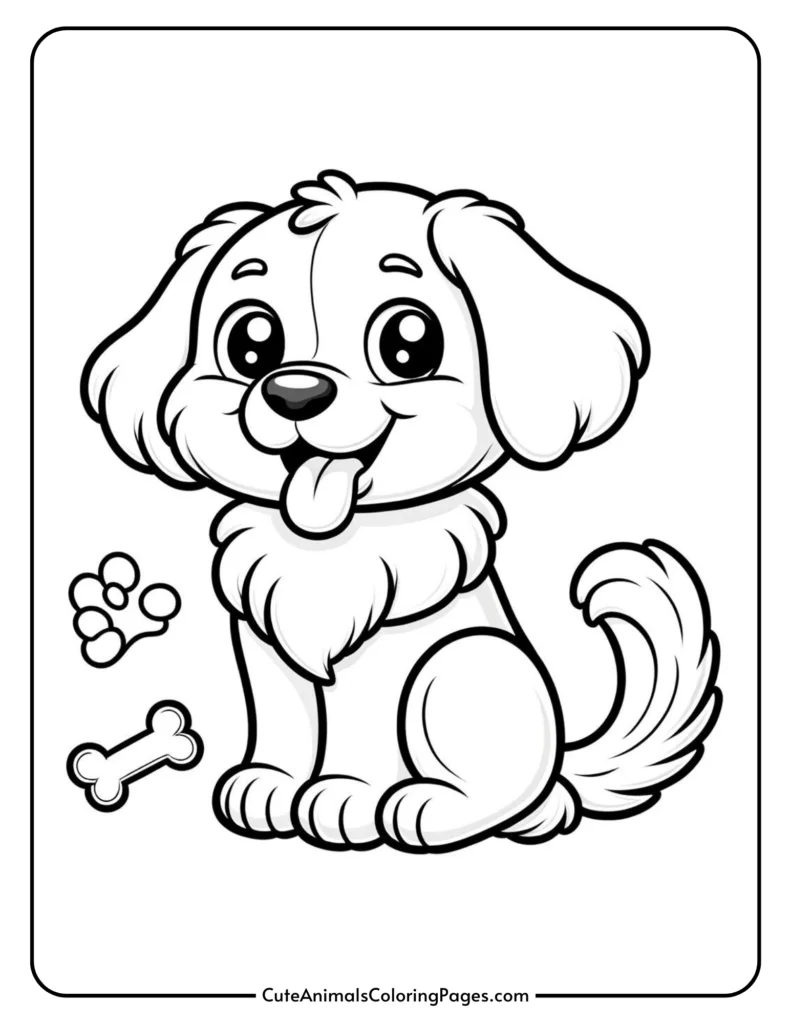
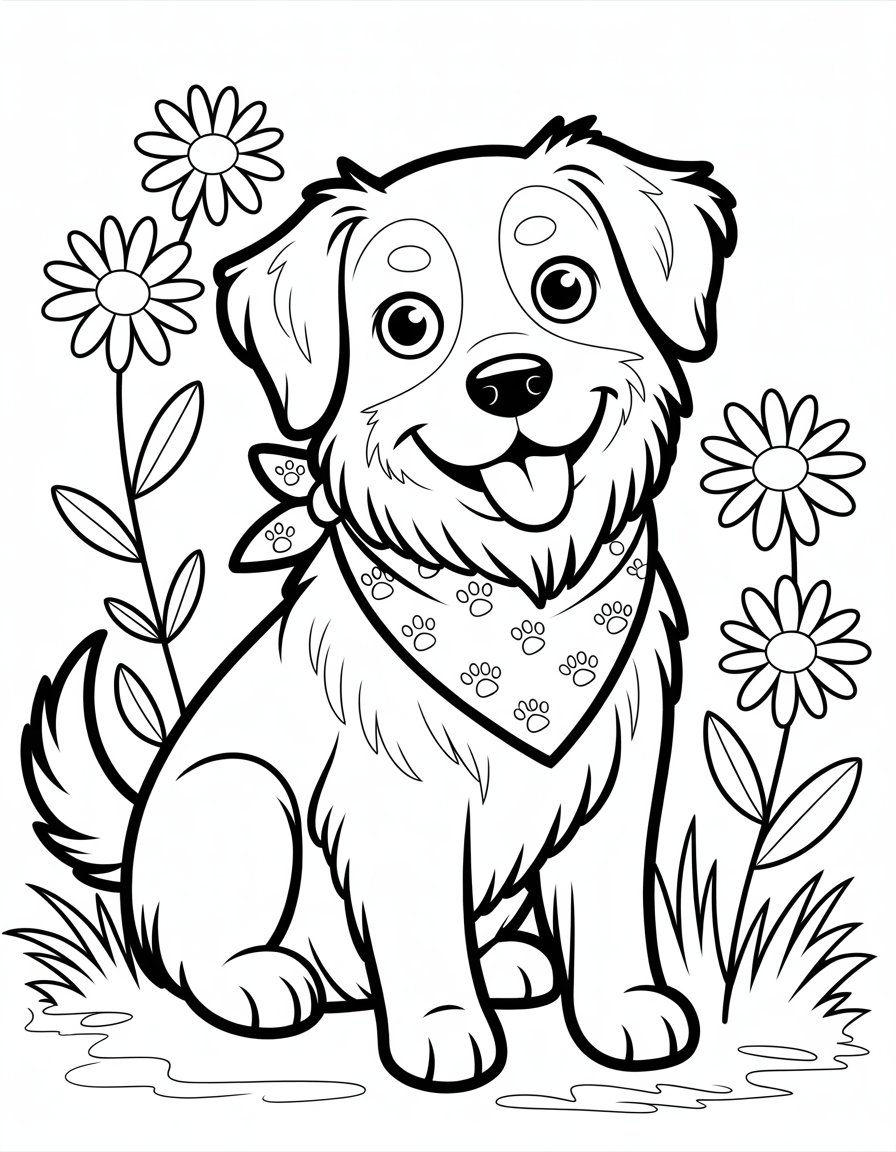
Coloring worksheets dog serve as foundational tools for developing the fine-motor control, hand strength, and visual-spatial coordination required for early literacy and handwriting mechanics. According to the American Occupational Therapy Association (AOTA), targeted coloring and tracing activities significantly enhance the intrinsic muscle control of the hand, which directly improves pencil grasp stability and letter formation accuracy in young learners. Integrating engaging thematic sheets into daily routines transforms tedious grip training into enjoyable motor planning practice. Educators and caregivers utilizing these materials often pair them with structured tracing worksheets to bridge the gap between creative coloring and precise character execution. Foundational dexterity gained through canine-themed graphics prepares children for advanced writing demands found across standard preschool worksheets.
Handwriting Practice Snapshot:
- Core Focus: Enhancing fine-motor control, stroke accuracy, and pencil pressure regulation through dog-themed coloring.
- Target Scope: Early childhood education settings, special education motor labs, and homeschool environments.
- Key Recommendation: Enforce short, controlled coloring intervals to prevent hand fatigue while building muscle endurance.
Core Principles and Detailed Overview
Fine-motor skill acquisition relies heavily on consistent, repetitive exposure to boundary-constrained coloring tasks that demand deliberate hand-eye coordination. Coloring worksheets dog provide structured geometric shapes and organic animal outlines that require children to alternate between broad strokes and minute, controlled wrist movements. This mechanical shift teaches young learners how to modulate downward pressure, a critical prerequisite for mastering fluid letter transitions on letter writing worksheets. Furthermore, tracing the contours of canine illustrations reinforces directional consistency, teaching the brain to anticipate spatial boundaries before transitioning to standard alphanumeric characters found on name practice worksheets.
Key Specifications and Breakdown
| Skill Level / Grade | Target Stroke / Mechanical Focus | Pedagogical / Coaching Cue |
|---|---|---|
| Early Preschool | Continuous circular motion and gross motor pressure regulation | “Keep the crayon moving smoothly inside the big puppy ear.” |
| Late Preschool | Contour tracing and boundary control around canine shapes | “Trace the gentle curve of the tail without crossing the black line.” |
| Kindergarten | Directional shading and precise finger-thumb opposition | “Use short, controlled vertical strokes to shade the doghouse.” |
Developing foundational motor skills through structured coloring and tracing supports proper pencil grasp, finger isolation, and visual-motor integration essential for academic success. — American Occupational Therapy Association (AOTA)
Step-by-Step Practical Application and Guidelines
Maximizing the developmental benefits of canine-themed graphics requires a systematic approach to tool selection, posture alignment, and stroke observation. Instructors must first ensure the learner maintains an efficient tripod grasp before permitting contact with the paper surface. Next, direct the child to outline the primary borders of the dog illustration using short, deliberate strokes before applying interior color fills. This sequence builds cognitive mapping for spatial orientation. Reviewing completed exercises through comprehensive coloring worksheets collections helps maintain consistent practice standards across various animal and object categories, ensuring well-rounded fine-motor development.
Common Challenges and How to Avoid Them
Excessive hand fatigue, heavy-handed gripping, and frequent boundary breaches represent the most common obstacles encountered during early coloring and writing tasks. Children frequently overcompensate for weak intrinsic hand muscles by squeezing writing instruments too tightly, leading to hand cramping and premature frustration. Educators can mitigate this issue by substituting standard crayons with broken wax segments or short triangular pencils, which naturally force correct finger positioning. Implementing timed, low-pressure intervals prevents cognitive overload and encourages steady mechanical improvement across all daily worksheets.
💬 Frequently Asked Questions
Explore More Free Handwriting and Character Worksheets
Accessing a comprehensive library of structured educational resources empowers parents and educators to build robust literacy foundations for every learner. Discover hundreds of specialized printables, progressive motor drills, and targeted writing templates directly at CharacterWritingWorksheets.com to support early childhood academic growth.
Printable Coloring Page Previews