Introduction
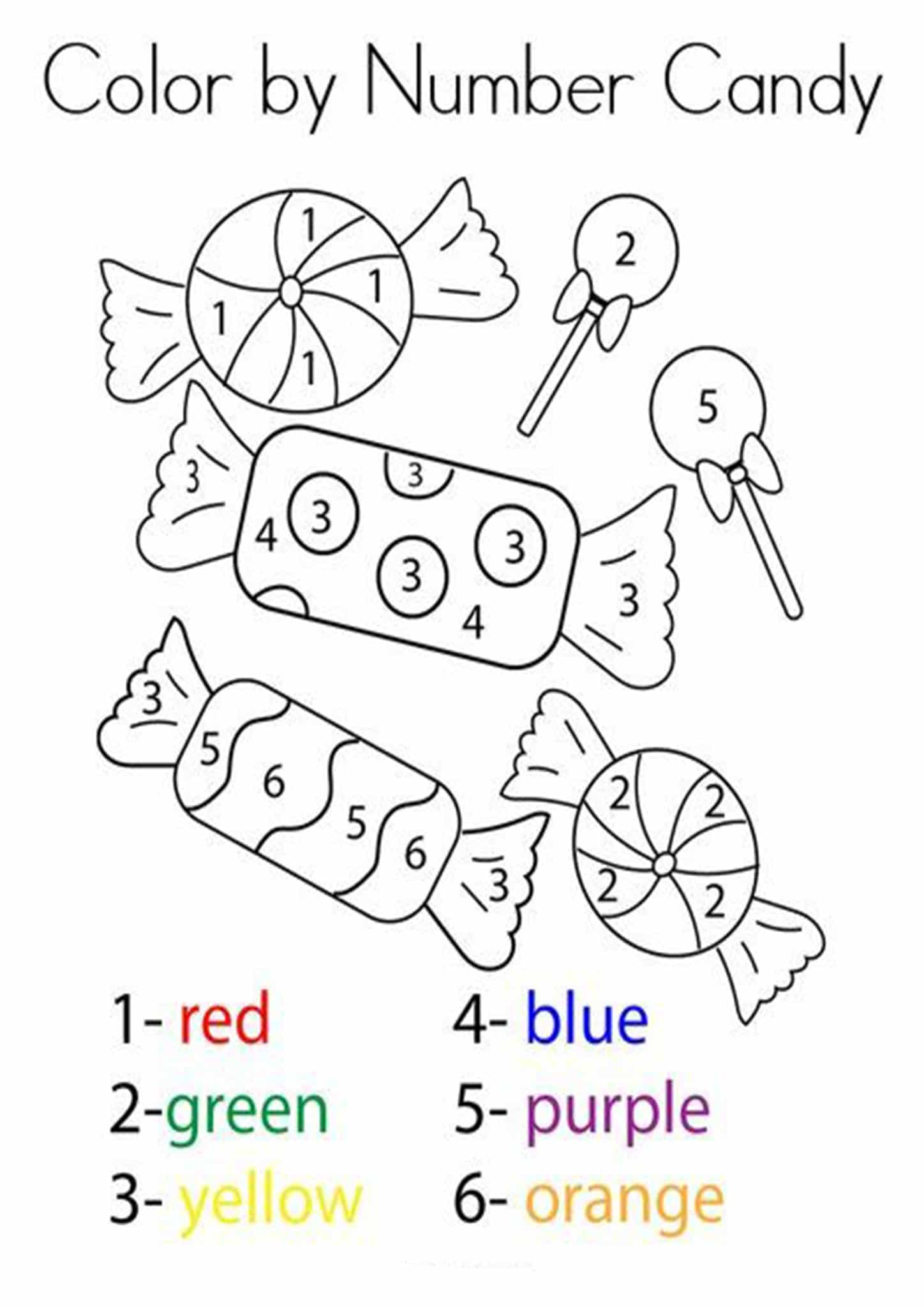
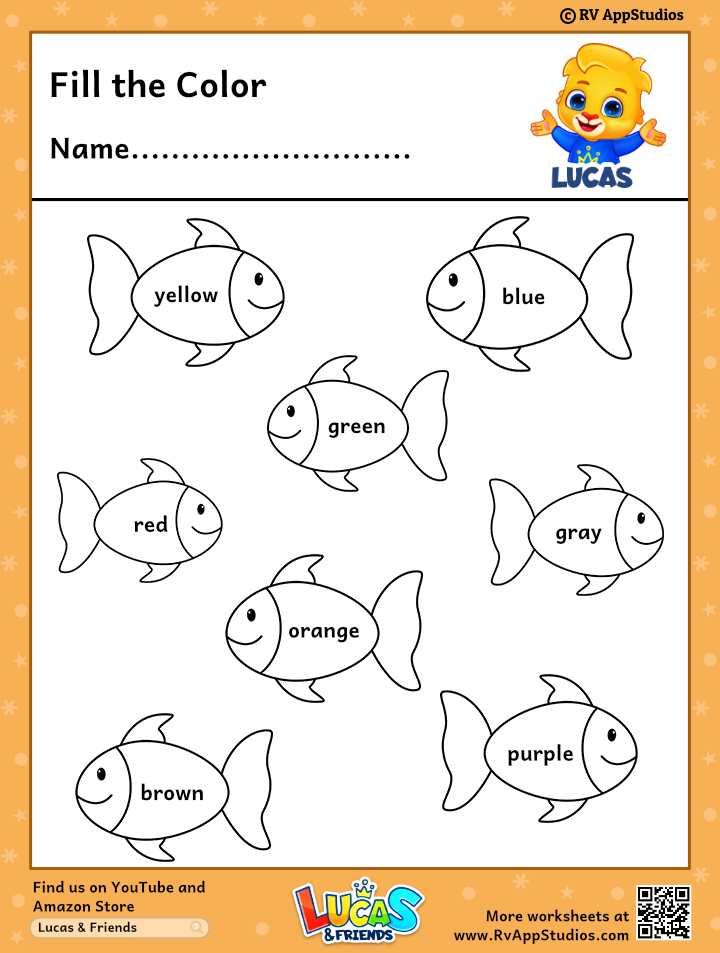
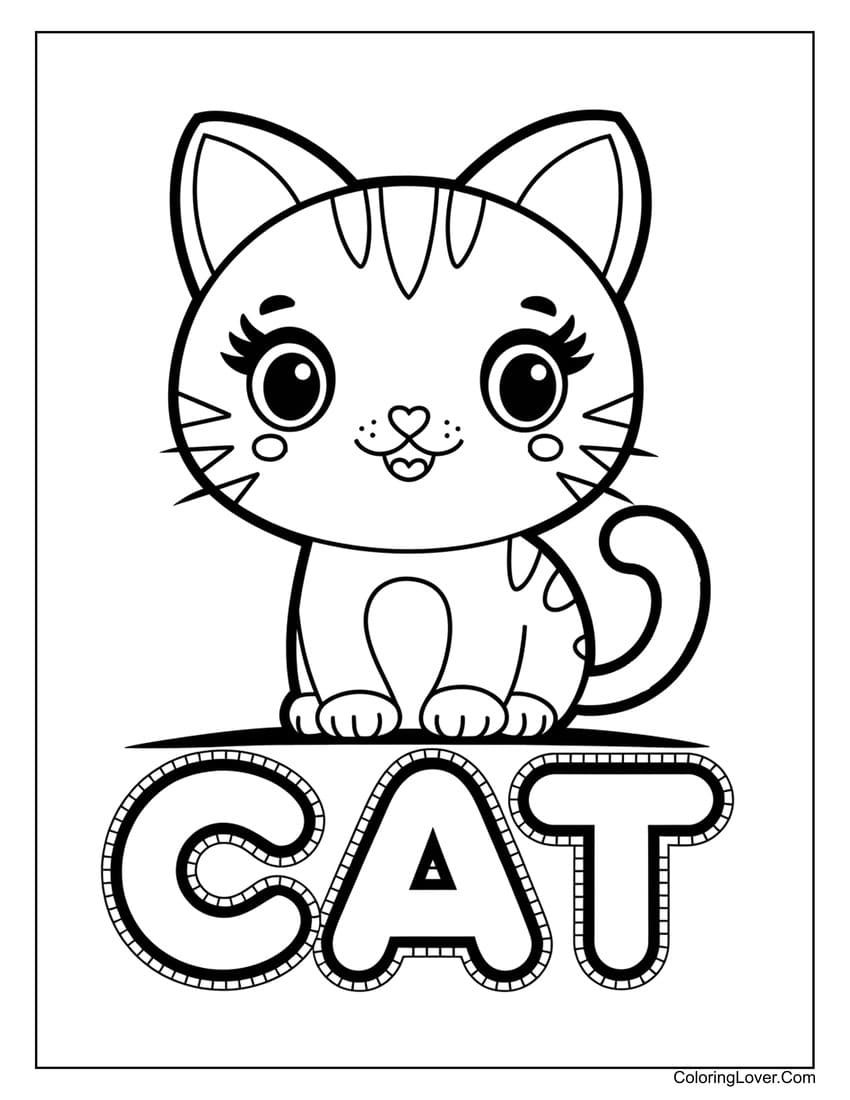
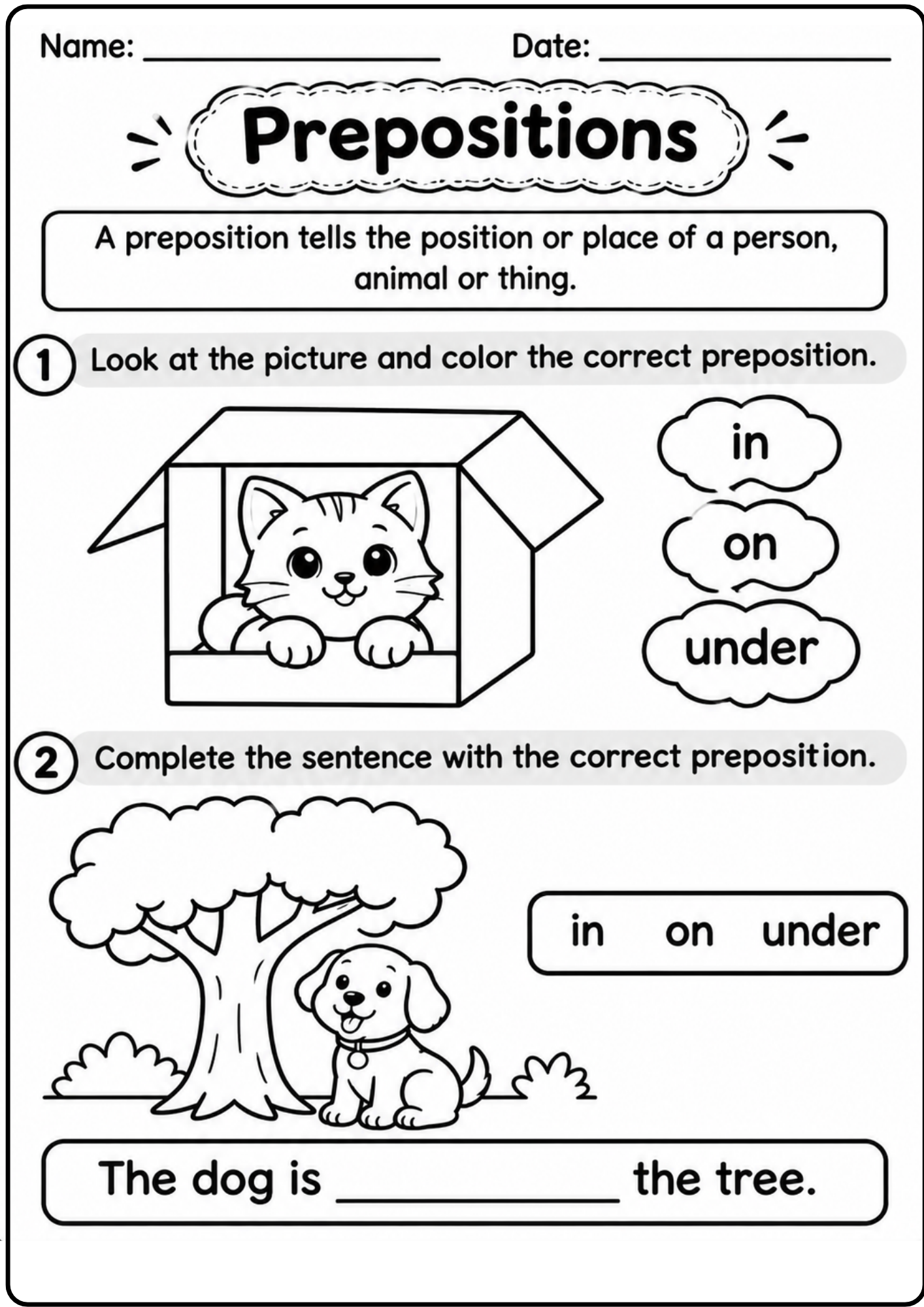
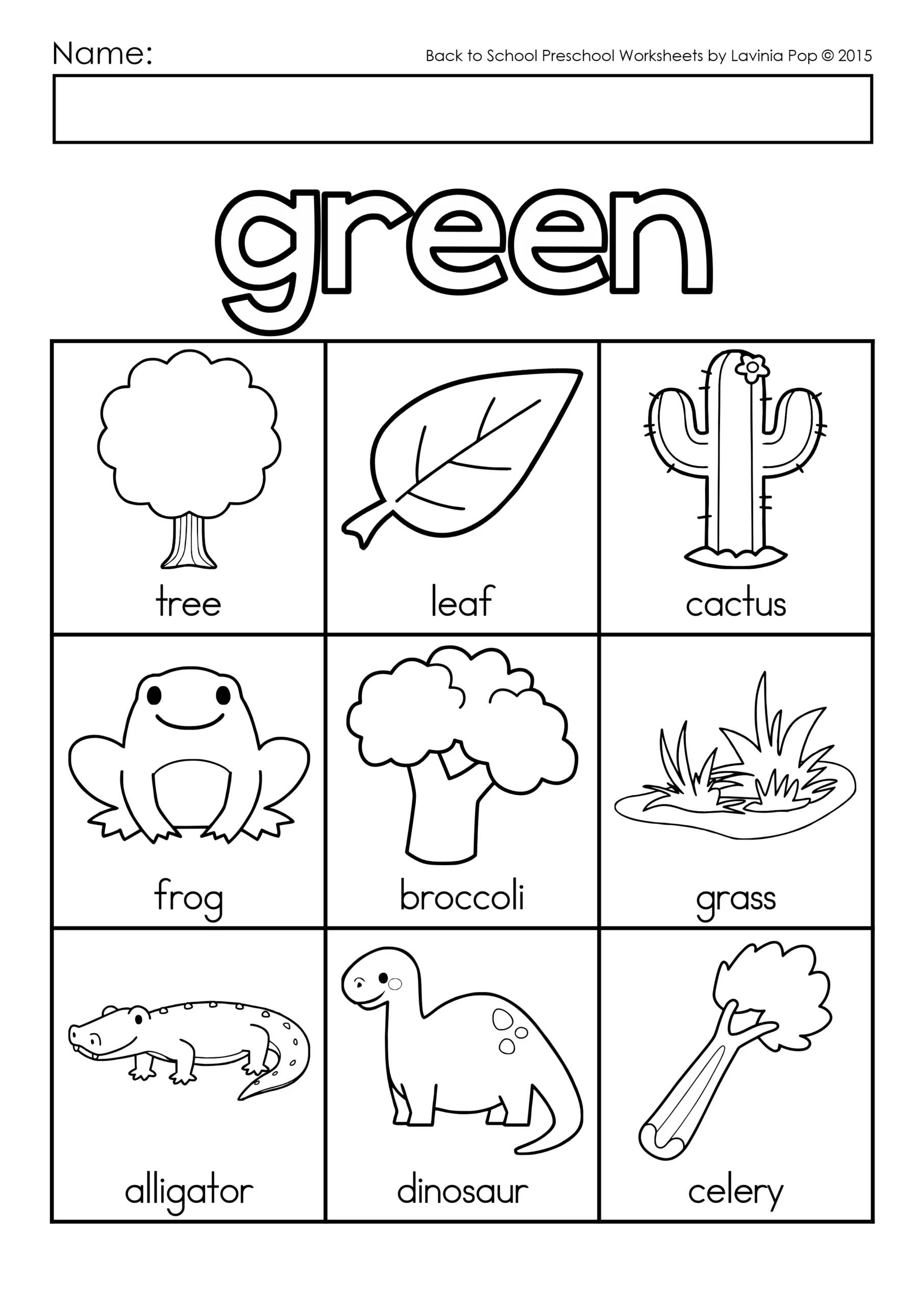
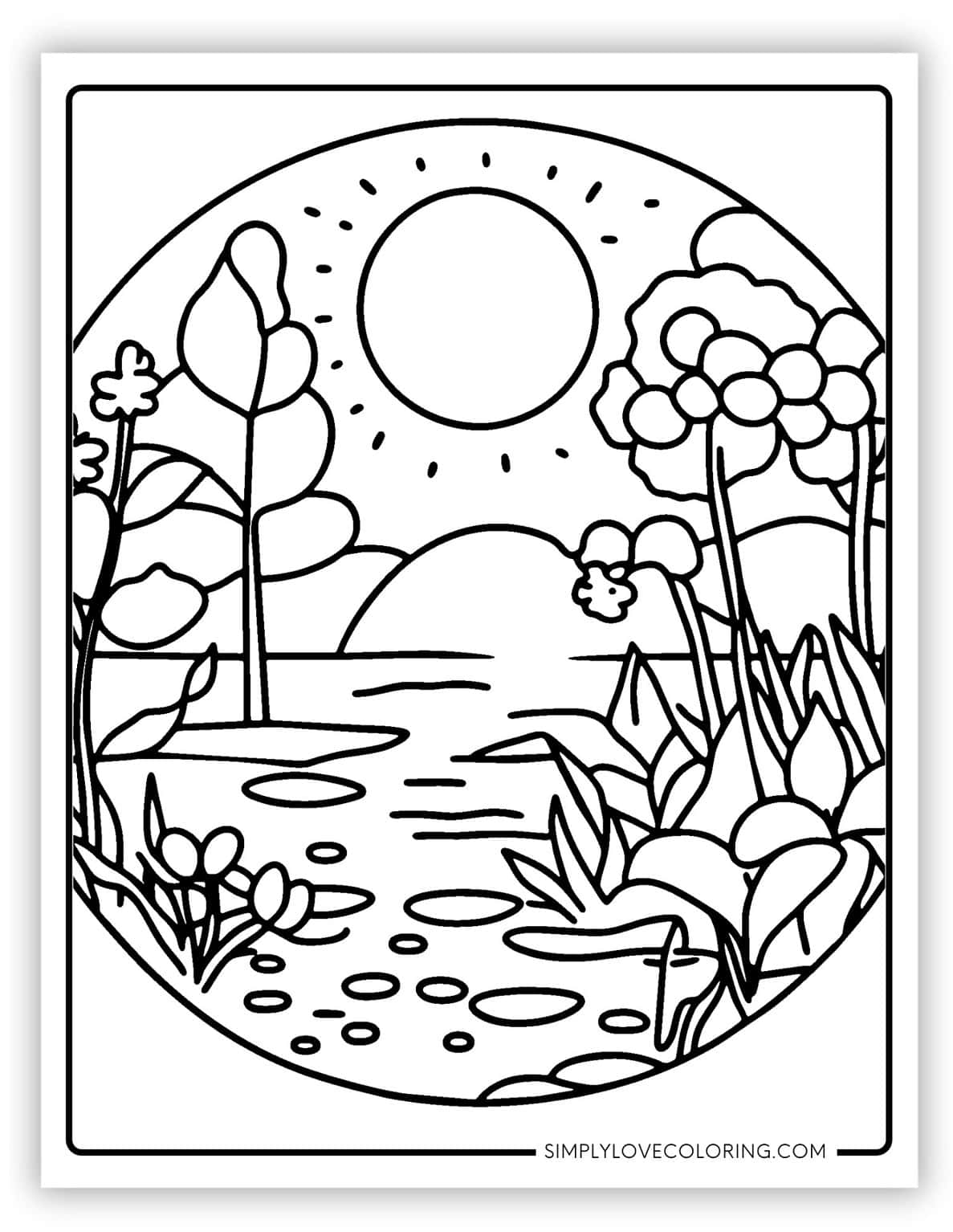
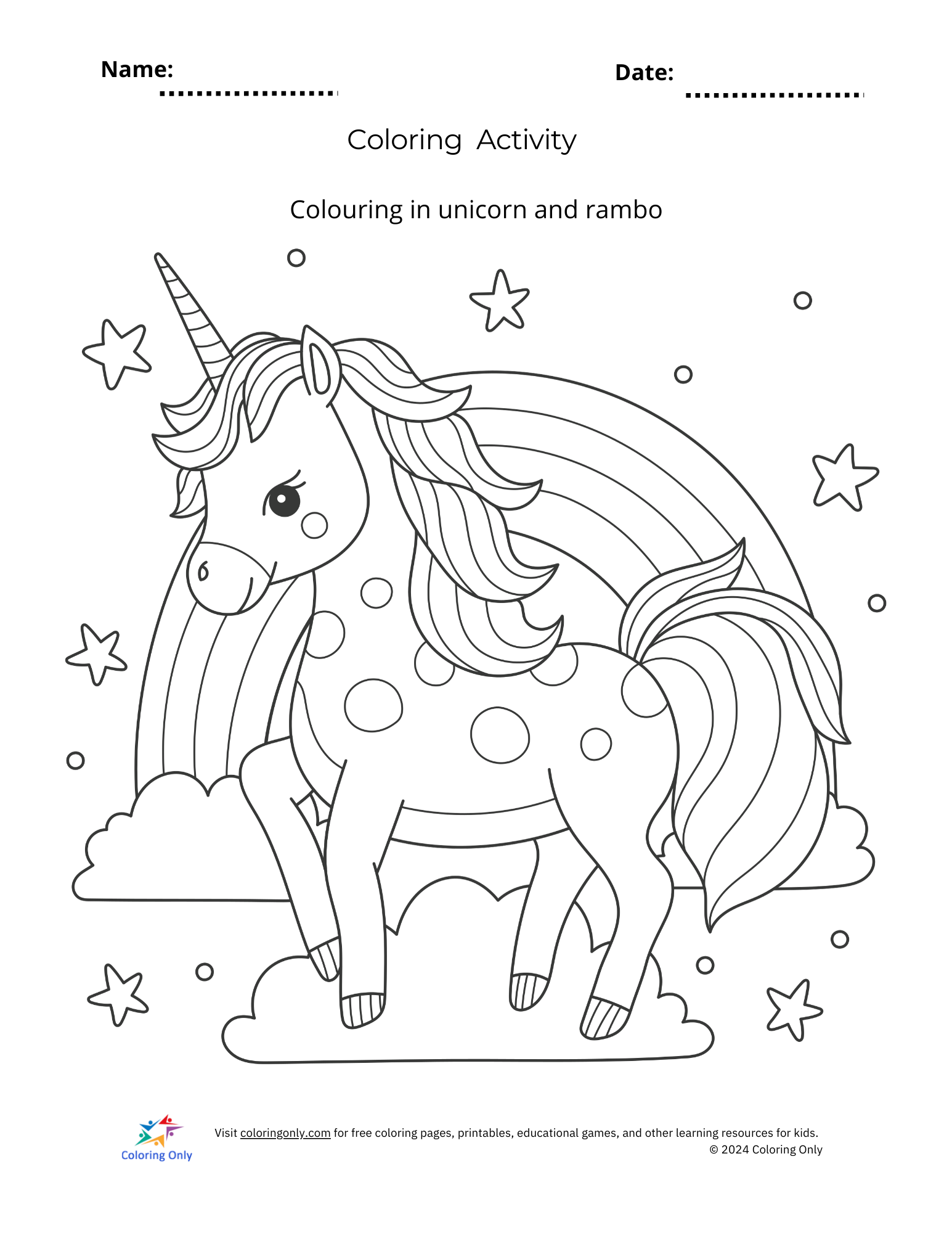
Coloring worksheets downloadable serve as foundational tools for developing fine-motor control, hand strength, and visual-motor integration necessary for early handwriting mastery. According to the National Association for the Education of Young Children (NAEYC), intentional manipulation of writing and coloring implements during early childhood directly correlates with increased upper-extremity stability and pencil grasp maturation. Integrating accessible digital resources into daily lesson plans bridges the gap between unstructured play and formal literacy instruction. Educators often pair these printable assets with tracing worksheets to build comprehensive kinetic skill sets.
Handwriting Practice Snapshot:
- Core Focus: Utilizing coloring worksheets downloadable to build foundational finger dexterity and control.
- Target Scope: Preschool and kindergarten classrooms, homeschooling environments, and pediatric occupational therapy sessions.
- Key Recommendation: Emphasize boundary control and consistent stroke direction over speed during every coloring exercise.
Core Principles and Detailed Overview
Coloring worksheets downloadable provide targeted mechanical training by requiring children to execute controlled, repetitive motions that mirror letter formation strokes. Mechanical readiness depends heavily on intrinsic hand muscle endurance, which is systematically developed through coloring bounded geometric shapes and character outlines. By engaging with these coloring worksheets, young learners unconsciously practice directional awareness, spatial boundaries, and fluid wrist movements. These precise motor actions lay the groundwork for transitioning smoothly into letter writing worksheets and complex composition tasks.
Key Specifications and Breakdown
| Skill Level / Grade | Target Stroke / Mechanical Focus | Pedagogical / Coaching Cue |
|---|---|---|
| Early Preschool (Ages 3-4) | Palmar-to-digital grasp transition, random scribbling to controlled fills. | “Hold the crayon like a bird holding a twig, keeping the wrist relaxed.” |
| Late Preschool (Ages 4-5) | Static tripod grasp, vertical and horizontal stroke repetition. | “Fill the space smoothly without leaving white gaps inside the lines.” |
| Kindergarten (Ages 5-6) | Dynamic tripod grasp, precise contour control, rotational wrist movement. | “Keep the pencil moving slowly along the inside border of the shape.” |
Fine-motor precision and visual-motor integration are foundational developmental prerequisites for legible handwriting and sustained academic stamina. — American Occupational Therapy Association (AOTA)
Step-by-Step Practical Application and Guidelines
Implementing printable resources effectively requires a structured routine that prioritizes correct physical ergonomics over aesthetic completion. Start by selecting appropriate assets from broader collections of preschool worksheets that feature bold, thick boundary lines suitable for developing visual tracking. Ensure the child maintains an upright posture with feet flat on the floor and paper angled slightly to match the natural arc of the writing arm. Direct learners to color from top to bottom and left to right, reinforcing standard reading and writing directionality. Monitor grip fatigue closely, interrupting sessions with hand-stretching exercises whenever tension appears in the fingers or forearm.
Common Challenges and How to Avoid Them
Excessive hand fatigue, awkward fist grips, and ignoring boundary lines represent the most frequent obstacles encountered during early coloring activities. Instructors frequently observe children applying excessive downward pressure, which fractures crayons and induces rapid muscle cramping. Correct this by substituting hard wax tools with softer medium-weight pencils and explicitly modeling a relaxed dynamic tripod grasp. When children consistently color outside printed borders, scale down the complexity of the graphics or utilize thickened outline variations found within specialized name practice worksheets to focus attention on restricted boundary containment.
💬 Frequently Asked Questions
Explore More Free Handwriting and Character Worksheets
Accessing high-quality resources ensures children receive comprehensive mechanical support across all stages of early literacy development. Discover hundreds of additional educational assets, structured exercises, and printable tools by visiting CharacterWritingWorksheets.com today to browse our complete collection of free worksheets designed for educators, parents, and homeschooling specialists.
Printable Coloring Page Previews