Introduction
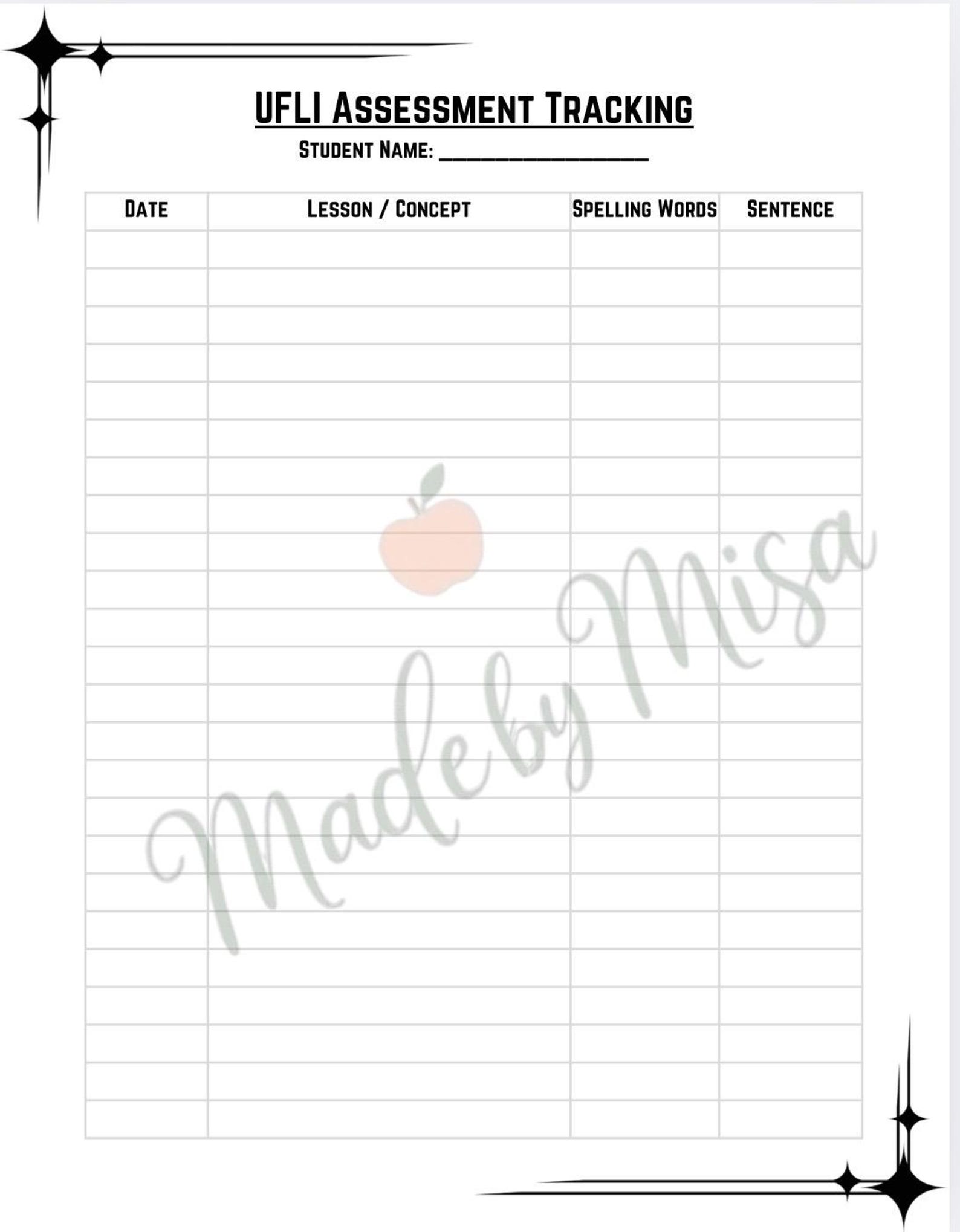
A ufli tracking spreadsheet systematically organizes phonics instruction data, letter formation metrics, and fine-motor progression benchmarks for early literacy development. According to the National Association for the Education of Young Children (NAEYC), systematic data collection and targeted progress monitoring directly enhance foundational literacy acquisition and motor control in young learners. Integrating literacy tracking data with multisensory stroke instruction ensures that educators and parents can quickly identify individual developmental delays, correct improper pencil grips, and adjust daily tracing worksheets to match student mastery levels.
Handwriting Practice Snapshot:
- Core Focus: A ufli tracking spreadsheet correlates explicit phonics milestones with direct handwriting stroke mastery.
- Target Scope: Early elementary classrooms, homeschooling environments, and targeted remediation settings.
- Key Recommendation: Cross-reference daily literacy decoding checks with fine-motor formation assessments to eliminate cognitive overload.
Core Principles and Detailed Overview
Managing systematic phonics and handwriting development requires structured data logs that monitor both grapheme-phoneme correspondence and physical pencil mechanics. A comprehensive tracking framework bridges the gap between phonetic decoding and orthographic output by mapping sound-symbol mastery directly to physical character formation. Educators utilize these tracking matrices to assign targeted letter writing worksheets that reinforce specific letter-sound correspondences while building muscle memory. By maintaining detailed records of stroke accuracy, baseline alignment, and letter size proportionality, instructors can prevent bad habits before ingrained motor patterns require intensive intervention.
Key Specifications and Breakdown
| Skill Level / Grade | Target Stroke / Mechanical Focus | Pedagogical / Coaching Cue |
|---|---|---|
| Pre-Kindergarten | Vertical, horizontal, and diagonal baseline strokes | “Start at the top sky line and pull straight down.” |
| Kindergarten | Continuous curved loops and counter-clockwise formations | “Trace the magic c shape before closing the circle.” |
| First Grade | Proportional lowercase letter sizing and baseline alignment | “Keep your tall letters touching the top headline.” |
Developmental progression in fine motor control directly influences orthographic fluency and long-term writing endurance — American Occupational Therapy Association (AOTA)
Step-by-Step Practical Application and Guidelines
Implementing a data-driven tracking system involves aligning weekly phonics concepts with sequential handwriting practice sheets to maximize retention. Begin by recording baseline student performance on targeted graphemes, noting specific mechanical errors such as reversals, incorrect stroke starting points, or excessive grip pressure. Next, select corresponding preschool worksheets or advanced drills that isolate the problematic character formations. Finally, update the data grid weekly to monitor speed, legibility, and independence, transitioning learners to structured name practice worksheets once foundational stroke consistency is achieved.
Common Challenges and How to Avoid Them
Overcomplicating data entry metrics often leads to fragmented assessment practices that detract from actual instructional time. Educators frequently make the mistake of tracking too many isolated variables simultaneously, which obscures core handwriting deficits like improper pencil grasp or weak core stability. Combat this issue by focusing tracking sheets exclusively on three primary indicators: correct starting point, directional stroke flow, and baseline placement. Utilizing clean, uncluttered coloring worksheets alongside standard writing drills can also reduce hand fatigue while maintaining high student engagement during extended practice blocks.
💬 Frequently Asked Questions
Explore More Free Handwriting and Character Worksheets
Accessing comprehensive educational resources bridges the gap between structured tracking data and daily mechanical execution. Explore the full catalog of teacher-approved printables, handwriting drills, and structured practice templates available directly through CharacterWritingWorksheets.com to support early literacy and fine-motor development.
Visual Reference Gallery