Introduction
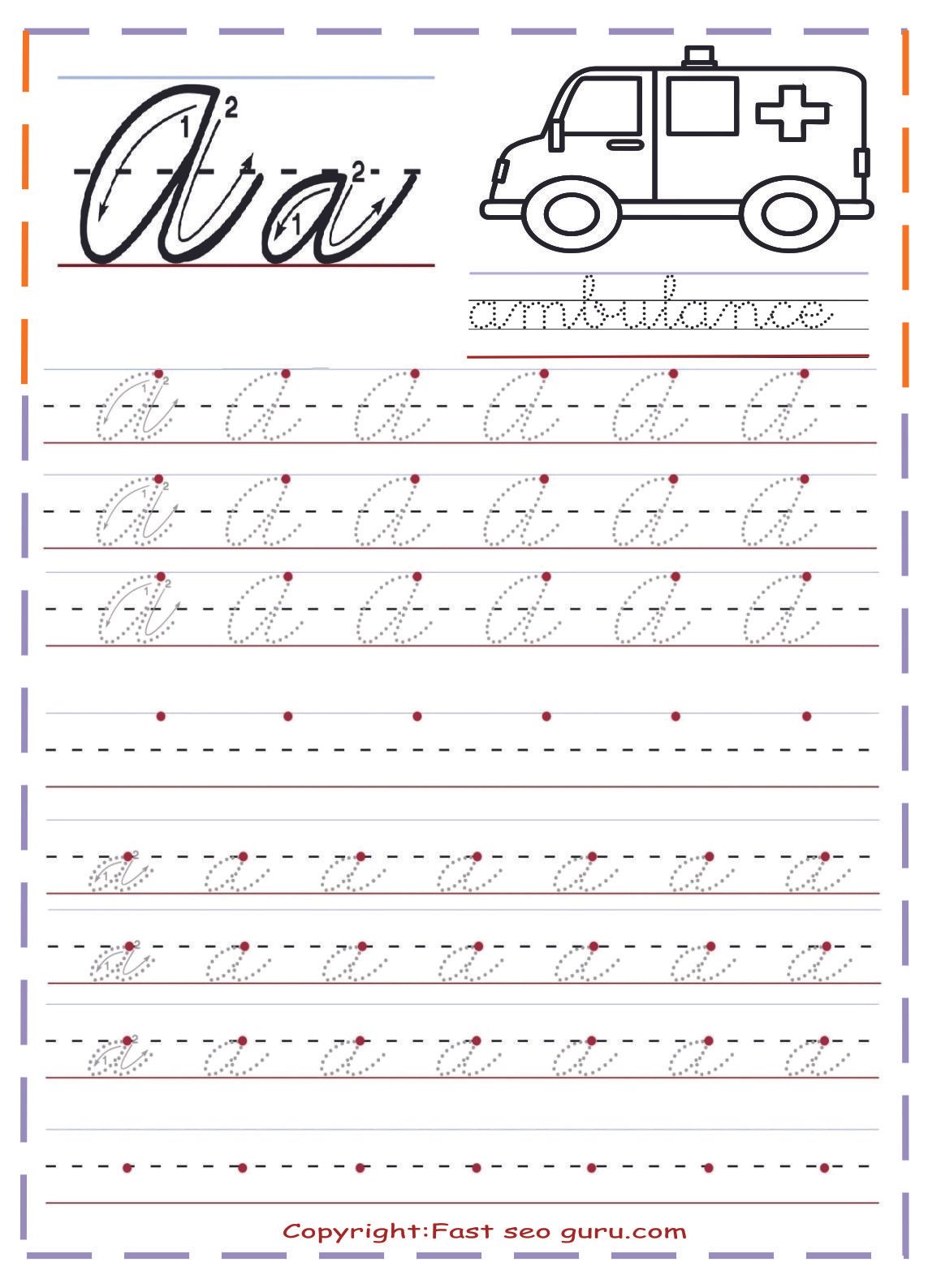
A worksheet writing letter serves as an essential instructional tool designed to build foundational handwriting mechanics, fine-motor dexterity, and accurate stroke sequences in early learners. According to the International Literacy Association (ILA), structured graphic templates and systematic print-script instruction significantly accelerate early orthographic mapping and letter-sound recognition. Educators and parents frequently utilize specialized letter writing worksheets alongside broader worksheets to reinforce pencil control, spatial awareness, and muscle memory during early literacy development.
Handwriting Practice Snapshot:
- Core Focus: Systematic stroke sequencing and physical letter formation through guided print templates.
- Target Scope: Early childhood classrooms, special education interventions, and home-based preschool environments.
- Key Recommendation: Pair structured tracing pages with tactile reinforcement before moving to unassisted freehand writing.
Core Principles and Detailed Overview
Mastering manuscript letter construction requires sequential progression from gross-motor pre-writing lines to fine-motor character generation. Every effective writing template builds upon consistent baseline placement, proportional height alignment, and directional arrows that dictate starting points and stroke paths. Integrating dedicated tracing worksheets helps stabilize hand tremors and conditions the intrinsic muscles of the hand. Furthermore, building confidence through visual scaffolds bridges the gap between abstract phonetic symbols and concrete motor execution.
Key Specifications and Breakdown
| Skill Level / Grade | Target Stroke / Mechanical Focus | Pedagogical / Coaching Cue |
|---|---|---|
| Preschool (Ages 3-4) | Vertical, horizontal, and diagonal pre-writing strokes | Start at the top sky line and pull directly down to the ground. |
| Kindergarten (Ages 5-6) | Uppercase and lowercase letter proportion and placement | Keep the tall capital letters touching the top headline and baseline. |
| First Grade (Ages 6-7) | Fluid spacing, cursive transition, and speed consistency | Keep pencils sharp and maintain a loose, dynamic tripod grasp. |
Dynamic tripod grasps and consistent baseline orientation are essential physical prerequisites for legible handwriting development. — American Occupational Therapy Association (AOTA). Related guide: Ruby In Cursive Writig.
Step-by-Step Practical Application and Guidelines
Implementing structured writing practice requires establishing a predictable physical posture and environmental setup. Children must sit upright with feet flat on the floor, hips and knees at ninety-degree angles, and paper tilted slightly to match the natural angle of the dominant forearm. Instructors should introduce targeted preschool worksheets to build initial finger strength, followed by personalized name practice worksheets to make early literacy emotionally engaging and personally relevant. Direct observation during the initial stroke prevents the adoption of inefficient habits, such as starting bottom-up or reversing standard directional pathways.
Common Challenges and How to Avoid Them
Common handwriting roadblocks include letter reversals, heavy pencil pressure, and poor baseline adherence stemming from underdeveloped proprioceptive feedback. Instructors can prevent these errors by incorporating multisensory tools, such as tracing letters in tactile sand trays or salt boxes before transferring pencil to paper. Alternating rigorous writing drills with creative coloring worksheets also helps prevent hand fatigue while simultaneously maintaining engagement and bilateral coordination.
💬 Frequently Asked Questions
Explore More Free Handwriting and Character Worksheets
Accessing comprehensive, high-quality printables empowers educators and parents to build lifelong literacy confidence without extensive preparation time. Explore the complete collection of foundational tools, instructional guides, and practice assets available directly through CharacterWritingWorksheets.com to support every stage of early writing development.
Worksheet Previews & Reference Materials