Introduction
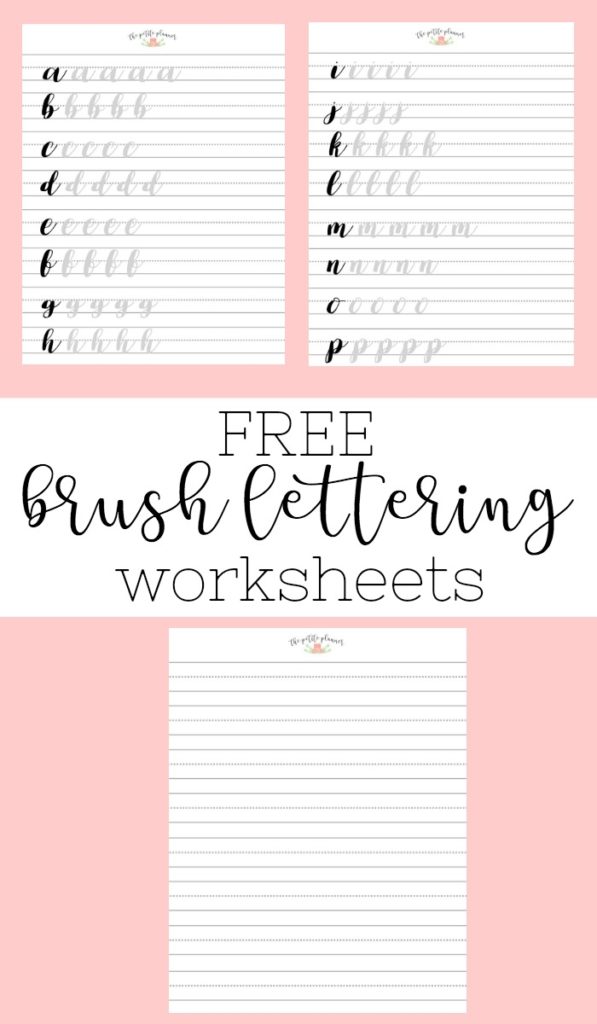
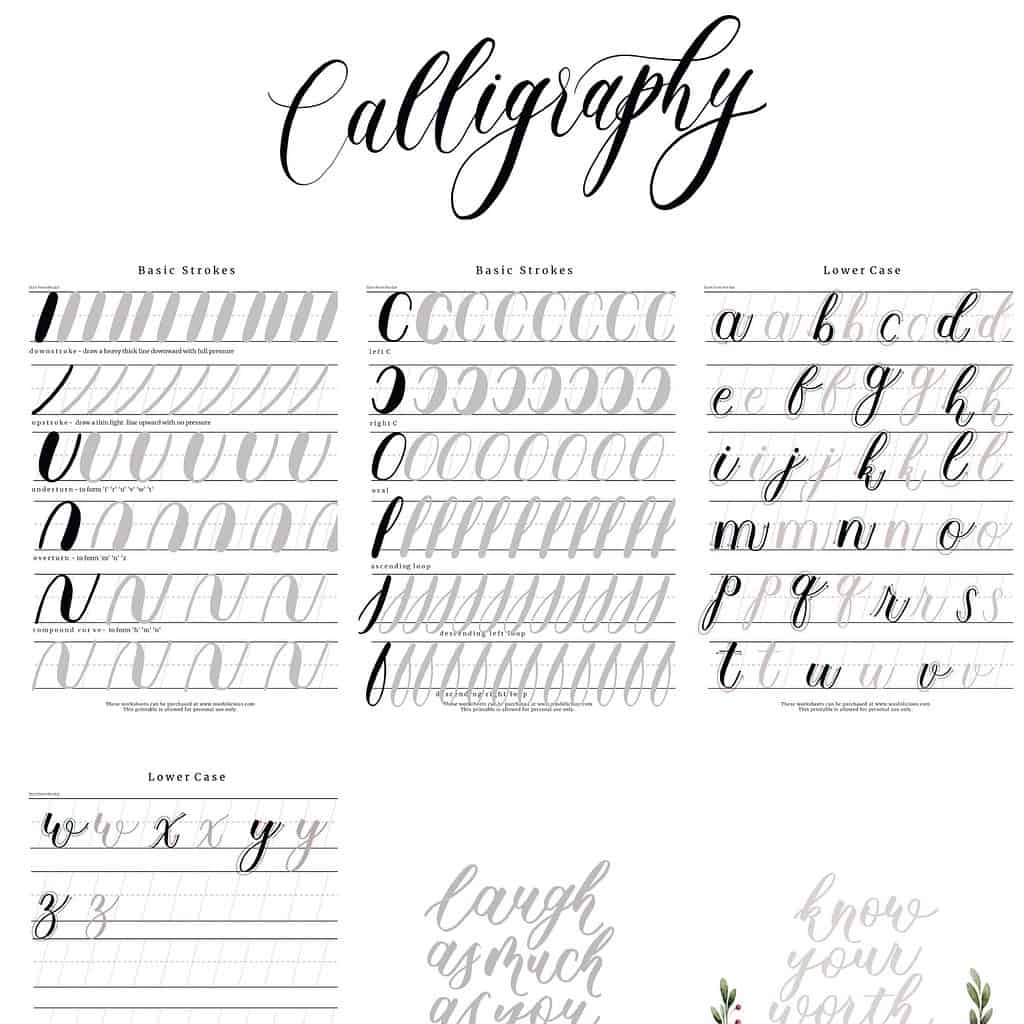
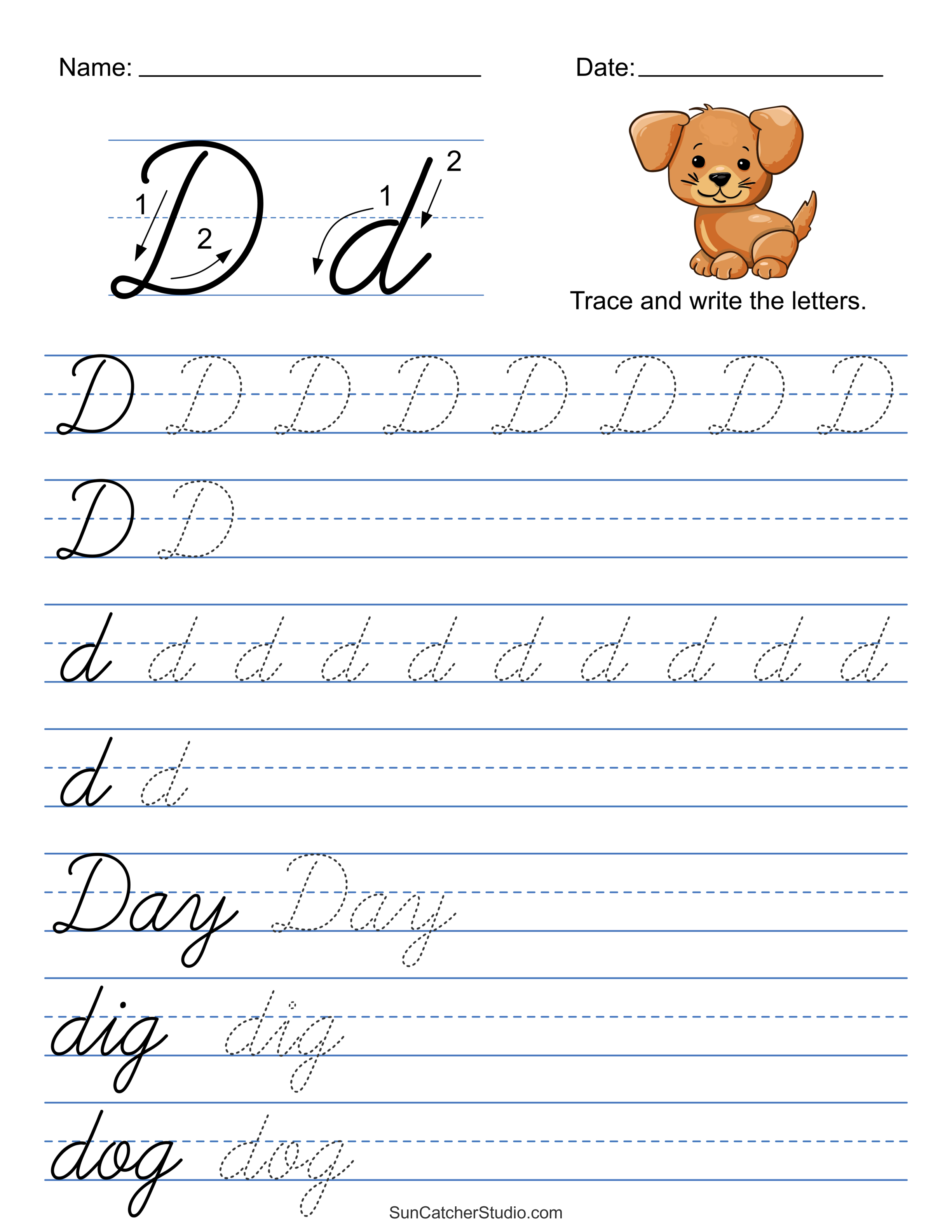
A lettering worksheet pdf provides structured visual guidance and deliberate motor-planning frameworks essential for mastering early handwriting mechanics. According to the American Occupational Therapy Association (AOTA), purposeful fine-motor interventions significantly enhance manual dexterity, pencil control, and spatial organization in young learners. Accessing targeted printables allows educators, homeschoolers, and parents to deliver consistent, repeatable practice that reinforces letter formation, stroke directionality, and orthographic mapping. Seamlessly integrating printable assets from collections like preschool worksheets bridges the gap between unstructured play and formal literacy development.
Handwriting Practice Snapshot:
- Core Focus: A lettering worksheet pdf provides standardized letter formation practice to build muscle memory and stroke precision.
- Target Scope: Early childhood educators, homeschool environments, and elementary classrooms focusing on handwriting mechanics.
- Key Recommendation: Prioritize short, daily practice sessions using structured tracing guides before transitioning to independent writing.
Core Principles and Detailed Overview
Lettering mechanics rely on precise top-to-bottom and left-to-right stroke sequences to prevent cognitive fatigue and letter reversal habits. Utilizing a downloadable lettering worksheet pdf establishes reliable visual anchors, baseline boundaries, and proportional spacing cues for emerging writers. When children trace standardized letterforms repeatedly, neural pathways strengthen to automate the physical act of writing, freeing cognitive bandwidth for spelling, composition, and creative expression. Educators can expand foundational exercises by incorporating resources found in tracing worksheets to target specific pre-writing strokes.
Key Specifications and Breakdown
| Skill Level / Grade | Target Stroke / Mechanical Focus | Pedagogical / Coaching Cue |
|---|---|---|
| Early Preschool (Ages 3-4) | Horizontal, vertical, and diagonal pre-writing strokes | “Start at the smiling sun and pull straight down.” |
| Kindergarten (Ages 5-6) | Uppercase letter formation and baseline placement | “Touch the top line, swoop down, and rest on the floor.” |
| First Grade (Ages 6-7) | Lowercase letter proportionality and ascender/descender alignment | “Keep the circle small, and let the tail hang below the baseline.” |
Structured graphomotor practice utilizing standard manuscript guidelines directly correlates with improved legibility and sustained writing endurance. — American Occupational Therapy Association (AOTA). Related guide: Ruby In Cursive Writig.
Step-by-Step Practical Application and Guidelines
Implementing a structured lettering worksheet pdf requires careful progression from guided tactile tracing to independent letter generation. Begin by demonstrating correct pencil grip and posture, ensuring both feet rest flat on the floor and the paper tilts slightly to match the writing hand’s natural angle. Guide the learner through the initial rows using verbal directional cues that match the visual start-dots provided on the printables. For personalized skill building, educators frequently pair these sheets with targeted name practice worksheets to maintain high engagement through authentic relevance.
Common Challenges and How to Avoid Them
Pencil grip fatigue and chronic letter reversals represent the most frequent obstacles encountered during early handwriting instruction. Educators can mitigate physical fatigue by ensuring writing implements match small hands and limiting worksheet sessions to brief, five-to-ten-minute intervals. To correct persistent reversals, utilize multi-sensory tracing tools alongside standard printables and incorporate visual boundary markers that clearly delineate the skyline, midline, and baseline. Further reinforcement can be achieved by utilizing diverse assets found across comprehensive worksheets libraries.
💬 Frequently Asked Questions
Explore More Free Handwriting and Character Worksheets
Accessing high-quality educational materials ensures every young learner builds durable fine-motor skills and flawless stroke habits. Visit CharacterWritingWorksheets.com to discover an extensive library of printable resources, including specialized letter writing worksheets and creative coloring worksheets designed to support comprehensive literacy development.
Worksheet Previews & Reference Materials