Introduction
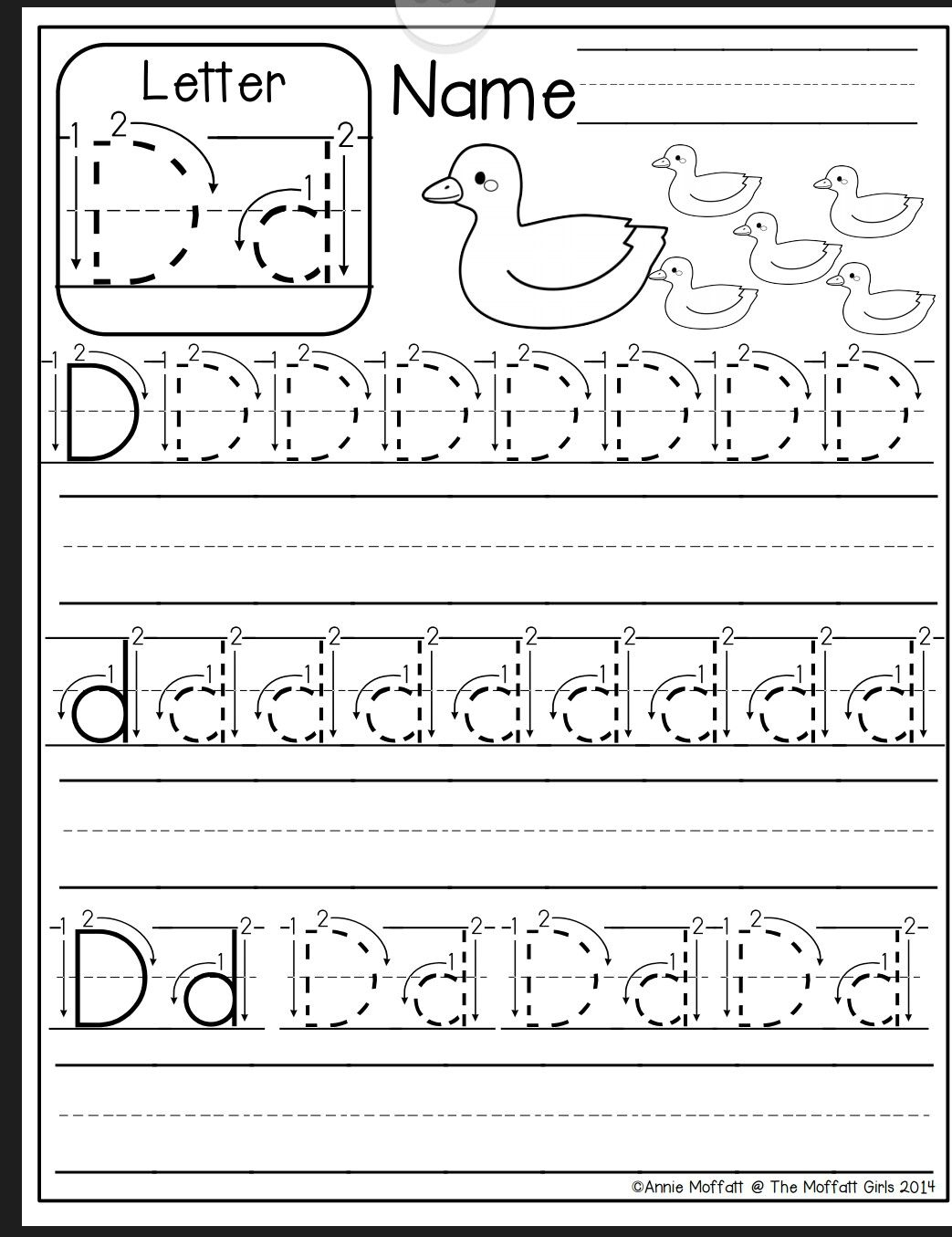
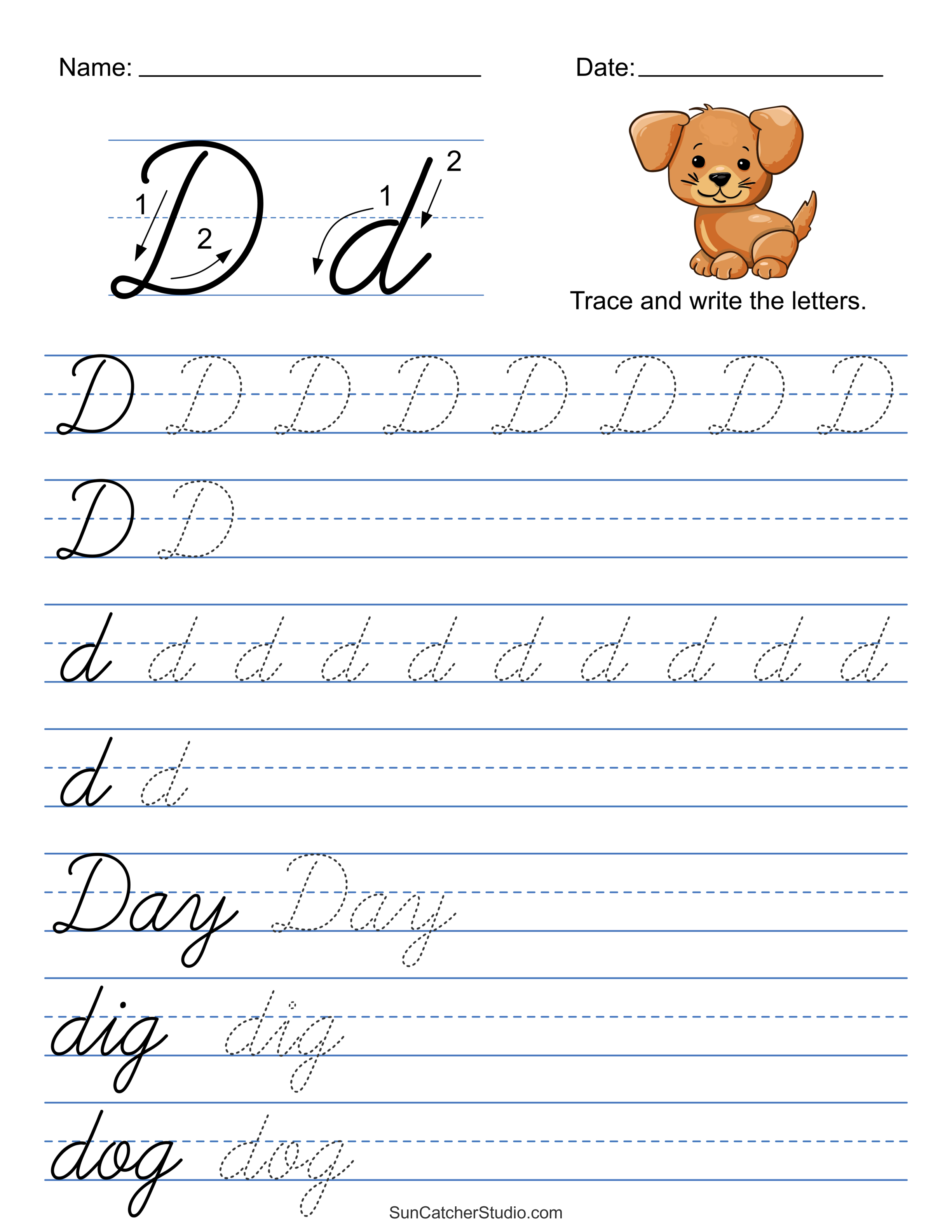
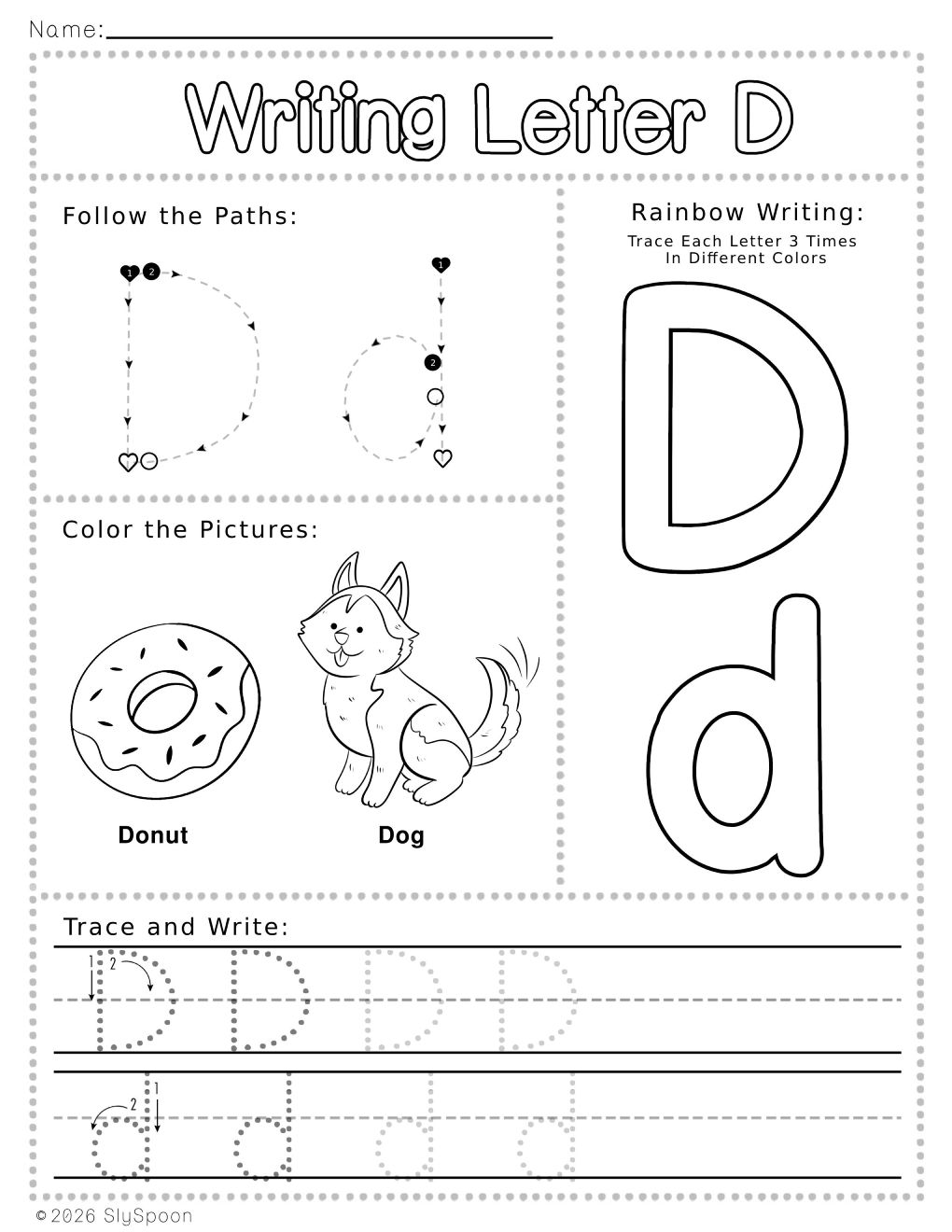
Writing letter d worksheets provide structured instructional frameworks designed to guide young learners through correct stroke sequencing, spatial orientation, and fine-motor control required for early letter formation. According to the National Association for the Education of Young Children (NAEYC), developmentally appropriate literacy instruction requires combining targeted motor skill repetition with explicit modeling to prevent bad habit formation in early writing. Educators and parents utilize these specialized pages alongside broader preschool worksheets to build foundational hand strength and cognitive letter recognition simultaneously. Mastering the lowercase ‘d’ prevents common visual reversals with ‘b’, making precise mechanical practice essential for early childhood literacy success.
Handwriting Practice Snapshot:
- Core Focus: Systematic stroke direction and anticlockwise circular formation for letter d.
- Target Scope: Early childhood education classrooms, intervention groups, and home-schooling environments.
- Key Recommendation: Pair continuous kinetic tracing sheets with tactile sensory sand trays before pencil-on-paper execution.
Core Principles and Detailed Overview
Letter d worksheets establish muscle memory by separating the formation into two distinct strokes: a counterclockwise curved circle followed by a tall vertical pull down. Direct answer mechanisms on high-quality sheets utilize directional arrows, starting dots, and dotted middle lines to teach spatial boundaries on standard writing grids. Integrating these pages with tracing worksheets helps learners transition from guided dashed lines to independent, unassisted handwriting. Proper execution relies heavily on the “magic c” shape, ensuring the hand flows naturally into the vertical stem without lifting the writing utensil prematurely.
Key Specifications and Breakdown
| Skill Level / Grade | Target Stroke / Mechanical Focus | Pedagogical / Coaching Cue |
|---|---|---|
| Early Preschool (Ages 3-4) | Continuous curve and vertical pull coordination | “Draw a magic c, close the circle, push straight up, and pull right back down.” |
| Late Preschool (Ages 4-5) | Line proportion and baseline anchoring | “Keep the round belly resting flat on the bottom line, and make the stick tall like a flagpole.” |
| Kindergarten (Ages 5-6) | Independent letter spacing and fluency | “Check your starting point at two o’clock on the clock face to avoid a backward letter.” |
Explicit instruction in lowercase letter formation significantly reduces visual-motor confusion between symmetrical characters like ‘b’, ‘d’, ‘p’, and ‘q’. — American Occupational Therapy Association (AOTA). Related guide: Writing Letter B Worksheets For Kindergarten.
Step-by-Step Practical Application and Guidelines
Implementing writing letter d worksheets effectively requires a structured progression from gross-motor air writing to fine-motor pencil control. Instructors should begin by having learners trace the oversized letters with their index fingers, verbalizing the stroke path aloud to reinforce cognitive mapping. Following tactile exploration, students transfer to structured paper layouts, utilizing specialized letter writing worksheets to practice repeating the target character across primary writing lines. Observers should monitor pencil grip closely, ensuring a dynamic tripod grasp that prevents hand fatigue during extended writing sessions.
Common Challenges and How to Avoid Them
Frequent letter reversals and drawing the vertical stem before the circular body represent the primary obstacles encountered during letter d instruction. Educators mitigate these issues by enforcing the “circle first” rule, which anchors the round bowl securely against the vertical line and stops children from confusing the shape with the letter ‘b’. If mechanical frustration occurs, supplementing standard practice with alternative formats like coloring worksheets helps maintain engagement while reinforcing shape recognition through low-pressure creative exploration.
💬 Frequently Asked Questions
Explore More Free Handwriting and Character Worksheets
Expanding early childhood literacy toolkits requires access to diverse, high-quality instructional material designed for maximum engagement and skill development. Discover hundreds of complimentary resources, including name practice worksheets and structured writing guides, by visiting the main hub at CharacterWritingWorksheets.com today.
Worksheet Previews & Reference Materials