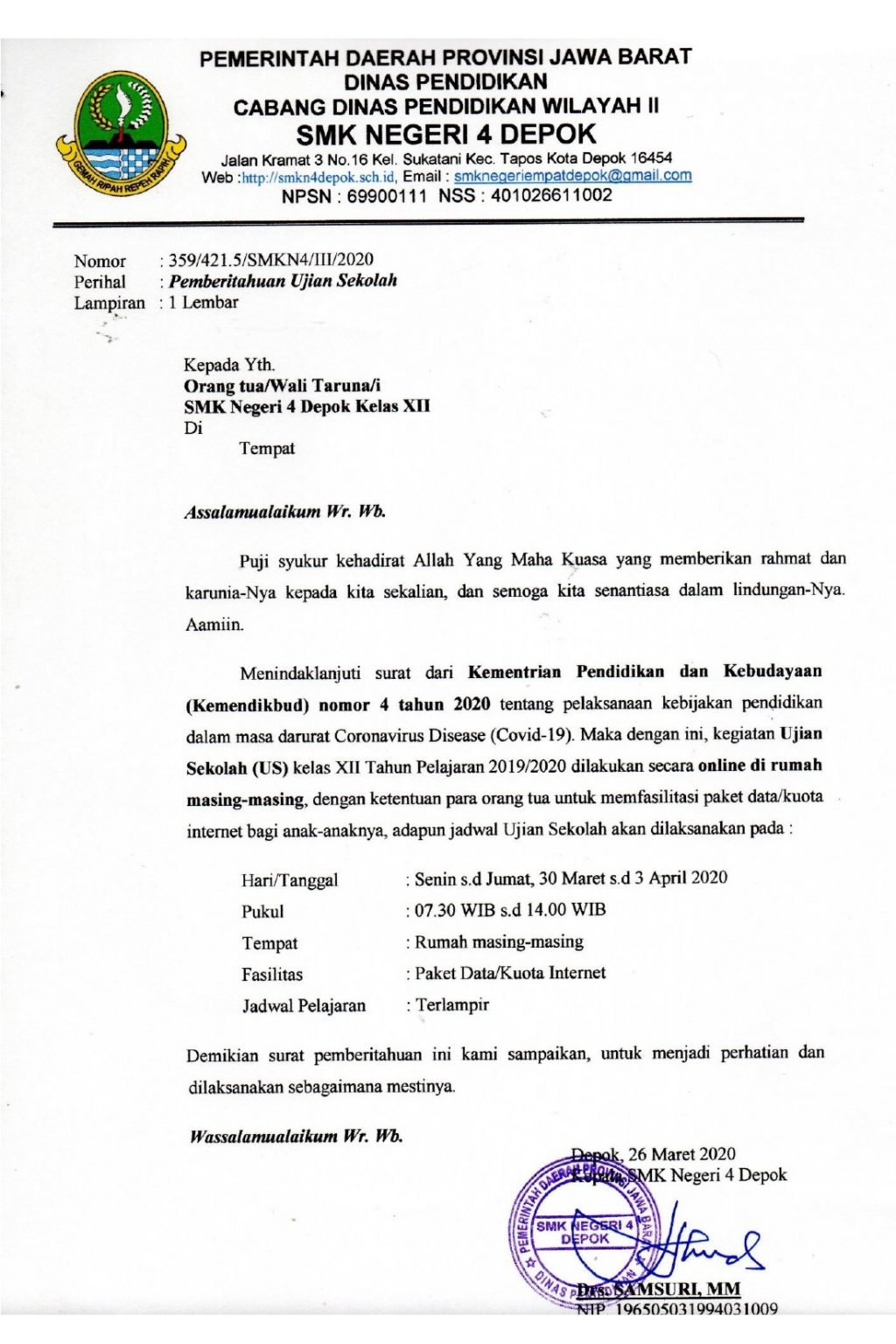
Introduction
Letter writing exercises for class 10 represent structured instructional modules designed to refine advanced orthographic precision, formal epistolary structures, and sustained manual dexterity in adolescent learners. According to the International Literacy Association (ILA), explicit writing instruction during secondary education reinforces cognitive organization, professional communication standards, and lifelong literacy fluency. Educators and curriculum planners utilize these targeted educational frameworks to transition students from casual compositions to standardized formal and informal correspondence formats required in academic testing. Related guide: Writing Letter B Worksheets For Kindergarten.
Handwriting Practice Snapshot:
- Core Focus: Advanced letter writing exercises for class 10 emphasizing mechanical polish, formal tone, and structural accuracy.
- Target Scope: Secondary school classrooms, homeschool curriculums, and remedial handwriting intervention settings.
- Key Recommendation: Implement daily timed writing drills paired with strict adherence to standard margin and alignment templates.
Core Principles and Detailed Overview
Letter writing exercises for class 10 bridge foundational penmanship with sophisticated rhetorical style, requiring learners to balance physical legibility with contextual appropriateness. Secondary-level handwriting demands consistent letter slant, proportional height sizing, and rapid orthographic execution to prevent hand fatigue during high-stakes examinations. Integrating structured letter writing worksheets into regular study routines ensures that mechanical handwriting execution becomes automatic, allowing cognitive resources to focus entirely on argumentative logic, vocabulary selection, and adherence to formal salutations, body paragraphs, and sign-offs.
Key Specifications and Breakdown
| Skill Level / Grade | Target Stroke / Mechanical Focus | Pedagogical / Coaching Cue |
|---|---|---|
| Class 10 Formal | Consistent baseline alignment and uniform letter height consistency. | Anchor wrist stability and maintain a reliable 45-degree paper tilt. |
| Class 10 Informal | Fluid cursive transitions and expressive spacing management. | Vary pressure lightly to balance speed with pristine legibility. |
| Remedial Secondary | Eradicating erratic slant variations and improper loop closures. | Trace structured tracing worksheets to rebuild muscle memory. |
Functional handwriting automaticity reduces cognitive load during composition tasks by allowing motor patterns to execute without conscious visual monitoring — American Occupational Therapy Association (AOTA)
Step-by-Step Practical Application and Guidelines
Implementing effective letter writing exercises for class 10 requires a progressive instructional sequence starting with layout planning, progressing through drafting, and ending with mechanical self-audits. Instructors should first mandate the mapping of structural components—such as sender addresses, dates, recipient designations, and subject lines—using specialized worksheets that outline spatial boundaries. Students must then practice writing continuous prose within strict time windows to build muscular endurance. Concluding the exercise with a peer-review evaluation checklist ensures that both grammatical integrity and visual neatness meet rigorous academic standards.
Common Challenges and How to Avoid Them
Frequent mechanical failures in secondary writing include letter crowding, inconsistent baseline adherence, and improper closure of loops in characters like ‘a’, ‘g’, and ‘e’. These issues stem from incorrect pencil grips, excessive downward pressure, or rushing through complex strokes. Remediation involves returning to foundational name practice worksheets and targeted preschool worksheets repurposed for complex stroke isolation, alongside incorporating tactile warm-ups and ergonomic assessments before every formal writing session.
💬 Frequently Asked Questions
Explore More Free Handwriting and Character Worksheets
Enhance secondary literacy instruction by exploring the comprehensive resource library available at CharacterWritingWorksheets.com. Educators and parents can access specialized practice materials, including supplementary coloring worksheets, designed to support fine-motor development across all educational stages.
Visual Reference Gallery