Introduction
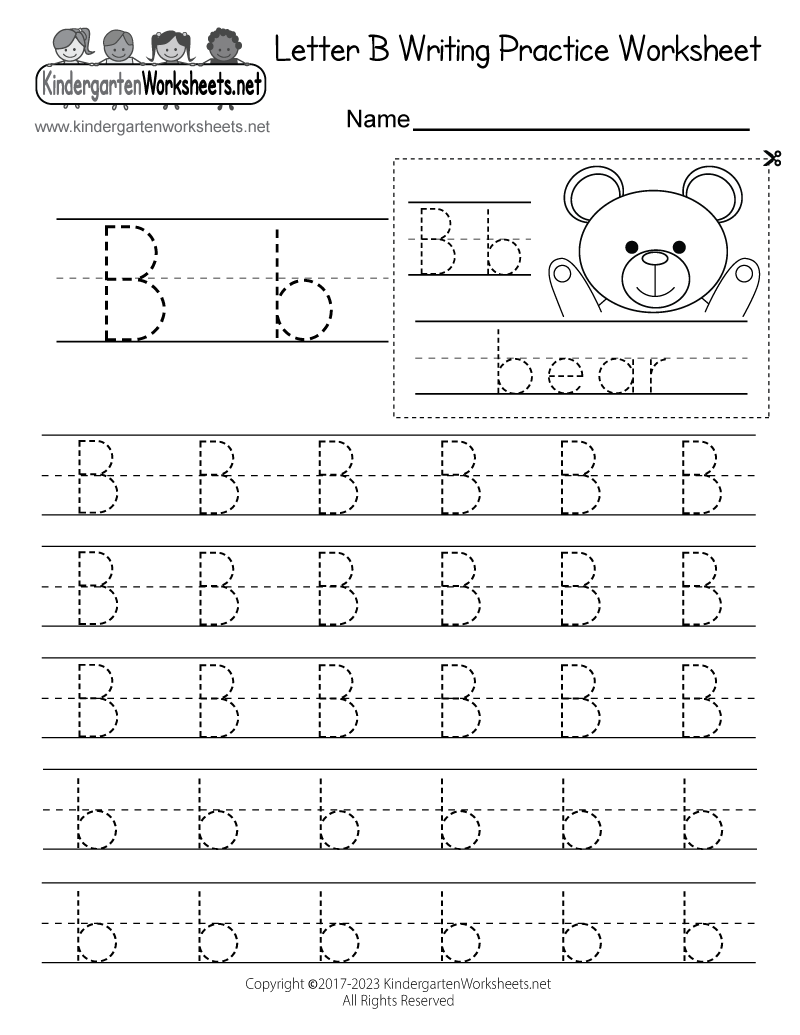
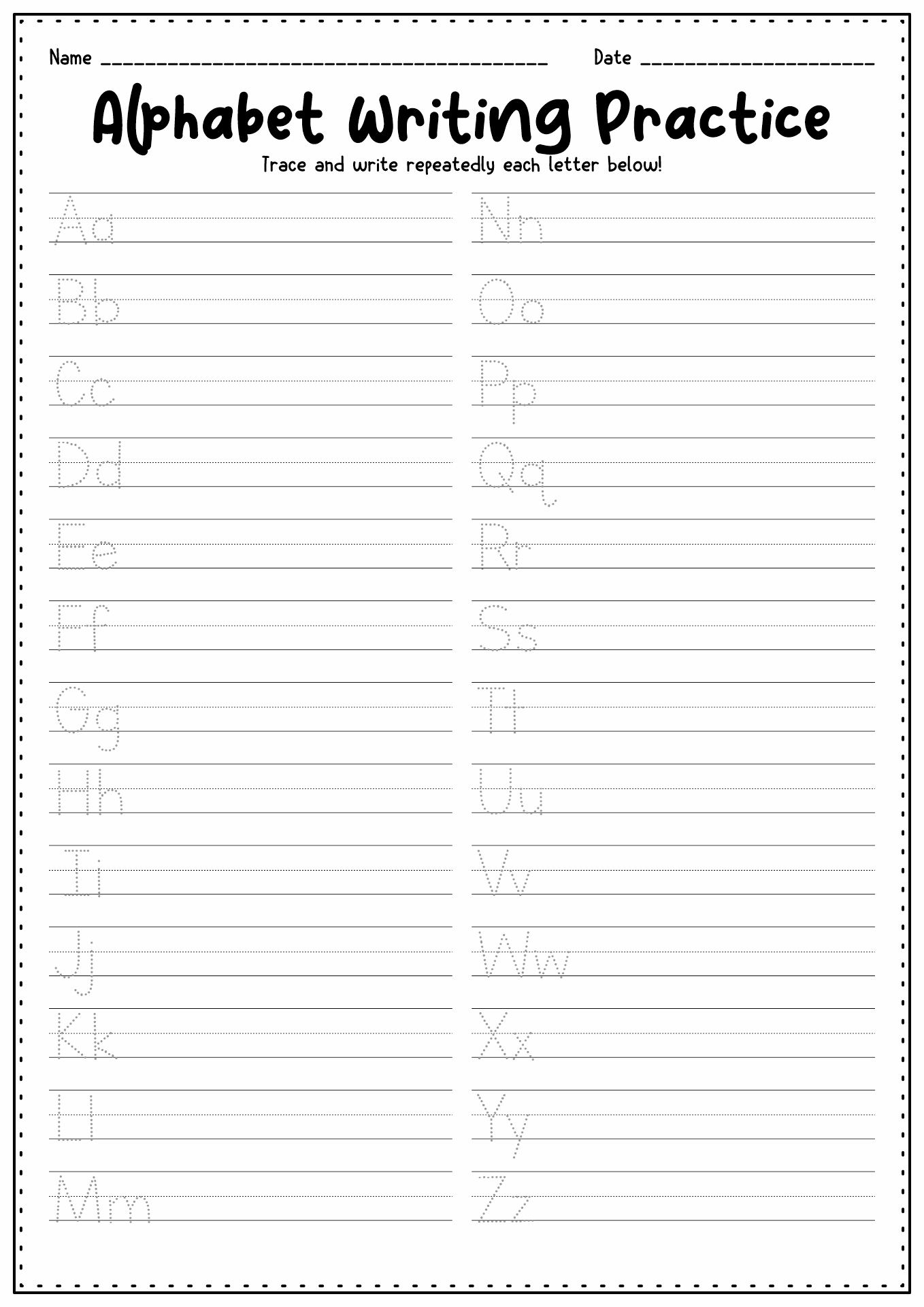
Writing letter b worksheets serve as foundational instructional tools designed to develop fine-motor control, correct stroke sequencing, and spatial orientation for early learners mastering lowercase and uppercase letter formation. According to the National Association for the Education of Young Children (NAEYC), intentional and developmentally appropriate writing instruction during early childhood directly supports long-term literacy acquisition, cognitive development, and physical coordination. Educators and caregivers utilize structured preschool worksheets alongside specialized letter writing worksheets to transform abstract phonemes into tangible physical mechanics. These targeted printables establish the muscle memory required to prevent persistent letter reversals between the similar graphemes ‘b’ and ‘d’.
Handwriting Practice Snapshot:
- Core Focus: Systematic mastery of vertical stem strokes and clockwise loop formation for letter b.
- Target Scope: Early childhood education settings, homeschooling environments, and occupational therapy clinics.
- Key Recommendation: Always pair kinetic finger-tracing exercises with structured pencil-and-paper practice sheets.
Core Principles and Detailed Overview
Writing letter b worksheets rely on sequential top-to-bottom vertical strokes followed by a continuous, closed right-facing loop to reinforce correct neuromuscular habits from the very first stroke. The correct stroke sequence for lowercase ‘b’ requires starting at the skyline, pulling straight down to the grass line, tracing back up to the middle dotted line, and curving around to close the loop at the bottom. This exact motor path distinguishes proper handwriting mechanics from sloppy habits that lead to illegible text. Incorporating high-quality tracing worksheets gives learners the guided scaffolding necessary to internalize these directional cues before transitioning to independent freehand writing.
Key Specifications and Breakdown
| Skill Level / Grade | Target Stroke / Mechanical Focus | Pedagogical / Coaching Cue |
|---|---|---|
| Early Preschool (Ages 3-4) | Gross motor finger tracing and large tactile directional paths | “Start at the top sky, pull straight down, hop up, and bump around.” |
| Late Preschool (Ages 4-5) | Guided dot-to-dot tracing on standard three-lined handwriting paper | “Keep your pencil on the paper; do not lift until the loop is closed.” |
| Kindergarten (Ages 5-6) | Independent freehand letter formation with proper baseline alignment | “Check your stick first, then make sure your belly faces forward.” |
Explicit instruction in letter formation and multi-sensory stroke execution significantly improves legibility, writing speed, and spatial awareness in young children. — American Occupational Therapy Association (AOTA)
Step-by-Step Practical Application and Guidelines
Writing letter b worksheets yield optimal learning outcomes when educators implement a structured, multi-sensory progression moving from gross motor sky-writing down to fine-motor pencil application. Begin each practice session by having learners trace the target letter with an index finger over textured printouts or sensory trays filled with sand or salt. Next, direct attention to printed worksheets, ensuring students maintain an ergonomic tripod pencil grasp and stable paper positioning with the non-dominant hand. Monitor stroke direction closely to verify that the vertical stem is drawn prior to executing the rounded loop, as reversing this order increases the frequency of mirror-writing errors.
Common Challenges and How to Avoid Them
Reversing the letter ‘b’ with the letter ‘d’ represents the most frequent obstacle encountered by early learners due to visual-spatial processing maturation rates. Combat this confusion by integrating verbal mnemonic anchors—such as the “bed” trick where the two lowercase letters physically form the shape of a bed frame—directly alongside daily practice sheets. Furthermore, avoid overwhelming developing hands with excessive repetition; limit individual writing sessions to short, highly focused intervals of five to ten minutes to prevent hand fatigue, frustration, and poor muscle memory retention.
💬 Frequently Asked Questions
Explore More Free Handwriting and Character Worksheets
Mastering foundational writing mechanics extends far beyond a single grapheme, requiring comprehensive exposure to diverse alphabet sets, spelling lists, and creative exercises. Educators, parents, and therapists can discover an extensive library of free educational resources, including specialized name practice worksheets and engaging coloring worksheets designed to build robust fine-motor skills. Visit CharacterWritingWorksheets.com today to download premium, printer-ready materials tailored for every stage of early childhood literacy development.
Worksheet Previews & Reference Materials