Introduction
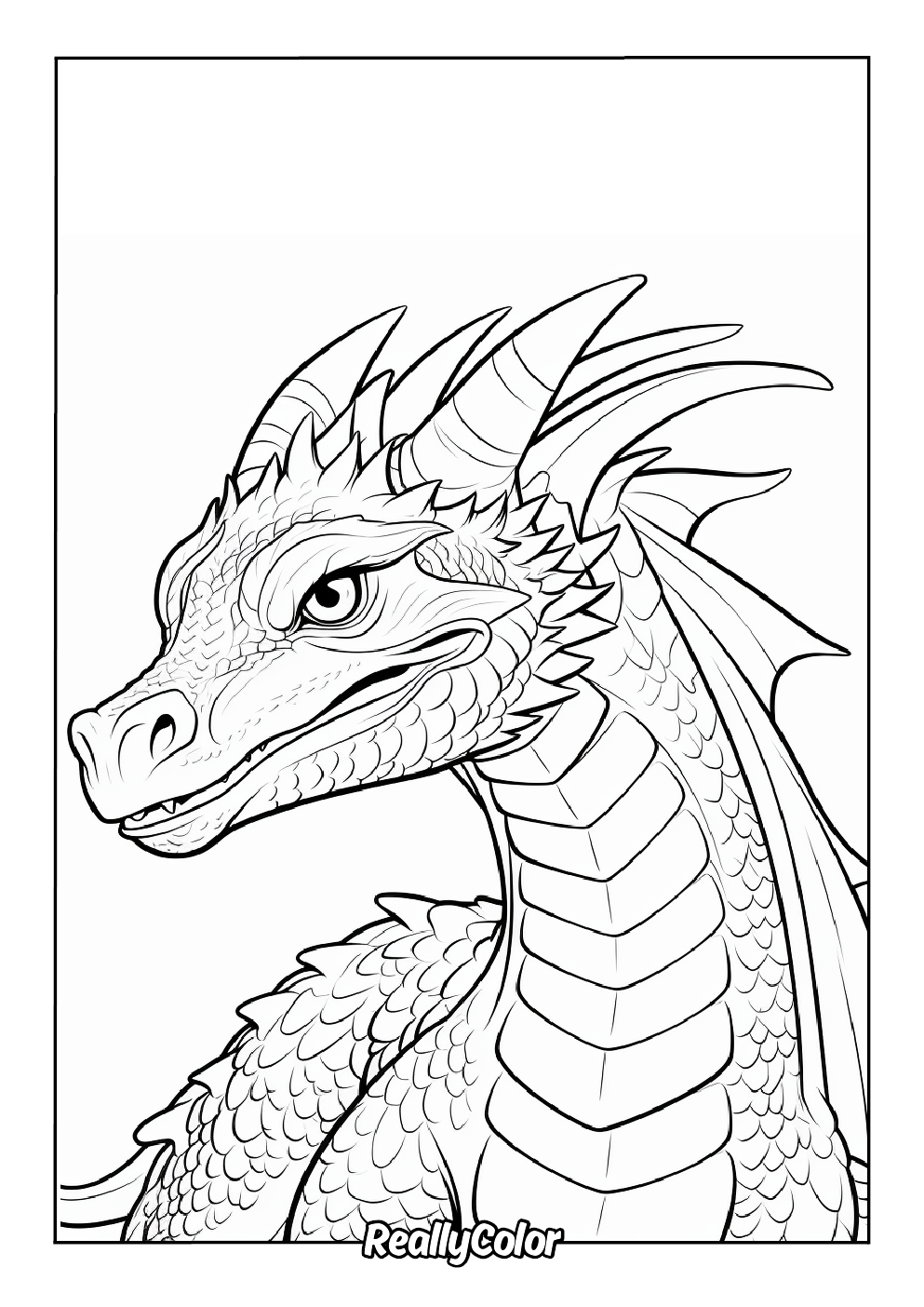
A coloring page dragon functions as a powerful, thematic fine-motor intervention that builds the exact hand-muscle control and visual-motor integration required for proficient letter and character formation. According to the American Occupational Therapy Association (AOTA), purposeful pre-writing activities involving targeted colored pencil or crayon manipulation significantly enhance distal finger control and dynamic tripod grasp development in early childhood learners. Utilizing themed creative tasks bridges the gap between unstructured play and rigid stroke practice, keeping young children engaged while developing essential writing readiness. Educators often integrate these dynamic exercises alongside preschool worksheets to build foundational hand strength without causing cognitive fatigue. The intricate scales, wings, and fiery breath lines of fantasy illustrations demand precise stops, starts, and directional changes that mirror the precise mechanics of foundational letter strokes.
Handwriting Practice Snapshot:
- Core Focus: A coloring page dragon provides structured fine-motor practice through controlled, bounded coloring tasks that build pen control.
- Target Scope: Early childhood educators, occupational therapists, and homeschooling parents targeting pre-writing stroke mechanics.
- Key Recommendation: Enforce small, localized wrist and finger movements rather than sweeping arm motions to maximize intrinsic hand muscle development.
Core Principles and Detailed Overview
Fine-motor dexterity requires the coordinated activation of intrinsic hand muscles, which can be systematically developed using structured graphical outlines found in fantasy-themed art sheets. Direct answer: A coloring page dragon strengthens hand-eye coordination and spatial awareness by requiring learners to modulate pressure and maintain pencil strokes within restricted boundaries. When children navigate jagged wing geometry and curved tail sweeps, they practice the exact angular and circular transitions needed for proper manuscript handwriting. Furthermore, pairing these creative tasks with structured tracing worksheets reinforces continuous line-tracking habits. Occupational research consistently demonstrates that children who master controlled coloring exhibit superior pencil grip stability and letter size regulation during formal writing instruction.
Key Specifications and Breakdown
| Skill Level / Grade | Target Stroke / Mechanical Focus | Pedagogical / Coaching Cue |
|---|---|---|
| Pre-K / Ages 3-4 | Broad regional shading and staying inside primary body outlines | “Keep the pencil moving in tiny circles to fill the dragon belly completely.” |
| Kindergarten / Age 5 | Detailed scale patterning and angular spike navigation | “Trace the sharp triangle spikes slowly before coloring inside the lines.” |
| 1st Grade / Age 6+ | Pressure modulation for shading, depth, and clean edge control | “Press lightly for soft sky shadows, press firmly for dark dragon scales.” |
Structured fine-motor activities directly correlate with improved letter formation fluency, pencil pressure regulation, and reduced writing fatigue in primary education classrooms. — American Occupational Therapy Association (AOTA)
Step-by-Step Practical Application and Guidelines
Effective integration of thematic coloring tasks into a daily writing curriculum requires a deliberate sequence of mechanical steps. First, select a balanced illustration featuring both large open regions and intricate focal points, such as a friendly mythical beast with defined wings and horns. Second, mandate an efficient dynamic tripod grasp before allowing the marking tool to touch the paper, ensuring fingers stay positioned approximately one inch away from the tip. Third, instruct the child to outline the outer perimeter of the dragon first, as boundary tracing establishes spatial boundaries that directly prevent messy over-coloring. Finally, transition the student from the completed art task directly into targeted letter writing worksheets while the intrinsic hand muscles remain warmed up and properly activated.
Common Challenges and How to Avoid Them
Hand fatigue, awkward fist grips, and careless scribbling represent the most frequent obstacles encountered during fine-motor skill acquisition sessions. Direct answer: Overcoming grip fatigue requires shortening practice durations and substituting broken crayons or stubby colored pencils to naturally force a mature three-point finger grasp. When children rush through complex illustrations and disregard borders, educators should pause the session and physically guide the hand through a few slow, deliberate perimeter strokes. Additionally, checking for correct seated posture—feet flat on the floor and paper tilted at an angle matching the forearm—prevents upper body tension that interferes with smooth writing mechanics. Utilizing diverse coloring worksheets alongside systematic spelling tasks ensures learners maintain high engagement without developing bad mechanical habits.
💬 Frequently Asked Questions
Explore More Free Handwriting and Character Worksheets
Transform early childhood writing development by exploring the complete library of educator-approved resources available at CharacterWritingWorksheets.com. Whether searching for personalized name practice worksheets or comprehensive daily worksheets, educators and parents will find tailored materials designed to build lifelong writing confidence and mechanical precision.
Printable Coloring Page Previews