Introduction
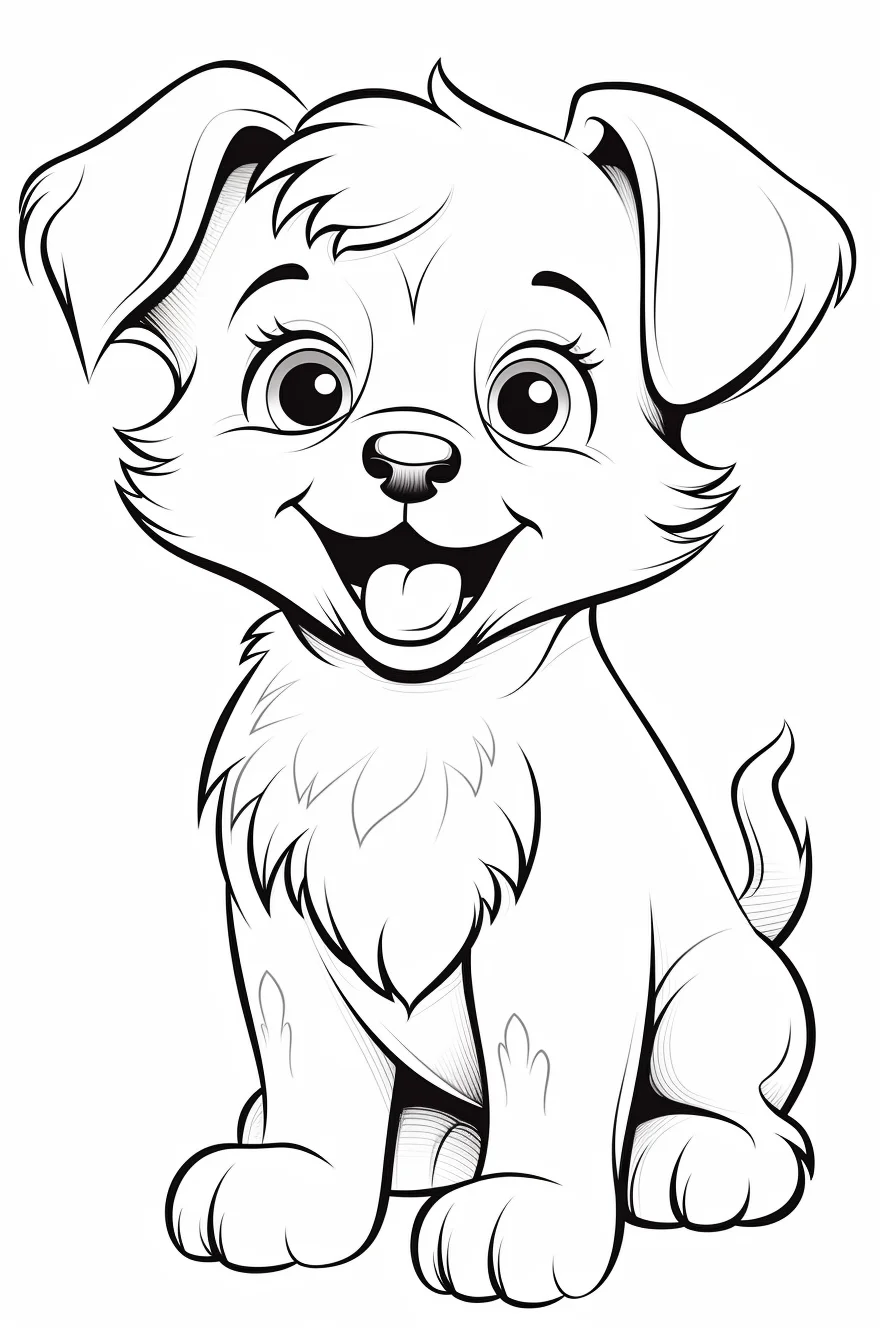
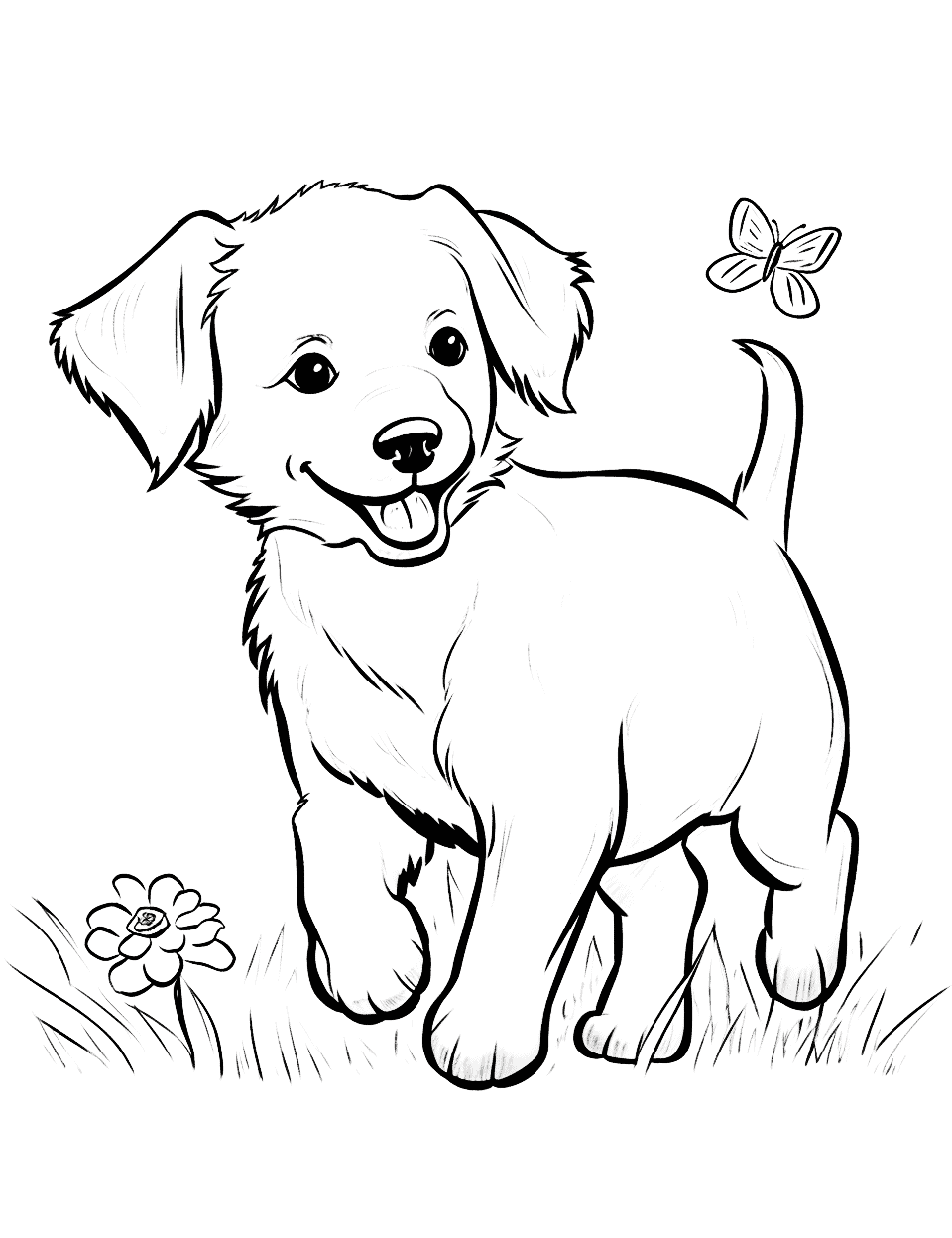
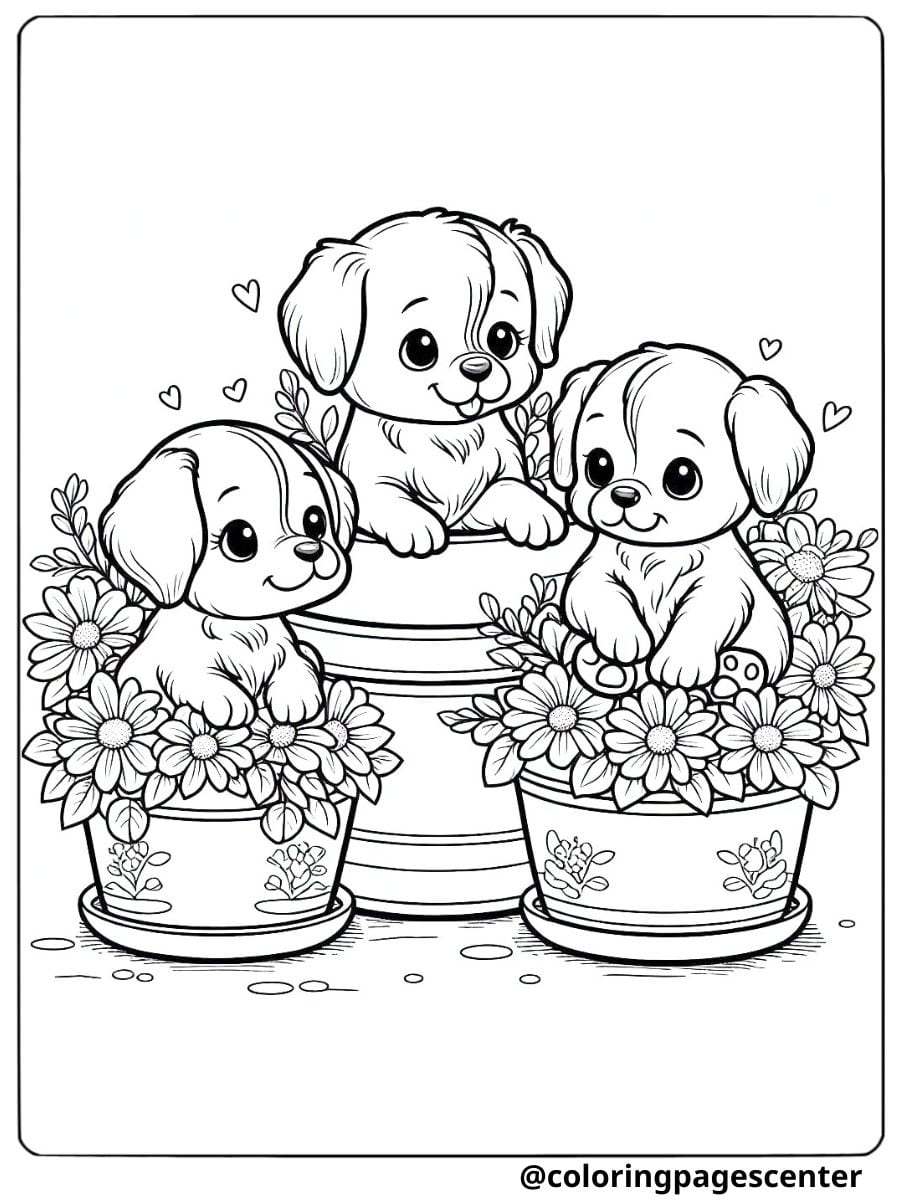
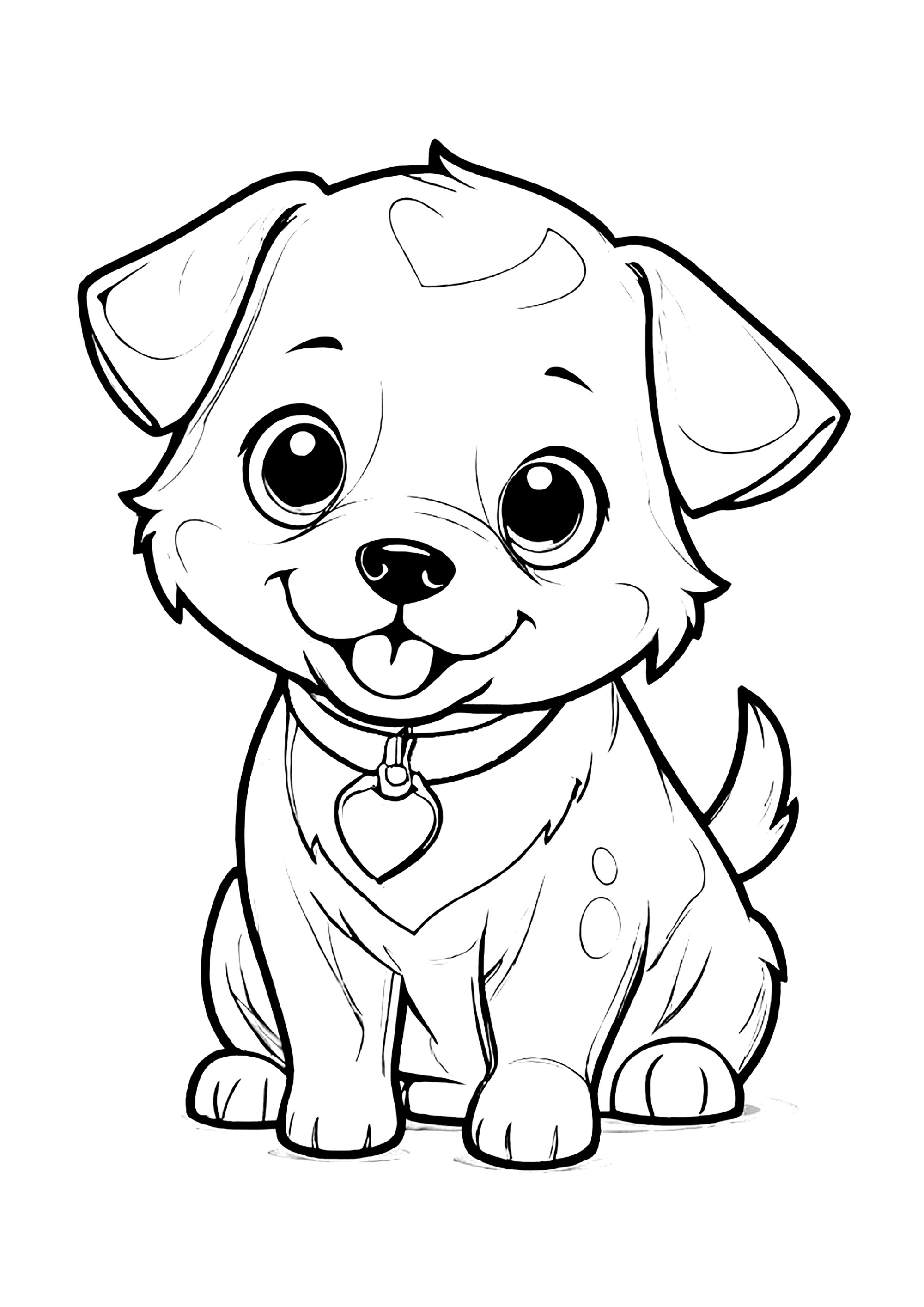
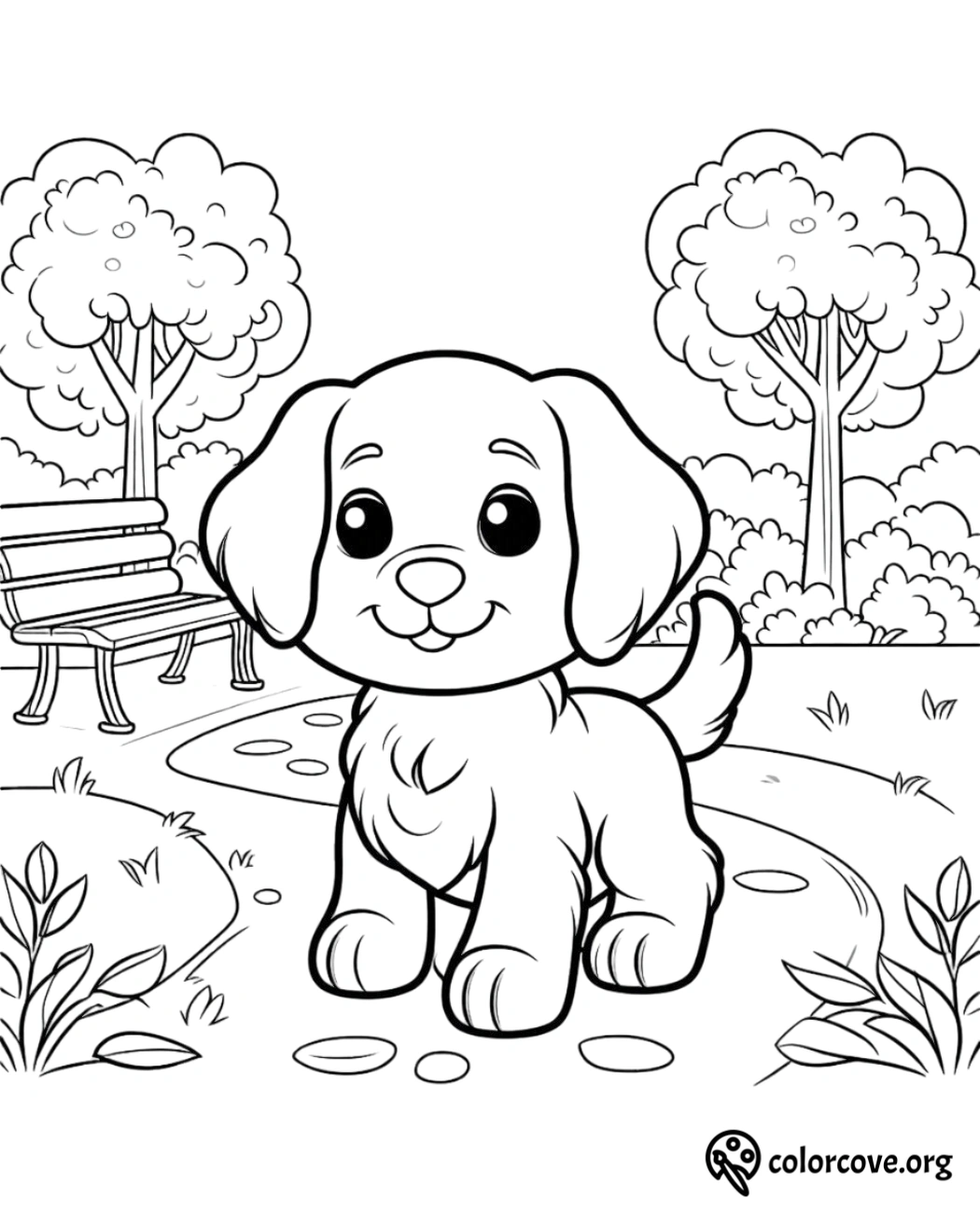
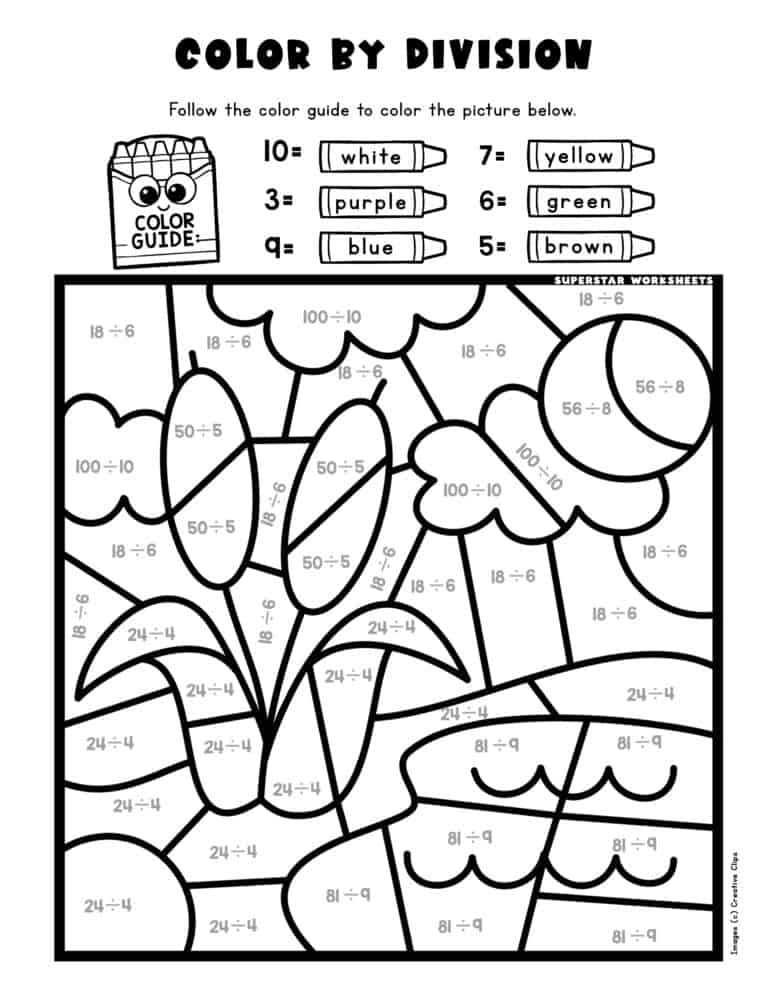
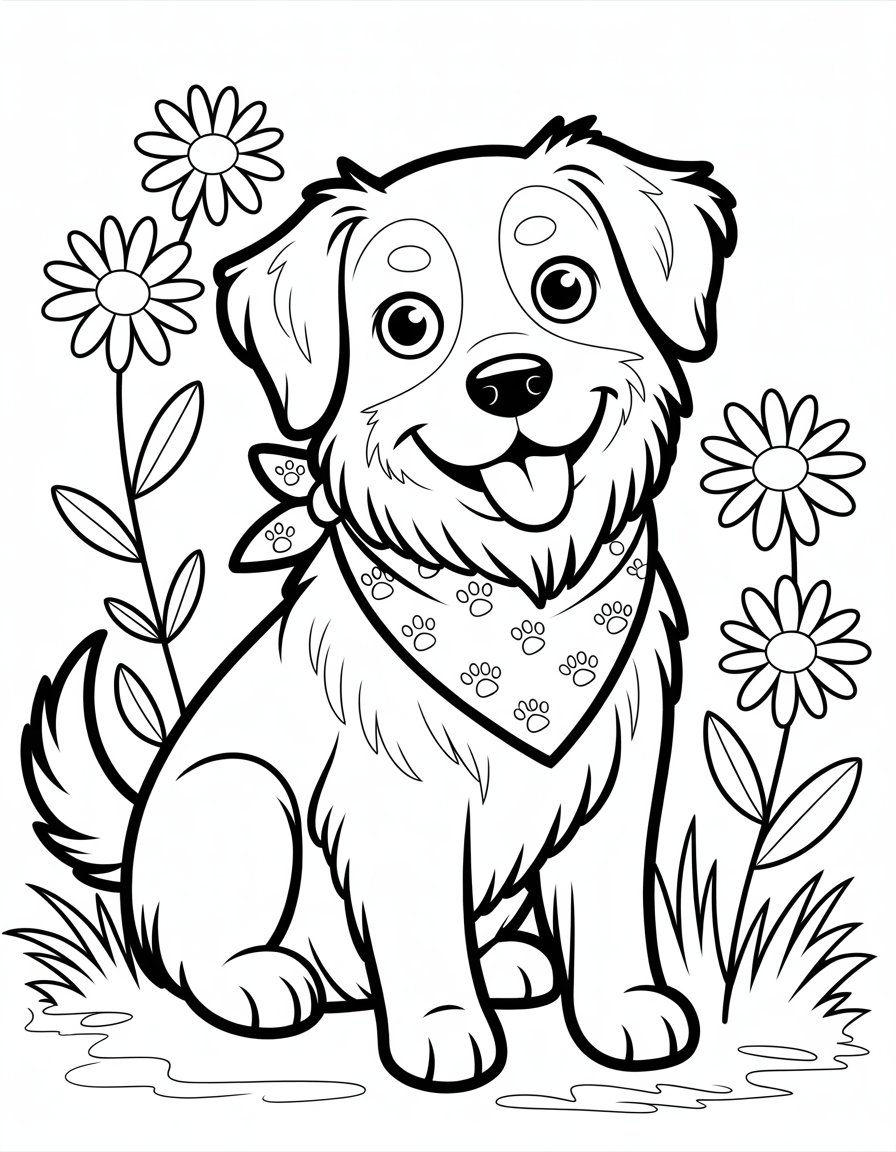
A coloring page dog serves as a foundational early literacy and fine-motor development tool that bridges the gap between artistic play and precise pencil control. According to the American Occupational Therapy Association (AOTA), purposeful pre-writing activities involving controlled crayon or pencil manipulation build the intrinsic hand muscle strength necessary for legible handwriting. Utilizing canine-themed graphic assets engages children cognitively while conditioning the exact finger movements required for standard letter formation. Integrating these illustrations alongside targeted preschool worksheets transforms standard coloring into a structured mechanical exercise. Educators and parents leverage these thematic templates to cultivate grip endurance, visual-spatial tracking, and boundary containment before formal cursive or print instruction begins.
Handwriting Practice Snapshot:
- Core Focus: Developing fine-motor dexterity and controlled stroke mechanics via thematic animal illustration guides.
- Target Scope: Early childhood education settings, occupational therapy sessions, and home literacy environments.
- Key Recommendation: Enforce a proper tripod pencil grasp while learners color within defined boundaries to maximize neurological feedback.
Core Principles and Detailed Overview
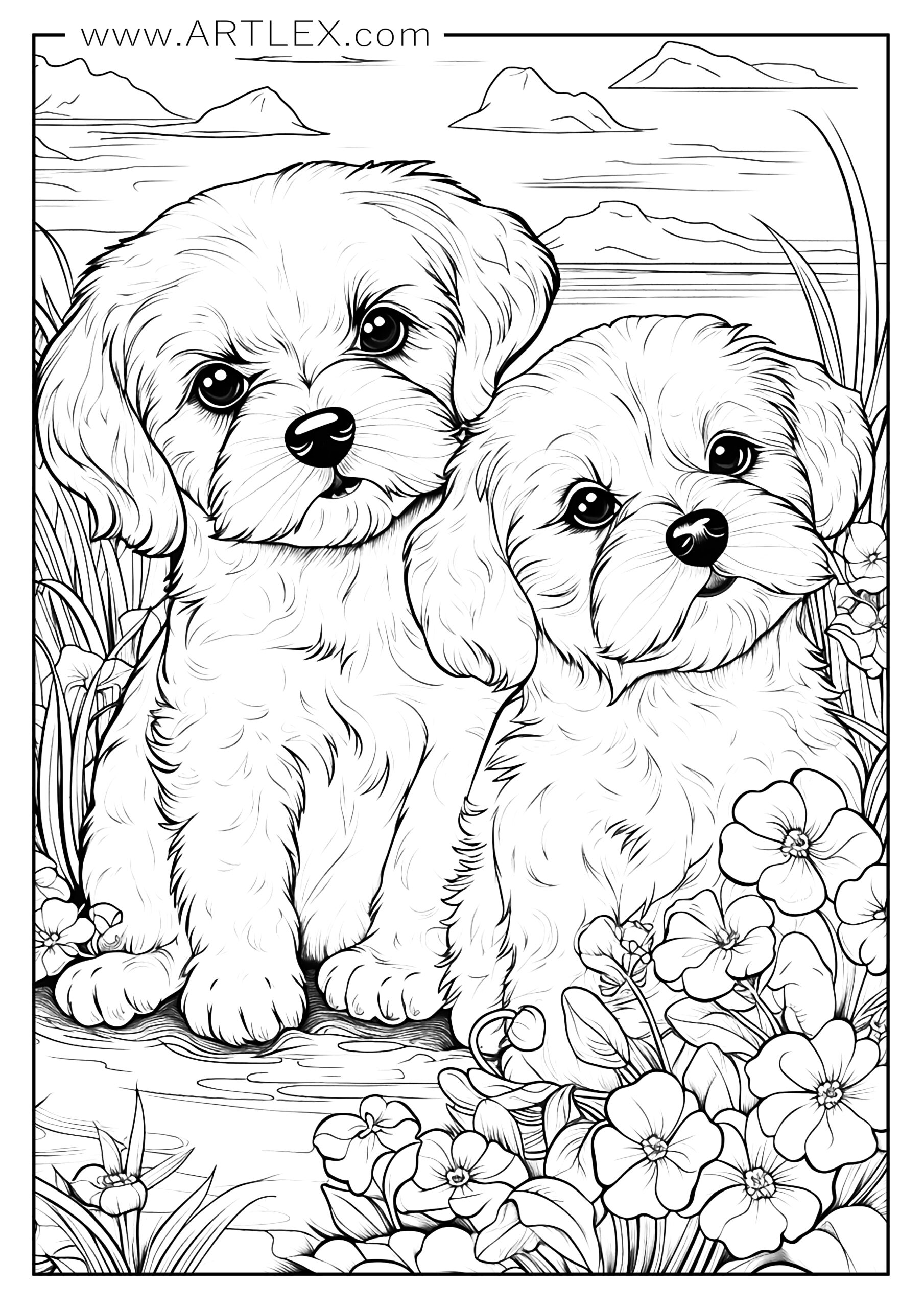
Mastering stroke sequence through a coloring page dog requires deliberate hand-eye coordination and spatial boundary awareness. Direct answer: The primary mechanical objective of utilizing canine outlines in writing practice is to train the hand to execute smooth, controlled directional changes without fatiguing the small muscles of the digits. When young learners trace and shade animal shapes, the brain processes directional vectors that directly mirror the curved strokes found in the alphabet. This visual-motor integration supports foundational tracing worksheets by encouraging fluid wrist stabilization. Furthermore, shading dense canine fur patterns reinforces pressure modulation, teaching children how to vary force when transitioning from bold outlines to delicate interior details.
Key Specifications and Breakdown
| Skill Level / Grade | Target Stroke / Mechanical Focus | Pedagogical / Coaching Cue |
|---|---|---|
| Pre-Kindergarten (Ages 3-4) | Gross perimeter containment and directional swiping | “Keep the crayon inside the puppy’s fluffy ears.” |
| Kindergarten (Ages 5-6) | Micro-shading, pressure modulation, and wrist pivoting | “Use gentle circles to color the dog’s soft coat.” |
| Early 1st Grade (Ages 6-7) | Cross-midline continuity and contour tracking | “Trace the outer boundary line smoothly before filling.” |
Intrinsic Hand Muscle Development Through Guided Graphic Tracking — American Occupational Therapy Association (AOTA)
Step-by-Step Practical Application and Guidelines
Executing a structured fine-motor lesson using a coloring page dog demands a systematic progression from gross motor preparation to fine execution. Direct answer: Practitioners must begin by establishing a secure tripod grasp, followed by directing the learner to trace the outer perimeter lines before shading the interior spaces. Educators should introduce comprehensive worksheets that pair the canine graphic with alphabetic letter formation prompts, linking the animal’s name to the initial letter ‘D’. Maintaining a vertical or slightly slanted writing surface encourages proper wrist extension, minimizing hand cramping during extended coloring sessions and promoting healthy skeletal alignment.
Common Challenges and How to Avoid Them
Overcoming common ergonomic and visual-motor hurdles ensures that children maintain enthusiasm and structural accuracy during writing interventions. Direct answer: The most frequent obstacle is hand fatigue caused by excessive finger squeezing, which can be mitigated by introducing thicker triangular crayons that enforce relaxed finger placement. When learners rush and scribble outside boundaries, instructors should slow the pace down by introducing directional arrows directly onto the graphic elements. Transitioning successful learners to specialized letter writing worksheets bridges the mechanical confidence gained from animal illustrations directly into structured orthographic practice.
💬 Frequently Asked Questions
Explore More Free Handwriting and Character Worksheets
Optimizing early childhood literacy and fine-motor control requires access to diverse, professionally designed instructional assets tailored to every developmental stage. Educators and parents can explore the comprehensive library available at CharacterWritingWorksheets.com to discover structured resources, including specialized name practice worksheets and advanced motor control exercises designed to elevate student achievement.
Printable Coloring Page Previews