Introduction
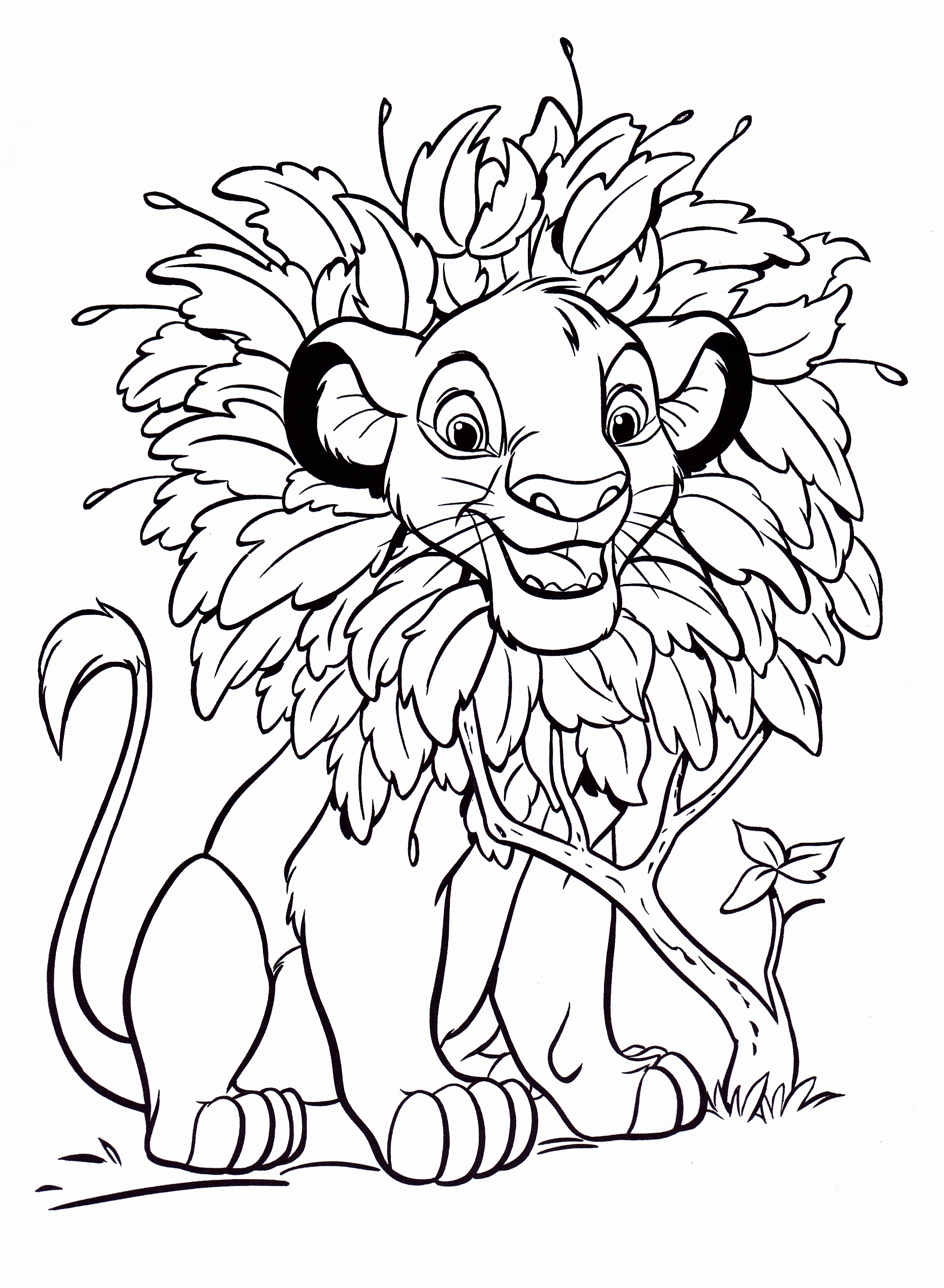
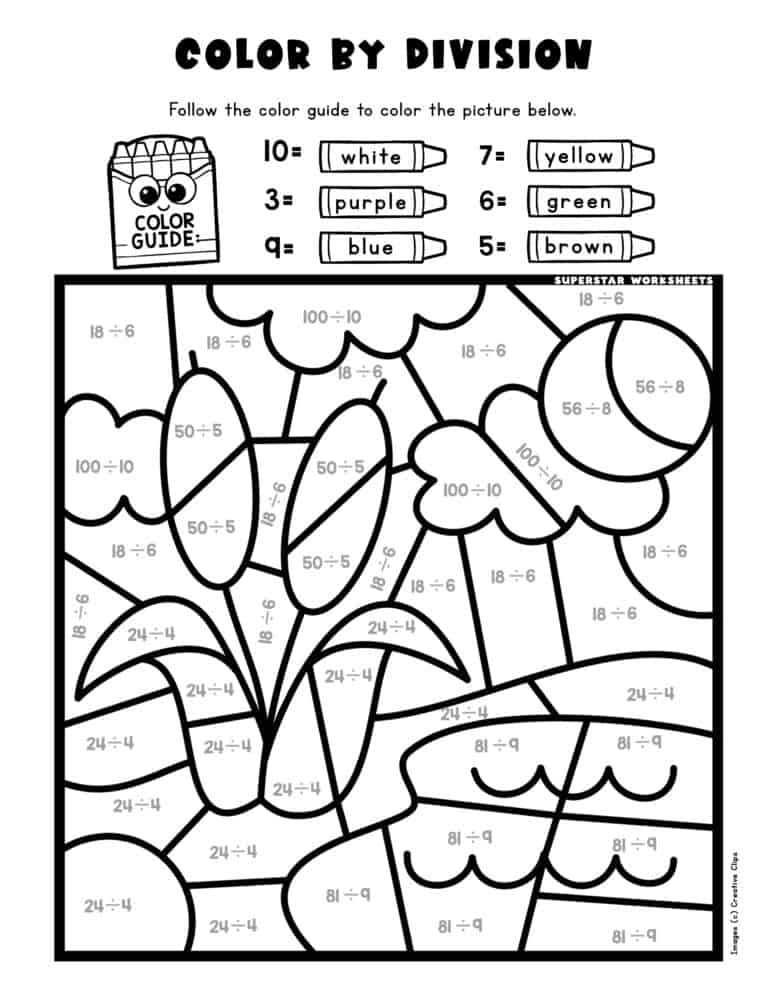
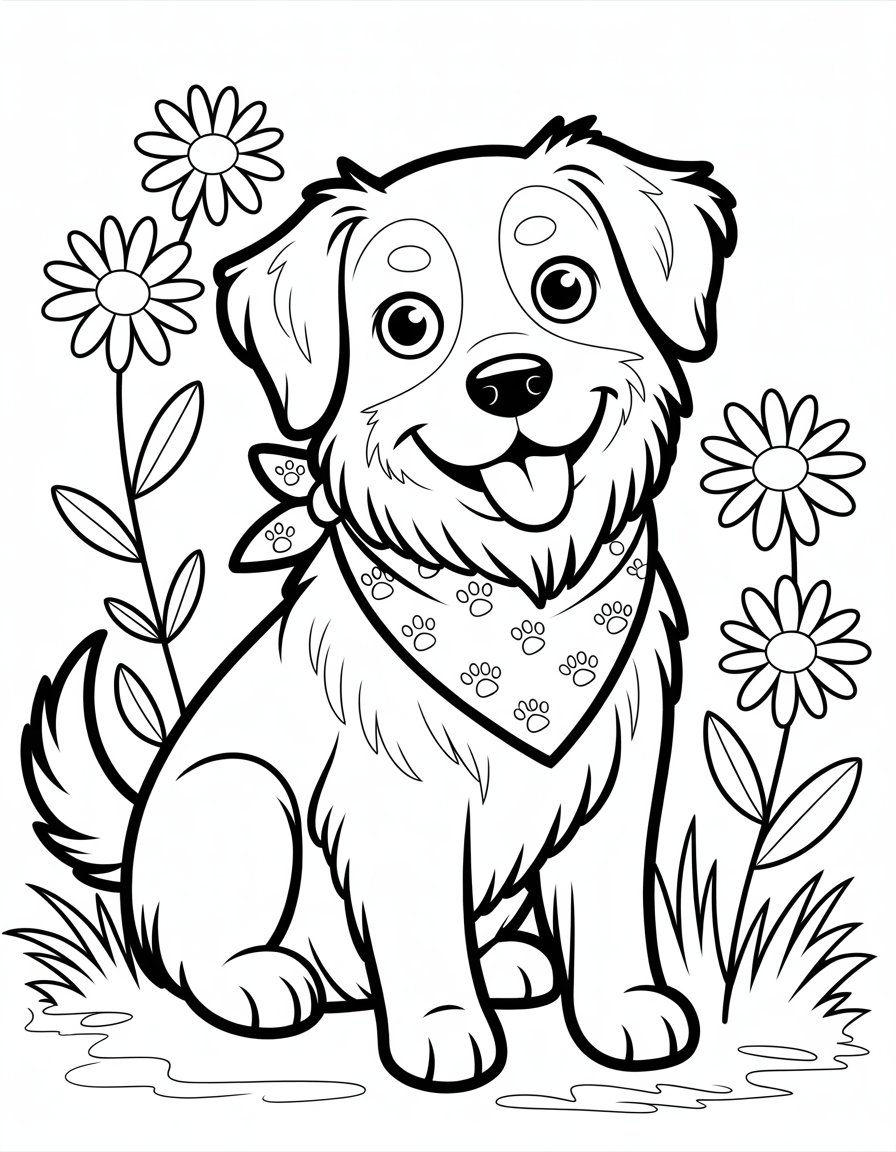
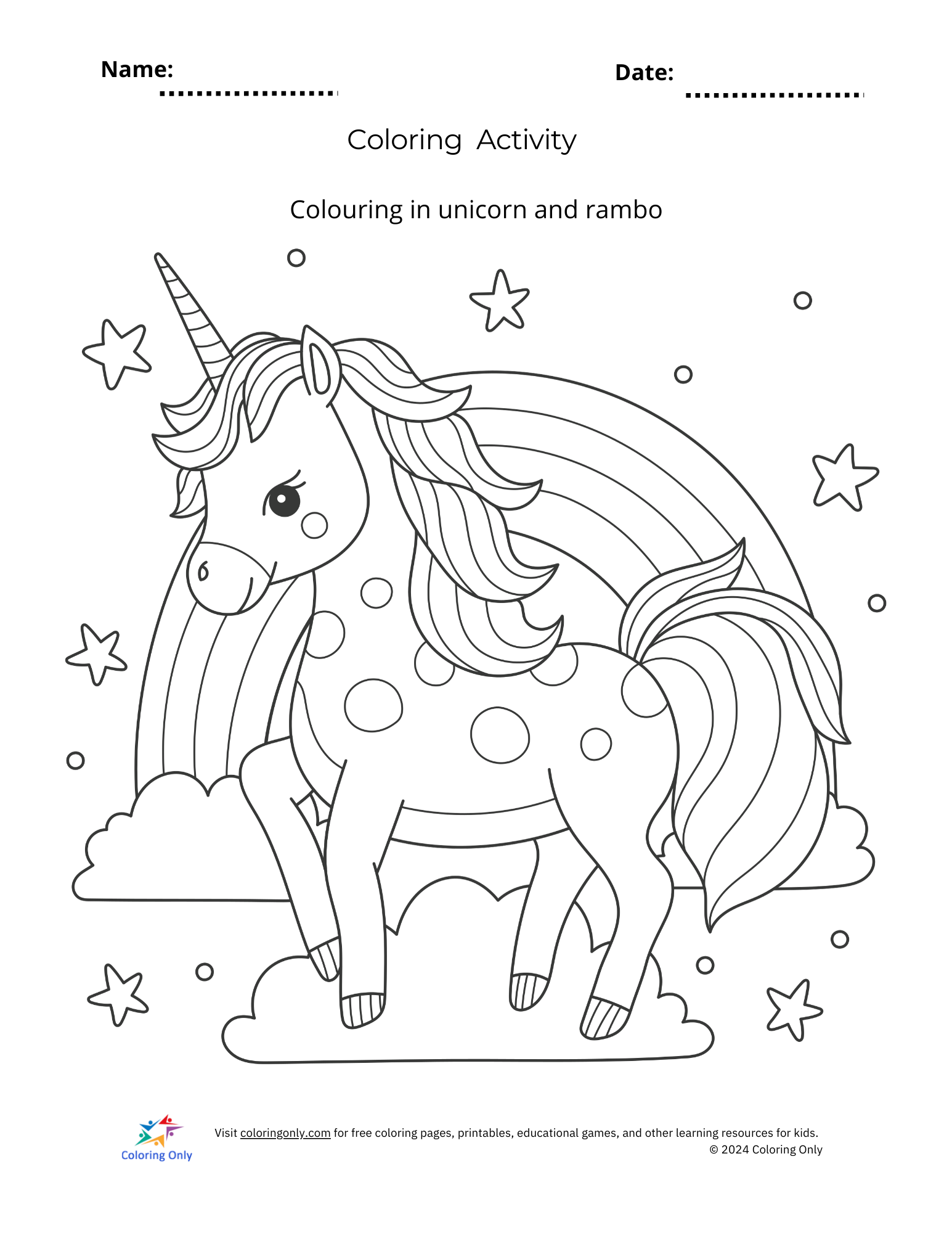
Coloring pages disney serve as foundational precursors to formal handwriting instruction by strengthening the intrinsic hand muscles required for pencil control, arc rotation, and sustained grip endurance. According to the American Occupational Therapy Association (AOTA), purposeful manipulative activities directly reinforce bilateral coordination and fine-motor precision essential for early literacy success. Utilizing beloved thematic outlines engages reluctant learners, shifting the mechanical burden of fine-motor exercise into an enjoyable visual-spatial task. Educators and parents integrate these visual assets alongside targeted preschool worksheets to bridge creative play with structured writing preparation. Transitioning from broad crayon strokes to precise colored pencil shading establishes the motor memory needed for consistent letter formation.
Handwriting Practice Snapshot:
- Core Focus: Utilizing character-themed graphic outlines to build intrinsic hand strength and fine-motor control.
- Target Scope: Early childhood educators, occupational therapists, and homeschooling parents instructing primary learners.
- Key Recommendation: Restrict coloring bounds progressively to smaller boundary regions to refine pencil grip stability.
Core Principles and Detailed Overview
Pencil control mechanics depend heavily on the development of dynamic tripod grasps, which are systematically cultivated through continuous directional coloring inside structured boundaries. Character-based outlines provide natural visual anchors that prompt learners to modulate hand pressure, execute controlled wrist extensions, and practice intentional stroke reversals. When young children color intricate character costumes or facial features, the central nervous system maps spatial awareness directly to finger dexterity. This physiological conditioning prepares the hand for complex typographic tasks found within standard tracing worksheets. Maintaining consistent downward pressure without fatiguing the web space of the hand remains a primary objective during these early developmental exercises.
Key Specifications and Breakdown
| Skill Level / Grade | Target Stroke / Mechanical Focus | Pedagogical / Coaching Cue |
|---|---|---|
| Early Preschool (Ages 3-4) | Broad circular motions and whole-arm stabilization | “Keep the wrist relaxed and move the entire arm smoothly.” |
| Late Preschool (Ages 4-5) | Short directional strokes and edge control | “Stay inside the magic lines by slowing down the hand.” |
| Kindergarten (Ages 5-6) | Hatching, cross-hatching, and pressure modulation | “Press lightly for soft shadows and firmly for bold outlines.” |
Purposeful manipulative play and controlled graphic rendering build the neural pathways required for legible, fatigue-free handwriting execution. — American Occupational Therapy Association (AOTA)
Step-by-Step Practical Application and Guidelines
Implementing thematic graphic exercises requires a structured approach to ensure optimal mechanical benefit rather than mere casual recreation. Educators should begin by selecting illustrations featuring bold, thick outer lines that clearly define distinct spatial segments for the developing hand. Learners must be instructed to establish a proper three-point finger grip before applying any color pigment to the designated surface area. Directing children to color from top-to-bottom and left-to-right reinforces the exact directional scanning habits required for reading and executing advanced letter writing worksheets. Transitioning periodically from thick markers to slender colored pencils ensures the hand muscles adapt to varying levels of resistance and spatial constraint.
Common Challenges and How to Avoid Them
Hand fatigue, aberrant fist grips, and habitual line trespassing represent the most frequent obstacles encountered during fine-motor graphic activities. When a child grips a coloring tool with a full-fist grasp, the intricate intrinsic muscles of the hand remain dormant, impeding future typographic fluency. Correcting this requires immediate intervention using shorter, ergonomic writing implements that naturally force an open web space and a functional three-finger posture. Educators should also monitor paper placement, ensuring sheets are angled appropriately relative to the dominant writing hand to prevent awkward wrist bending. Integrating structured practice with specialized coloring worksheets helps correct erratic stroke patterns through consistent, low-stakes repetition.
💬 Frequently Asked Questions
Explore More Free Handwriting and Character Worksheets
Optimizing early childhood literacy requires a balanced curriculum blending creative motor tasks with structured mechanical instruction. Educators and parents can access an extensive library of printable resources, foundational exercises, and guided practice materials directly by visiting the main portal at CharacterWritingWorksheets.com to support every stage of primary skill development.
Printable Coloring Page Previews