Introduction
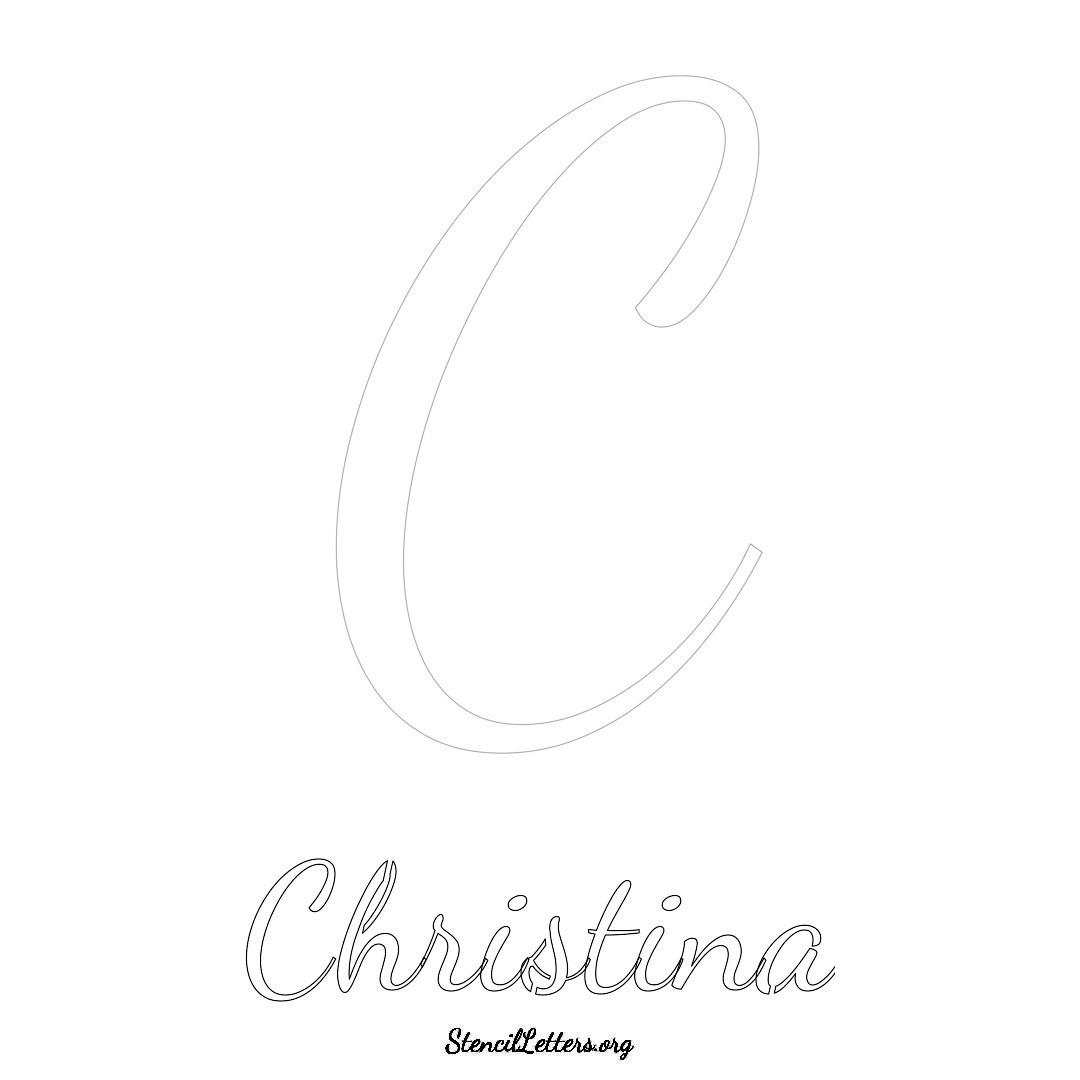
Mastering how to write christina peson in cursive requires precise stroke sequencing, fluid baseline connections, and consistent motor planning to link distinct alphabetical characters into a cohesive unit. According to the American Occupational Therapy Association (AOTA), fluid cursive handwriting reinforces fine-motor control, spatial orientation, and cognitive orthographic processing by requiring continuous, connected hand movements rather than isolated pencil lifts. Developing personalized name-writing competencies builds foundational literacy, spelling retention, and personal identification skills during critical elementary developmental windows. Practitioners often pair name drills with structured name practice worksheets to accelerate muscle memory.
Handwriting Practice Snapshot:
- Core Focus: Executing connected cursive letterforms for the specific name string “Christina Peson”.
- Target Scope: Elementary students, homeschoolers, and educators designing targeted handwriting curricula.
- Key Recommendation: Emphasize smooth connective strokes between the uppercase capital ‘C’ and lowercase ‘h’ before tackling multi-syllable transitions.
Core Principles and Detailed Overview
Executing the name sequence demands a careful breakdown of complex looped formations, sharp diagonal connectors, and precise midline heights. Direct answer: Every cursive stroke in this sequence must flow continuously from baseline to midline without lifting the writing utensil, maintaining a uniform slant angle of approximately 55 degrees from the horizontal baseline. Educators utilize specialized letter writing worksheets to isolate tricky letter combinations—such as the transition from the trailing ‘a’ in Christina to the capital ‘P’ in Peson—ensuring learners maintain proper proportion, spacing, and rhythm across both first and last names.
Key Specifications and Breakdown
| Skill Level / Grade | Target Stroke / Mechanical Focus | Pedagogical / Coaching Cue |
|---|---|---|
| Early Beginner (Grade 2) | Capital ‘C’ entry stroke and lowercase loop integrity | Start below the top line, sweep up to the headline, and curve back down smoothly. |
| Intermediate (Grade 3) | Name-space spacing and dual-word baseline alignment | Lift pencil cleanly between ‘Christina’ and ‘Peson’ while maintaining parallel slants. |
| Advanced (Grade 4+) | Connecting ‘s-o-n’ endings with fluid exit tails | Keep wrist relaxed and pull the final ‘n’ stroke downward to anchor on the baseline. |
Structured handwriting intervention significantly enhances orthographic-motor integration and letter recognition speed in early elementary students — American Occupational Therapy Association (AOTA)
Step-by-Step Practical Application and Guidelines
Guiding a learner through connected name production requires systematic decomposition of each component letter. Direct answer: Begin by practicing the capital ‘C’ separately, then incrementally chain the lowercase ‘h-r-i-s-t-i-n-a’ segments before introducing the independent surname ‘Peson’. Instructors should monitor pencil grip pressure, ensuring fingers remain flexible to prevent hand fatigue during extended writing sessions. Integrating daily targeted drills via tracing worksheets provides the visual scaffolding necessary for independent muscle memory formation.
Common Challenges and How to Avoid Them
Frequent pitfalls in multi-word cursive practice include cramped letter crowding, inconsistent slant angles, and improper spacing between the first and last name. Direct answer: Learners frequently distort the uppercase ‘P’ in Peson by attaching it directly to the ending ‘a’ of Christina instead of executing a clear space break. Educators resolve this by enforcing a standard finger-width gap between words and utilizing lined templates found within comprehensive preschool worksheets and foundational writing guides to establish spatial boundaries.
💬 Frequently Asked Questions
Explore More Free Handwriting and Character Worksheets
Access an extensive collection of custom handwriting resources, educational printables, and skill-building modules designed for home and classroom environments directly at CharacterWritingWorksheets.com to support every stage of elementary literacy development.
Visual Reference Gallery