Introduction
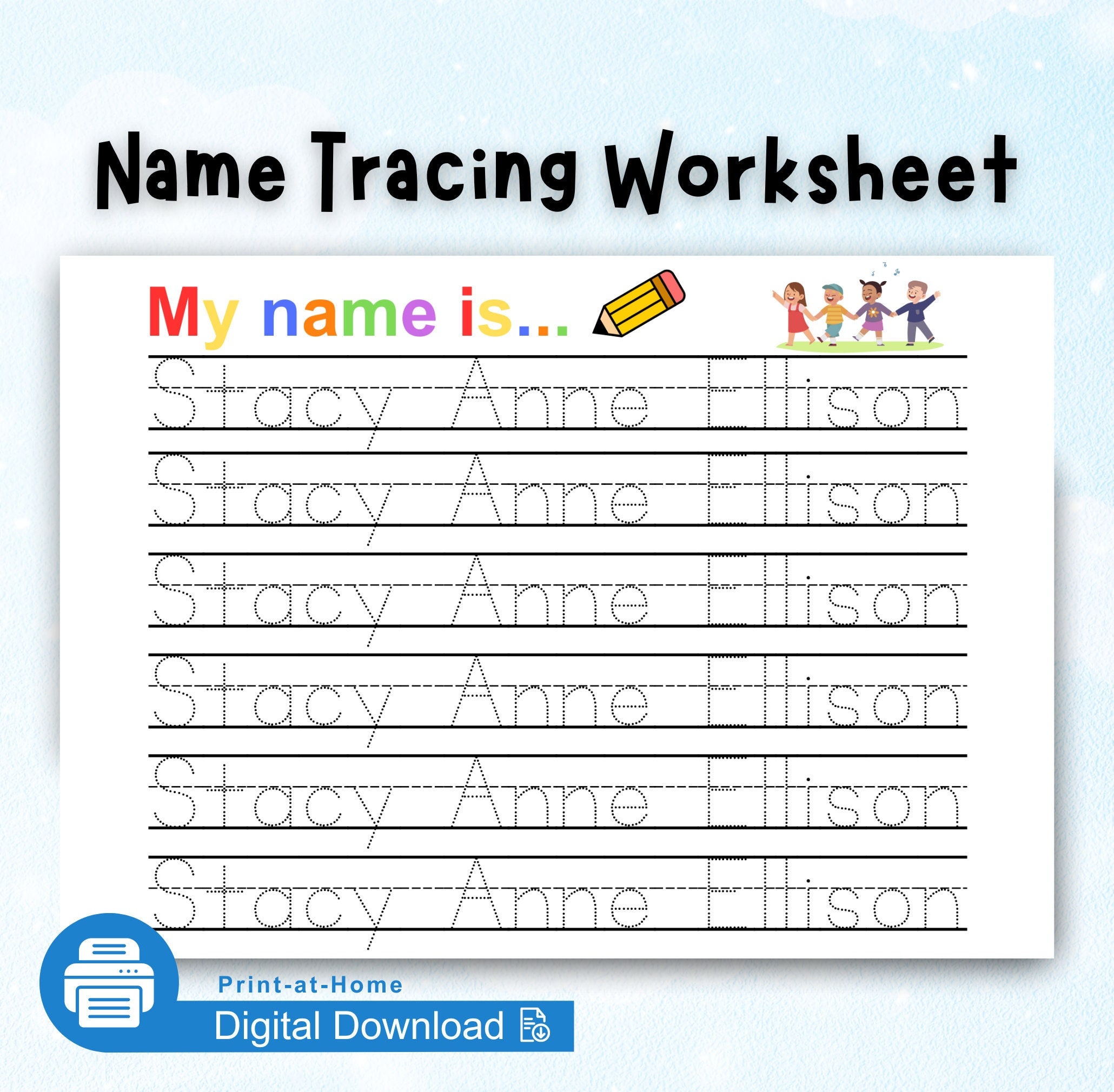
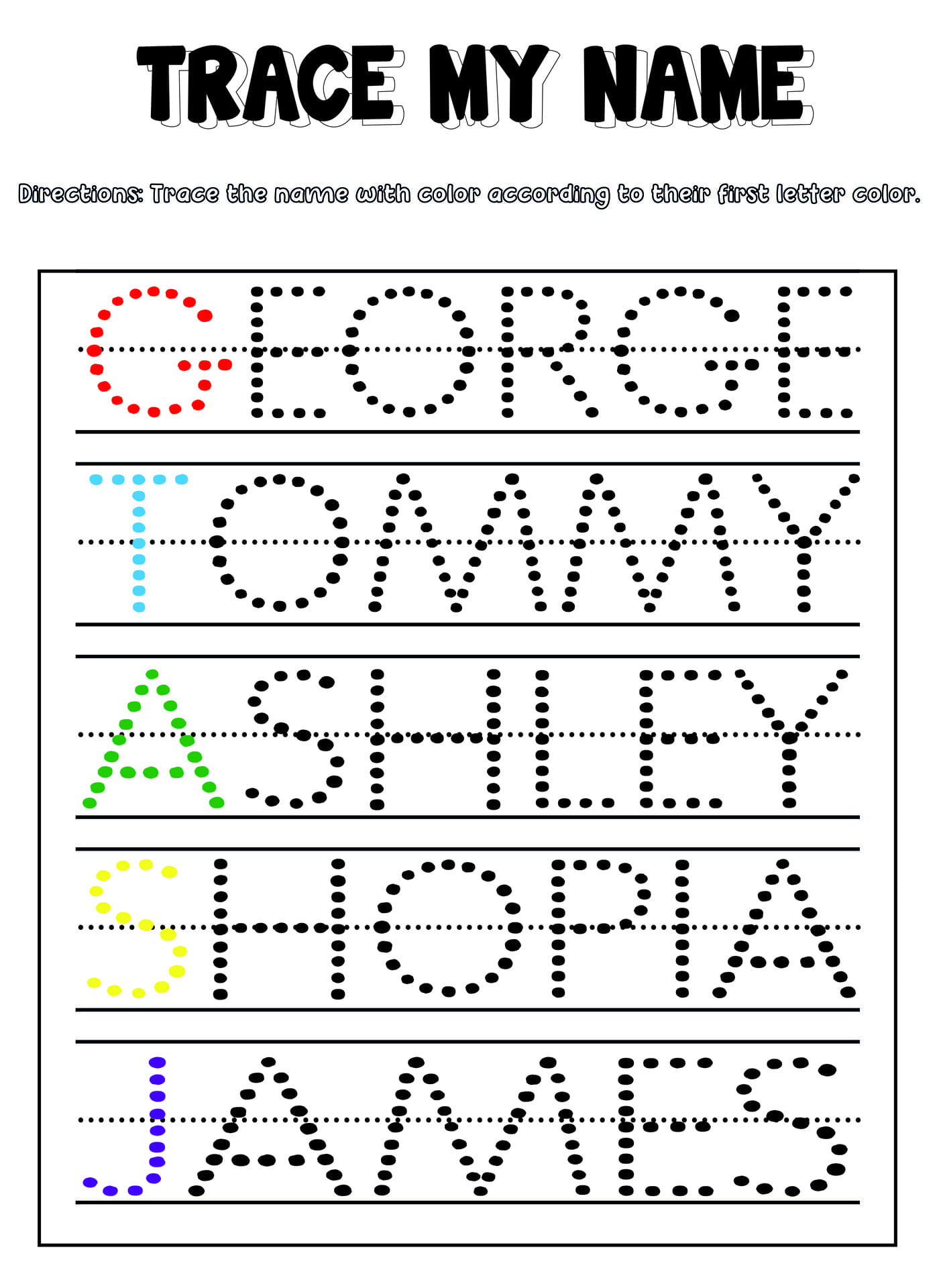
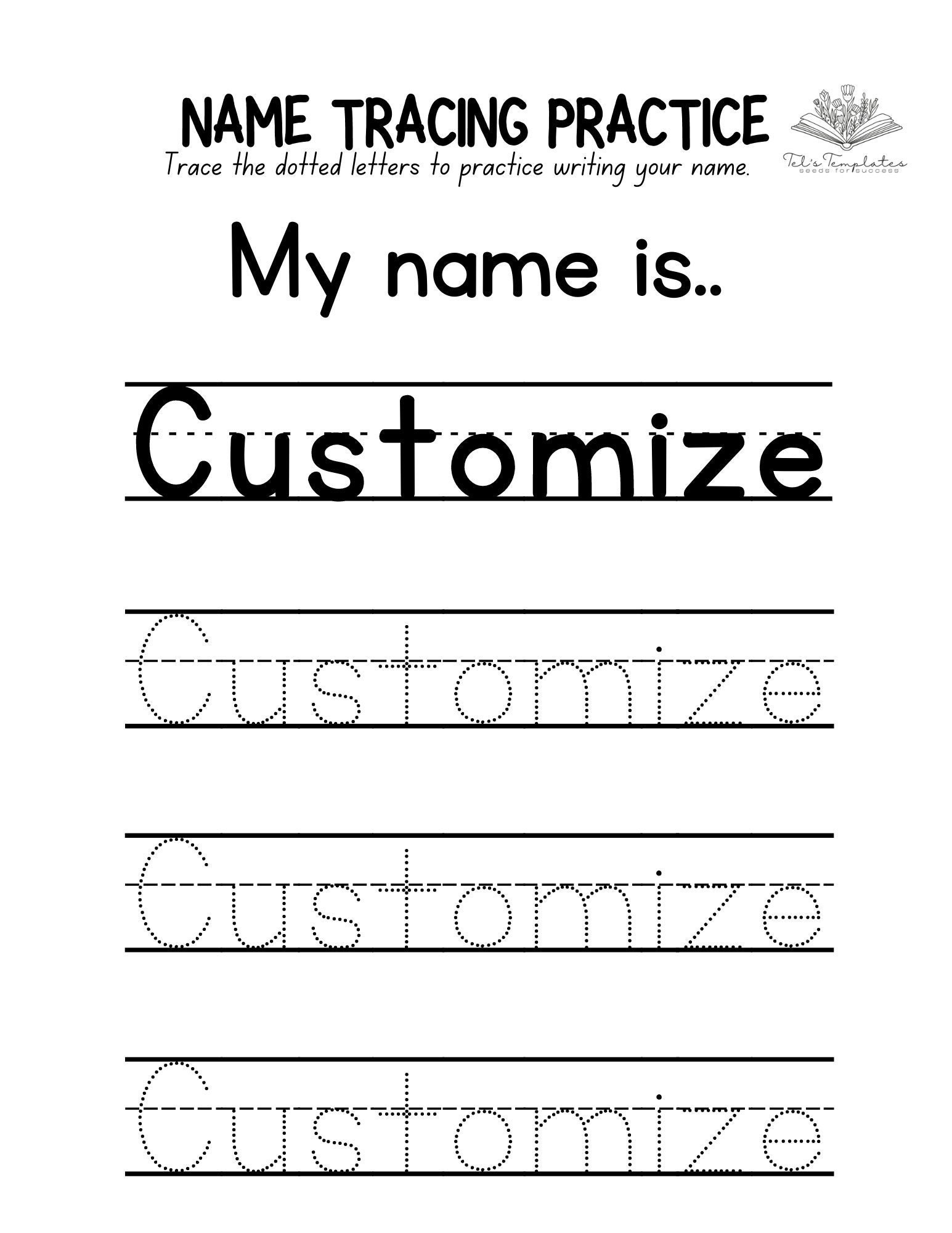
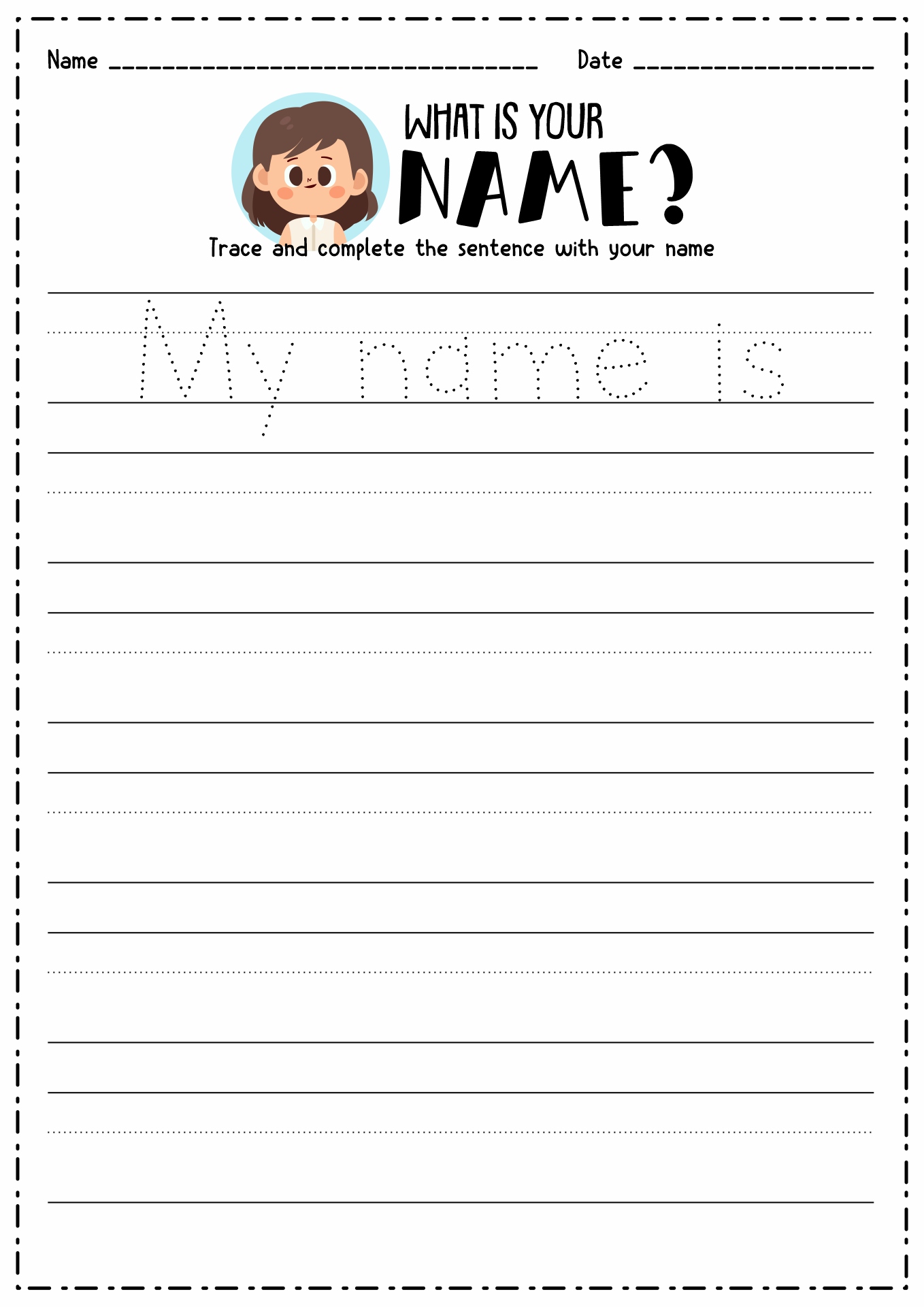
Name practice sheets trace and write provide foundational motor-planning scaffolding that transforms abstract letter shapes into automatic, legible muscle memory for early learners. According to the National Association for the Education of Young Children (NAEYC), intentional handwriting instruction supports foundational literacy development, fine-motor control, and cognitive self-regulation in young children. Utilizing structured name practice worksheets accelerates this development by anchoring penmanship tasks to a deeply personal and highly motivating linguistic anchor point: the child’s own name. Educators and parents rely on these specialized resources to bridge the gap between gross-motor scribbling and precise letter formation across preschool worksheets and kindergarten curricula.
Handwriting Practice Snapshot:
- Core Focus: Systematic stroke sequencing and personal identifier mastery via name practice sheets trace and write.
- Target Scope: Early childhood education settings, homeschooling environments, and occupational therapy clinics.
- Key Recommendation: Transition gradually from full-word tracing to independent free-writing on primary ruled lines.
Core Principles and Detailed Overview
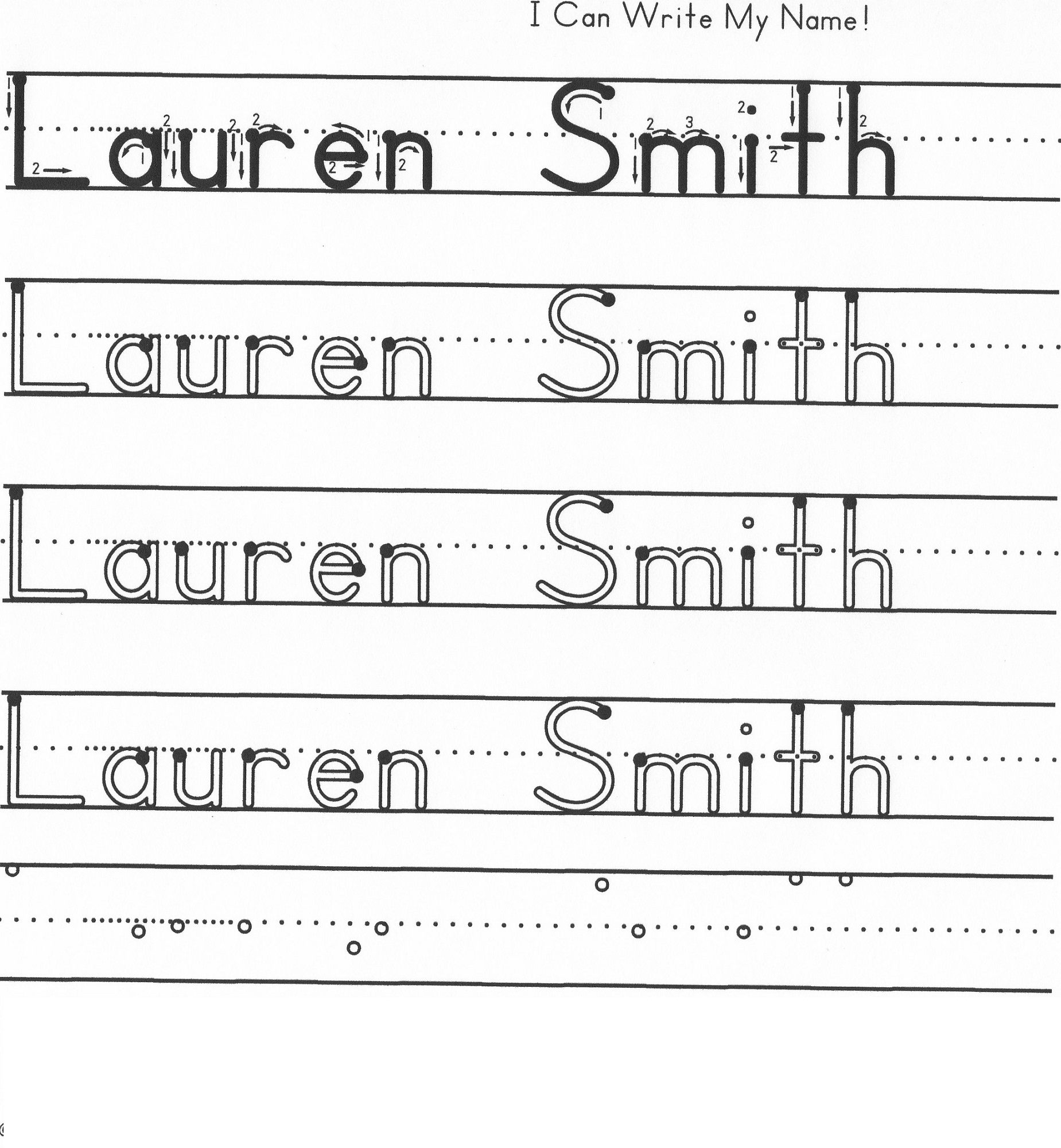
Name practice sheets trace and write operate on the educational principle of progressive fading, where visual support diminishes systematically to foster independent handwriting competence. When designing or selecting letter writing worksheets focused on personal names, instructors must ensure proper baseline orientation, proportional ascenders and descenders, and accurate directional stroke starts. The mechanics of tracing train the visual-motor loop, teaching hands to anticipate curves, vertical drops, and diagonal slants before execution. Integrating broader tracing worksheets alongside specialized identifier practice ensures students build generalized pencil control while mastering their specific alphabet characters.
Key Specifications and Breakdown
| Skill Level / Grade | Target Stroke / Mechanical Focus | Pedagogical / Coaching Cue |
|---|---|---|
| Early Preschool (Ages 3-4) | Continuous horizontal tracking and circular motion | “Start at the top dot, curve smoothly around, and close the loop.” |
| Mid Preschool (Ages 4-5) | Vertical pull-downs and left-to-right progression | “Pencil on the starting arrow, pull straight down to the baseline.” |
| Kindergarten (Ages 5-6) | Proportional scaling, spacing, and independent free-recall | “Touch the top line, drop to the baseline, leave a finger space.” |
Fine-motor control and proximal stability are foundational prerequisites for efficient pencil grasp and letter legibility in early childhood. — American Occupational Therapy Association (AOTA)
Step-by-Step Practical Application and Guidelines
Executing name practice sheets trace and write effectively requires a structured routine that emphasizes proper ergonomic posture, pencil grip, and stroke sequence awareness. Instructors should begin by modeling the exact formation of each letter aloud, demonstrating how the pencil moves continuously from one stroke to the next. Learners trace dotted-line models multiple times to build kinetic memory before moving to partial tracing models and finally independent writing spaces on standard worksheets. Regular, brief daily sessions yield superior retention and muscle development compared to infrequent, extended writing drills.
Common Challenges and How to Avoid Them
Reversals, improper pencil grasps, and incorrect stroke starts represent the most frequent obstacles encountered during early handwriting instruction. Educators mitigate these errors on name practice sheets trace and write by embedding visual directional arrows, color-coded start dots, and tactile boundary markers directly into the layout. If a child begins letters from the bottom up, intervention should pause until the instructor physically guides the hand from the designated top starting point, overwriting incorrect motor habits before permanent neural pathways form.
💬 Frequently Asked Questions
Explore More Free Handwriting and Character Worksheets
Access an extensive library of professional educational resources, custom generator templates, and printable learning materials designed for early childhood educators and parents by visiting CharacterWritingWorksheets.com. Building robust foundational literacy and advanced fine-motor mechanics is seamless when utilizing structured, high-density practice assets tailored to every developmental milestone.
Visual Reference Gallery