Introduction
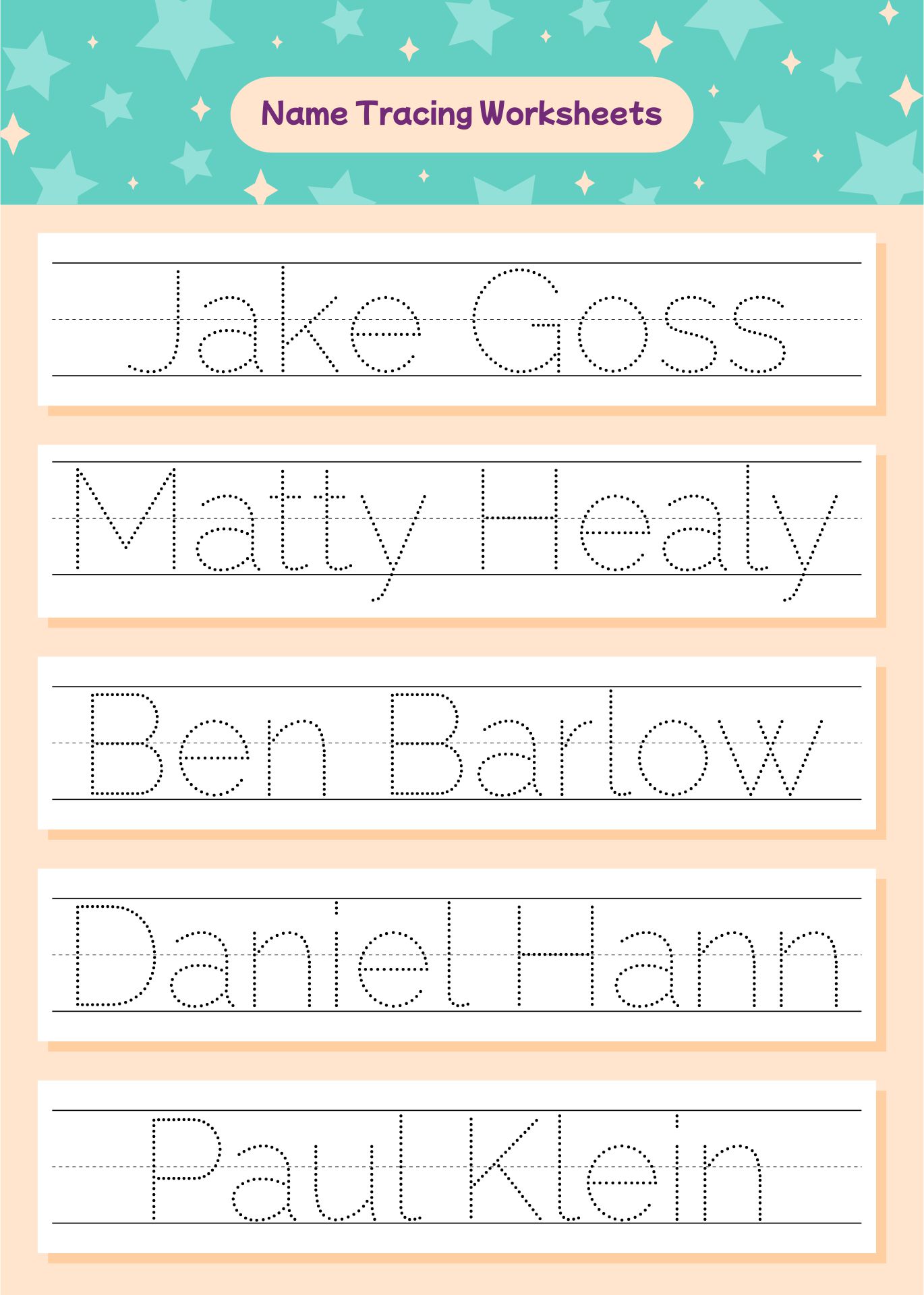
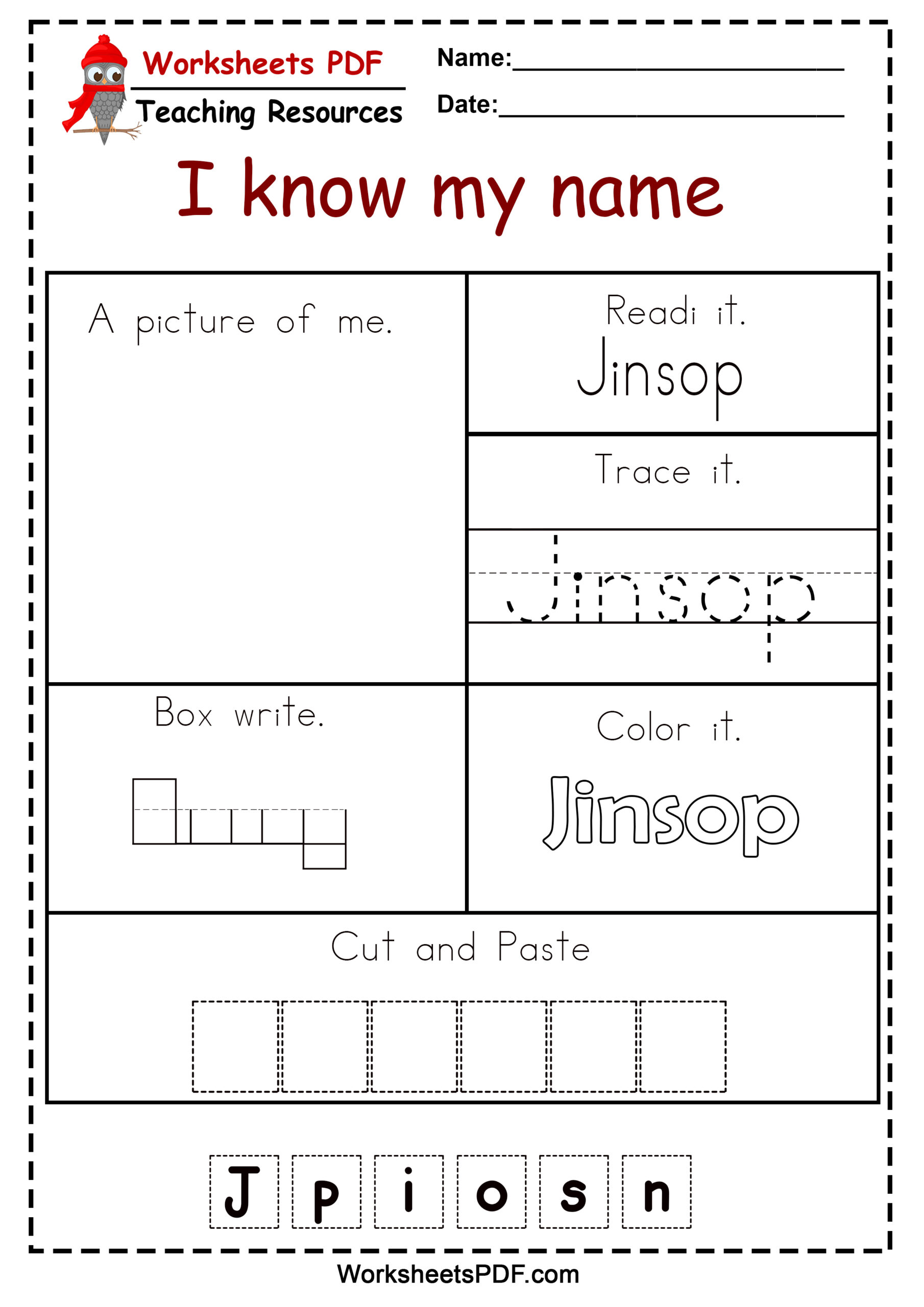
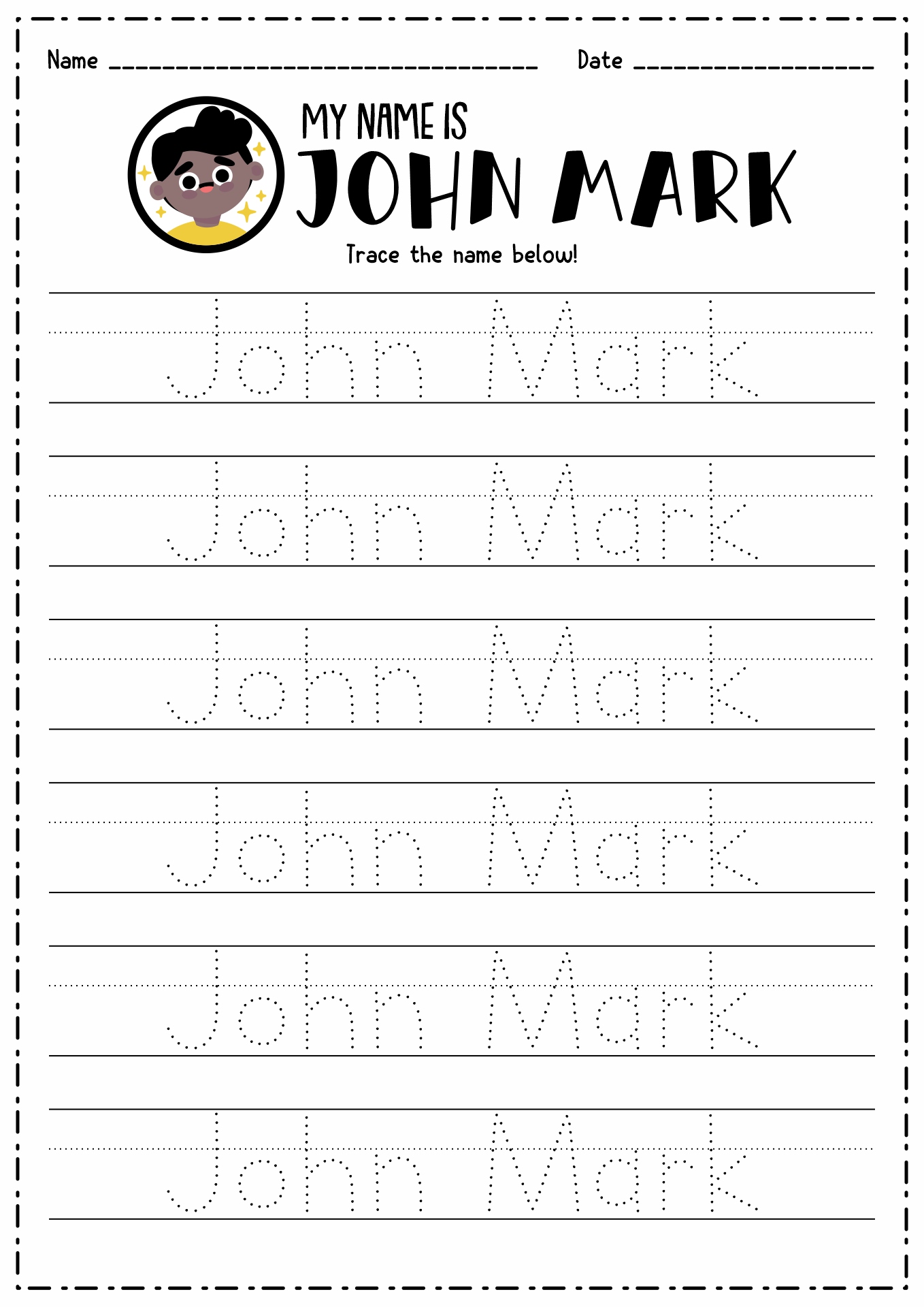
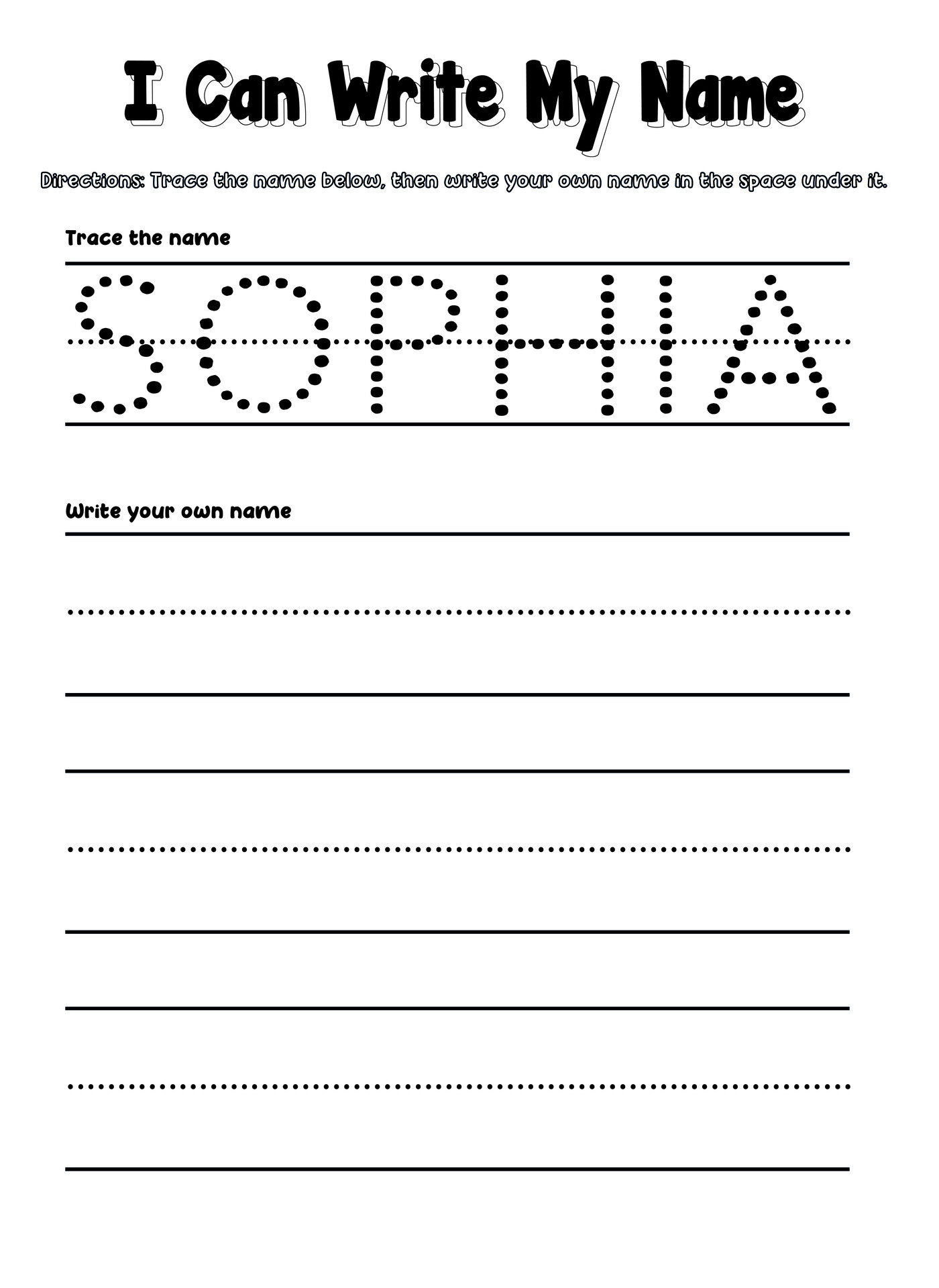
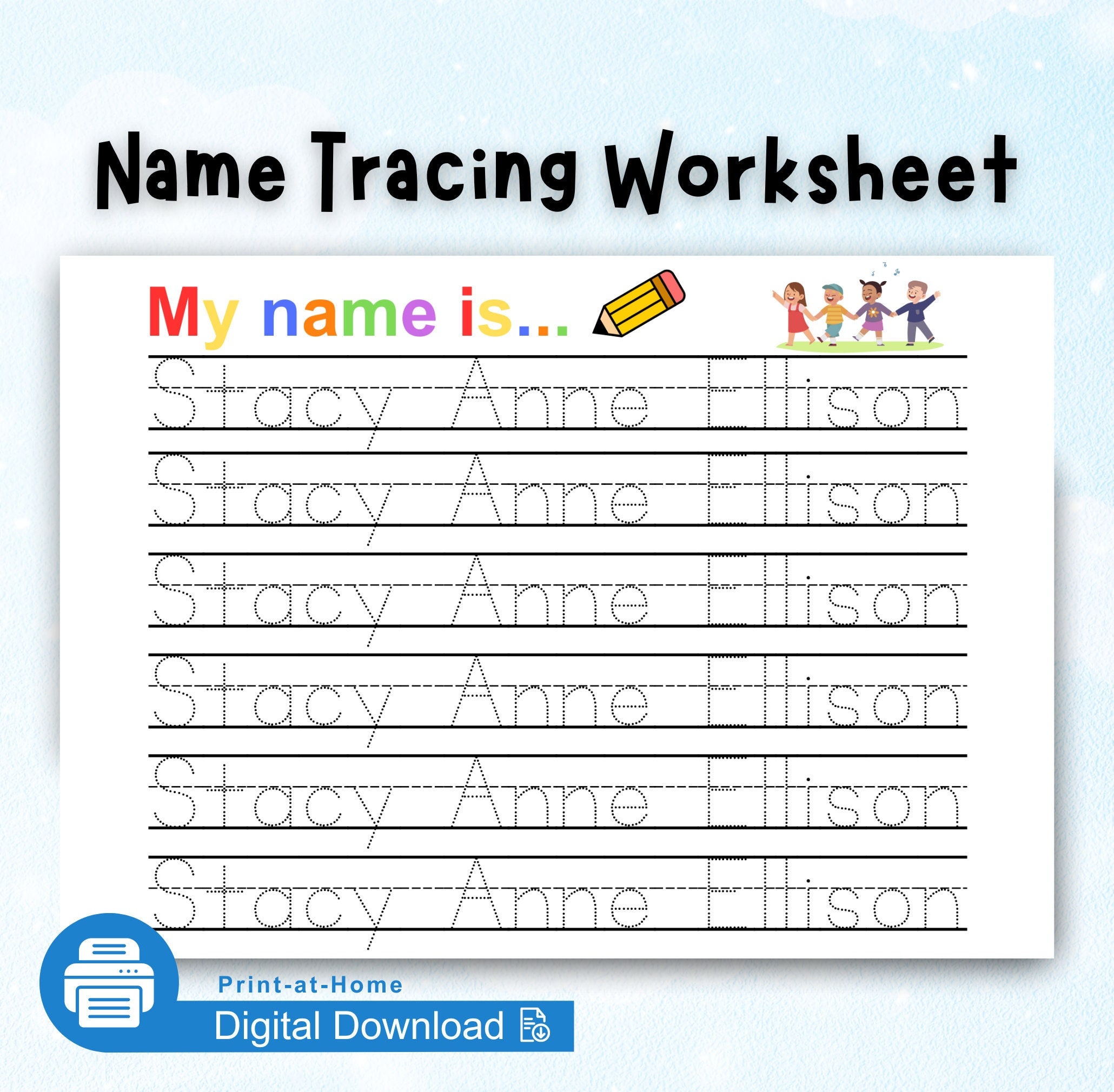
Name printable worksheets serve as foundational instructional tools that accelerate early literacy by teaching children to recognize, spell, and physically render personal identifiers through targeted stroke practice. According to the National Association for the Education of Young Children (NAEYC), meaningful literacy engagement begins with print concepts that are personally relevant to the learner, making individual identification text the premier entry point for handwriting instruction. Early educators utilize these structured sheets to bridge the gap between abstract letter recognition and concrete motor execution. Establishing muscle memory for personal names anchors subsequent writing milestones across broader preschool worksheets. Integrating targeted name exercises into daily routines transforms passive observation into active fine-motor mastery.
Handwriting Practice Snapshot:
- Core Focus: Systematic instruction of personal name formation through guided stroke mechanics.
- Target Scope: Early childhood education, kindergarten prep, and home-school literacy settings.
- Key Recommendation: Pair tactile pre-writing drills with visual anchor points before transitioning to independent pencil strokes.
Core Principles and Detailed Overview
Name printable worksheets establish foundational handwriting mechanics by translating complex visual symbols into repeatable, sequential muscle movements. Direct handwriting success relies heavily on consistent stroke sequencing, pencil pressure regulation, and spatial awareness within standard three-line primary grids. When learners repeatedly trace and copy their own names, neural pathways strengthen to automate letter production, freeing cognitive capacity for spelling and composition. Educators rely on these specialized name practice worksheets to isolate specific character formations, such as ascending loops or circular curves, that frequently challenge developing hands. Proper paper positioning and correct tripod grip must accompany sheet utilization to ensure long-term ergonomic health and prevent hand fatigue during extended writing sessions.
Key Specifications and Breakdown
| Skill Level / Grade | Target Stroke / Mechanical Focus | Pedagogical / Coaching Cue |
|---|---|---|
| Early Preschool (Ages 3-4) | Vertical, horizontal, and diagonal baseline strokes | “Start at the top dot, pull straight down to the baseline.” |
| Mid Kindergarten (Ages 4-5) | Continuous curves, anticlockwise circles, and letter proportions | “Trace gently around the curve like hugging a soft ball.” |
| Late Kindergarten (Ages 5-6) | Consistent letter spacing, baseline alignment, and independent sizing | “Leave a tiny finger space between each letter formation.” |
Developmental progression in early handwriting requires explicit instruction in directional stroke patterns before independent letter synthesis occurs. — American Occupational Therapy Association (AOTA)
Step-by-Step Practical Application and Guidelines
Executing effective handwriting intervention with custom name printables requires a sequential, scaffolded approach that moves from heavily assisted tracing to independent freehand generation. Initial sessions should feature dotted font models accompanied by directional arrows to reinforce correct stroke start points. Educators and parents must monitor grip stability and paper slant closely while children complete customized tracing worksheets designed to isolate tricky character transitions. Following initial tracing drills, transition the learner to half-sheet prompts where only the first letter is modeled, forcing cognitive recall of subsequent letter shapes. Supplementing these targeted literacy exercises with creative coloring worksheets helps build finger dexterity and hand strength without inducing writing burnout.
Common Challenges and How to Avoid Them
Letter reversals, erratic sizing, and improper pencil grip represent the most frequent obstacles encountered during early writing instruction. Correcting these issues early prevents entrenched mechanical habits that hinder future speed and legibility across all academic worksheets. Instructors should address reverse letter formation immediately by emphasizing tactile cues, such as finger-tracing textured name outlines before pencil contact occurs. Providing restricted boundary lines limits oversized character creation and teaches proportional spatial awareness. Regular, short practice intervals yield superior neuromuscular retention compared to sporadic, lengthy writing sessions that provoke frustration and physical strain.
💬 Frequently Asked Questions
Explore More Free Handwriting and Character Worksheets
Accessing comprehensive educational resources empowers educators and parents to build robust, individualized curricula that foster lifelong writing confidence. The extensive collection available through CharacterWritingWorksheets.com provides limitless practice material tailored to every developmental milestone, including specialized letter writing worksheets. Bookmark the central repository today to discover fresh instructional assets, printable templates, and expert-designed guides created to support every stage of early literacy development.
Worksheet Previews & Reference Materials