Introduction
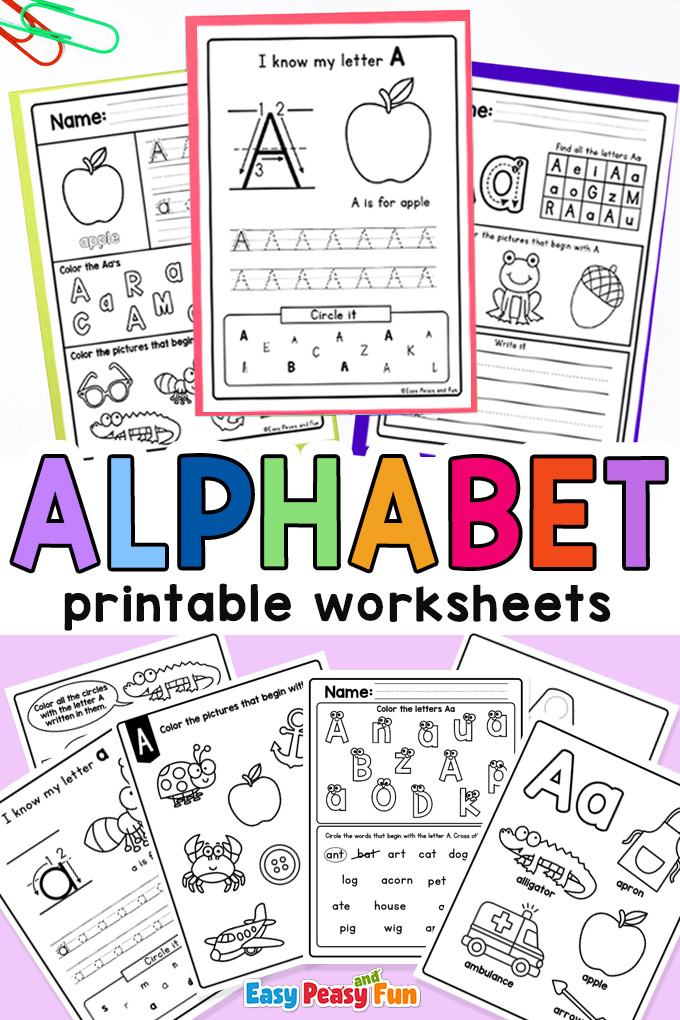
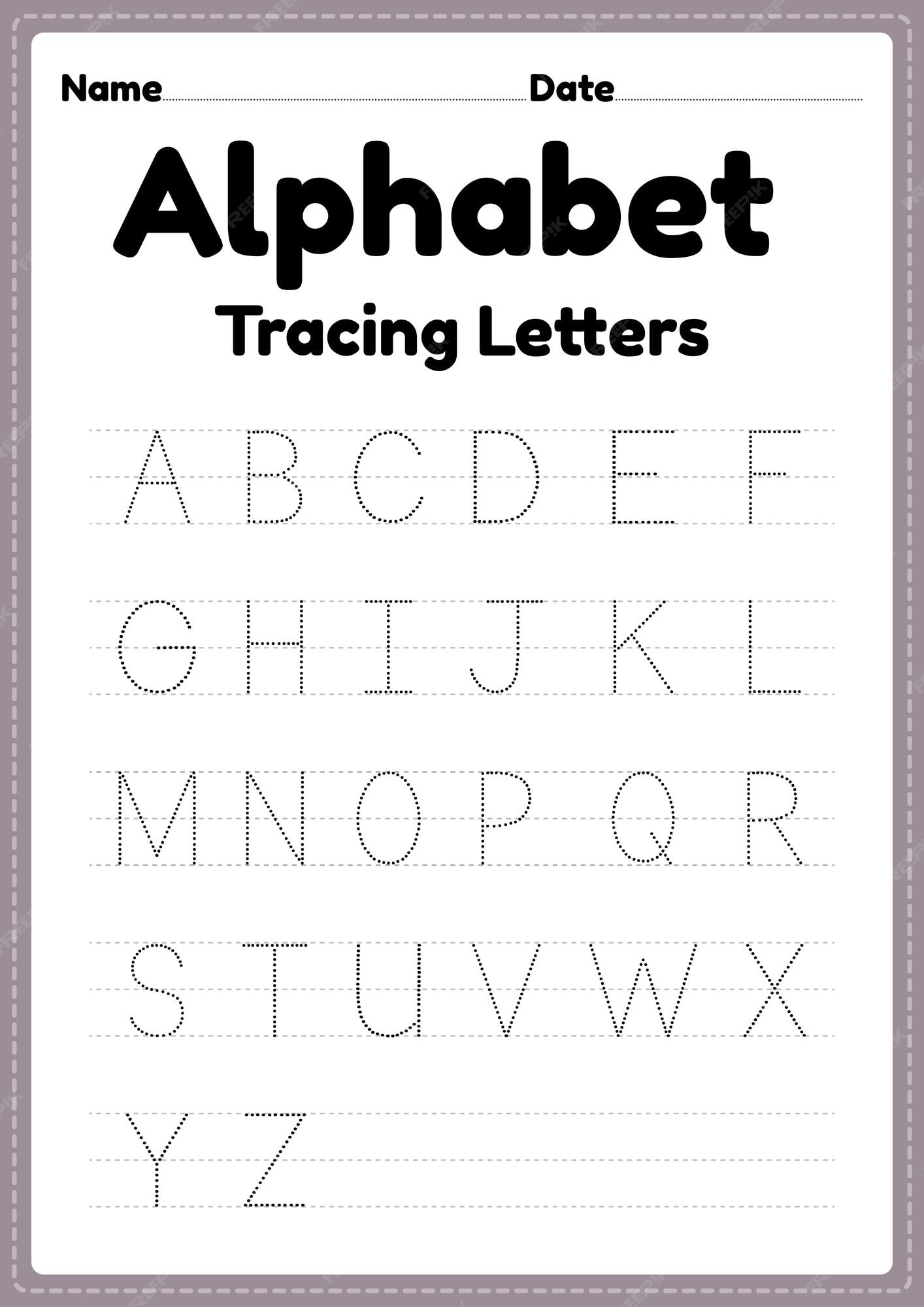
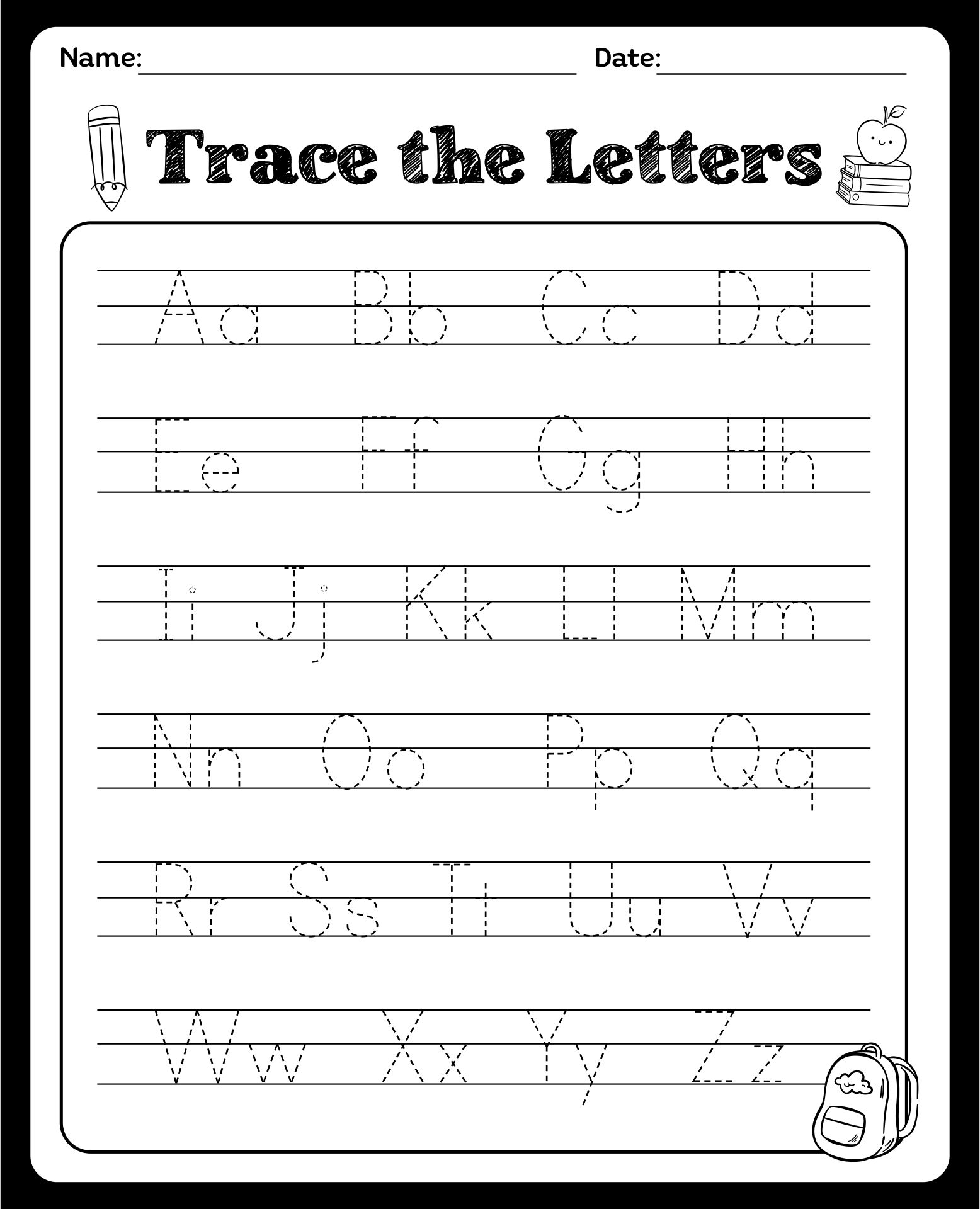
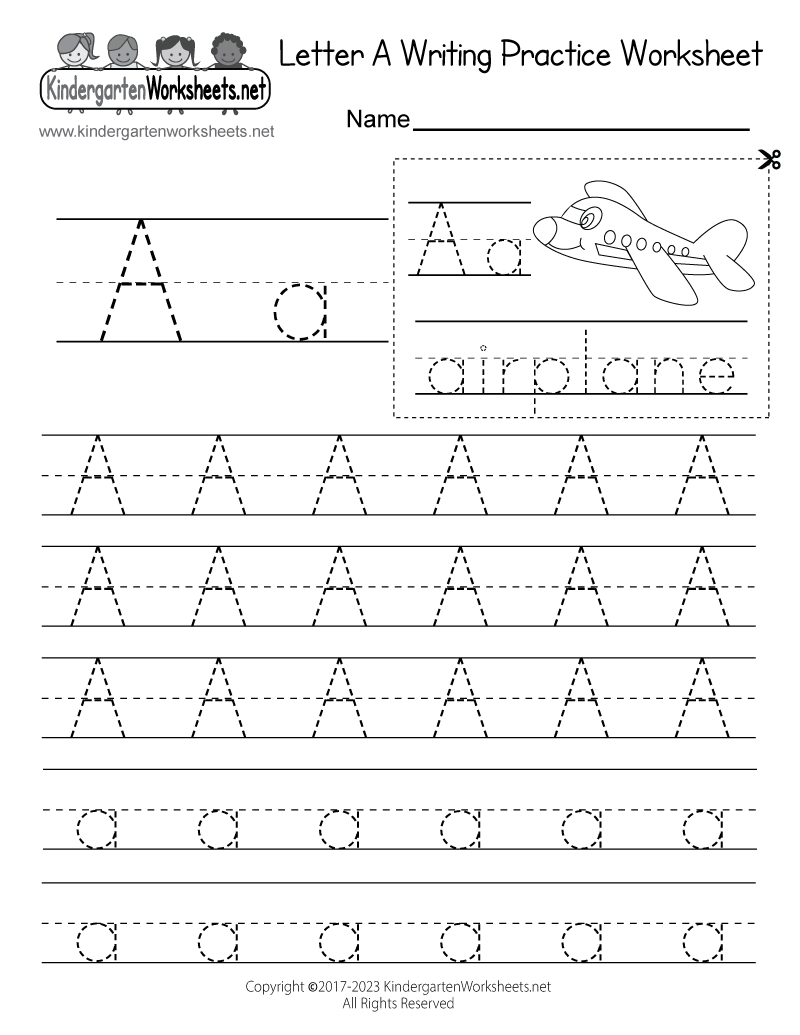
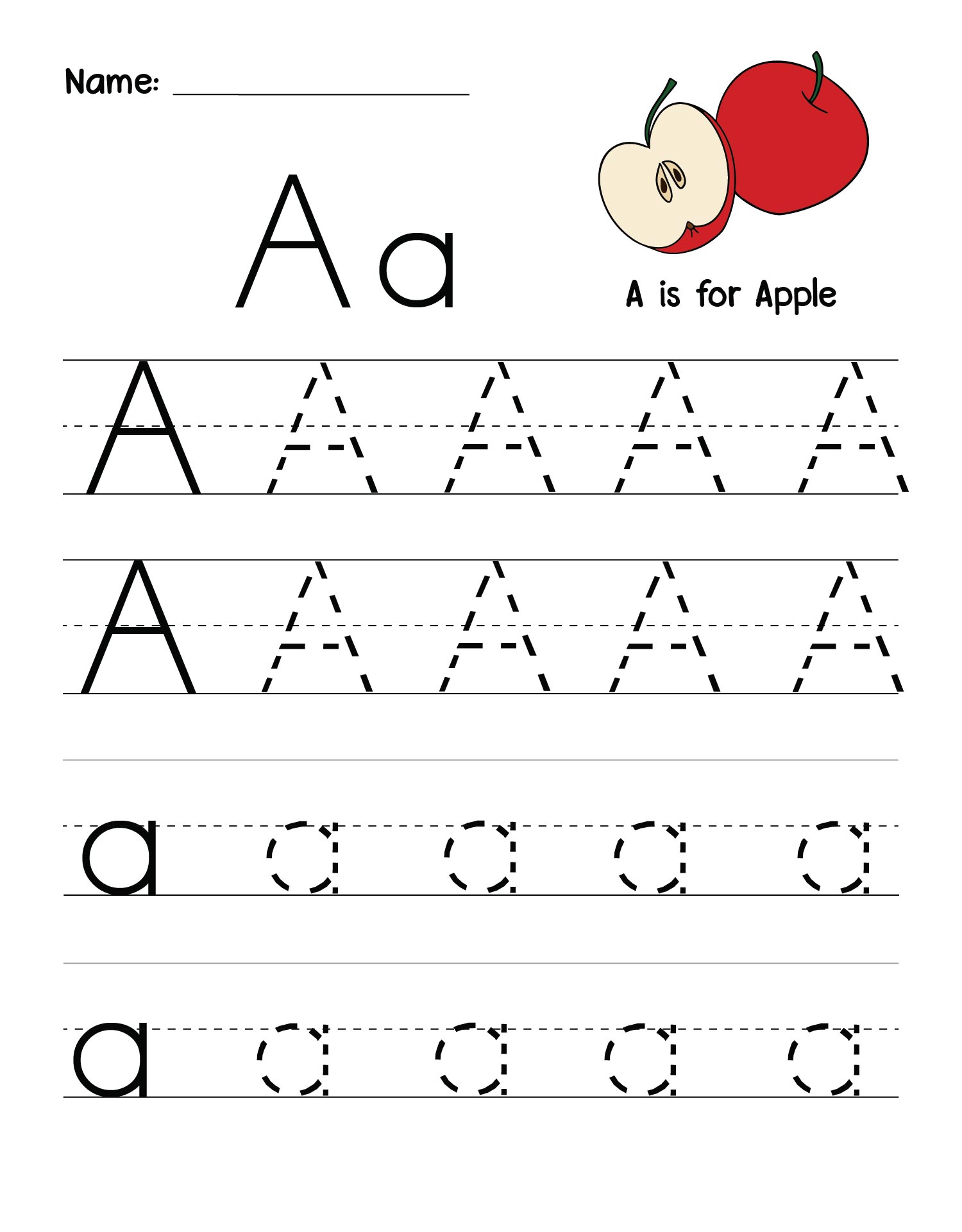
Writing letter a worksheets for kindergarten provide structured graphical frameworks that teach children correct stroke sequencing, spatial orientation, and fine-motor control for the fundamental vowel shape. According to the National Association for the Education of Young Children (NAEYC), systematic and developmentally appropriate handwriting instruction enhances letter recognition and supports overall early literacy acquisition. Educators and parents utilize targeted letter writing worksheets to bridge the gap between gross motor movements and precise pencil manipulation. These specialized resources transition learners from basic preschool worksheets to independent, fluent handwriting habits.
Handwriting Practice Snapshot:
- Core Focus: Mastering the counter-clockwise curved stroke and vertical line of the lowercase and uppercase letter A.
- Target Scope: Kindergarten classrooms, homeschooling environments, and occupational therapy interventions.
- Key Recommendation: Pair tactile tracing activities with structured writing lines before expecting unassisted independent production.
Core Principles and Detailed Overview
Mastering the letter A requires executing a precise sequence of strokes that builds foundational muscle memory for the entire alphabet. Direct answer: Effective letter practice begins with a continuous curved stroke starting near the top right, sweeping down to the baseline, and closing with a vertical pull-down stroke. When utilizing tracing worksheets, children learn to coordinate visual inputs with hand movements, reducing the likelihood of reverse formations. Consistent daily practice on structured worksheets reinforces proper pencil grip and prevents the formation of inefficient compensatory habits during early childhood development.
Key Specifications and Breakdown
| Skill Level / Grade | Target Stroke / Mechanical Focus | Pedagogical / Coaching Cue |
|---|---|---|
| Early Kindergarten | Counter-clockwise curved circle and straight vertical line. | “Start at two o’clock, curve around, pull straight down.” |
| Mid Kindergarten | Proportional sizing within a three-line primary grid. | “Touch the top line, sit flat on the bottom baseline.” |
| Late Kindergarten | Automatic generation without dashed guiding lines. | “Visualize the midline and maintain consistent letter height.” |
Developmental progression in handwriting demands mastery of pencil control and stroke directionality before speed or excessive volume is introduced. — American Occupational Therapy Association (AOTA)
Step-by-Step Practical Application and Guidelines
Implementing letter instruction successfully involves moving systematically from large-scale motor practice to fine-pencil execution. Direct answer: Begin each session by air-writing the letter shape using gross motor movements before transitioning learners to paper-based execution. Instructors should demonstrate the exact pencil starting point explicitly, ensuring children do not start the curved stroke from the bottom baseline. Educators frequently combine letter practice with name practice worksheets to maintain high engagement levels and contextual relevance. Following initial guided practice, allow learners to experiment with coloring worksheets that feature target letter illustrations to reinforce phonics connections without hand fatigue.
Common Challenges and How to Avoid Them
Reversing the letter shape and starting strokes from the bottom up represent the most frequent obstacles encountered by young learners. Direct answer: Correct directional errors immediately by using verbal mnemonics and physical hand-over-hand guidance during the initial stroke phase. Children often struggle when lines are too small for their developing hand-eye coordination; therefore, instructional pages must feature oversized primary writing lines with clear baselines. Monitoring grip pressure prevents early hand cramping and ensures fluid execution across extended writing tasks.
💬 Frequently Asked Questions
Explore More Free Handwriting and Character Worksheets
Accessing comprehensive educational resources ensures every child builds lifelong writing confidence and mechanical proficiency. Educators and parents can explore the complete catalog of free materials available at CharacterWritingWorksheets.com to support early childhood literacy development.
Worksheet Previews & Reference Materials