Introduction
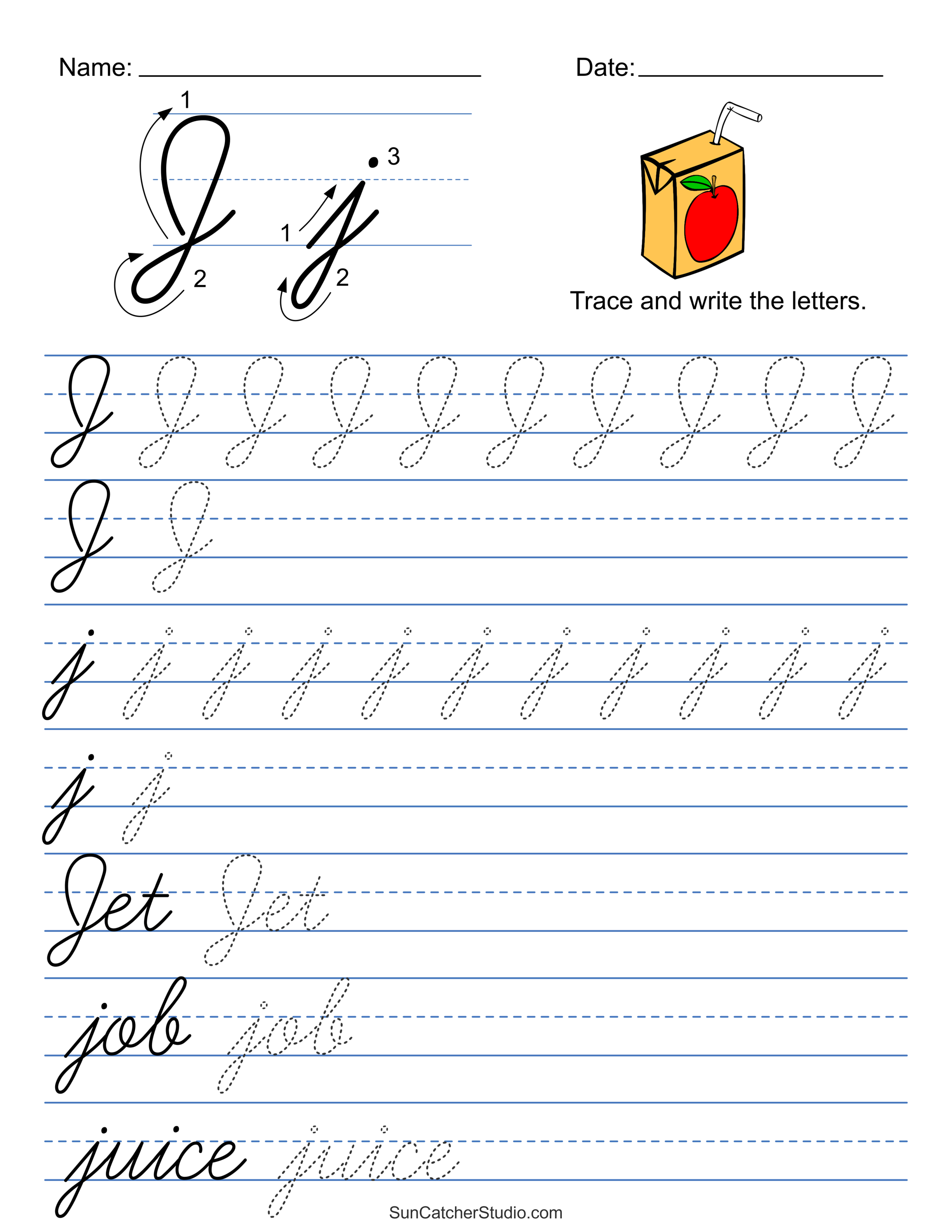
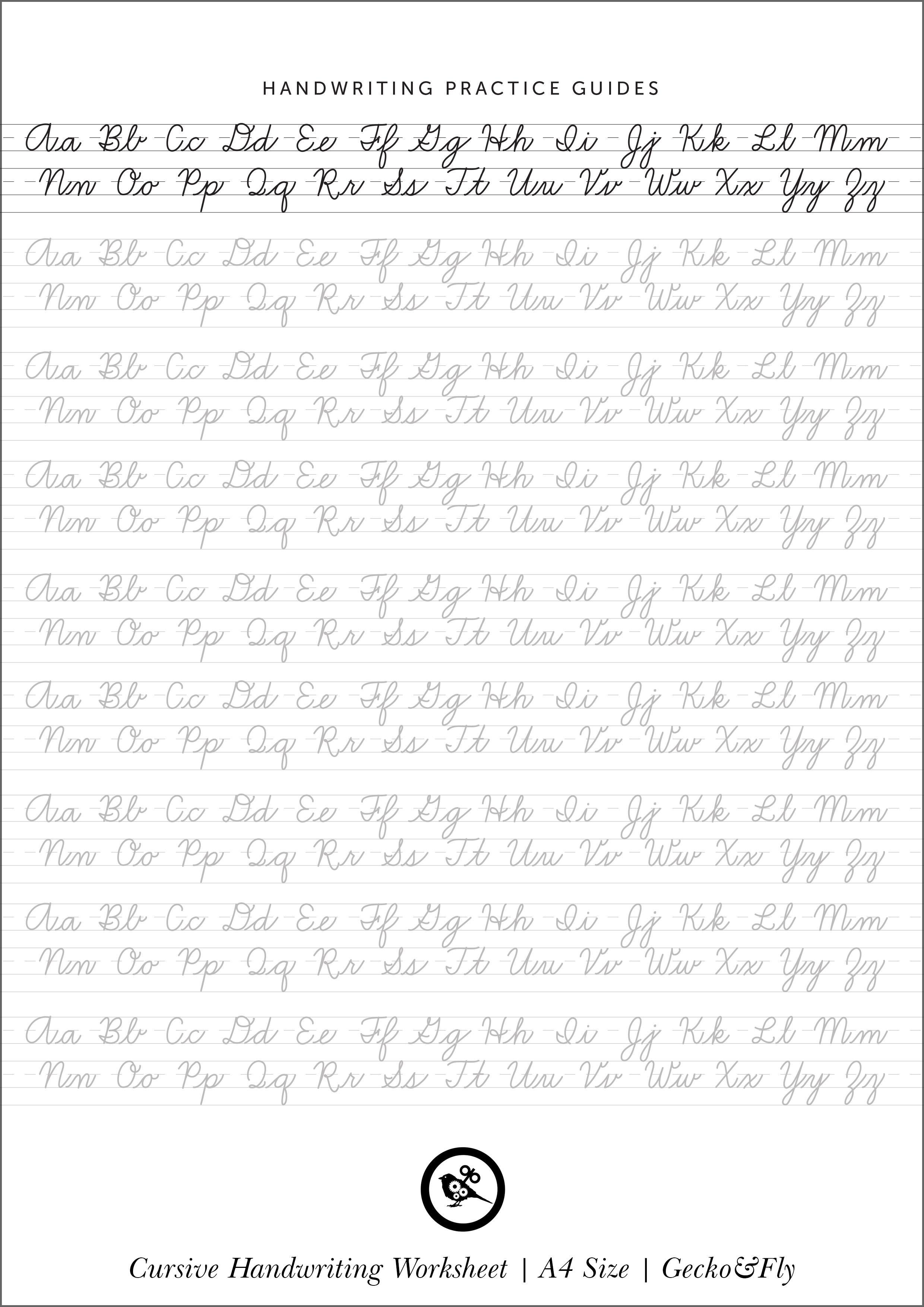
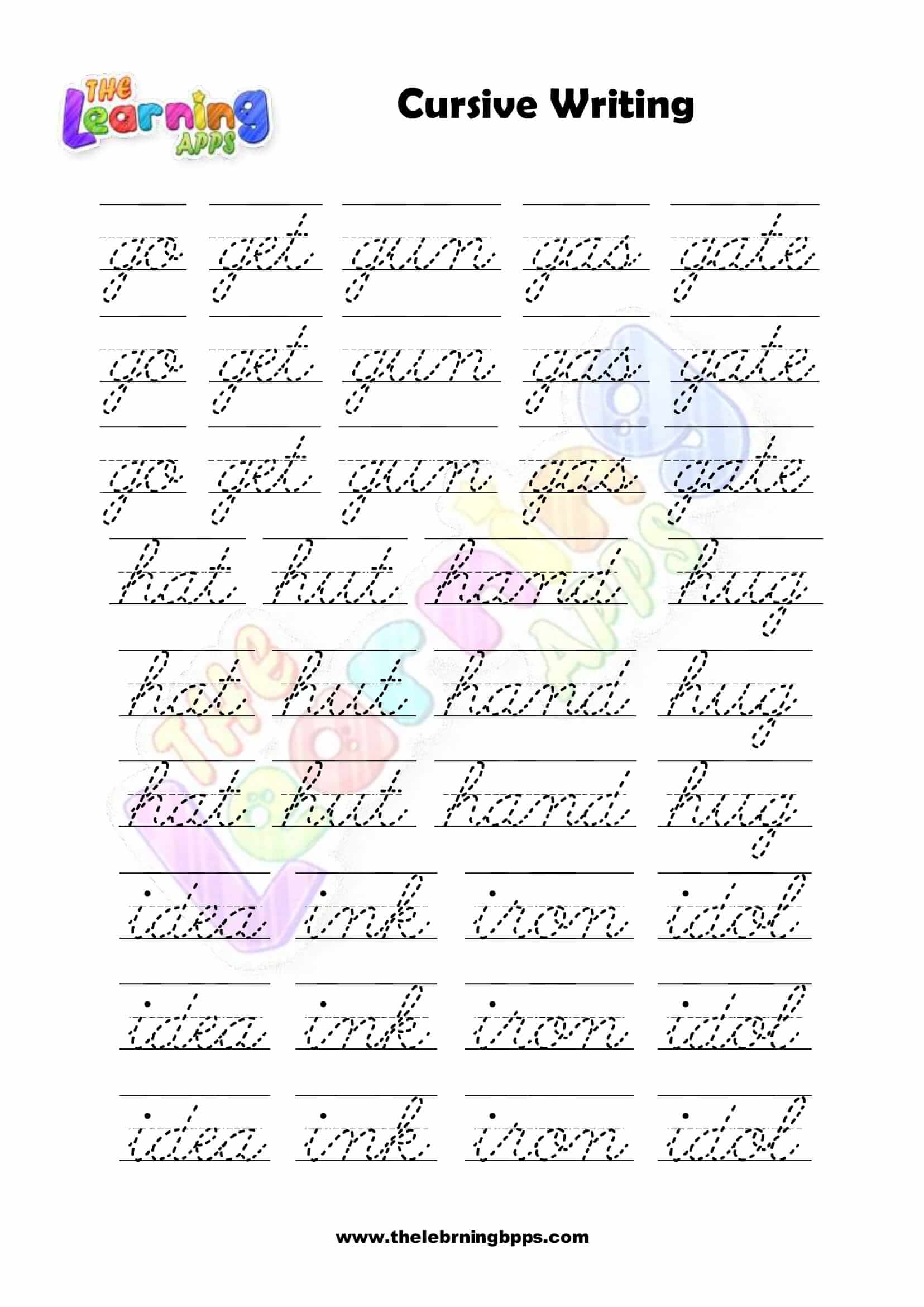
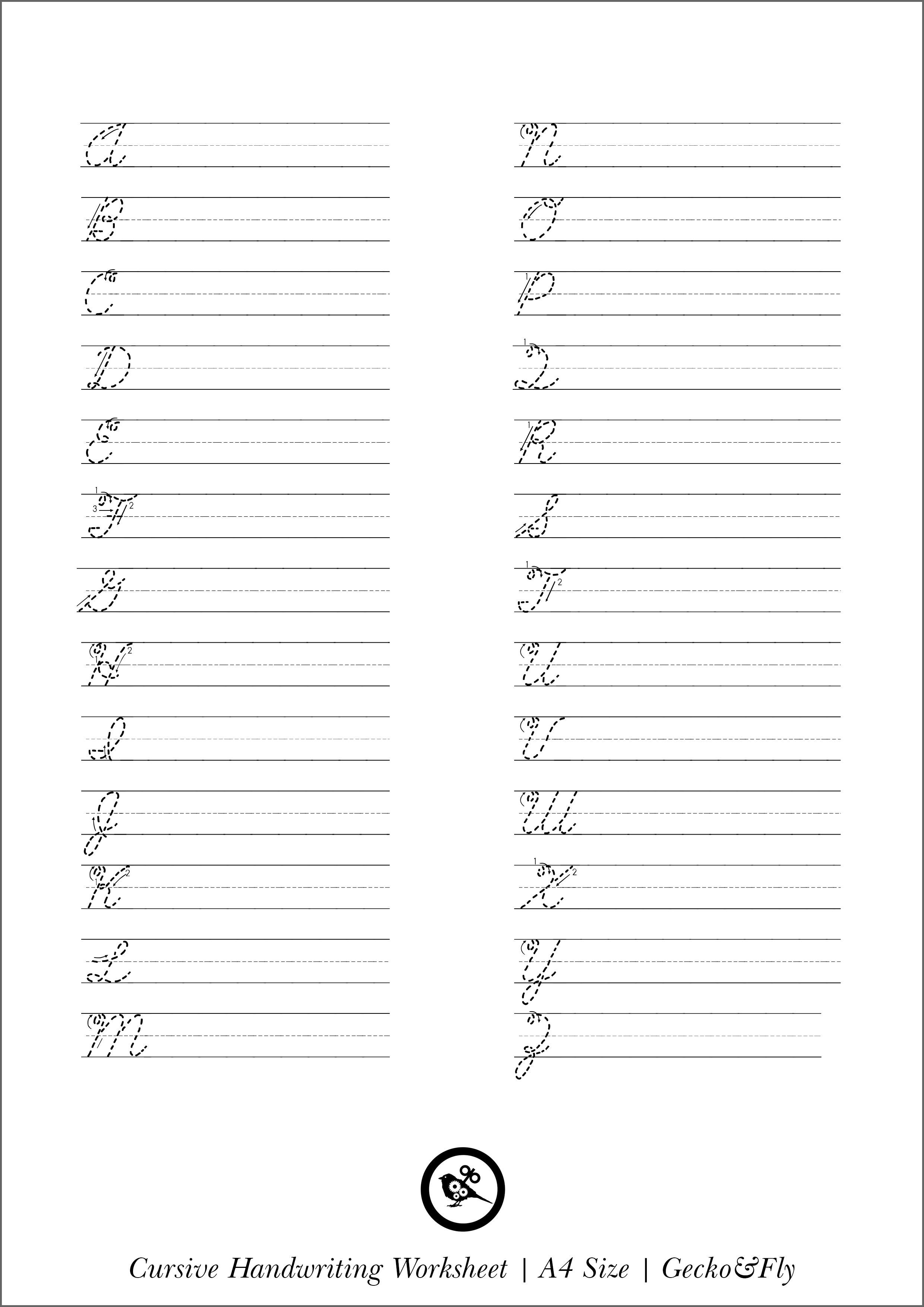
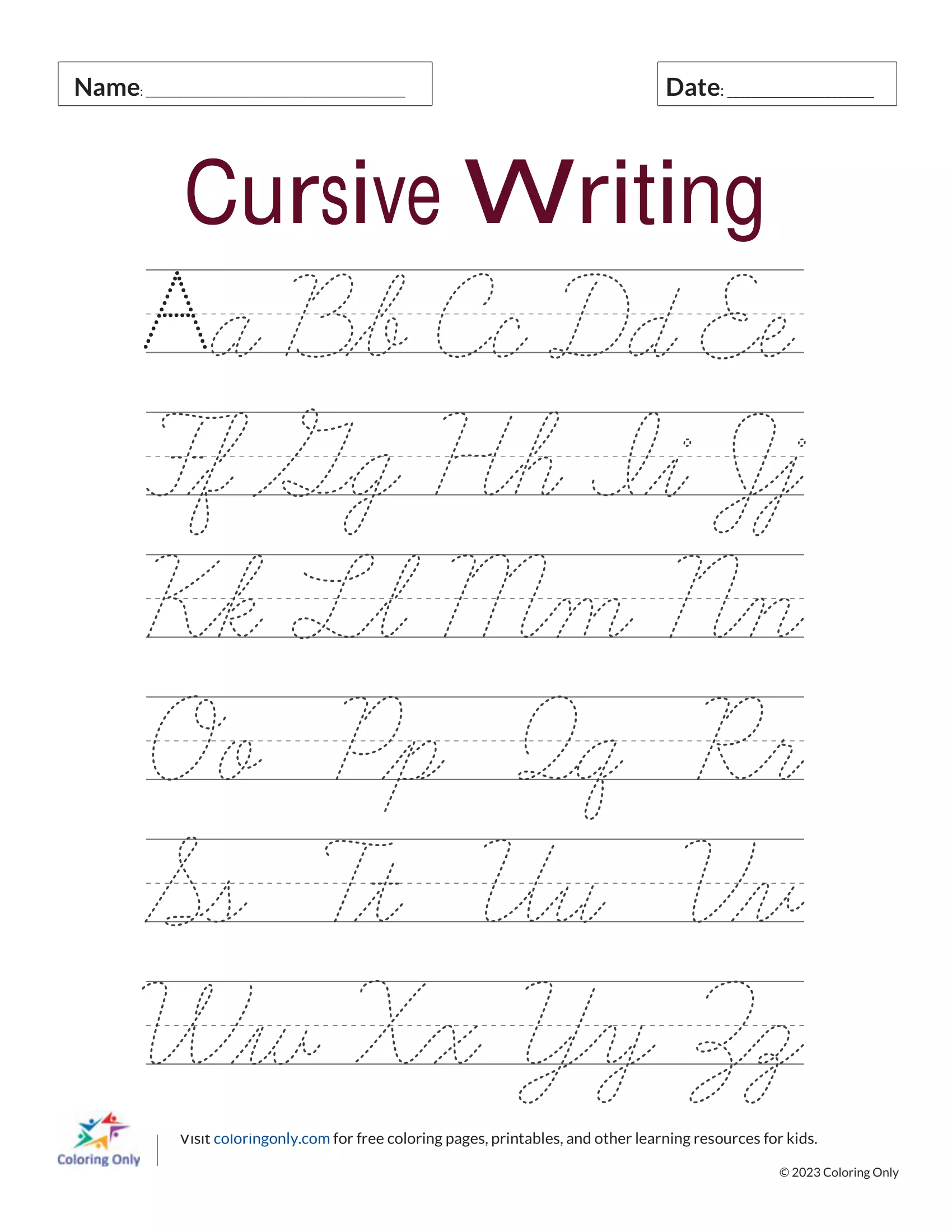
Transitioning young learners from manuscript print to continuous, flowing cursive requires careful scaffolding, steady hand control, and engaging practice materials. Children often struggle with the fluid, connected strokes that cursive demands because these movements rely heavily on intrinsic hand muscle stamina and visual-motor integration. Educators frequently observe students gripping pencils with excessive tension, causing rapid fatigue during writing tasks. The “cursive writing worksheets printable jade” resource offers a targeted, beautiful approach to mastering these continuous strokes. By focusing on correct letter formation, stroke order, and consistent spacing, this tool transforms a potentially frustrating handwriting lesson into a satisfying, confident exercise for growing hands.
💡 Educational Key Takeaways:
- Core Skill: Structured Cursive Writing Worksheets Printable Jade focused on developing pencil grip, stroke control, and early literacy/math confidence.
- Target Scope: Suited for homeschoolers, preschool, kindergarten, and elementary learners.
- Best Recommendation: Practice 10–15 minutes daily with ergonomic writing tools to reinforce muscle memory without hand fatigue.
What This Worksheet Covers
This specific printable layout targets the precise mechanics of cursive letter formation, helping children link individual letters into smooth, legible words. Developing proper cursive execution goes far beyond simply connecting dots on a page; it requires a deep understanding of fluid directional changes, baseline orientation, and proportional sizing. Students working through these pages engage in deliberate practice that reinforces muscle memory for tricky loops, humps, and entry strokes. Building foundational skills in cursive also enhances spelling retention, as the continuous physical motion of a word imprints differently on the brain compared to disjointed print letters. Exploring a broader collection of Letter Writing Worksheets provides additional practice opportunities for children refining these essential literacy mechanics.
Key Learning Outcomes
Consistent practice with structured cursive materials yields measurable improvements in fine motor control and spatial awareness. According to the American Occupational Therapy Association, functional handwriting proficiency directly supports academic success by allowing students to focus on content creation rather than the physical act of writing. Learners using the jade template systematically develop uniform slant, consistent letter height, and appropriate spacing between words. Mastery of these elements reduces visual clutter on the page and builds the writing stamina necessary for longer compositions as children progress through elementary school.
How to Use This Worksheet
Implementation requires more than simply handing a page to a child and a writing utensil. Adults should supervise initial attempts to ensure the pencil grasp remains functional, avoiding the thumb-wrap habit that restricts finger mobility. Begin by demonstrating the primary directional strokes in the air before putting graphite to paper. Encouraging children to trace the faded models slowly with an index finger builds sensory awareness of the cursive path. Once the physical motion feels familiar, learners can transition to pencils or fine-tip markers while maintaining a relaxed posture with both feet flat on the floor. For younger children still building foundational grip strength, supplementing writing sessions with activities found within Tracing Worksheets establishes the necessary pre-writing muscle control.
Practical Tips for Parents and Teachers
Setting up an optimal environment makes an immense difference in focus and execution. Slanted writing boards or inclined desktop surfaces naturally encourage an upright posture and prompt the wrist to extend into a safer, more efficient position for cursive loops. It sounds simple, and that is the point: small ergonomic adjustments often eliminate hand cramping entirely. Limit practice sessions to short, ten-minute blocks to prevent cognitive fatigue and preserve a positive attitude toward handwriting practice. Celebrating small victories, such as a perfectly formed lowercase connection or a consistent slant, reinforces intrinsic motivation.
Age-Appropriate Recommendations
Cursive instruction typically aligns with the Common Core ELA standards or developmental frameworks suggesting introduction around third grade, though advanced second graders ready for continuous strokes can also benefit with proper support. According to the National Association for the Education of Young Children, matching developmental tasks to a child’s current motor readiness prevents frustration and fosters long-term academic confidence. When introducing cursive to children who struggle with pencil pressure, pairing these sheets with exercises from Coloring Worksheets helps build the vital hand strength required for sustained writing endurance.
Handwriting proficiency strongly correlates with overall academic engagement and written expression capabilities in elementary school students — American Occupational Therapy Association
Frequently Asked Questions
Parents and educators frequently ask targeted questions regarding the implementation, downloading, and developmental benefits of structured cursive writing printables. Reviewing these common inquiries ensures seamless integration into home and classroom learning environments.
Explore More Free Printable Worksheets
Expanding a child’s practice routine with diverse learning materials keeps engagement high and skill development comprehensive. Educators and caregivers can discover additional resources by browsing through Preschool Worksheets for early learners or exploring the complete index of available Worksheets designed to support every stage of childhood education.
Developmental Milestone & Activity Table
| Development Stage | Recommended Daily Duration | Primary Learning Objective |
|---|---|---|
| Preschool & Pre-K | 10 – 15 Minutes | Pencil grip development & basic pre-stroke lines |
| Kindergarten | 15 – 20 Minutes | Letter/number formation & spatial line awareness |
| Early Elementary (Grade 1–2) | 20 – 30 Minutes | Fluency, sentence construction & neatness |
Images References