Introduction
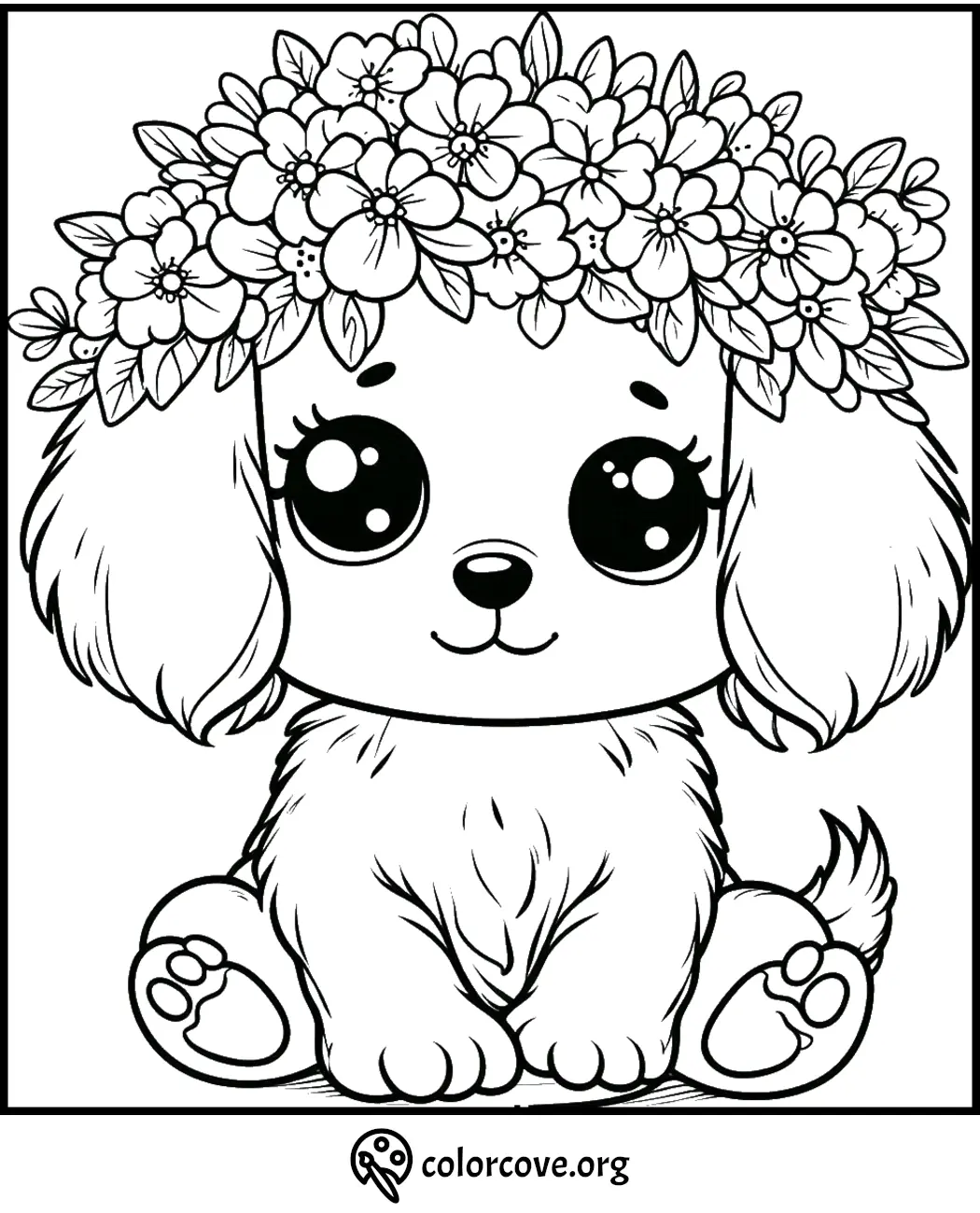
Coloring pages cute animals serve as foundational pre-writing tools that build precise fine-motor control, hand-eye coordination, and spatial awareness required for fluent manuscript and cursive letter formation. According to the National Association for the Education of Young Children (NAEYC), developmentally appropriate drawing and coloring activities build the essential intrinsic hand muscles and stability necessary for proficient pencil grasp and enduring handwriting endurance. Integrating thematic illustration resources into daily early childhood schedules bridges creative play and rigorous literacy mechanics without inducing cognitive fatigue. Educators and parents often combine these artistic exercises with preschool worksheets to establish early pencil grip habits.
Handwriting Practice Snapshot:
- Core Focus: Developing fine-motor precision and dynamic tripod grasp through guided illustration rendering.
- Target Scope: Early elementary classrooms, homeschooling environments, and pediatric occupational therapy sessions.
- Key Recommendation: Mandate controlled, boundary-respecting coloring strokes before transitioning children to standard tracing worksheets.
Core Principles and Detailed Overview
Coloring pages cute animals teach fundamental handwriting mechanics by conditioning children to execute controlled micro-movements, directional strokes, and sustained pressure modulation. When young learners color bounded geometric shapes and organic curves found in animal illustrations, their brains map the exact kinesthetic feedback needed to form uppercase and lowercase characters accurately. Furthermore, repetitive contour tracking mirrors the continuous fluid motion required for cursive loops and manuscript baseline alignments. To supplement these graphic motor foundations, instructors frequently pair visual art prompts with specialized letter writing worksheets to reinforce stroke memory.
Key Specifications and Breakdown
| Skill Level / Grade | Target Stroke / Mechanical Focus | Pedagogical / Coaching Cue |
|---|---|---|
| Early Preschool (Ages 3-4) | Macromovements, palmar grasp transition, and freeform filling. | “Keep the crayon moving continuously inside the animal’s big belly.” |
| Advanced Preschool (Ages 4-5) | Dynamic tripod grasp, perimeter tracking, and pressure control. | “Trace slowly along the black outer line of the cute animal ear.” |
| Kindergarten (Ages 5-6) | Micro-shading, directional line restraint, and baseline compliance. | “Keep all pencil shading strokes traveling in the exact same direction.” |
Developmental progression in fine motor control directly relies on sustained manipulative play and structured graphic tracing before formal academic writing is introduced. — American Occupational Therapy Association (AOTA)
Step-by-Step Practical Application and Guidelines
Utilizing illustration prompts effectively requires an intentional sequence that prioritizes mechanical accuracy over rushed artistic completion. First, inspect the learner’s pencil grip, ensuring fingers rest approximately one inch above the writing tip in a functional tripod posture. Second, direct the child to outline the perimeter of the animal shape using short, controlled strokes to establish motor boundaries. Third, encourage parallel interior shading patterns that mirror standard left-to-right reading and writing vectors. For personalized skill building, educators can integrate these artistic templates alongside name practice worksheets to maintain high engagement.
Common Challenges and How to Avoid Them
Over-gripping, excessive hand fatigue, and boundary frustration represent the most frequent obstacles encountered during early graphic rendering tasks. Children frequently press down too hard on writing instruments, leading to rapid hand cramps and distorted stroke execution; correct this by utilizing softer medium-grade pencils or crayons that glide effortlessly across paper fibers. Additionally, wandering outside printed boundaries indicates a breakdown in visual-motor integration, which can be remedied by utilizing thicker contour outlines and simpler animal shapes. For comprehensive skill reinforcement, instructors routinely source supplementary coloring worksheets that target specific developmental thresholds.
💬 Frequently Asked Questions
Explore More Free Handwriting and Character Worksheets
Maximizing early childhood literacy development requires access to diverse, high-quality pedagogical assets tailored to every learning stage. Educators, parents, and developmental specialists can discover a comprehensive library of printable resources by visiting CharacterWritingWorksheets.com for all foundational learning needs.
Printable Coloring Page Previews