Introduction
Young children often possess vast imaginations, yet translating those rich mental stories onto a blank page can feel overwhelming. The simplified narrative character sheet bridges this developmental gap by offering structured prompts that encourage early story creation without inducing pencil fatigue. Children in occupational therapy clinics frequently struggle not with ideas, but with the physical endurance required to get thoughts down on paper. Introducing a structured layout changes that dynamic entirely, transforming a frustrating writing session into an engaging creative exercise. Supporting these early literacy milestones requires tools that balance imagination with fundamental pencil control.
💡 Educational Key Takeaways:
- Core Skill: Structured Simplified Narrative Character Sheet focused on developing pencil grip, stroke control, and early literacy/math confidence.
- Target Scope: Suited for homeschoolers, preschool, kindergarten, and elementary learners.
- Best Recommendation: Practice 10–15 minutes daily with ergonomic writing tools to reinforce muscle memory without hand fatigue.
What This Worksheet Covers
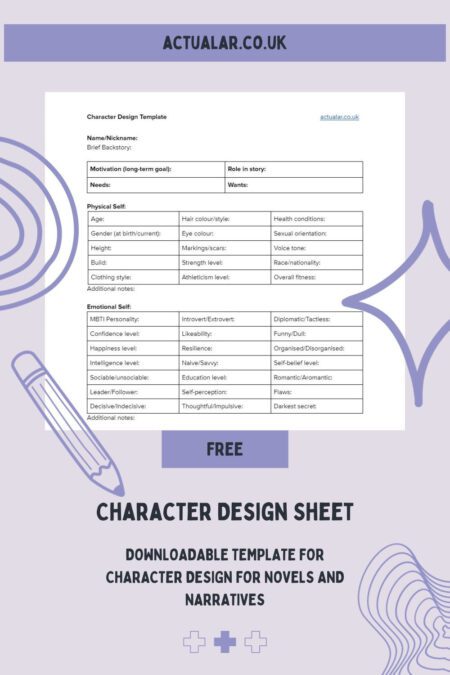
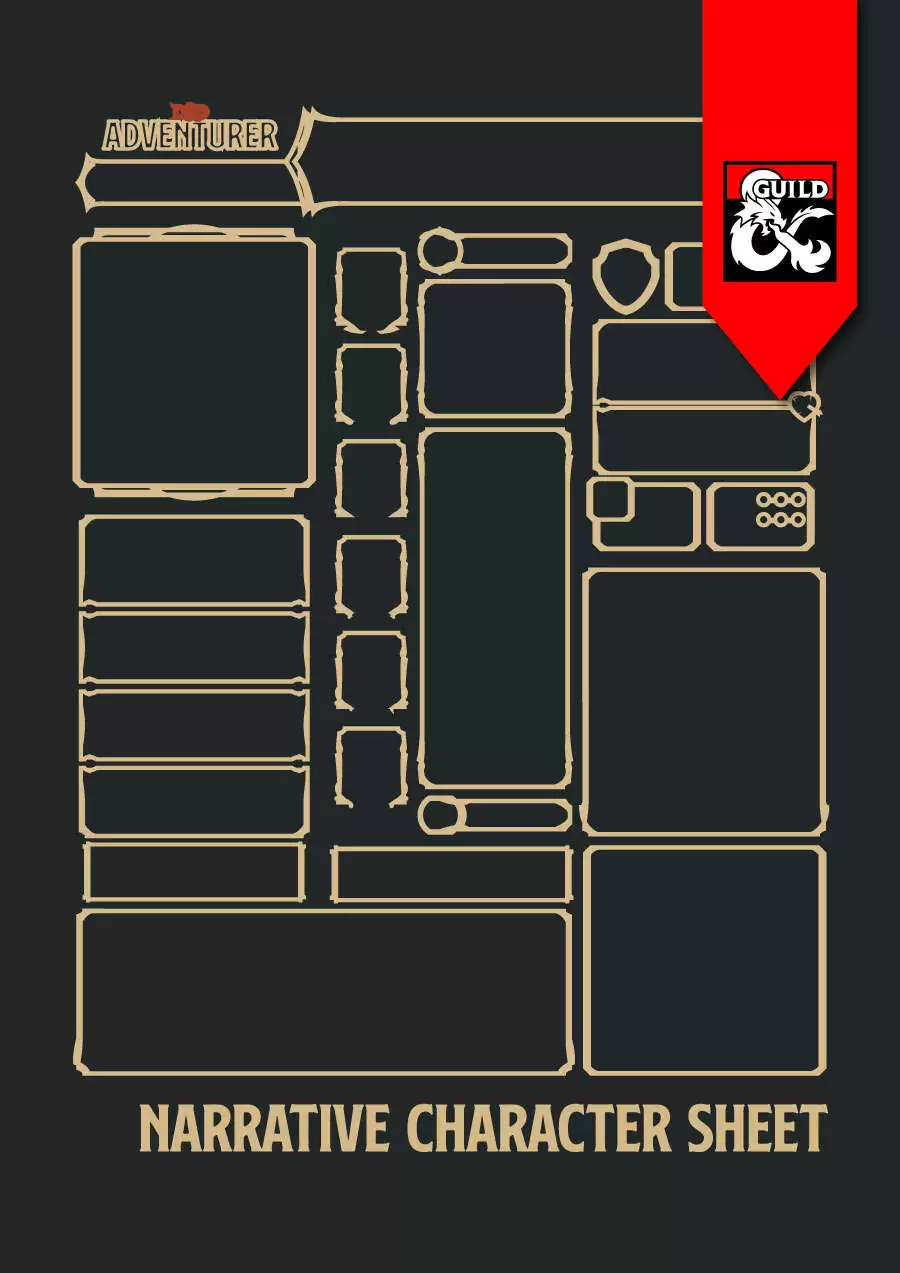
This printable resource guides children through the basics of character development, such as naming a hero, choosing a favorite color, and drawing a defining trait. It acts as an approachable entry point found among various Worksheets designed to build early writing confidence. Instead of facing an intimidating, unstructured page, young learners interact with clearly designated boxes and guided lines. According to Reading Rockets, early narrative skills form the foundation for later reading comprehension, making these foundational storytelling exercises crucial for kindergarten and early elementary success. Educators often notice that children who struggle with traditional writing prompts thrive when given a visual framework for their thoughts.
Key Learning Outcomes
Completing this activity strengthens pencil grasp, spatial awareness, and narrative sequencing all at once. Children practice letter formation as they label their characters, reinforcing the motor memory needed for legible handwriting. Furthermore, the worksheet encourages descriptive vocabulary, moving young writers beyond basic nouns into more expressive language. Educators seeking broader foundational practice often integrate materials from the Preschool Worksheets collection to prepare children for these multi-step writing tasks.
How to Use This Worksheet
Facilitating this activity begins with a brief brainstorming conversation before any writing utensils touch the paper. Adults can ask guiding questions about the character’s favorite foods or magical powers, allowing the child to dictate answers first. Once the ideas flow, the child can transition to writing words or drawing representations directly onto the sheet. Practitioners who utilize resources from the Tracing Worksheets category often find that children carry over those foundational stroke patterns smoothly into these narrative templates.
Practical Tips for Parents and Teachers
Environmental setups heavily influence a child’s writing posture and hand endurance during structured tasks. Ensure the table sits at elbow height and that feet rest flat on the floor or a stable footstool to promote core stability. If hand fatigue sets in early, allow the child to use a slightly thicker writing instrument or take short movement breaks between sections. It sounds simple, and that’s the point: a comfortable, low-pressure environment yields much better fine motor output than forcing compliance at an improper desk setup.
Age-Appropriate Recommendations
Matching the expectations of the task to the developmental stage of the child prevents frustration and burnout. According to NAEYC Developmentally Appropriate Practice guidelines, children aged five to seven benefit most from activities that combine drawing with emergent writing rather than demanding long, unbroken sentences. Kindergarteners might draw the character and write a single initial letter for their name, while first and second graders can draft complete descriptive sentences within the provided spaces. Scaffolding the experience ensures every learner experiences success regardless of their current motor skill level.
Early narrative development is strongly linked to later reading comprehension and writing proficiency — Reading Rockets
Frequently Asked Questions
Explore More Free Printable Worksheets
Expanding a child’s writing toolkit requires variety, consistency, and engaging themes that hold their attention. Educators and caregivers can access supplementary resources such as Coloring Worksheets to build hand strength and focus before tackling text-heavy assignments. Utilizing these diverse printables creates a well-rounded approach to early childhood education that supports both artistic expression and rigorous literacy development.
Developmental Milestone & Activity Table
| Development Stage | Recommended Daily Duration | Primary Learning Objective |
|---|---|---|
| Preschool & Pre-K | 10 – 15 Minutes | Pencil grip development & basic pre-stroke lines |
| Kindergarten | 15 – 20 Minutes | Letter/number formation & spatial line awareness |
| Early Elementary (Grade 1–2) | 20 – 30 Minutes | Fluency, sentence construction & neatness |
Images References