Introduction
Mastering punctuation marks and specialized symbols like the ampersand often gets pushed to the sidelines in early childhood classrooms, yet these unique characters provide incredible developmental workouts for young hands. Children in kindergarten and early elementary grades frequently stumble when transitioning from standard alphabet letters to complex punctuation symbols because these shapes demand exceptional pencil control and spatial awareness. Watching a child attempt to draw an ampersand usually reveals a fascinating glimpse into their current motor planning abilities, as the winding curves require continuous, fluid wrist movement rather than the rigid, straight-line strokes seen in basic printing. Integrating targeted punctuation practice early on prevents future frustration when writing compound sentences or formatting creative stories. Educators and parents seeking reliable resources often browse through various Worksheets to find targeted practice pages that build both manual dexterity and punctuation fluency.
💡 Educational Key Takeaways:
- Core Skill: Structured Practising Ampersand Worksheet focused on developing pencil grip, stroke control, and early literacy/math confidence.
- Target Scope: Suited for homeschoolers, preschool, kindergarten, and elementary learners.
- Best Recommendation: Practice 10–15 minutes daily with ergonomic writing tools to reinforce muscle memory without hand fatigue.
What This Worksheet Covers
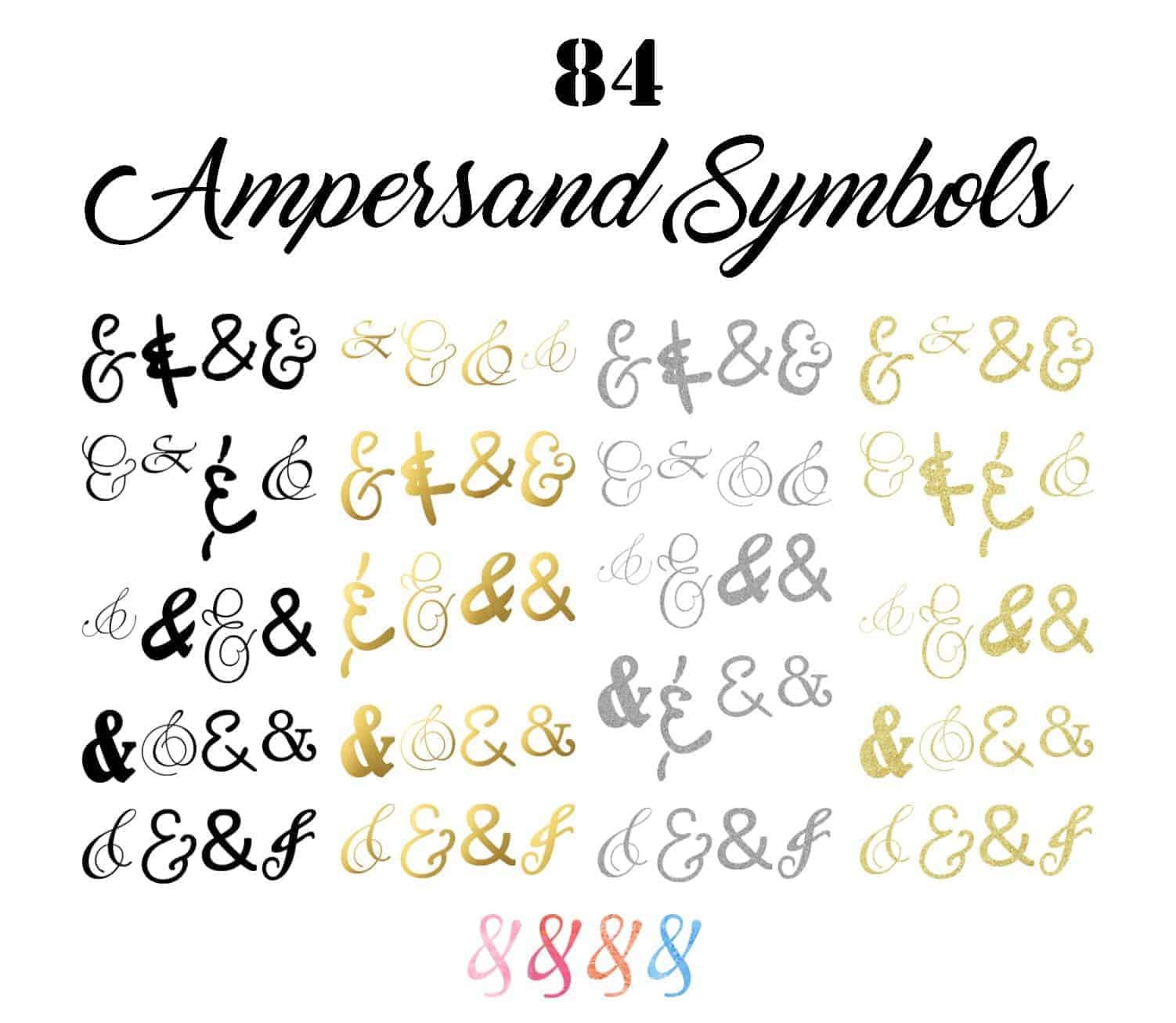
The practising ampersand worksheet delivers structured, step-by-step guidance designed to demystify one of the most visually intricate symbols in the English language. Instead of presenting an overwhelming grid of tiny characters, the layout thoughtfully breaks the ampersand down into manageable tracing paths, starting with oversized outlines that encourage gross motor shoulder engagement before moving toward refined finger movements. Children learn to coordinate their visual attention with physical hand output, navigating the delicate loop at the bottom, the crossing diagonal, and the sweeping upper curve without lifting the writing instrument. According to Reading Rockets, explicit instruction in symbol and letter formation reduces cognitive load, allowing young writers to focus on broader creative expression rather than mechanical execution. This foundational practice pairs wonderfully with traditional foundational exercises found within Tracing Worksheets collections.
Key Learning Outcomes
Targeted ampersand practice refines crucial fine motor skills that extend far beyond simple punctuation mastery. As children guide their pencils through the continuous loops of the ampersand, they actively strengthen the intrinsic muscles of the hand responsible for sustained writing endurance. Hand-eye coordination improves dramatically when learners must anticipate sharp directional changes and maintain consistent line pressure throughout a single, unbroken stroke. Furthermore, mastering this symbol reinforces spatial boundaries, teaching children how to anchor unusual shapes neatly on standard primary writing lines. For broader skill integration, many educators also incorporate Preschool Worksheets to support early spatial awareness and pencil grip habits.
How to Use This Worksheet
Successful implementation relies heavily on creating a low-stress environment where children feel comfortable making mistakes and refining their strokes over time. Begin by inviting the child to trace the oversized starter ampersands using a finger or an unsharpened pencil, talking through the directional path before touching ink or graphite to paper. Transition smoothly to writing utensils, encouraging a functional tripod grasp that promotes finger isolation and prevents early hand fatigue during longer writing sessions. Observing children in therapy sessions reveals that placing the paper on a slight slant significantly improves wrist extension and visibility, making complex continuous-line symbols much easier to execute. It sounds simple, and that’s the point: small environmental tweaks yield massive improvements in handwriting posture and execution quality.
Practical Tips for Parents and Teachers
Adults can transform a standard tracing page into an engaging, multi-sensory experience by incorporating tactile elements like textured trays or high-contrast writing tools. Children benefit immensely when adults model the stroke sequence slowly, verbalizing the physical motion—such as looping down, crossing over, and sweeping up—to create an auditory anchor for the visual task. Limit practice sessions to short, five-minute bursts to maintain high engagement and prevent the physical hand cramping that often accompanies early fine motor drills. When students require additional practice with complex strokes, integrating pages from Letter Writing Worksheets offers fantastic reinforcement for curved letter formations like ‘S’ and ‘G’ that share similar motor pathways.
Age-Appropriate Recommendations
Introducing specialized symbols requires careful alignment with developmental readiness rather than strict chronological age, ensuring children possess the necessary hand strength and visual-motor integration. According to the American Occupational Therapy Association, foundational pre-writing strokes and basic shape imitation must precede complex symbol formation to prevent joint strain and frustration. Within the framework of Common Core ELA standard L.K.2, young learners gradually acquire command of standard capitalization, punctuation, and spelling when age-appropriate mechanics are introduced systematically. Kindergarteners and first-graders typically thrive with this specific worksheet once they demonstrate consistent control over standard lowercase manuscript letters.
Explicit instruction in fine motor mechanics and symbol formation significantly reduces cognitive fatigue and improves overall writing fluency in early elementary students — American Occupational Therapy Association
Frequently Asked Questions
The following answers address common questions regarding the downloading, printing, and educational application of this specialized fine motor resource.
Structured fine motor and symbol tracing exercises directly support neural pathway development for complex writing tasks — National Center for Learning Disabilities
Explore More Free Printable Worksheets
Expanding a child’s collection of learning materials ensures well-rounded development across all early literacy and fine motor domains. Beyond punctuation practice, exploring specialized writing resources helps maintain high engagement and continuous skill progression throughout the school year. Educators and parents can easily access additional free resources by browsing through comprehensive directories like Name Practice Worksheets to build personalized literacy toolkits.
Developmental Milestone & Activity Table
| Development Stage | Recommended Daily Duration | Primary Learning Objective |
|---|---|---|
| Preschool & Pre-K | 10 – 15 Minutes | Pencil grip development & basic pre-stroke lines |
| Kindergarten | 15 – 20 Minutes | Letter/number formation & spatial line awareness |
| Early Elementary (Grade 1–2) | 20 – 30 Minutes | Fluency, sentence construction & neatness |
Images References