Introduction
Young learners frequently struggle to bridge the gap between spoken storytelling and written narrative structure. Narrative comprehension forms the bedrock of early literacy, yet organizing a sequence of events onto a physical page challenges many developing minds and hands. A plot mountain graphic organizer serves as a visual bridge, transforming abstract story elements into a concrete topographic map. Children naturally grasp the concept of climbing up to an exciting peak and sliding down to a resolution when it is mapped out spatially. This spatial representation reduces cognitive load, allowing young writers to focus simultaneously on story architecture and the physical act of transcription. Educators often observe that children who stumble over verbal recaps suddenly find clarity when a structured visual template guides their pencil across the paper. Mastering narrative arcs early on establishes critical cognitive habits that support later reading comprehension and composition skills. Exploring supplemental resources like Preschool Worksheets helps build these foundational literacy patterns before formal writing begins.
💡 Educational Key Takeaways:
- Core Skill: Structured Plot Mountain Graphic Organizer focused on developing pencil grip, stroke control, and early literacy/math confidence.
- Target Scope: Suited for homeschoolers, preschool, kindergarten, and elementary learners.
- Best Recommendation: Practice 10–15 minutes daily with ergonomic writing tools to reinforce muscle memory without hand fatigue.
What This Worksheet Covers
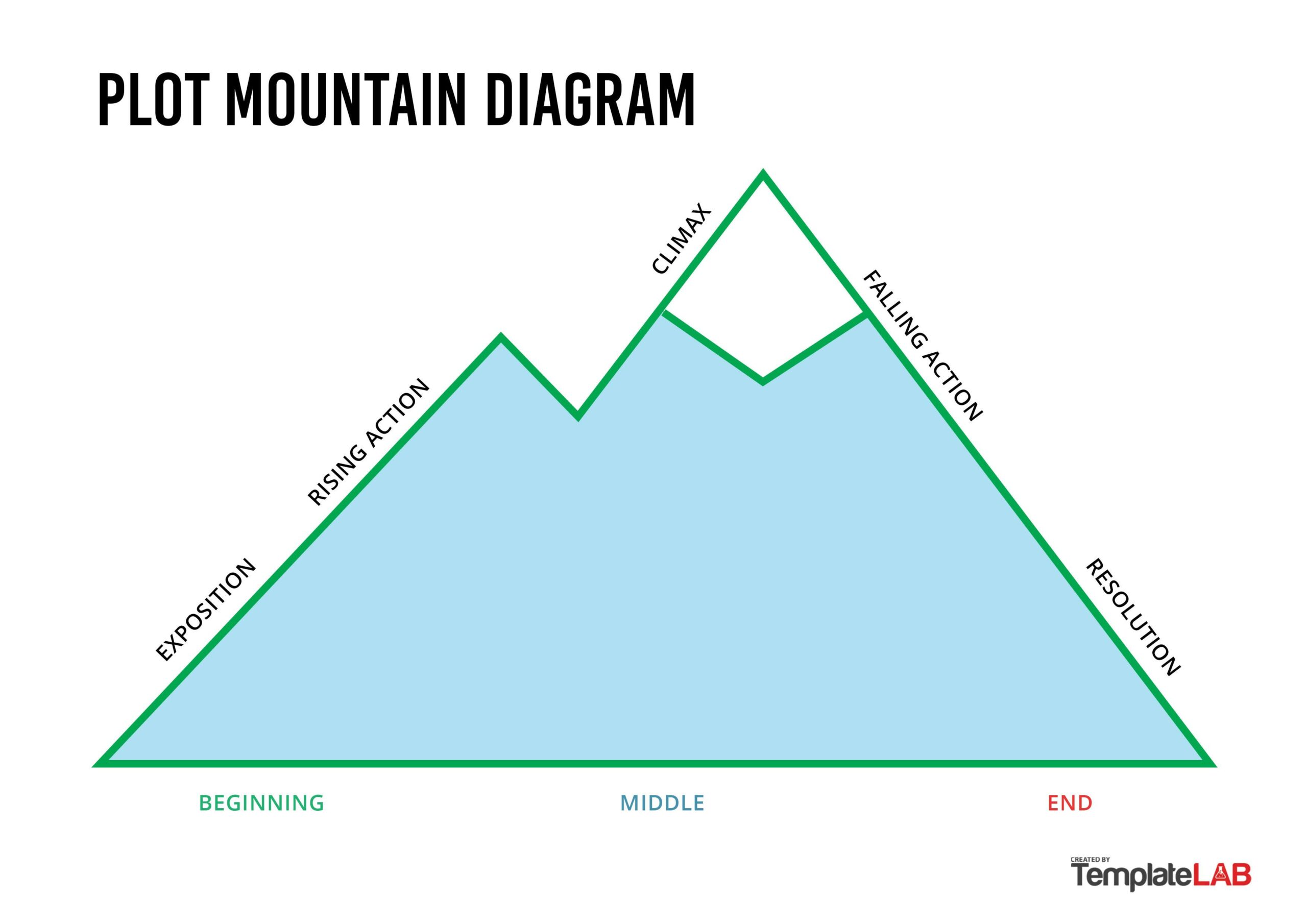
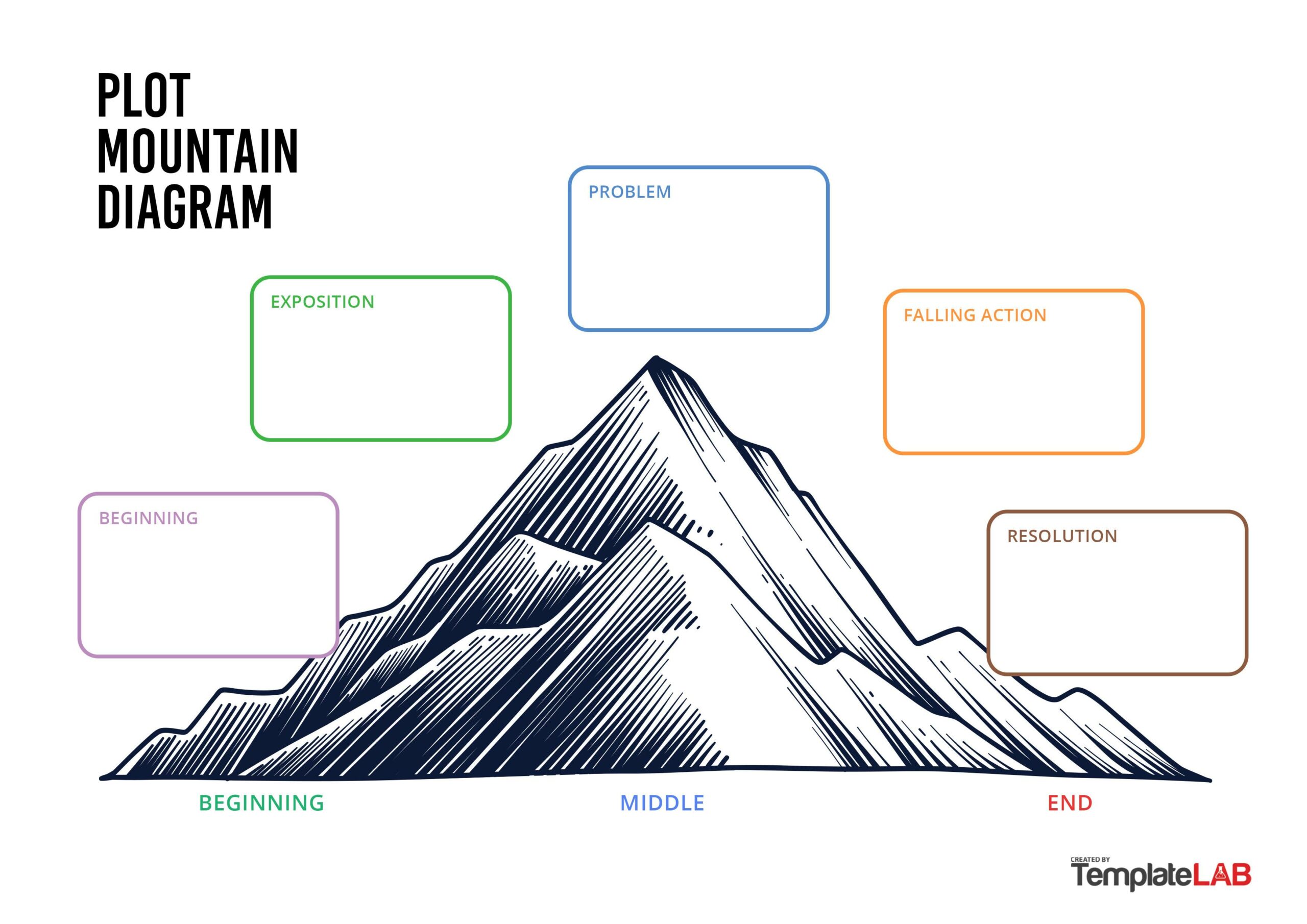
Visual storytelling tools require targeted guidance to maximize educational impact. This specific organizer breaks down a complete narrative into five distinct architectural zones: exposition, rising action, climax, falling action, and resolution. Each section provides dedicated writing space accompanied by directional line cues that support proper letter formation and baseline alignment. Integrating narrative structure with physical writing practice addresses multiple developmental domains in a single session. According to Reading Rockets, early narrative mapping significantly enhances a child’s ability to comprehend complex story structures and retell stories with accurate sequencing. Beyond narrative theory, the physical interaction with the page refines bilateral hand coordination, requiring one hand to stabilize the paper while the dominant hand executes controlled pencil strokes. Children navigating these graphic layouts learn to organize their thoughts sequentially while simultaneously practicing pencil grip endurance and spatial awareness on the sheet.
Key Learning Outcomes
Targeted execution of this printable yields measurable progress across several key developmental indicators. Learners systematically identify narrative turning points, distinguishing minor background details from central plot conflicts. Sequential writing exercises reinforce left-to-right progression, proper letter spacing, and consistent sizing within defined boundaries. Fine motor stamina improves visibly as children sustain a functional tripod or quadrupod grasp across the multi-step writing process required to fill the organizer. Furthermore, young authors build narrative vocabulary, applying transitional words that denote time and cause-and-effect relationships. It sounds simple, and that’s the point: stripping narrative creation down to its foundational components prevents cognitive overload. Pairing this activity with targeted Tracing Worksheets further refines the hand control needed for smooth pencil navigation.
How to Use This Worksheet
Successful implementation relies on scaffolding the learning experience rather than handing over a blank sheet and expecting an immediate finished story. Adults should begin by reading a familiar picture book together, pausing explicitly to identify where the story begins, when the tension builds, and how the problem resolves. Once the concepts are anchored in a known text, children transfer those observations onto the organizer, starting at the base of the mountain and working upward. Therapists frequently notice that children press too hard when stuck on what to write; modeling flexible thinking and gentle pencil pressure during the drafting phase prevents hand fatigue. Encouraging the use of quick sketches inside the mountain zones before adding written words helps pre-writers organize ideas without getting bogged down by spelling mechanics. Additional skill reinforcement can be found by integrating Name Practice Worksheets into daily writing routines to establish strong baseline habits.
Practical Tips for Parents and Teachers
Creating an optimal workspace directly influences fine motor output and sustained focus during writing tasks. Ensure the child’s feet rest flat on the floor and the table sits at elbow height to promote stable core posture and relaxed hand muscles. Using a slanted writing board can also naturally encourage an efficient wrist extension, which protects developing joints from strain during extended writing sessions. If a child demonstrates hand fatigue midway through filling out the mountain peak, pause for finger stretches or a brief hand-shaking break before tackling the resolution. Breaking the activity into manageable chunks—such as completing the exposition and rising action on day one, followed by the climax and resolution on day two—keeps frustration low and engagement high. Educators seeking a broader selection of writing supports will find diverse options available through the main index of Worksheets.
Age-Appropriate Recommendations
Developmental expectations must guide how adults utilize this graphic organizer across different age groups. According to NAEYC Developmentally Appropriate Practice guidelines, instructional strategies should align with children’s current motor capabilities and cognitive readiness levels. For younger children around ages five and six, the focus should remain heavily on dictation and drawing, where the adult records the child’s verbal narrative onto the map while the child handles the physical tracing or coloring elements. By ages seven and eight, children are typically ready to independently generate short sentences for each plot point, requiring more emphasis on spelling, punctuation, and handwriting legibility. Recognizing these developmental shifts ensures that expectations remain challenging yet achievable, fostering a lifelong enjoyment of creative composition.
Early narrative mapping significantly enhances a child’s ability to comprehend complex story structures and retell stories with accurate sequencing. — Reading Rockets
Frequently Asked Questions
How do I download and print the plot mountain graphic organizer? Simply click the download button on the resource page to save the PDF file to your device, then print it using standard letter-sized paper at 100% scale.
How does this worksheet support fine motor development? Writing within structured boundaries requires sustained visual-motor integration, precise finger manipulation, and regulated pencil pressure to build hand strength and endurance.
What does the National Association for the Education of Young Children recommend for early writing? According to the National Association for the Education of Young Children, early writing experiences should integrate meaningful literacy tasks with playful, hands-on motor skill development.
Early writing experiences should integrate meaningful literacy tasks with playful, hands-on motor skill development. — National Association for the Education of Young Children (NAEYC)
Explore More Free Printable Worksheets
Expanding a child’s writing toolkit requires access to a diverse array of targeted practice materials. Beyond narrative mapping, young learners benefit immensely from varied exercises that address specific pencil grip mechanics and letter formation patterns. Exploring specialized materials like Letter Writing Worksheets provides essential repetition for alphabet mastery. Similarly, incorporating playful design elements through Coloring Worksheets helps build the intrinsic hand strength required for fatigue-free writing across the elementary school years.
Developmental Milestone & Activity Table
| Development Stage | Recommended Daily Duration | Primary Learning Objective |
|---|---|---|
| Preschool & Pre-K | 10 – 15 Minutes | Pencil grip development & basic pre-stroke lines |
| Kindergarten | 15 – 20 Minutes | Letter/number formation & spatial line awareness |
| Early Elementary (Grade 1–2) | 20 – 30 Minutes | Fluency, sentence construction & neatness |
Images References