Introduction
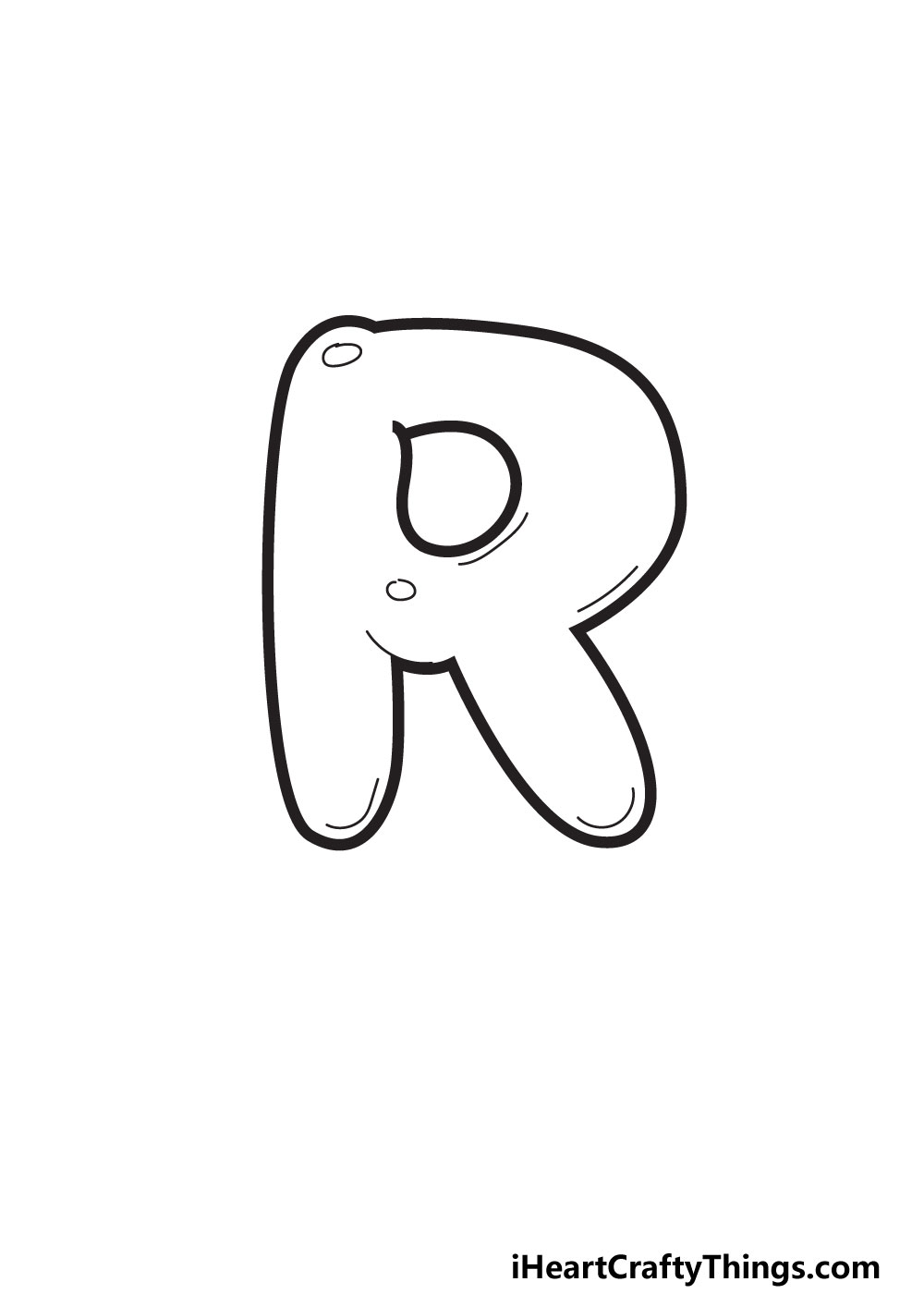
Mastering the lowercase letter r is a quiet milestone in early childhood literacy and motor control. Children often stumble over the tricky hook and vertical drop, making targeted practice essential for building lifelong writing confidence. When young learners encounter the lowercase bubble r worksheet, they do not just see a letter; they meet a friendly, tactile shape ready for creative exploration. Occupational therapy clinics and kindergarten classrooms frequently notice how standard lined paper can frustrate children whose hand muscles are still developing. Large, rounded bubble letters remove the immediate pressure of strict baseline boundaries, allowing children to focus entirely on fluid pencil movement. According to Reading Rockets, early letter recognition and formation are foundational building blocks that directly correlate with future reading fluency and spelling success. Integrating engaging resources into daily routines transforms a potentially frustrating handwriting drill into an inviting, playful activity that supports overall school readiness.
💡 Educational Key Takeaways:
- Core Skill: Structured Lowercasse Bubble R focused on developing pencil grip, stroke control, and early literacy/math confidence.
- Target Scope: Suited for homeschoolers, preschool, kindergarten, and elementary learners.
- Best Recommendation: Practice 10–15 minutes daily with ergonomic writing tools to reinforce muscle memory without hand fatigue.
What This Worksheet Covers
The free lowercase bubble r resource bridges the gap between artistic coloring and structured letter tracing. Children trace the thick outer boundaries of the letter, which naturally reinforces the correct stroke sequence without the claustrophobia of narrow handwriting lines. The bold outlines serve as a visual containment border, helping young hands calibrate the pressure and direction needed for controlled pencil manipulation. Educators utilizing these materials often observe children spontaneously sounding out the phonetic /r/ sound while coloring the interior space, bridging visual art with auditory phonics instruction. Beyond a simple alphabet exercise, this printable acts as a comprehensive pre-writing tool that addresses visual-motor integration and spatial awareness. Exploring foundational resources like Tracing Worksheets further expands these essential pre-writing strokes and line accuracy skills.
Key Learning Outcomes
Completing this specific alphabet page fosters several targeted developmental milestones simultaneously. Hand-eye coordination improves significantly as children navigate the curved contours and sharp corners inherent in the letter shape. Fine motor endurance builds naturally because filling in or tracing a bubble letter requires sustained concentration and intrinsic muscle engagement in the hand. Furthermore, cognitive retention of the lowercase r shape solidifies through multisensory engagement, combining visual tracking with tactile feedback. Children learn to anticipate directional changes in their pencil strokes, an invisible cognitive step that prevents letter reversals later in elementary school. For additional skill-building ideas, browsing collections such as Preschool Worksheets provides complementary activities tailored for early childhood development.
How to Use This Worksheet
Implementation requires flexibility tailored to the unique developmental stage of each child. Beginners might start by tracing the bold outlines using thick markers, colorful crayons, or even finger paints to emphasize the tactile boundaries of the letter. Once finger dexterity and pencil control advance, learners can transition to colored pencils, filling the bubble interior with tiny patterns or textured shading to refine fine motor control. It sounds simple, and that is the exact point; low-stress formats lower anxiety around writing tasks. Educators can laminate the printable or slide it into a reusable dry-erase pocket, allowing children multiple attempts to perfect their strokes without the fear of making a permanent mistake. Integrating targeted writing guides like Letter Writing Worksheets ensures a seamless progression from bubble outlines to standard manuscript lines.
Practical Tips for Parents and Teachers
Adult observation during the activity offers invaluable insights into a child’s developing grip and posture. Watch for a functional grasp, ensuring fingers remain flexible rather than locked in a rigid, white-knuckle fist. Encourage children to start the vertical stroke of the r at the top, sliding down before bouncing back up to create the characteristic curve. If fatigue sets in quickly, pause the session; forcing fine motor tasks past the point of muscle tiredness often leads to poor habits and hand cramping. Group settings benefit from turning the tracing exercise into a collaborative art project, where children cut out their completed bubble letters to assemble a classroom alphabet banner.
Age-According Recommendations
Aligning instructional materials with established developmental frameworks ensures that expectations match neurological and physical maturity. According to the National Association for the Education of Young Children (NAEYC) standards for developmentally appropriate practice, learning experiences for children ages three to six should prioritize hands-on, multisensory engagement over rote memorization. Younger preschoolers thrive when using the bubble format as a sensory coloring page to strengthen grip strength, while older kindergarteners can use the internal space for independent pencil control and letter formation practice. According to the American Occupational Therapy Association (AOTA), mastering pre-writing strokes and shape manipulation between ages four and six is a critical predictor of academic success in primary grades.
Mastery of foundational pre-writing strokes and fine motor control between ages four and six directly predicts subsequent handwriting legibility and academic endurance in primary grades — American Occupational Therapy Association (AOTA)
Frequently Asked Questions
Clear answers to common inquiries help caregivers maximize the educational impact of these printable resources at home or inside the classroom environment.
Explore More Free Printable Worksheets
Expanding an early childhood curriculum requires a diverse array of accessible, high-quality resources. Children develop best when exposed to varied practice formats that keep engagement high and frustration low. Discovering additional materials like Coloring Worksheets or exploring the broader library of Worksheets provides endless opportunities to support comprehensive fine motor and literacy development across all learning stages.
Developmental Milestone & Activity Table
| Development Stage | Recommended Daily Duration | Primary Learning Objective |
|---|---|---|
| Preschool & Pre-K | 10 – 15 Minutes | Pencil grip development & basic pre-stroke lines |
| Kindergarten | 15 – 20 Minutes | Letter/number formation & spatial line awareness |
| Early Elementary (Grade 1–2) | 20 – 30 Minutes | Fluency, sentence construction & neatness |
Images References