Introduction
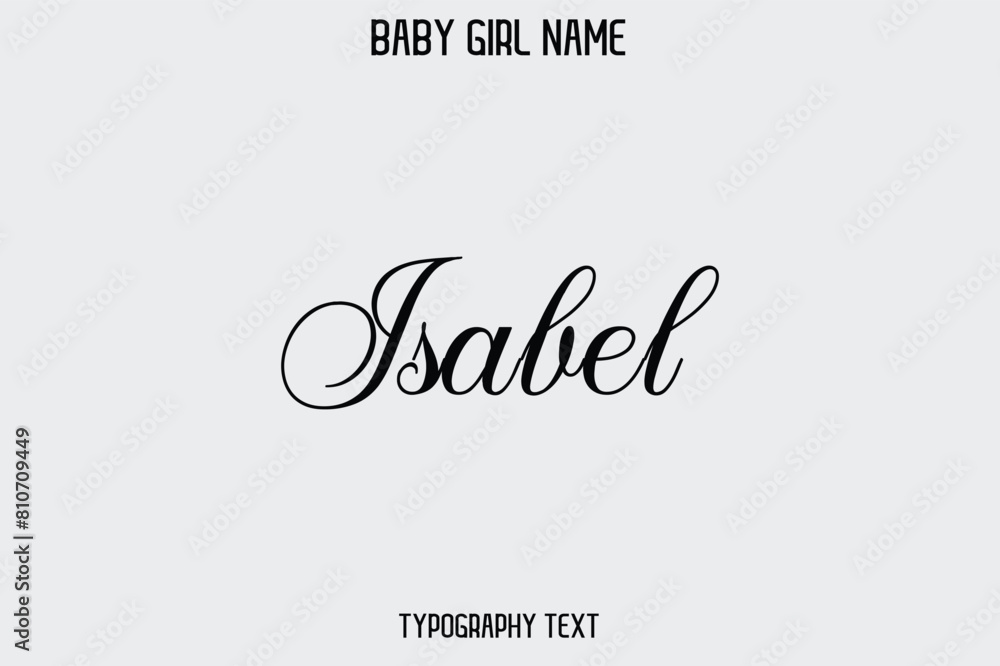
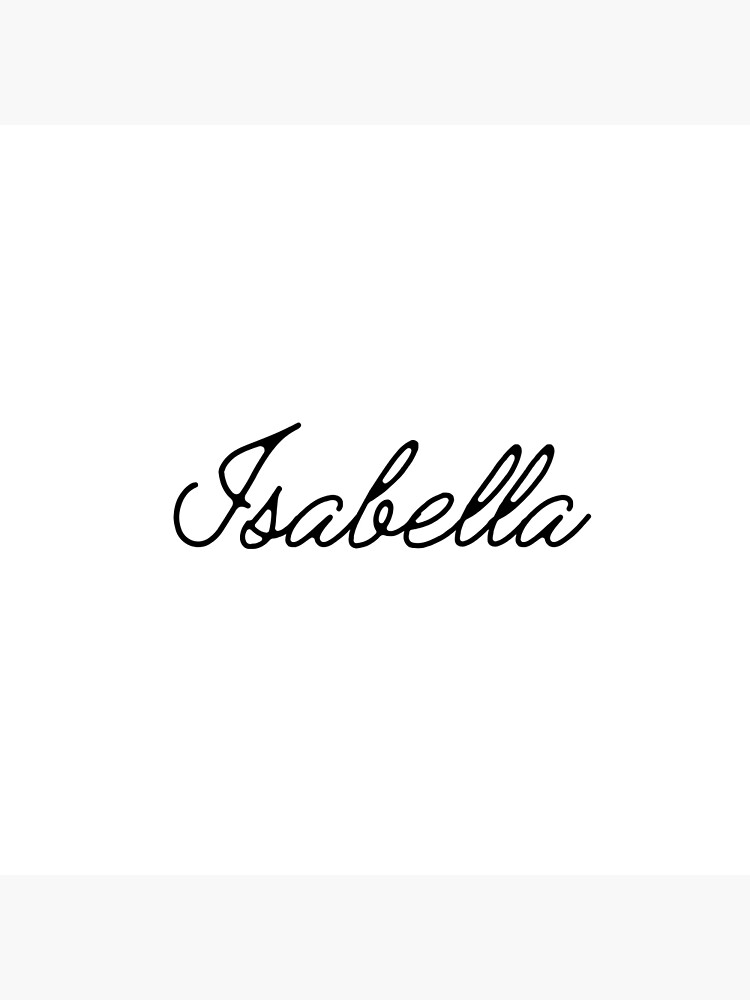
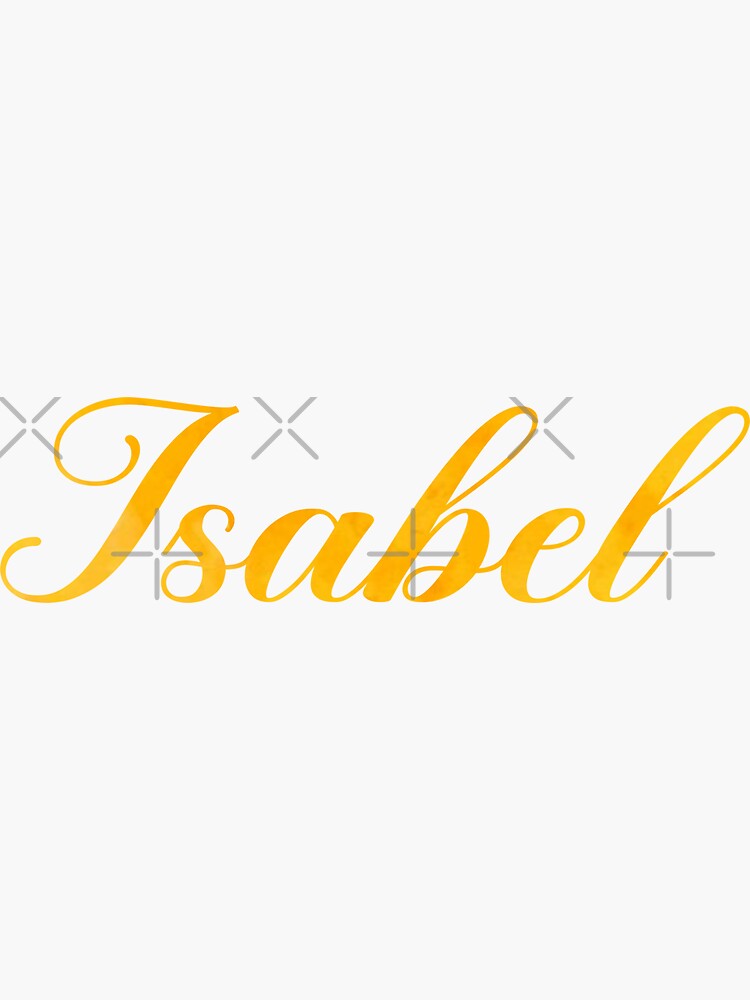
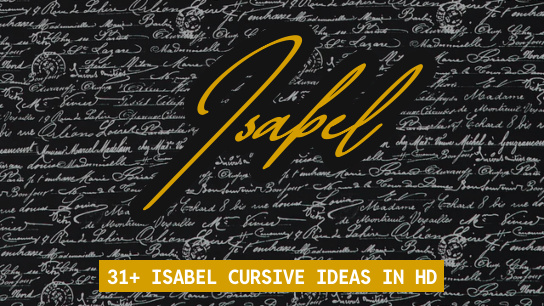
Mastering cursive writing represents a significant milestone in elementary education, bridging early literacy with advanced motor planning. The free printable worksheet “isabel name in cursive” offers a targeted approach for children learning to connect individual letters smoothly. Educators often observe that young learners hold their breath when first attempting connected script, tightening their shoulders as they navigate the looping paths of traditional handwriting. Transitioning from print to cursive requires refined finger dexterity and continuous visual-motor coordination, making personalized name practice an ideal entry point. Children naturally engage more deeply with literacy tasks when the target text spells out their own identity or the name of a peer. Utilizing structured Name Practice Worksheets transforms abstract loops and slants into a meaningful, personalized exercise that builds lasting pencil control and letter recognition.
💡 Educational Key Takeaways:
- Core Skill: Structured Isabel Name In Cursive focused on developing pencil grip, stroke control, and early literacy/math confidence.
- Target Scope: Suited for homeschoolers, preschool, kindergarten, and elementary learners.
- Best Recommendation: Practice 10–15 minutes daily with ergonomic writing tools to reinforce muscle memory without hand fatigue.
What This Worksheet Covers
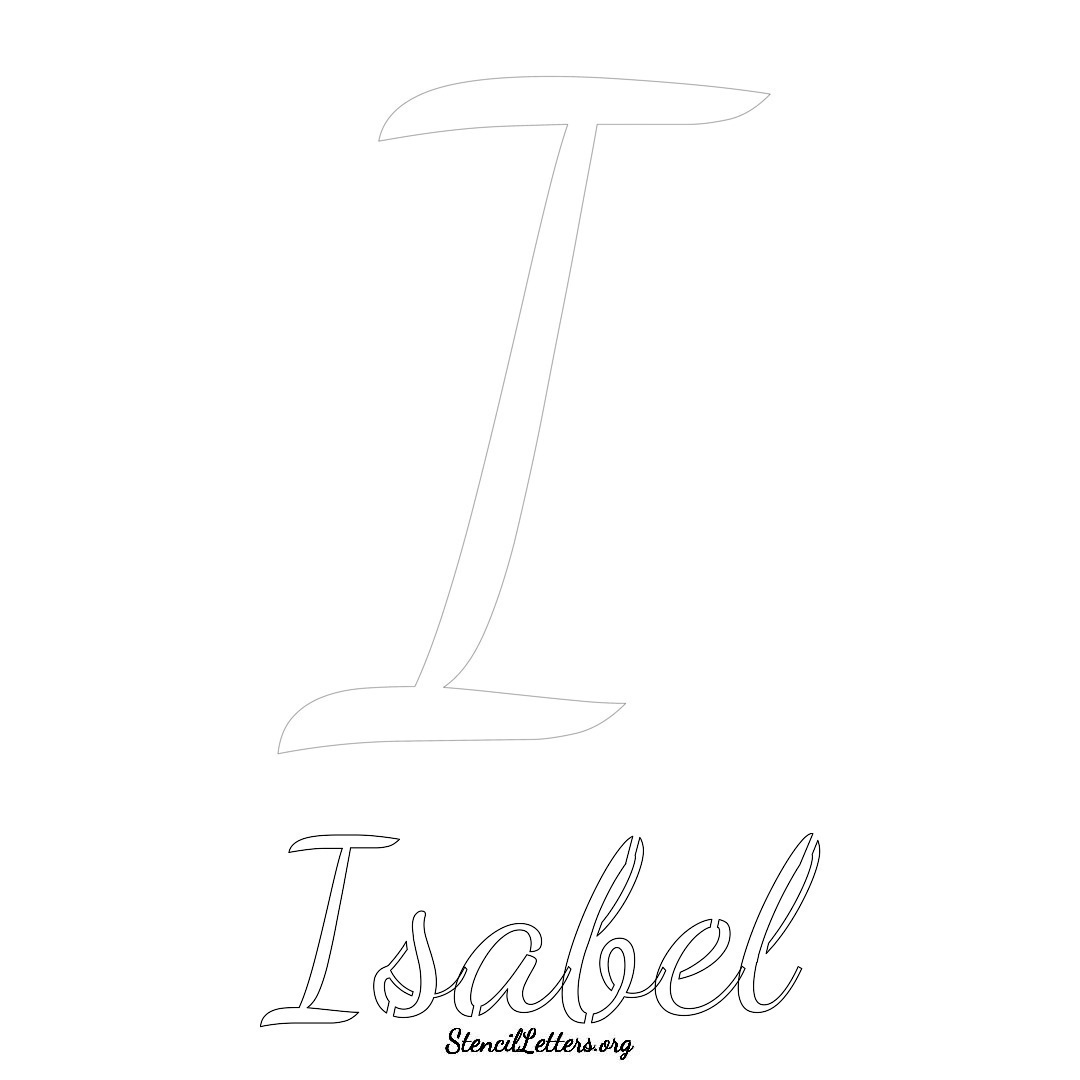
The targeted layout focuses entirely on the fluid formation of the name Isabel, guiding the hand through specific diagonal strokes, entry lines, and exit tails. Every letter in this sequence demands precise control over the pencil tip, challenging the intrinsic muscles of the hand to maintain a steady pressure across the page. Observing a child trace these specific curves reveals much about their current postural stability and grasp patterns. It sounds simple, and that’s the point: repetition of a single, highly relevant word reduces cognitive load, allowing the brain to focus strictly on kinetic memory and spatial orientation. Beyond basic handwriting drills, this resource integrates seamlessly with broader Letter Writing Worksheets designed to reinforce proper stroke order and baseline adherence for early writers.
Key Learning Outcomes
Working through this guided script sheet helps children internalize directional habits that prevent common reversals and erratic letter sizing. According to Reading Rockets, early handwriting instruction significantly reinforces phoneme-grapheme correspondence and boosts overall reading fluency by solidifying the physical shape of letters in the child’s memory. As learners repeatedly trace the capital ‘I’ flowing directly into the lowercase ‘s’, ‘a’, ‘b’, ‘e’, and ‘l’, they develop an intuitive sense of proportional spacing and rhythmic pacing. This continuous movement trains the hand to glide across the paper without unnecessary lifting, fostering a fluid writing style that supports future academic productivity and speed. Related guide: Generator Kingdoms Name.
How to Use This Worksheet
Successful implementation begins long before the pencil touches the paper, requiring careful attention to the child’s seating posture and paper angle. Feet should rest flat on the floor, and the non-dominant hand must stabilize the page while the working hand grips the writing utensil with a relaxed tripod or adapted grasp. Adults should model the correct continuous motion first, demonstrating how the pencil never leaves the page until the entire name is complete. Providing a lightweight clipboard or angling the desk surface can drastically improve wrist extension and comfort. For broader foundational practice before introducing complex cursive links, educators frequently incorporate targeted Tracing Worksheets to build underlying line accuracy and pencil control.
Practical Tips for Parents and Teachers
Short, frequent practice sessions yield far better neural adaptations than marathon writing drills that induce hand fatigue and frustration. Laminating the sheet or placing it inside a clear dry-erase sleeve allows children to trace the name multiple times with a marker, eliminating the fear of making permanent mistakes. Occupational therapists frequently recommend placing a small vertical wedge or colorful sticker on the paper to remind learners where the writing cycle begins. Celebrating small victories, such as a smoothly rounded loop on the letter ‘b’, reinforces positive emotional associations with writing tasks. When children struggle with early motor coordination, pairing these writing exercises with specialized Coloring Worksheets helps build intrinsic hand strength and grip endurance in an engaging format.
Age-Appropriate Recommendations
Introducing cursive name writing is most effective for children in the late kindergarten through second-grade developmental window, typically aligning with established fine motor milestones. According to the National Association for the Education of Young Children (NAEYC) Developmentally Appropriate Practice guidelines, learning experiences should match the child’s current motor capabilities and cognitive readiness rather than relying on strict chronological age alone. Younger preschoolers benefit more from gross motor pre-writing strokes found in foundational Preschool Worksheets, while second graders can successfully refine the precise connections required for cursive mastery. Matching the complexity of the writing task to the child’s current grasp development ensures steady progress without physical strain.
Early handwriting instruction significantly reinforces phoneme-grapheme correspondence and boosts overall reading fluency. — Reading Rockets
Frequently Asked Questions
Parents and educators often have specific questions regarding the best ways to incorporate cursive handwriting resources into daily routines and learning environments.
Fine motor practice builds intrinsic hand muscle strength and visual-motor integration necessary for academic success. — American Occupational Therapy Association (AOTA)
Explore More Free Printable Worksheets
Expanding a child’s writing toolkit requires access to a diverse variety of practice materials that grow alongside their developing capabilities. Exploring the complete collection of free Worksheets ensures parents, teachers, and caregivers can always find the exact resource needed to support handwriting, literacy, and fine motor growth at every stage of early childhood.
Developmental Milestone & Activity Table
| Development Stage | Recommended Daily Duration | Primary Learning Objective |
|---|---|---|
| Preschool & Pre-K | 10 – 15 Minutes | Pencil grip development & basic pre-stroke lines |
| Kindergarten | 15 – 20 Minutes | Letter/number formation & spatial line awareness |
| Early Elementary (Grade 1–2) | 20 – 30 Minutes | Fluency, sentence construction & neatness |
Images References