Introduction
Developing foundational fine motor skills often requires bridging the gap between playful art activities and structured academic tasks. Many young learners struggle when transitioned abruptly from open-ended drawing to rigid writing lines. Hybrid writing worksheets bridge this developmental gap by merging creative elements with intentional stroke practice. Observation in early childhood environments consistently reveals that children who engage in multimodal paper tasks display greater spatial awareness and reduced hand fatigue. According to the American Occupational Therapy Association, foundational hand strength and dexterity developed through varied pencil tasks are essential precursors to academic success.
💡 Educational Key Takeaways:
- Core Skill: Structured Hybrid Writing Worksheets focused on developing pencil grip, stroke control, and early literacy/math confidence.
- Target Scope: Suited for homeschoolers, preschool, kindergarten, and elementary learners.
- Best Recommendation: Practice 10–15 minutes daily with ergonomic writing tools to reinforce muscle memory without hand fatigue.
What This Worksheet Covers
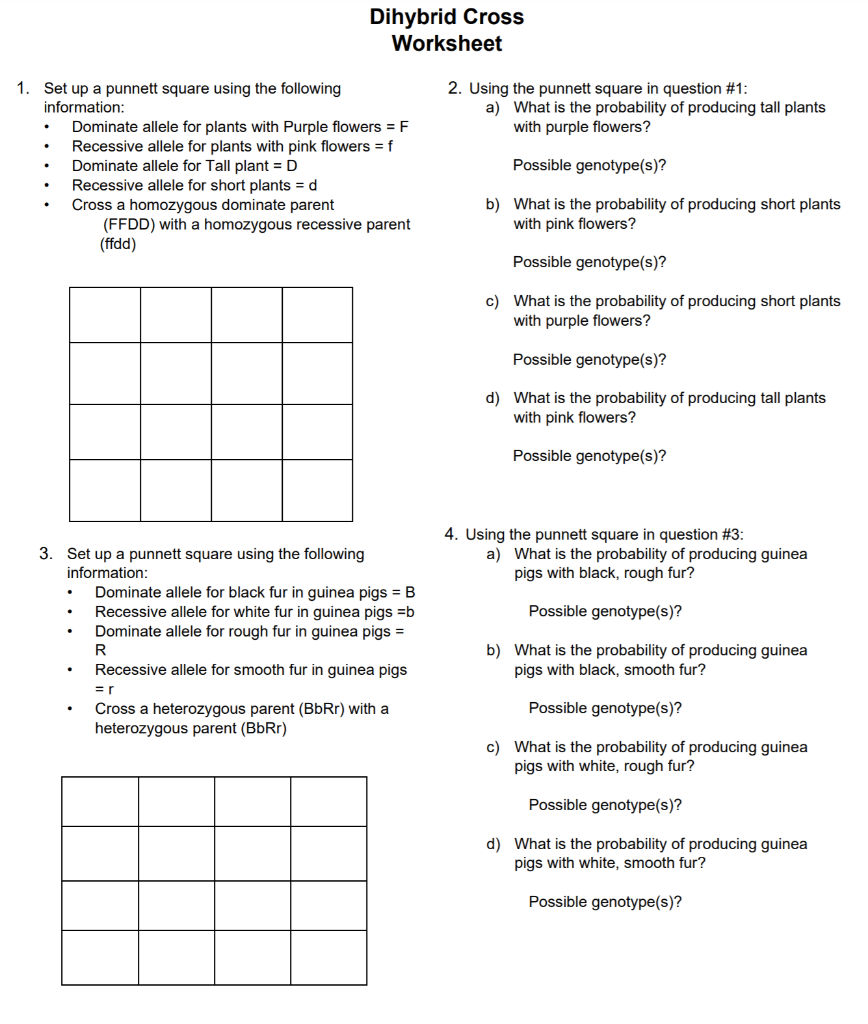
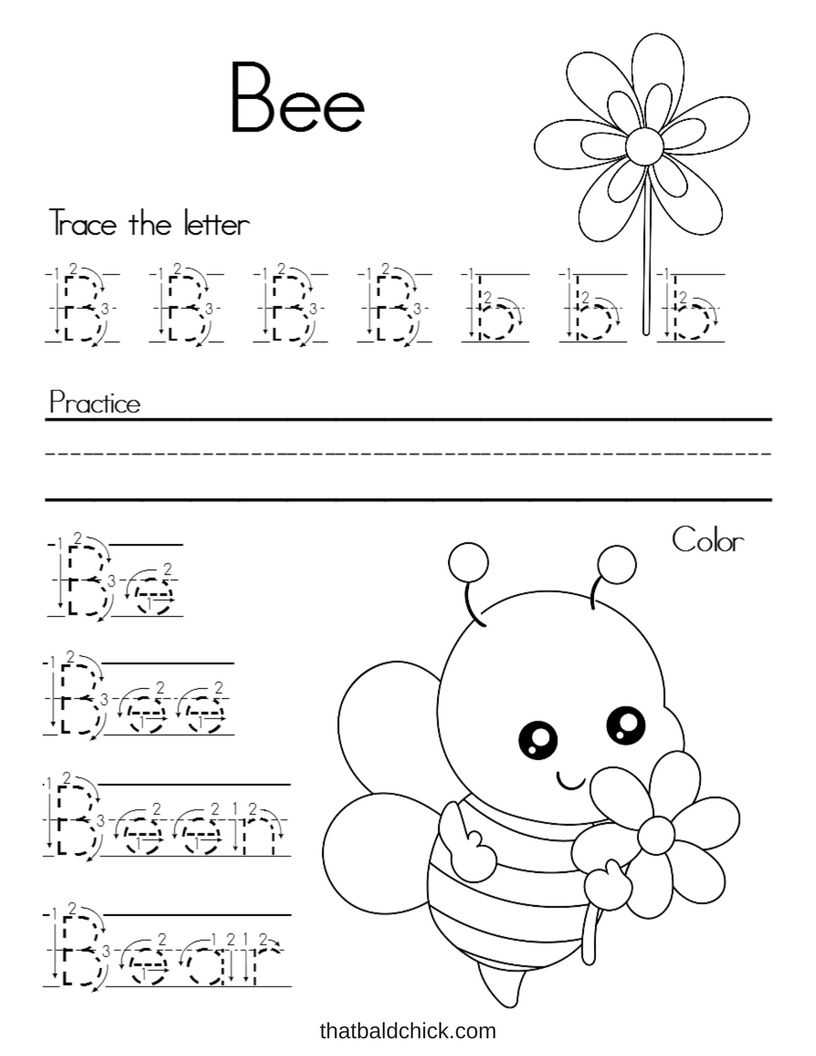
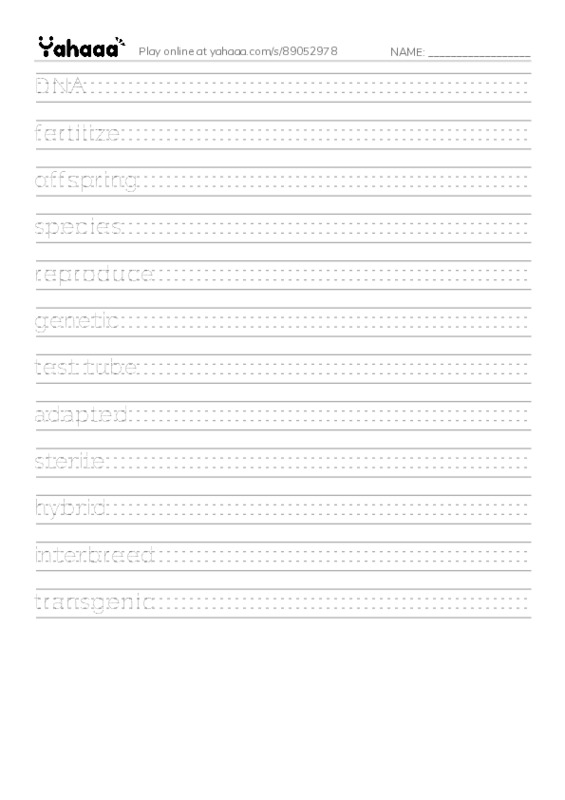
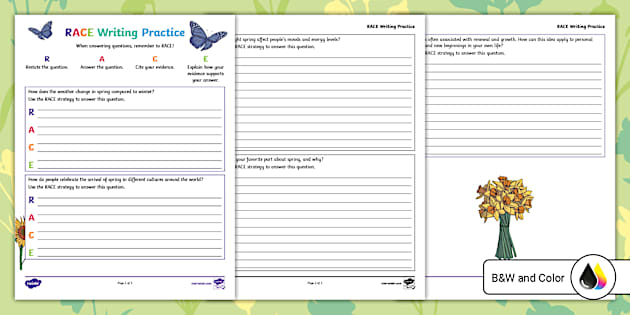
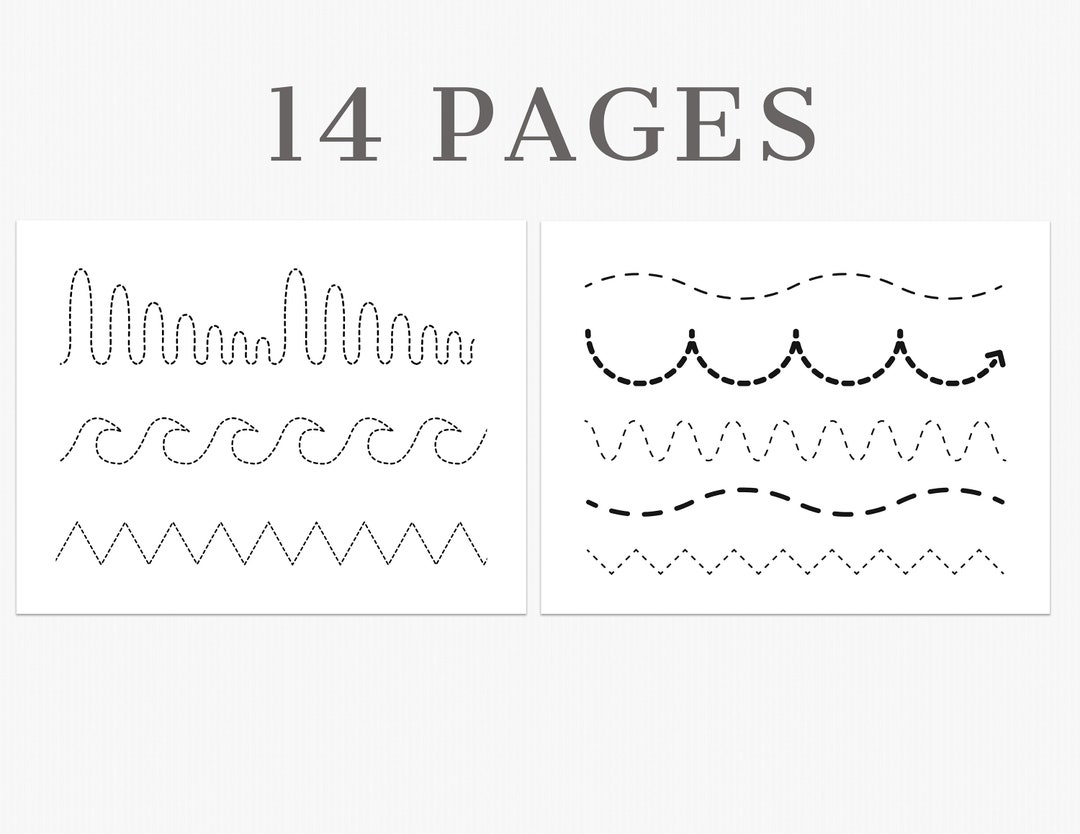
The hybrid sheet integrates several developmental domains onto a single page, targeting both visual-motor integration and cognitive processing. Children encounter a dynamic mix of imagery and structural guidelines that encourage sustained attention. Exploring diverse resources like tracing worksheets helps build the precise pencil control needed for these multi-layered exercises. Instead of isolating skills, this approach requires simultaneous engagement with shape recognition, line accuracy, and directional tracking.
Key Learning Outcomes
Users refine intrinsic hand muscle control, bilateral coordination, and visual tracking through systematic practice. It sounds simple, and that’s the point, yet the neurological wiring happening underneath is remarkably complex. Learners master the ability to stop, start, and change direction without losing their place on the page. Integrating these capabilities naturally supports the broader collection of preschool worksheets designed for early learners. Educators frequently note that children exposed to blended layouts transition into formal handwriting with significantly less frustration.
How to Use This Worksheet
Facilitating this activity successfully depends heavily on creating a low-stress environment with proper ergonomic positioning. Feet flat on the floor, hips and knees at ninety-degree angles, and a vertical or slightly slanted writing surface change everything. Children benefit immensely when adults guide initial attempts verbally before encouraging independent problem-solving. Pairing this layout with targeted letter writing worksheets reinforces the specific stroke patterns introduced during the hybrid exercise.
Practical Tips for Parents and Teachers
Observe how the child grasps the writing utensil, watching for a functional tripod grasp that utilizes open web spaces. If hand fatigue sets in quickly, shorten the working intervals and incorporate heavy-work sensory breaks like wall pushes. Cutting, squeezing clay, or playing with small manipulatives immediately prior to the paper task can awaken dormant hand muscles. Quality always supersedes quantity when building neural pathways for handwriting proficiency.
Age-Appropriate Recommendations
According to the National Association for the Education of Young Children, developmentally appropriate practice demands tailoring task complexity to the specific fine motor milestones of the child. Younger participants around age three or four should focus primarily on larger directional strokes and gross motor integration. Older children transitioning into kindergarten and first grade can tackle finer spatial boundaries and intricate directional changes. Utilizing frameworks such as the CDC developmental milestones ensures that expectations remain realistic and supportive of natural growth trajectories.
Foundational fine motor control directly predicts later academic performance in literacy and spatial reasoning tasks — American Occupational Therapy Association
Frequently Asked Questions
Explore More Free Printable Worksheets
Expanding a child’s learning repertoire involves offering diverse, engaging printables that keep motivation high. Practitioners can easily discover supplementary resources by browsing the comprehensive archive of worksheets available for immediate download. Integrating variety prevents burnout and ensures well-rounded motor skill mastery.
Developmental Milestone & Activity Table
| Development Stage | Recommended Daily Duration | Primary Learning Objective |
|---|---|---|
| Preschool & Pre-K | 10 – 15 Minutes | Pencil grip development & basic pre-stroke lines |
| Kindergarten | 15 – 20 Minutes | Letter/number formation & spatial line awareness |
| Early Elementary (Grade 1–2) | 20 – 30 Minutes | Fluency, sentence construction & neatness |
Images References